Autobrush Review 2026: Does This Viral Toothbrush Actually Work
No fluff—real Autobrush comparison for 2026. See which model is actually worth buying (and which to skip) before you waste money.
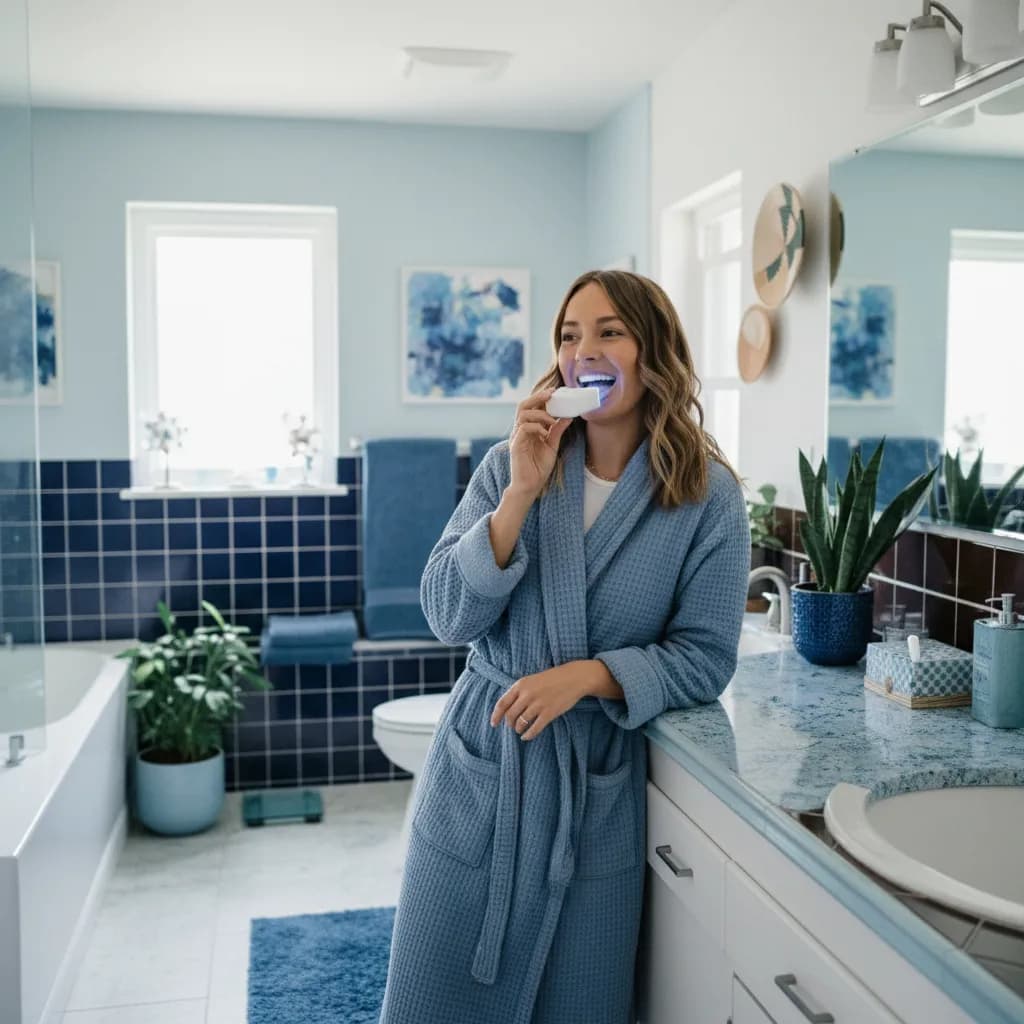
What is an autobrush, exactly?
- What is an autobrush, exactly?
- The big question. Do autobrushes actually work?
- Who should even consider buying an autobrush?
- The #1 thing nobody tells you: fit matters more than the brand
- Autobrush marketing vs actual brushing physics
- What to look for in an autobrush in 2026 (the checklist)
- The three types of “autobrush buyers” and what each should get
- So which autobrush should you buy in 2026?
- What about whitening claims?
- Autobrushes and flossing. This part matters.
- A quick warning about the cheapest mouthpiece brushes
- How to use a mouthpiece autobrush so it actually works (most people do it wrong)
- The easiest way to choose in 60 seconds
- Common questions people ask before buying
- Let’s wrap this up (and make a real recommendation)
- FAQs (Frequently Asked Questions)
⚡ Quick heads up before you read on: Autobrush prices change fast, and the discount codes we found won’t last forever. If you’re even thinking about buying one, check the latest deals first — it takes 10 seconds and could save you a decent chunk.
🔥 Find the best Autobrush coupon codes & deals right now → kayodeal.com
If you have been online at all in the last year, you have probably seen them. Those mouthpiece-looking toothbrushes like the Autobrush that people bite into, press a button, and boom: “Clean teeth in 30 seconds.” It’s the kind of claim that makes you want to believe. Also the kind of claim that usually falls apart the second you ask, wait, how does it actually reach the gumline?
So yeah. Let’s slow it down and make this simple.
This is a real, practical breakdown of autobrushes in 2026. What they are, what they are good at, what they still do badly, and which autobrush you should buy depending on your mouth, your habits, and your patience level.
Not a hype piece. Not “this will change your life.” Just the truth as far as it exists right now.
What is an autobrush, exactly?
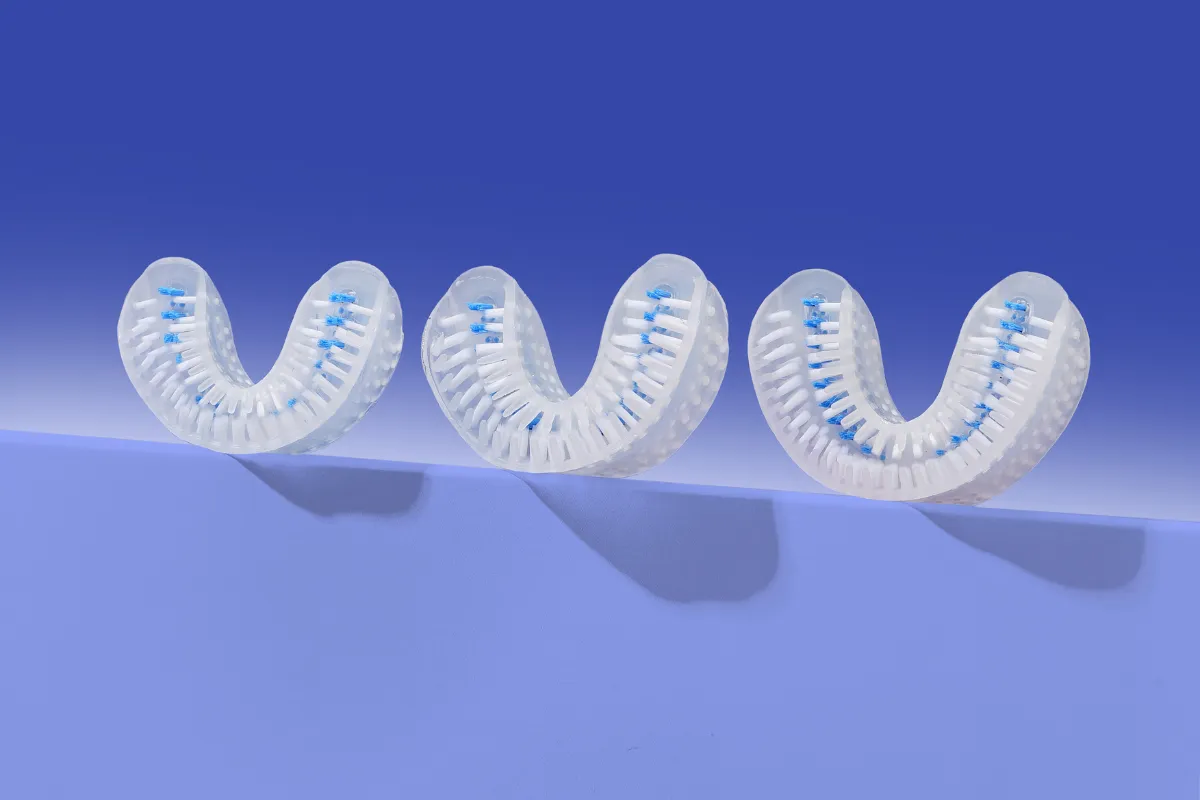
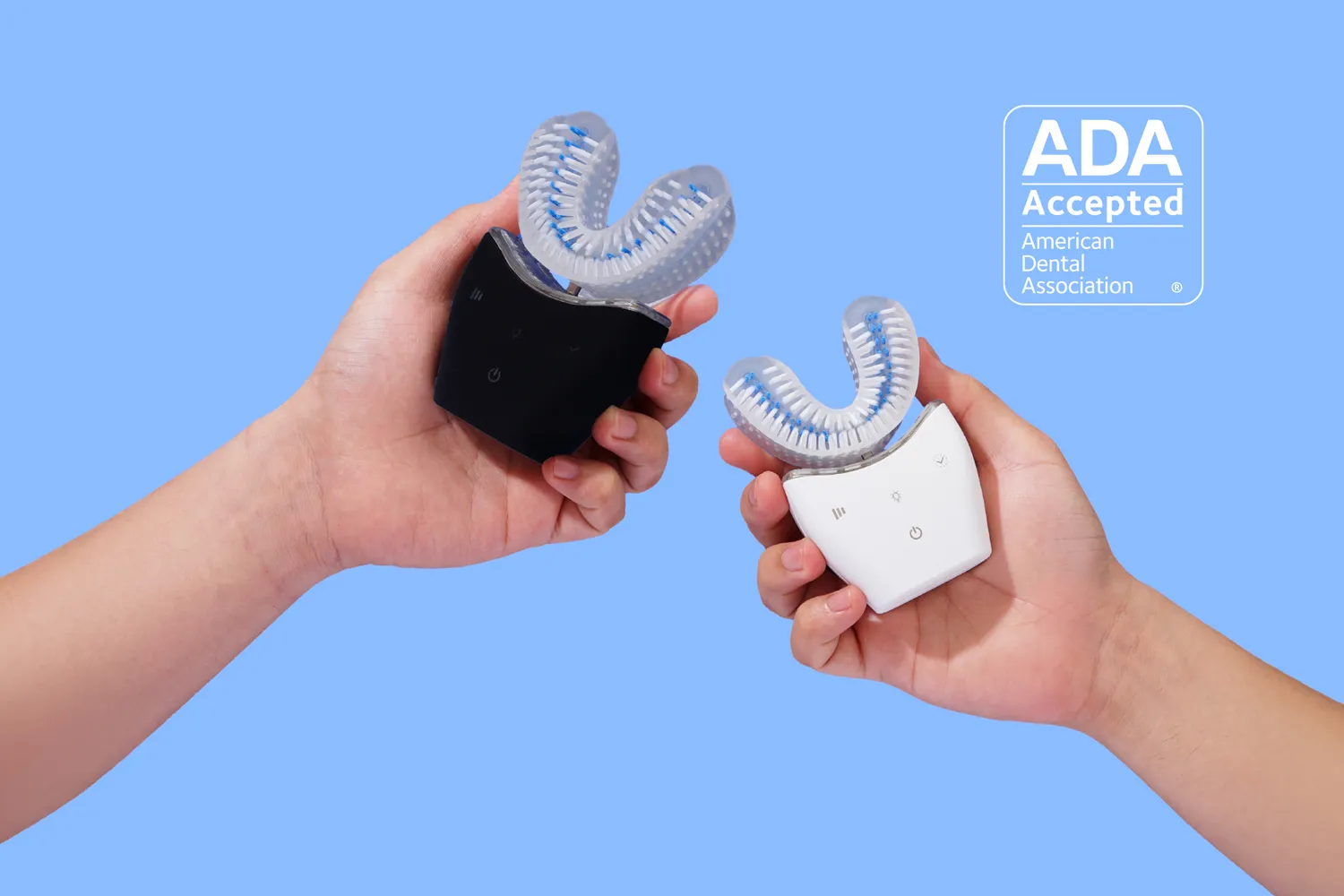
An autobrush is basically an electric toothbrush that tries to brush multiple teeth at once, usually by using a U shaped mouthpiece (or a hybrid head) lined with bristles or silicone fins. You put it in your mouth, it vibrates or oscillates, and it’s meant to clean the surfaces of your teeth without you having to do the normal brushing motions.
There are a few broad categories now:
- U shaped mouthpiece autobrushes
- The “bite and buzz” style. Most common. Most controversial too.
- Mouthpiece + sonic bristle inserts (higher end versions)
- Similar idea but with actual bristles positioned to contact enamel better.
- Guided multi surface electric brushes (not a mouthpiece)
- These are technically not autobrushes in the viral sense, but they automate technique using sensors, coaching, and timers. Think premium electric toothbrushes with strong guidance. For a lot of people, these are the smarter “auto” buy.
- Water flosser hybrids and brush combos
- Not true autobrushes, but they get lumped in. A few companies sell a mouthpiece that sprays water while vibrating. Good for some situations, not a substitute for brushing.
In 2026, the market is still messy because a ton of cheap brands copy the same shell and sell it with wild promises. Some work… kind of. Many are basically toys.
The big question. Do autobrushes actually work?
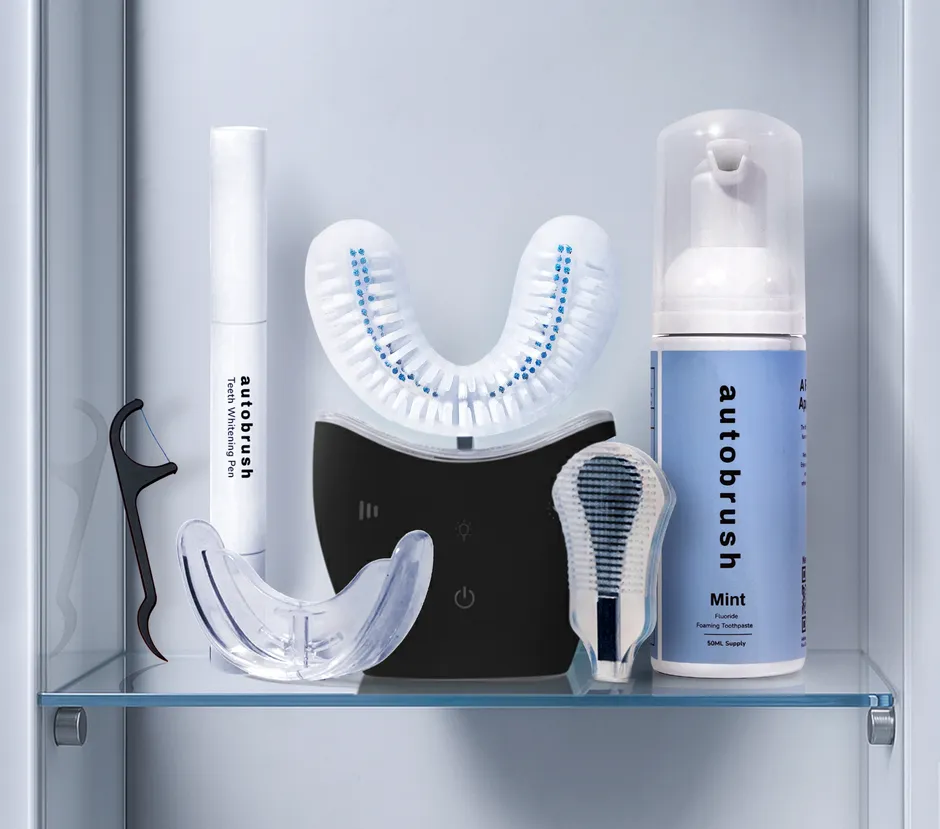
They can. But not the way the ads imply.
Here’s the honest version:
- They can remove some plaque, especially on flatter tooth surfaces, if the mouthpiece fits well and the bristles actually touch the enamel with enough pressure.
- They often struggle at the gumline, where most of the brushing “value” is. Gumline plaque is stubborn, and it’s where gingivitis starts.
- They are usually weak on molars, especially the back molars and the inner surfaces. That’s where fit and jaw size matters a lot.
- They are not great at precision, because everyone’s mouth is different. A one size mouthpiece is always a compromise.
If you hate brushing and you currently do a sloppy 20 seconds with a manual brush, an autobrush might be an upgrade. Seriously. Consistency matters.
But if you already brush properly with a decent electric toothbrush for two minutes, many mouthpiece autobrushes will feel like a downgrade.
That’s the reality.
Who should even consider buying an autobrush?
Autobrushes make the most sense for:
- People who struggle with brushing time (kids, teens, ADHD, burnout, anyone who just cannot stick to it)
- People with limited mobility (arthritis, disability, injury)
- Caregivers brushing someone else’s teeth (where speed and ease helps)
- Orthodontic situations like braces, but only if you choose carefully (more on this later)
- People who are consistent with flossing and dental cleanings and want brushing to be easier, not “perfect”
They make the least sense for:
- People with active gum disease or heavy tartar buildup
- People who need targeted cleaning (crowding, tricky gum pockets, lots of dental work)
- Anyone expecting it to replace flossing. It won’t.
The #1 thing nobody tells you: fit matters more than the brand
The mouthpiece autobrush category lives or dies on fit.
If the mouthpiece is too big, the bristles barely touch the teeth. Too small, it pinches and you can’t seat it properly on the molars. If it sits crooked, you get weird clean zones and missed zones.
So when you’re shopping, your first question is not “Which brand is best?” It’s:
Do they offer multiple mouthpiece sizes, and can you buy replacements easily?
Because if the fit is off, even the best motor in the world does nothing.
Autobrush marketing vs actual brushing physics
Normal brushing works because you can do three things:
- Aim at the gumline at a slight angle
- Control pressure
- Spend more time on problem areas
A mouthpiece autobrush tries to do all of that with a fixed shape.
So when brands say “cleans in 30 seconds,” what they usually mean is “vibrates for 30 seconds.” Not “removes plaque at the gumline as well as a dentist recommended electric brush.”
In 2026, there are better designs than the early silicone fin ones. But the core tradeoff is still here.
You’re trading precision for convenience.
What to look for in an autobrush in 2026 (the checklist)
If you want to buy one and not regret it, here’s what actually matters.
1. Real bristles, not just silicone fins
Silicone fins alone tend to smear toothpaste around more than they scrub plaque off. Some newer models use denser bristle arrays or hybrid designs. If you have the choice, pick bristles.
2. Multiple mouthpiece sizes (or a sizing kit)
One size fits all is where a lot of these fail.
3. Replacement heads that are easy to buy
If replacements are expensive or out of stock, you will stop using it. That’s just how life works.
4. A timer that encourages enough total time
If it’s a 30 second device, you should be able to run multiple cycles easily. Some are 30 seconds per arch. Some are 45. Some are 60. You want something that nudges you toward at least 60 to 90 seconds total, unless your dentist says otherwise.
5. Water resistance, cleaning, and hygiene
Mouthpieces get gross. Like, fast. The best ones are easy to rinse, don’t trap gunk, and dry quickly. If you can’t clean it easily, it becomes a bacteria holder in your bathroom.
6. Pressure and comfort
Too much vibration plus a tight mouthpiece can irritate gums. Comfort matters because if it hurts, you won’t use it.
7. A real return policy
You cannot know fit until it’s in your mouth. Return policy matters a lot here.
The three types of “autobrush buyers” and what each should get
Let’s make this practical.
Type A: “I just need something I’ll actually use”
You are not chasing perfection. You want consistency. You probably skip nights sometimes. You want a device that removes friction from the habit.
Best choice: A reputable mouthpiece autobrush with bristles, multiple sizes, good replacements, and an easy cleaning routine.
If you buy a cheap one with a single size mouthpiece, odds are you will use it for a week, feel suspicious, then go back to your old brush.
Type B: “I care about gum health and I want real results”
You might have sensitive gums, bleeding, or a dentist who keeps telling you to focus on gumline brushing.
Best choice: A premium traditional electric toothbrush with pressure sensor, timer, and good head design. Not a mouthpiece.
This is where the guided multi surface “automation” is actually better than an autobrush mouthpiece. It teaches you to brush well, and it reaches the areas mouthpieces often miss.
Type C: “Braces, attachments, aligners, or a lot of dental work”
This depends. Mouthpiece designs can bump into brackets or fail to reach around wires. Some can help, some are useless.
Best choice: Usually a standard sonic electric brush plus an interdental routine (floss, interdental brushes, or water flosser). If you insist on a mouthpiece, pick one with bristles and enough flexibility, and be ready to supplement.
So which autobrush should you buy in 2026?
Instead of pretending there is one perfect choice for everyone, I’m going to give you the cleanest buying guide that actually matches real use.
Because “best” depends on what you need the brush to do.
1. Best overall for most people: a guided premium electric toothbrush (not a mouthpiece)
I know, you came here for autobrushes. But if you want the best results in 2026 with the least risk, this category wins for most adults.
Why?
- Proven brushing mechanics
- Better gumline cleaning
- Easier to target crowded areas
- Heads are easy to replace
- You can still brush fast if you want, but you’re not locked into a fixed mouthpiece
If you are someone who has ever had a dentist say “You’re missing the gumline,” this is the buy.
What to look for:
- pressure sensor
- 2 minute timer with quadrant pacing
- soft bristle head options
- a brand with easy replacement heads
2. Best mouthpiece autobrush pick: the one that fits your mouth and uses bristles
This is the mouthpiece category done “least wrong.”
Your priority list here is:
- multiple mouthpiece sizes
- bristles that actually contact teeth
- strong but not painful vibration
- replacement mouthpieces available
- return policy
If you are shopping right now, do not get seduced by “360 cleaning” claims. Look for fit options and replacements.
Also, expect to run multiple cycles. The 30 second run is usually not enough if you want a legit clean.
3. Best for kids and teens (and honestly, some adults): mouthpiece autobrush as a habit tool
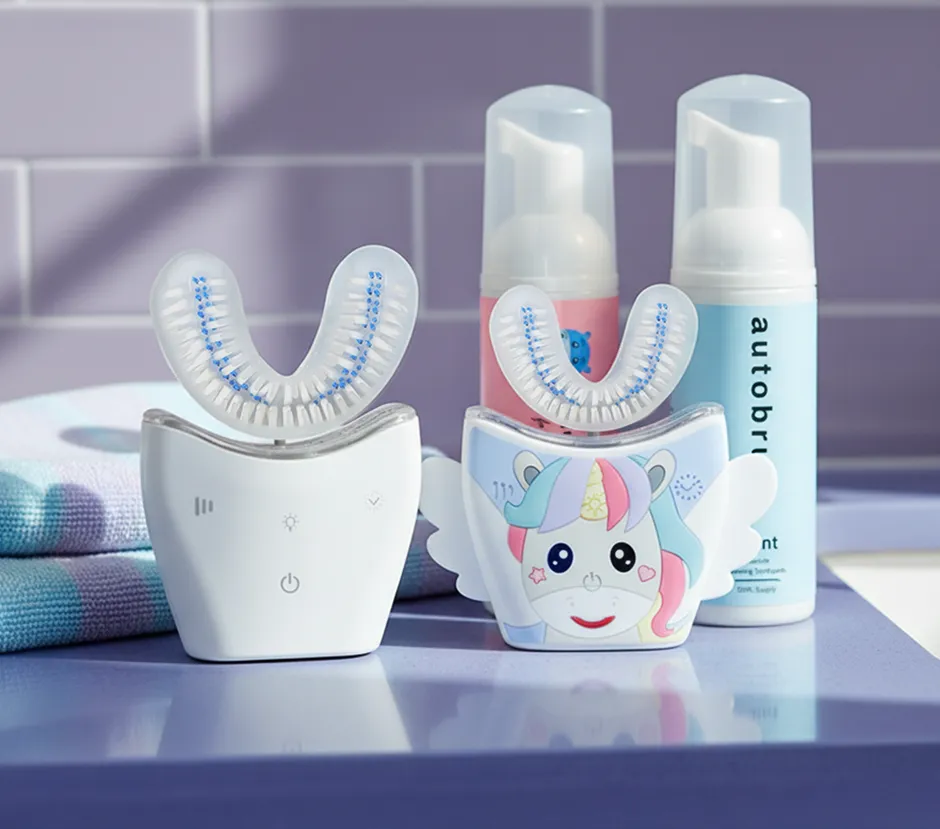
Kids tend to brush poorly, and they hate doing it for long. A mouthpiece autobrush can be a bridge that builds consistency. It’s not magic. But it’s a routine helper.
If you buy one for a kid:
- Make sure it has kid sizing
- Make it part of a routine, same time every day
- Still teach them how to do a normal brush at least sometimes
- Watch the gumline. If gums are inflamed, switch strategy
And yeah, you still need to check their brushing. No device fixes that part.
4. Best for caregivers and accessibility needs: whichever reduces struggle the most
If you’re brushing someone else’s teeth or you have limited dexterity, the “best” is the one that:
- is easy to position
- doesn’t cause gagging
- is easy to clean
- has a simple one button routine
- fits properly
In these cases, convenience is not a luxury. It’s the whole point.
What about whitening claims?
Most autobrush whitening claims are basically:
- better plaque removal makes teeth look cleaner
- toothpaste does the whitening heavy lifting
- some devices add blue LED lights (mostly marketing)
If you want whitening, an autobrush is not the main variable. Whitening strips, dentist supervised whitening, and stain habits (coffee, tea, smoking) matter more.
Also, aggressive brushing and abrasive toothpaste can damage enamel over time. So be careful with “whitening mode” hype.
Autobrushes and flossing. This part matters.
No mouthpiece brush replaces flossing. Not even close.
Why?
Because brushing is mostly for tooth surfaces. Flossing (or interdental cleaning) is for the tight spaces between teeth, where cavities and gum inflammation start quietly.
If you are buying an autobrush because you want a “one step solution,” I get it. But the truth is:
- If you want genuinely healthy gums, you need interdental cleaning
- Even 3 to 4 times a week is better than never
- A water flosser can help, but it is not always a full replacement for string floss either
So if you buy an autobrush, pair it with the easiest flossing habit you can stick to. Floss picks. Interdental brushes. Water flosser. Something.
A quick warning about the cheapest mouthpiece brushes
A lot of $20 to $40 mouthpiece brushes look identical online. Same mold, different logo.
Common issues:
- bristles too soft or too sparse to do much
- weak motors
- mouthpieces that deform quickly
- battery life that drops fast
- no replacement heads available
- weird chemical smell or questionable materials
Not saying every budget brush is unsafe. Just saying the category is flooded with low quality copies, and it is hard to tell what you are getting until it shows up.
If you’re going cheap, at least buy from a place with an easy return process.
How to use a mouthpiece autobrush so it actually works (most people do it wrong)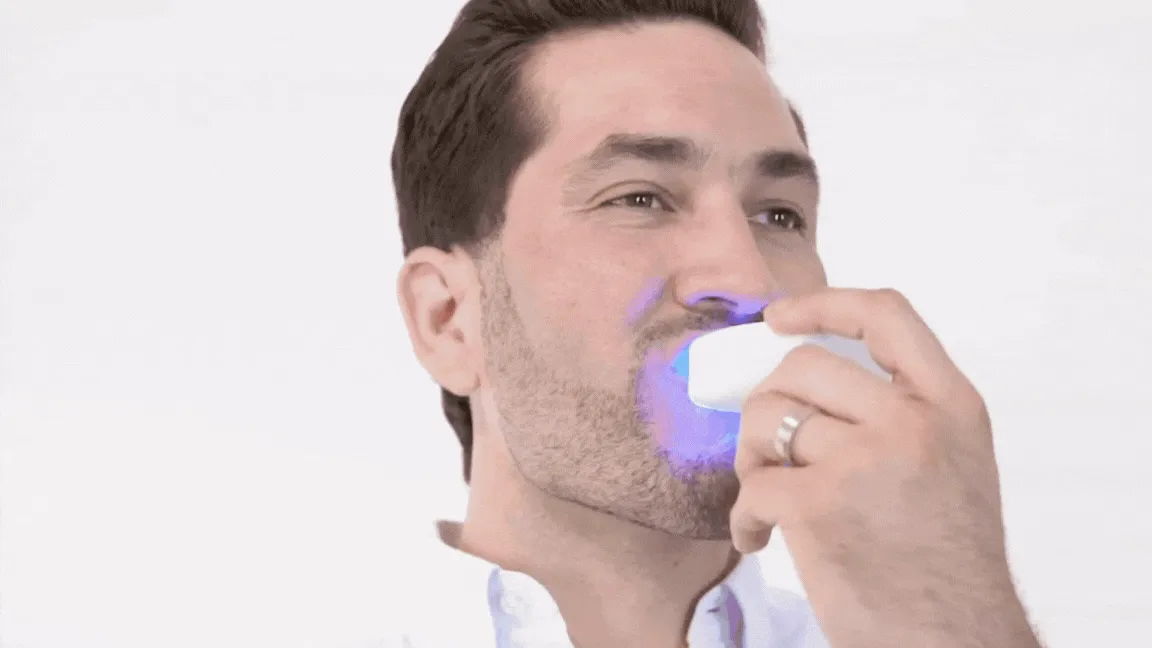
If you do buy one, here’s the basic routine that tends to get better results:
- Pre rinse your mouthpiece
- Helps it seat better, feels less weird.
- Use a small amount of toothpaste
- Too much toothpaste foams and makes you think it’s cleaning more than it is.
- Seat it properly
- Make sure it reaches the molars. This is where people mess up. They bite down in the front and the back floats.
- Run multiple cycles
- If it’s 30 seconds, do 2 to 3 cycles. If it’s 45 seconds, do 2. You are chasing coverage, not the marketing timer.
- After, do a quick manual touch up if needed
- Even 20 seconds with a normal brush around the gumline can make a big difference.
- Clean the mouthpiece immediately
- Rinse, shake dry, let it air dry. If it stays wet and gunky, it gets gross fast.
The easiest way to choose in 60 seconds
If you just want the buying decision and you don’t want to overthink it, here you go.
- If you want the best cleaning and gum health, buy a good guided electric toothbrush (pressure sensor, timer, soft heads).
- If you want the easiest brushing habit, buy a mouthpiece autobrush with bristles and multiple mouthpiece sizes, and plan to run two cycles most nights.
- If you have braces or crowded teeth, stick with a standard sonic electric brush and add interdental cleaning.
- If you have mobility issues, buy whatever you can use consistently and comfortably, and ask your dentist what to watch for.
Consistency beats fancy.
Common questions people ask before buying
“Can I use an autobrush if I have sensitive gums?”
Sometimes yes, but start gentle. Soft bristles, lower intensity if available, and stop if you get irritation. If your gums are bleeding a lot already, you might need better gumline technique, not faster brushing.
“Is 30 seconds really enough?”
For most people, no. It might be better than nothing, but if you want a truly clean feel, you will probably do 60 to 90 seconds total. Or more.
“Will it help with bad breath?”
It can help, but bad breath is often tongue, gum inflammation, dry mouth, or tonsil issues. Brush your tongue. Stay hydrated. Floss. And if it’s persistent, it’s worth talking to a dentist.
“Do dentists recommend autobrushes?”
Some do, especially for certain patients, but many are skeptical about gumline effectiveness of U shaped mouthpieces. The more “normal” electric brushes have far more acceptance because they follow proven brushing mechanics.
Let’s wrap this up (and make a real recommendation)
Autobrushes in 2026 are still a trade.
You get convenience and speed. You give up some precision.
So the best autobrush is not the one with the loudest ad. It’s the one that fits your mouth, uses real bristles, has replaceable heads you can actually buy, and makes you brush more often. That’s the whole game.
If you want my simplest advice:
- Most adults should buy a premium guided electric toothbrush, because it cleans better and it is hard to beat for gum health.
- If you know you won’t brush consistently, a good mouthpiece autobrush can be a legit upgrade, but only if it fits well and you use it long enough.
Whatever you choose, pair it with some form of interdental cleaning. Because brushing alone, autobrush or not, is only half the story.
FAQs (Frequently Asked Questions)
What exactly is an autobrush and how does it work?
An autobrush is a type of electric toothbrush designed to clean multiple teeth simultaneously using a U-shaped mouthpiece lined with bristles or silicone fins. You bite into it, activate the vibration or oscillation, and it aims to clean tooth surfaces without requiring the usual brushing motions.
Do autobrushes effectively clean teeth compared to traditional brushing?
Autobrushes can remove some plaque, especially on flat tooth surfaces if the mouthpiece fits well and bristles contact enamel properly. However, they often struggle at the gumline and on back molars, where precision is crucial. They are generally less effective than a proper two-minute brush with a quality electric toothbrush.
Who should consider buying an autobrush?
Autobrushes are best suited for people who struggle with brushing time like kids, teens, or those with ADHD; individuals with limited mobility; caregivers brushing others’ teeth; orthodontic patients with braces (with careful selection); and those consistent with flossing and dental visits who want easier brushing.
What are the main limitations of autobrushes?
They tend to be less effective on gumline plaque and back molars, lack precision due to one-size-fits-all mouthpieces, do not replace flossing, and may not suit people with active gum disease or heavy tartar buildup needing targeted cleaning.
Why is mouthpiece fit more important than brand when choosing an autobrush?
Fit determines how well bristles contact teeth. A too-large mouthpiece barely touches teeth; too small pinches or misses molars. Crooked seating leads to uneven cleaning. Therefore, availability of multiple mouthpiece sizes and easy replacement options matter more than brand reputation.
What features should I look for in an autobrush in 2026?
Choose models with real bristles rather than just silicone fins for better plaque removal. Look for multiple mouthpiece sizes to ensure proper fit. Avoid cheap copies with wild claims. Understand that while convenient, autobrushes trade some cleaning precision for ease of use.
And if you’re shopping for anything else while you’re at it, KayoDeal rounds up the best verified coupons across hundreds of stores — one stop, best price, every time.
Recommended for you
 Haru Haru Wonder vs. Cosrx: Which Unstoppable K-Beauty Brand Is Right for Your Skin?
 Discover Haru Haru Wonder — The Unstoppable Clean Beauty Line Gentle Enough for Every Skin
 Honey Acres: The Jaw-Dropping Science Behind Honey That Outlived the Pharaohs
 The “Shark Tank” Hair Trend: How to Style Rip Tie for Your Everyday Hustle
 From Waves to Trails: The Ultimate High-Performance Hairstyles with Rip Tie
 Honey Acres: The Ultimate Guide to Kosher Certified, Gluten-Free, and Big 9 Allergen-Free Treats