Is Skynflow Worth It? The No-Fluff Breakdown
Skip the hype. Here’s what Skynflow actually does, who it’s for, who should skip it, real pros/cons, and the final verdict.
Quick context: what is Skynflow, exactly?
- Quick context: what is Skynflow, exactly?
- The problem with “worth it” skincare
- What to look for on Skynflow’s label (this matters more than the ads)
- So… does Skynflow work?
- Who Skynflow is best for (and who should skip it)
- Pricing: is Skynflow overpriced?
- The routine question: how to use Skynflow without messing up your skin
- Common reasons people say a product “did nothing”
- Returns, customer support, and the boring stuff that affects “worth it”
- My honest take: should you buy Skynflow?
- If you do buy it, do this one thing first
- Final verdict (no dramatic conclusion, just reality)
- FAQs (Frequently Asked Questions)
You know that moment when you see a skincare ad and it feels like it was written by the same person who wrote every skincare ad since 2016? It’s like they all follow the same formula, except for skynflow, which brings a fresh perspective to skincare marketing.
“Clinically proven.” “Glowing skin in 7 days.” “Derm approved.” “Your new holy grail.”
And then you scroll the reviews and it’s either people saying it changed their life… or people saying it did absolutely nothing. Or worse, it broke them out and now they’re mad at the internet.
So yeah. If you’re here, you’re probably trying to figure out a simple thing.
Is Skynflow actually worth buying. Or is it just another pretty bottle with good marketing.
This is the no-fluff breakdown. The stuff that actually matters.
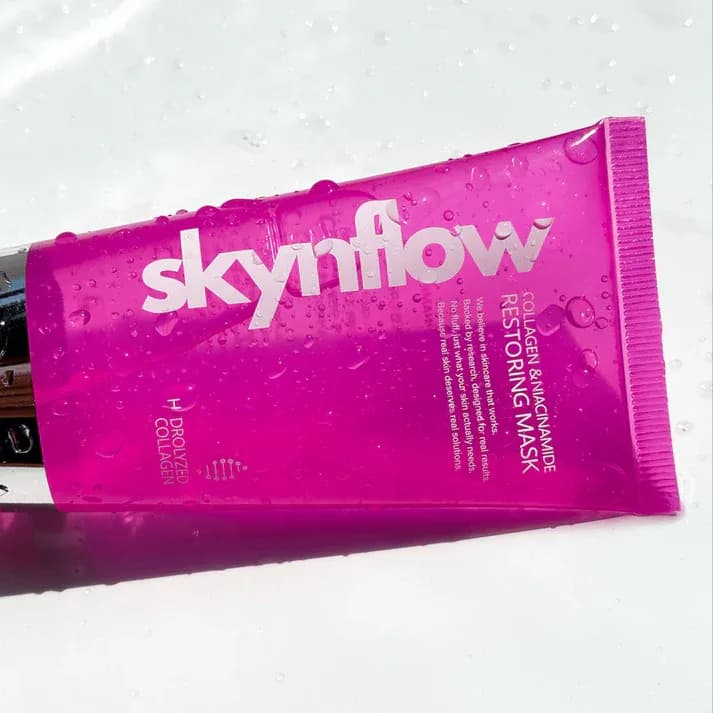
Quick context: what is Skynflow, exactly?
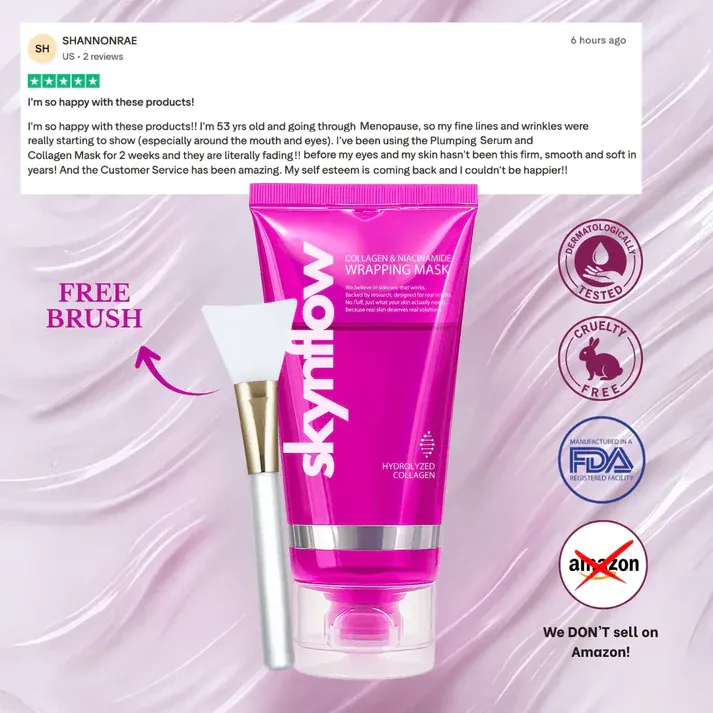
Skynflow is being marketed as a skincare product (or a small lineup) focused on improving skin texture, hydration, glow, and overall “skin health” in a simple routine.
That’s the pitch.
The real question is not what it claims to do. Every skincare product claims it does everything short of filing your taxes.
The question is:
- What’s in it (ingredients and concentrations if available)
- What skin types it’s actually suitable for
- What kind of results people can realistically expect
- Whether it’s priced fairly compared to alternatives
- What the return policy and customer experience look like
If you can answer those, you can decide in like 10 minutes, instead of reading 40 reviews written at 2am.
The problem with “worth it” skincare
This is important. Because “worth it” depends on what you’re trying to fix.
If your main issue is:
- Dryness and tight skin
- Dullness
- Mild texture
- Dehydration lines
- Post-acne marks (not deep scars)
- Mild breakouts from a damaged barrier
Then a decent product can help a lot.
But if you’re dealing with:
- Hormonal acne
- Cystic acne
- Rosacea flare-ups
- Perioral dermatitis
- Deep pitted scars
- Hyperpigmentation that’s been there for years
- Melasma
Then no, a single product is not going to “solve” it. At best, it supports the routine. At worst, it irritates you and now you’re back to square one.
So as you read this, keep one thing in mind.
Skynflow (like most skincare) is mostly about barrier support, consistency, and ingredient fit. Not miracles.
What to look for on Skynflow’s label (this matters more than the ads)
I’m going to be blunt. If you can’t find a clear ingredient list and you have to rely on vague phrases like “proprietary blend” or “infused with botanicals”… you should pause.
A good skincare product doesn’t need to hide the basics.
Here’s what usually separates a “nice marketing product” from a “solid daily driver.”
1. Hydration and barrier ingredients
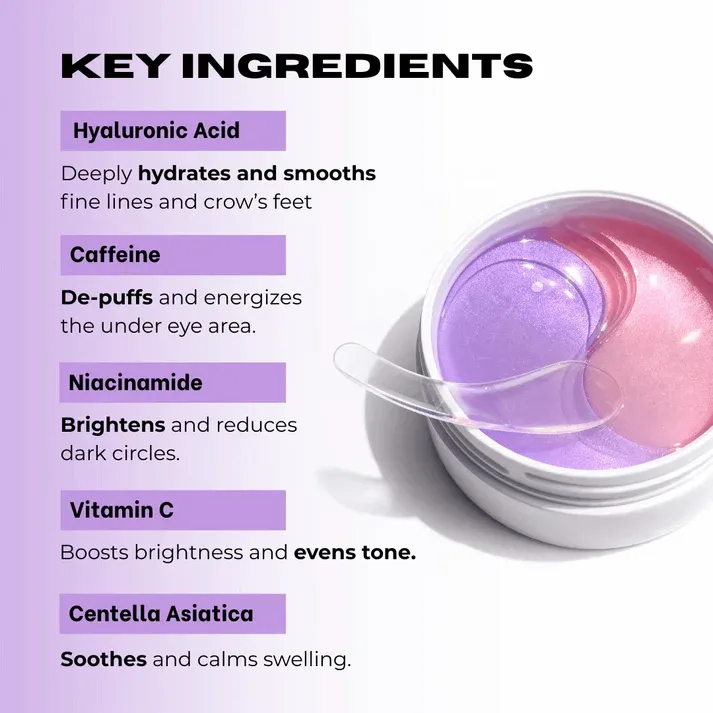
If Skynflow is positioned as a glow and skin-health product, it should include at least a few of these, in meaningful positions on the ingredient list:
- Glycerin (underrated, extremely effective)
- Hyaluronic acid or sodium hyaluronate (fine, but not magic)
- Panthenol (pro-vitamin B5, soothing)
- Ceramides (barrier support, especially for dryness and irritation)
- Squalane (nice for softening without feeling heavy)
- Beta-glucan, allantoin, centella asiatica (calming, good for sensitive skin)
If you see these, that’s a good sign.
If you don’t, and the product is mostly fragrance, essential oils, and plant extracts, you’re basically paying for vibes.
2. Actives (only if they’re relevant)
Some products include actives like:
- Niacinamide (great for oil control, redness, barrier support)
- Vitamin C (brightening, uneven tone, antioxidant support)
- AHA/BHA/PHA acids (texture, clogged pores, dullness)
- Retinoids (acne, texture, fine lines)
Actives can make a product more effective. They can also make it more irritating.
So the question becomes: does Skynflow include actives, and are they appropriate for daily use, and does the brand explain how to use them safely?
If Skynflow is sold as “for everyone” but contains strong exfoliating acids without clear guidance, that’s a red flag. Not because acids are bad. Because beginners will overuse them and blame the product when their barrier gets wrecked.
3. Fragrance and sensitizers
This is the part that quietly determines whether you’ll love it or hate it.
Fragrance isn’t automatically evil. But if you’re acne-prone, sensitive, or dealing with irritation already, fragrance can be the reason you break out or get redness.
Things to watch for:
- “Fragrance” or “parfum” high on the list
- Essential oils (lavender, citrus oils, peppermint, etc.)
- Strong botanical blends that sound fancy but can be sensitizing
If your skin is resilient, you might not care. If your skin is dramatic (most of us), you should care.
So… does Skynflow work?
Here’s the honest answer.
Skynflow is “worth it” if it does one of these two things well:
- It’s a reliable barrier and hydration product that your skin tolerates
- It contains well-chosen actives at gentle levels and you use it consistently
That’s it.
Most good skincare results come from boring consistency, not from novelty.
If Skynflow is basically a well-formulated moisturizer/serum that makes your skin feel calm, hydrated, and less reactive, then yes. That can be worth paying for. Especially if it helps you stop routine-hopping.
But if you’re buying it expecting dramatic acne clearing, pore shrinking, or instant pigment removal, you’re probably going to feel disappointed. Not because Skynflow is “bad.” Because skincare marketing has messed with our expectations.
What results are realistic?
Assuming the formula is decent and you’re using it properly:
Week 1
- Skin feels more hydrated
- Less tightness
- Slightly better “glow” because your surface isn’t dehydrated
Weeks 2 to 4
- Texture can look smoother (mostly because hydration plumps the skin)
- Makeup sits better
- Redness may reduce if you were irritated before
Weeks 6 to 12
- If it has actives like niacinamide or vitamin C, you might see gradual improvement in uneven tone
- If you pair it with sunscreen daily, results show up faster and stick around
That’s the realistic timeline. Anything promising overnight transformation is basically selling you hope.
Who Skynflow is best for (and who should skip it)
This part saves people money.
Skynflow is probably a good fit if:
- Your skin is dehydrated, dull, or feels “off”
- You want a simple routine and you’re tired of 10-step skincare
- Your barrier is compromised from over-exfoliating or too many actives
- You prefer gentle, daily supportive skincare over harsh treatments
- You’re consistent and you actually finish products (rare talent)
You should be cautious or skip if:
- You have very acne-prone skin and the product is rich, heavy, or fragranced
- You’re sensitive and you react to fragrance or essential oils
- You’re currently on prescription acne treatments and your skin is already irritated
- You expect it to replace sunscreen, retinoids, or medical treatment
- You don’t know what your skin reacts to yet and you’re not willing to patch test
And yes, patch testing matters. Not the cute version where you try it once and hope. The boring version where you test behind the ear or jawline for a few days.
Pricing: is Skynflow overpriced?
Worth is usually a price question pretending to be a skincare question.
Here’s how I think about skincare pricing without getting too nerdy:
You’re not just paying for ingredients. You’re paying for:
- formulation quality (how stable and skin-friendly it is)
- packaging (airless pumps cost more, and they matter for some actives)
- brand overhead (marketing, creators, ads)
- return/refund handling
- consistency of batches (this is a real thing)
That said, skincare can get ridiculous fast.
If Skynflow is priced like a premium product but the formula looks like a basic moisturizer with fragrance and trendy extracts, then no. It’s not worth it.
If Skynflow is priced in the mid-range and includes a solid mix of proven hydrators and barrier ingredients, with a texture you enjoy using daily, then it can be worth it. Because the product you use consistently beats the “perfect” product you abandon after a week.
A quick comparison logic you can use
Before you buy, ask:
- Can I get similar ingredients in a trusted drugstore brand for half the price?
- Does Skynflow offer something specific I can’t find elsewhere (texture, non-greasy feel, better tolerance)?
- Does it simplify my routine enough that I stop buying random extra products?
If Skynflow replaces two products for you, it’s easier to justify.
If it’s just “one more serum” added to a cluttered shelf, it probably won’t feel worth it.
The routine question: how to use Skynflow without messing up your skin
A lot of negative reviews for skincare come from people stacking too many actives. Or using a new product on top of a routine that already irritates them.
If you’re trying Skynflow for the first time, do this:
Option A: minimal routine (best for figuring out if it works)
Morning:
- Gentle cleanser (or just water if you’re very dry)
- Skynflow
- Sunscreen SPF 30+ (non negotiable if you care about tone and texture)
Night:
- Gentle cleanser
- Skynflow
- Moisturizer (only if you need it)
Do this for 2 weeks before you start mixing in exfoliants, retinoids, and all the fun stuff.
Option B: if you already use actives
If you’re on retinol, acids, benzoyl peroxide, anything like that.
Start Skynflow on the “off” nights. Then slowly increase.
Also, don’t introduce two new products at the same time. You’ll break out and have no clue which product caused it. Then you’ll blame all of them. Then you’ll buy another product. It’s a cycle.
Common reasons people say a product “did nothing”
This is worth mentioning because it’s not always the product’s fault.
- They didn’t use it long enough.
- Most skin changes take weeks.
- They used it inconsistently.
- Every other day, then once a week, then they forget.
- They expected it to treat something it’s not meant to treat.
- Hydrating products don’t erase melasma.
- They weren’t using sunscreen.
- This one is huge. You can use the best brightening ingredients on earth and still lose the battle if you’re getting UV exposure daily.
- Their barrier was already damaged.
- When your skin is irritated, almost everything feels like it “doesn’t work” because your baseline is inflamed.
If you want to judge Skynflow fairly, give it a clean test. Two to four weeks. Simple routine. Track how your skin feels, not just how it looks in different lighting.
Returns, customer support, and the boring stuff that affects “worth it”
A product is only worth it if the brand handles problems like a grown-up.
Before you click Buy:
- Check if they offer returns, and what the window is (14 days, 30 days, etc.)
- See if the product must be unopened to return (common)
- Look for real customer support channels (not just a form)
- Check shipping times and whether tracking is provided
If a brand makes returns impossible, that’s usually because they expect a decent percentage of unhappy customers. Not always. But often.
My honest take: should you buy Skynflow?
Here’s the cleanest decision rule I can give you.
Buy Skynflow if:
- you’ve read the full ingredient list and nothing looks like a personal trigger
- you want a hydration and barrier focused product you can use daily
- you’re okay with gradual results, not dramatic overnight changes
- the price fits your budget without making you resent the purchase
- the return policy is reasonable
Skip Skynflow if:
- you can’t find a transparent ingredient list
- you’re extremely sensitive and it contains fragrance or essential oils
- you’re buying it to fix a medical level skin condition
- you’re already using a solid moisturizer/serum that your skin loves and you’re just bored
Because boredom is expensive in skincare. Seriously.
If you do buy it, do this one thing first
Patch test it, and take a baseline photo in the same lighting.
That’s it.
Most “this changed my skin” before-and-after photos are just different lighting and a better angle. Which is fine, but it’s not evidence.
If Skynflow genuinely helps you, you’ll see it in consistency. Less irritation. More smoothness. Skin that feels stable. Not perfect. Just… easier.
And honestly, in skincare, “easier” is kind of the dream.
Final verdict (no dramatic conclusion, just reality)
Skynflow can be worth it. But only under the normal skincare rules.
A well-formulated product that your skin tolerates, that you use consistently, that fits into a routine with sunscreen. That’s where the payoff is.
If you want, paste Skynflow’s ingredient list here (or upload a photo of the label) and tell me your skin type and your main goal. I can give you a straight answer on whether it’s likely to work for you, and what to watch out for.
FAQs (Frequently Asked Questions)
What is Skynflow and what does it claim to do?
Skynflow is a skincare product (or a small lineup) marketed to improve skin texture, hydration, glow, and overall skin health through a simple routine. It aims to support barrier function and provide consistent hydration for healthier-looking skin.
What key ingredients should I look for in Skynflow to ensure it’s effective?
Look for hydration and barrier-supporting ingredients like glycerin, hyaluronic acid or sodium hyaluronate, panthenol (pro-vitamin B5), ceramides, squalane, beta-glucan, allantoin, and centella asiatica. These ingredients are essential for moisturizing, soothing, and strengthening the skin barrier.
Does Skynflow contain active ingredients and how do they affect different skin types?
Some products include actives such as niacinamide (for oil control and redness), vitamin C (brightening), AHA/BHA/PHA acids (exfoliation), or retinoids (acne and fine lines). If Skynflow contains these, it’s important they are at gentle levels with clear usage guidance to avoid irritation, especially for beginners or sensitive skin.
Is Skynflow suitable for all skin types including sensitive or acne-prone skin?
Skynflow can be suitable if it focuses on barrier support and hydration without harsh irritants. However, if it contains fragrance, essential oils, or strong botanical blends high on the ingredient list, it may cause irritation or breakouts in sensitive or acne-prone skin. Always check the ingredient list carefully.
Can Skynflow solve severe skin issues like hormonal acne or deep scars?
No single product like Skynflow can solve complex issues such as hormonal acne, cystic acne, rosacea flare-ups, perioral dermatitis, deep pitted scars, longstanding hyperpigmentation, or melasma. It may support your routine but won’t replace targeted treatments prescribed by dermatologists.
How do I decide if Skynflow is worth buying compared to other skincare products?
Evaluate Skynflow based on its ingredient transparency (avoid vague ‘proprietary blends’), suitability for your skin type and concerns, realistic expected results (mostly barrier support and hydration), fair pricing compared to alternatives, and customer service policies like return options. Consistency and ingredient fit matter more than marketing claims.
Read more: Purisia