I Tried Mouth Taping for Better Sleep — Here’s What Happened After 7 Nights
I tried mouth taping for 7 nights to sleep better—here’s what changed (snoring, dry mouth, sleep quality) + my honest Tapeher review.
Why I Even Tried Mouth Taping in the First Place
- Why I Even Tried Mouth Taping in the First Place
- What I Used (And What I Refused to Use)
- Night 1: “Oh This Feels… Odd”
- Night 2: Less Panic, More “Okay, Fine”
- Night 3: The First Real “Wow” Moment
- Night 4: Slight Nasal Congestion, Test of the System
- Night 5: Snoring Feedback (The Only Kind That Matters)
- Night 6: The Habit Kicks In
- Night 7: The Reality Check Night
- What Changed After 7 Nights (My Actual Results)
- Things I Didn’t Love (Because There Were Some)
- My Mouth Taping “Rules” Going Forward
- Should You Try Mouth Taping?
- FAQ: Mouth Taping for Sleep
I used to think I was a “fine sleeper,” but after discovering Tapeher, my perspective on sleep quality changed entirely, especially after I learned about mouth taping.
Like, I’d fall asleep quickly, wake up once or twice, then drag myself through the morning like a normal adult. Nothing dramatic. No insomnia. No 3am doom scrolling. Just… not great sleep. The kind where you wake up and you’re not sure if you actually rested or just time traveled.
Then I kept seeing mouth taping everywhere.
People claiming deeper sleep. Less snoring. Less dry mouth. Better focus. Better skin. Better everything, probably better taxes too.
So I did what I always do when something sounds slightly unhinged but also kind of plausible.
I tried it. For 7 nights.
This is exactly what happened. The good, the weird, the parts I did not expect. And yes, I’ll tell you if I’m still doing it.
Quick note: I’m not a doctor, and this is not medical advice. If you have sleep apnea, breathing problems, nasal issues, or anything that makes this risky, talk to a professional before you tape your face shut. Seriously.
Why I Even Tried Mouth Taping in the First Place
Two things pushed me over the edge.
First, I kept waking up with a dry mouth. Not every day, but often enough that I noticed it. That “cotton mouth” feeling where your tongue feels like it’s been left out overnight.
Second, I snore. Not loud, apparently. But enough that my partner has mentioned it in that half joking, half please stop way.
And I breathe through my mouth sometimes. Especially if my nose is even a little clogged. Which is… pretty often because I live in a place with dust, allergies, and whatever else floats around.
The basic idea behind mouth taping is simple.
If you block mouth breathing at night, your body is nudged into nasal breathing. Nasal breathing tends to be more efficient, more humidifying, more filtering. And it can help reduce snoring for some people.
That’s the theory. The internet loves the theory.
So I decided to treat it like a tiny experiment. Seven nights. No heroics. If it felt unsafe, I would stop.
What I Used (And What I Refused to Use)
Let’s get practical. Because I think some people imagine duct tape. Or like, a full sealed strip across the entire mouth.
No.
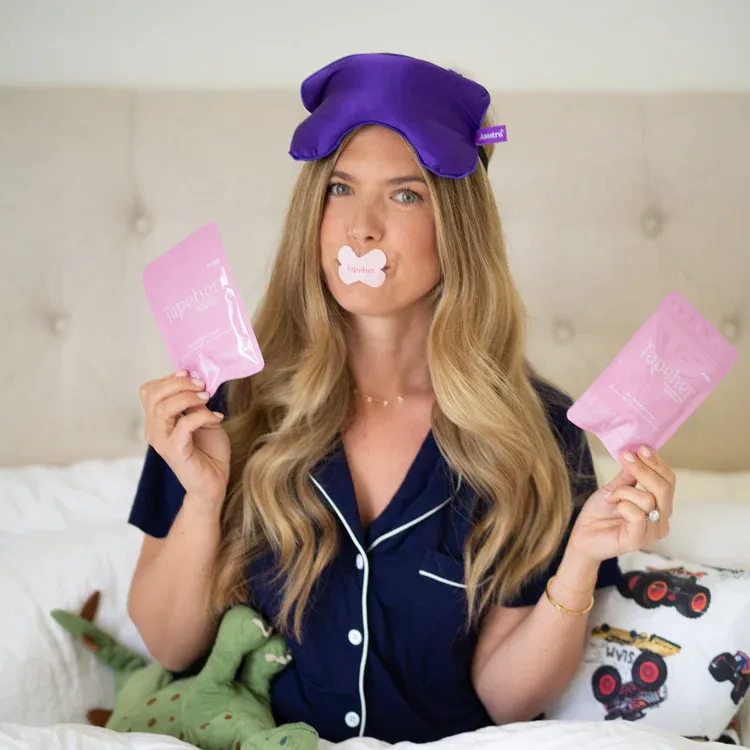
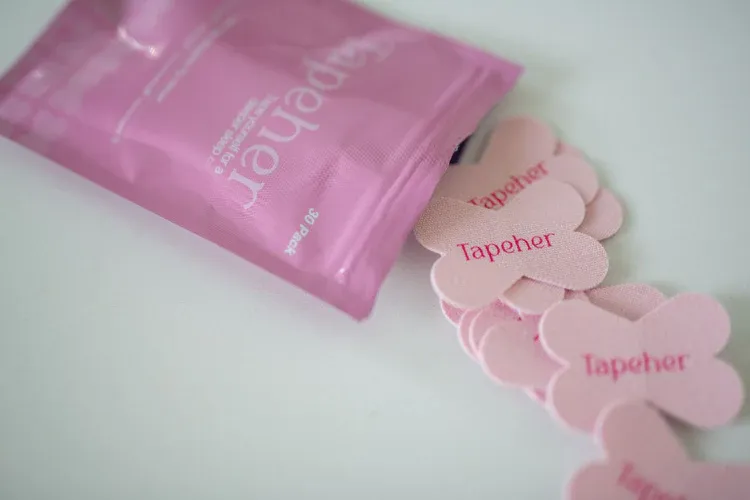
I used a gentle skin safe tape meant for the face. Hypoallergenic style. Nothing industrial. I also did not tape my mouth fully shut like I was packing a moving box.
I used the smaller strip method. Just enough to keep my lips together, but not so aggressive that it felt panicky.
A few rules I set:
- I would only do it if my nose felt reasonably clear.
- If I felt anxious, I’d remove it immediately.
- I kept water nearby.
- I kept the tape easy to peel, no fancy knots or hard to reach situations.
Also, I did not combine this with anything else. No new supplements. No new bedtime routine. No new pillow. I wanted to see what mouth taping alone did for me.
Night 1: “Oh This Feels… Odd”
The first night was mostly psychological.
The tape wasn’t painful or tight. But I could feel it. And because I could feel it, my brain kept checking it.
Am I breathing okay? Yes. Is my nose clear? Mostly. Do I hate this? Not exactly. But I’m aware of it.
I fell asleep a little slower than normal. Not horrible. Just slower.
I woke up once around 3am and immediately noticed the tape. My first thought was to rip it off. I didn’t, though. I took a few nose breaths and went back to sleep.
In the morning, my mouth felt less dry. That was the first noticeable win.
But sleep quality? Hard to tell. It was one night. I did feel slightly less foggy, though.
Night 2: Less Panic, More “Okay, Fine”
Second night went smoother.
My brain still did that little “check breathing” thing but it faded faster. I fell asleep close to my normal time.
I woke up once, but that’s typical for me. The difference was, I didn’t wake up with my mouth open. That sounds obvious, but it mattered.
Morning: definitely less dry mouth again.
I also noticed something weird. My throat felt better. Like less scratchy. I hadn’t realized how often I wake up with a slightly irritated throat until it wasn’t there.
Night 3: The First Real “Wow” Moment
Night 3 was the first time I woke up and thought, okay wait. Something is different.
I slept through the night. No full wake ups. No tossing. I woke up about 10 minutes before my alarm, which I basically never do.
And I felt… normal. Not euphoric. Not like I’d been reborn. But awake in a way that didn’t feel like dragging a heavy bag behind me.
This was also the first morning I noticed my breath was not as gross. Again, sorry, but it’s true. When you mouth breathe all night, morning mouth is a whole thing. This felt toned down.
Night 4: Slight Nasal Congestion, Test of the System
On night 4, my nose was a bit stuffy.
Not fully blocked. But not clear. This was the night I was most cautious about.
I did a quick nasal rinse earlier in the evening and waited. It improved. Still not perfect.
I taped anyway, but used a smaller strip than usual. More like a reminder than a barrier.
Sleep was fine. Not amazing, not bad.
I woke up once and my brain did that “maybe we should take it off” thing. But I was breathing okay, so I left it.
Morning: still less dry mouth, but I could tell I’d been working harder to breathe through my nose. Nothing scary. Just noticeable.
This is a big point, by the way.
If your nose is blocked and you tape your mouth shut, you’re going to have a bad time. And you should not push through that. The whole thing depends on nasal breathing being possible.
Night 5: Snoring Feedback (The Only Kind That Matters)
This is where having someone else around helps. Because you can’t hear your own snoring.
On day 5, my partner said I either didn’t snore or it was dramatically quieter. Like they actually noticed.
That was surprising. I expected subtle changes, not something another person would point out without being prompted.
My own experience: I slept deeper. I had more vivid dreams, which usually happens when I get longer stretches of uninterrupted sleep.
Morning: less puffy face. I can’t prove this scientifically, but my eyes looked less swollen. Maybe it was sleep. Maybe it was hydration. But it was there.
Night 6: The Habit Kicks In
Night 6 felt routine. Almost boring.
Tape on. Lights out. Sleep.
No anxiety. No checking. My body had basically accepted this as normal.
This night I noticed something else. I didn’t wake up to pee. That’s not always an issue for me, but it happens. And it didn’t happen that night.
There’s a theory that better breathing can reduce micro wake ups, which can reduce those random “I should get up” moments. I’m not claiming mouth tape fixed my bladder. I’m just saying it was a pattern I noticed.
Morning energy was solid. Not jittery. Just steady.
Night 7: The Reality Check Night
By night 7, I expected the trend to continue. Perfect sleep. Glowing skin. Enlightenment.
Instead, I had a pretty normal night. I woke up once. I had a little trouble falling back asleep. Nothing terrible.
But here’s the thing.
Even on a “normal” night, I still woke up with less dry mouth. Less throat irritation. And my breathing felt calmer overall.
So the results weren’t magical, but they were consistent. And consistency is kind of the point with sleep.
What Changed After 7 Nights (My Actual Results)
Here’s my honest list, no hype.
1. Dry mouth improved a lot
This was the most obvious change, from night 1 onward.
2. Snoring likely reduced
Based on external feedback, yes. Not eliminated, but quieter and less frequent.
3. I felt more rested on most mornings
Not every morning. But more mornings than usual.
4. Less morning throat scratchiness
This surprised me. I didn’t realize mouth breathing was drying out my throat that much.
5. Falling asleep was harder at first, then easier
Nights 1 and 2 were slightly harder. By night 6 it was effortless.
6. Nasal congestion became the deciding factor
If my nose was clear, mouth taping felt easy. If my nose was even mildly blocked, it felt annoying.
That alone made me realize something: I probably need to work on nasal breathing and nasal health in general, not just slap tape on and hope for the best.
Things I Didn’t Love (Because There Were Some)
It wasn’t all perfect.
The “what if I can’t breathe” anxiety is real
Even if you logically know you can remove it, your brain can still freak out a bit. Especially the first couple nights.
It can irritate your skin
I didn’t get a rash, but I can see how people would. If you have sensitive skin, you need to be careful.
It’s not a fix for serious sleep issues
If you have sleep apnea, chronic nasal blockage, deviated septum issues, or anything else going on, mouth taping is not the solution. It might even be unsafe. This is where people get reckless online.
My Mouth Taping “Rules” Going Forward
After a week, I’m not obsessed with it. But I do like it enough to keep doing it sometimes.
Here’s how I’ll use it going forward:
- Only on nights when my nose is clear.
- Only with gentle tape, and a small strip.
- If I’m sick, congested, or feeling anxious, I skip it.
- If my sleep gets worse, I stop.
Simple.
Should You Try Mouth Taping?
If you’re curious, you can probably try it safely if:
- You can breathe comfortably through your nose.
- You don’t have diagnosed sleep apnea or breathing issues.
- You use skin safe tape.
- You start small and treat it like an experiment, not a life identity.
If any of those are not true, I would not mess with it without professional input.
And honestly, the biggest takeaway for me wasn’t even the tape.
It was realizing how much mouth breathing was quietly messing with my mornings.
FAQ: Mouth Taping for Sleep
Is mouth taping safe?
For some people, yes, if they can breathe freely through their nose and don’t have underlying breathing or sleep disorders. But it can be risky for people with sleep apnea, nasal obstruction, respiratory conditions, or panic issues. When in doubt, ask a medical professional.
What kind of tape should you use for mouth taping?
Use a gentle, skin safe tape that won’t tear your skin and is easy to remove. Avoid strong adhesives and definitely avoid anything like duct tape.
Can mouth taping reduce snoring?
It can for some people, especially if their snoring is linked to mouth breathing. If snoring is caused by sleep apnea or other structural issues, mouth taping may not help and should not replace medical evaluation.
What if my nose gets blocked during the night?
If you can’t breathe comfortably through your nose, remove the tape. Nasal breathing needs to be possible for this to be safe and tolerable.
How do I start mouth taping without feeling anxious?
Start with a small vertical strip or a tiny piece that encourages lip closure rather than fully sealing the mouth. Try it for a short period while winding down, before actually sleeping, so your brain gets used to the sensation.
Did mouth taping improve my sleep instantly?
In my case, dry mouth improved immediately. Sleep quality improved gradually, with the biggest difference around nights 3 to 6. Night 7 was more average, which also felt like a realistic outcome.
Will I keep doing it?
Yes, but not every night. I’ll do it when my nose is clear and I want that extra nudge toward nasal breathing. If I’m congested or it feels off, I’m skipping it.
Discover it now: purisia.com
Recommended for you
 Haru Haru Wonder vs. Cosrx: Which Unstoppable K-Beauty Brand Is Right for Your Skin?
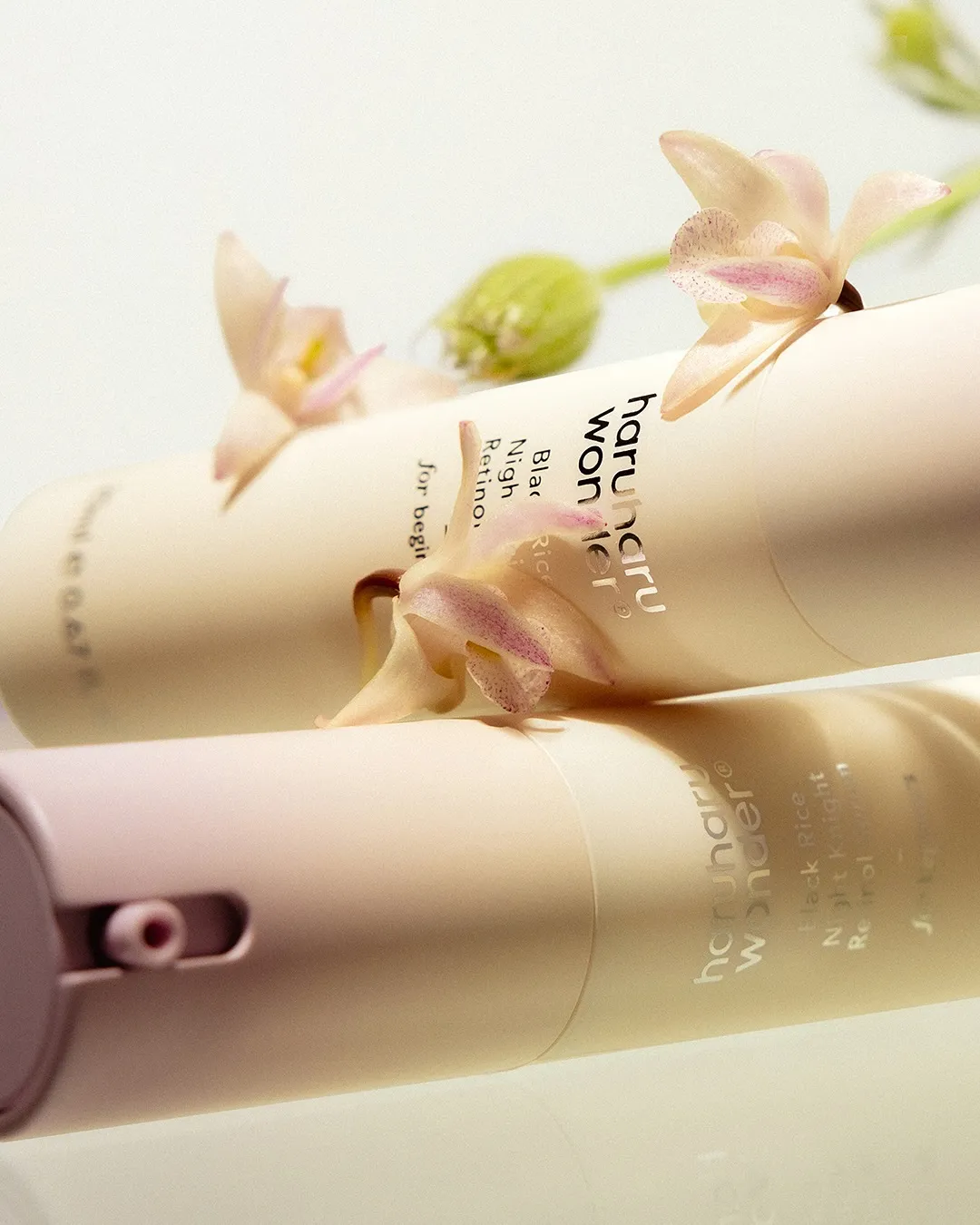 Discover Haru Haru Wonder — The Unstoppable Clean Beauty Line Gentle Enough for Every Skin
 Honey Acres: The Jaw-Dropping Science Behind Honey That Outlived the Pharaohs
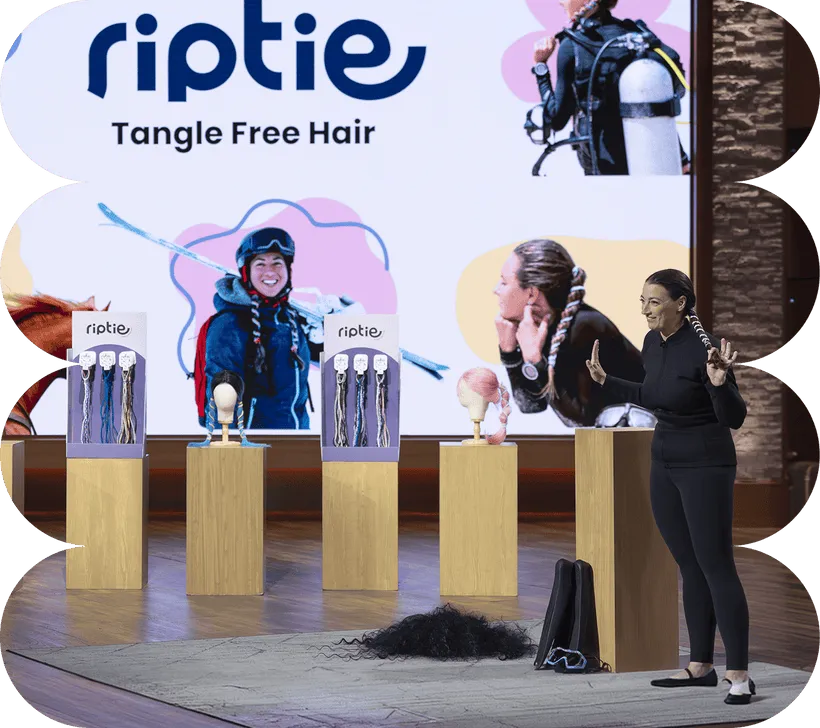 The “Shark Tank” Hair Trend: How to Style Rip Tie for Your Everyday Hustle
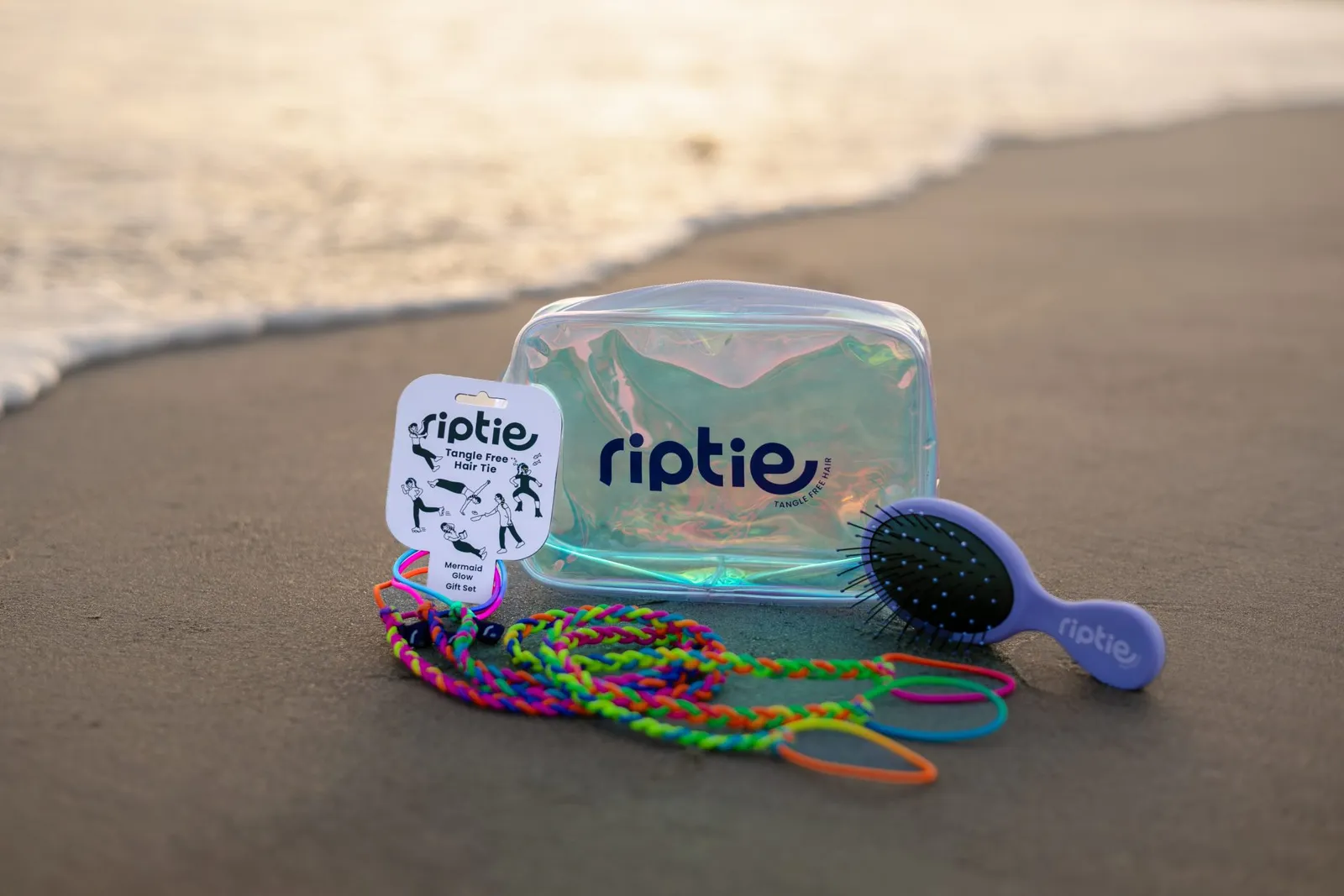 From Waves to Trails: The Ultimate High-Performance Hairstyles with Rip Tie
 Honey Acres: The Ultimate Guide to Kosher Certified, Gluten-Free, and Big 9 Allergen-Free Treats