Myoovi Period Pain Relief Device 2.0 Review: Does This Wearable TENS Work?
The Myoovi Period Pain Relief Device 2.0 pairs TENS with heat for drug-free period cramp relief. Here's how it works, what real users report, and the safety checks to run before you buy.
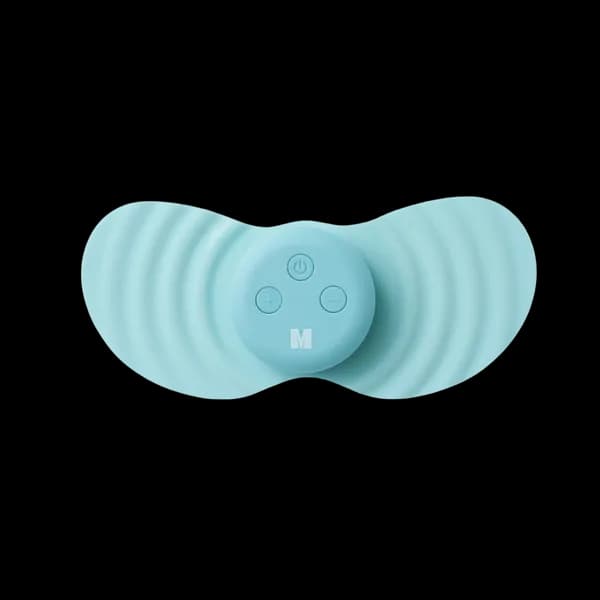
How the Myoovi period pain relief device works
The Myoovi period pain relief device (officially the Myoovi Period Pain Relief Device 2.0) is a wearable TENS unit built to offer a drug-free alternative to painkillers and heating pads for period cramps. This review breaks down exactly how it works, what the specs and real user ratings actually show, and — just as important — who should check with a doctor before trying it.
- Combines TENS (electrical nerve stimulation) with heat therapy in one discreet wearable device
- 30 adjustable intensity levels and 5–10 hours of battery life per USB-C charge (manufacturer specs)
- Rated 4.7 out of 5 from 1,403 verified customer reviews on the official product page (4.7/5, 1,403 reviews)
- Backed by a one-year warranty and a 60-day money-back guarantee (warranty terms)
- Not suitable for everyone — pacemaker users, pregnant users, and people with epilepsy should consult a doctor first
A drug-free, wearable way to take the edge off period cramps — with real limitations
The Myoovi Period Pain Relief Device 2.0 is a wearable TENS-plus-heat unit designed for people who want a non-drug option for period pain they can use at a desk, on a commute, or around the house. It won't work identically for everyone, and it isn't a substitute for medical care — but for many users it's a legitimate first line of defense against cramps.
Check current price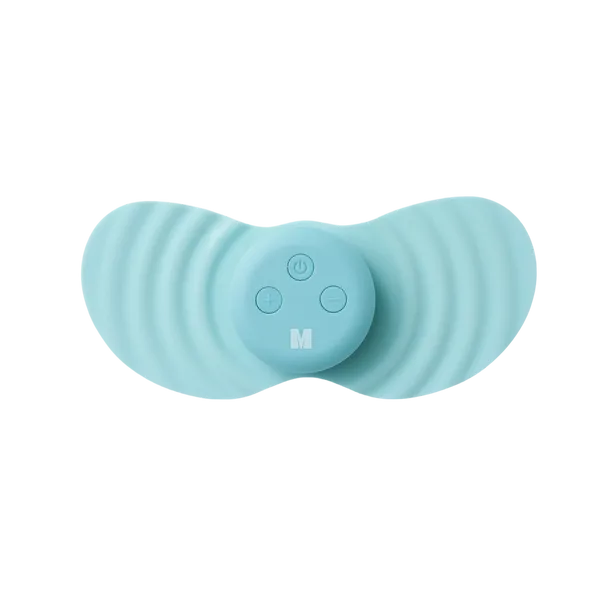
How the Myoovi period pain relief device works
The Myoovi Period Pain Relief Device 2.0 works through Transcutaneous Electrical Nerve Stimulation (TENS), a mechanism grounded in the gate control theory of pain, a neurological model first published by Melzack and Wall in 1965. Electrical pulses activate large-diameter nerve fibers in the spinal cord, which effectively "close the gate" on the smaller pain fibers responsible for carrying cramp signals to the brain (PMC, National Center for Biotechnology Information).
Higher-frequency TENS, in the 50–120 Hz range commonly used for period pain, stimulates these larger fibers most effectively (PMC). Beyond blocking pain signals, TENS may also trigger endorphin release and support local circulation, giving it a multi-pathway approach to relief without medication (PMC). The Myoovi device layers a heat element on top of this electrical stimulation, aiming to relax cramping uterine muscles at the same time the electrical pulses interrupt pain signaling.
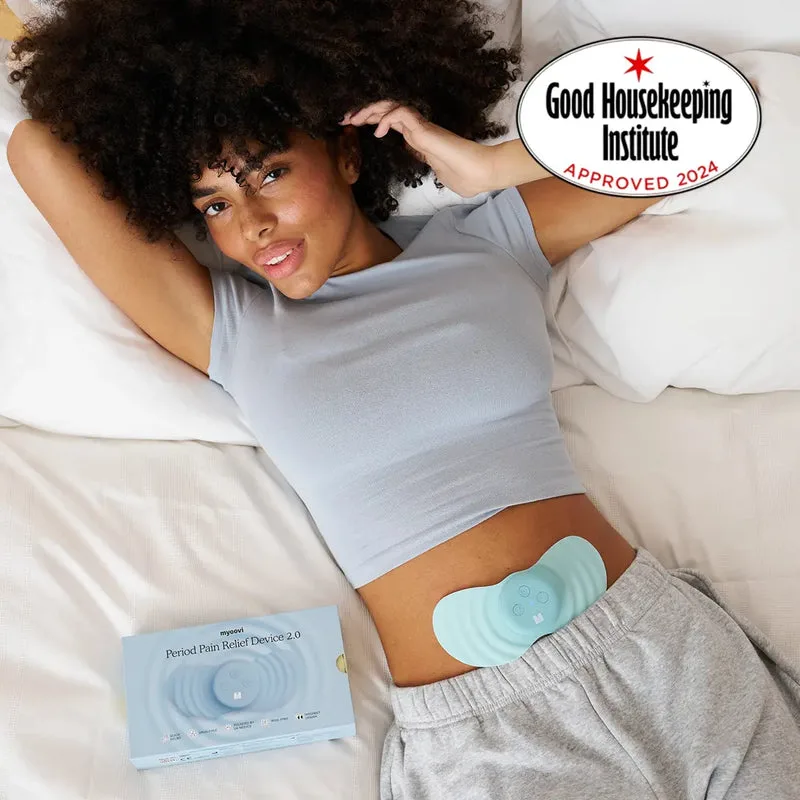
Myoovi Period Pain Relief Device 2.0
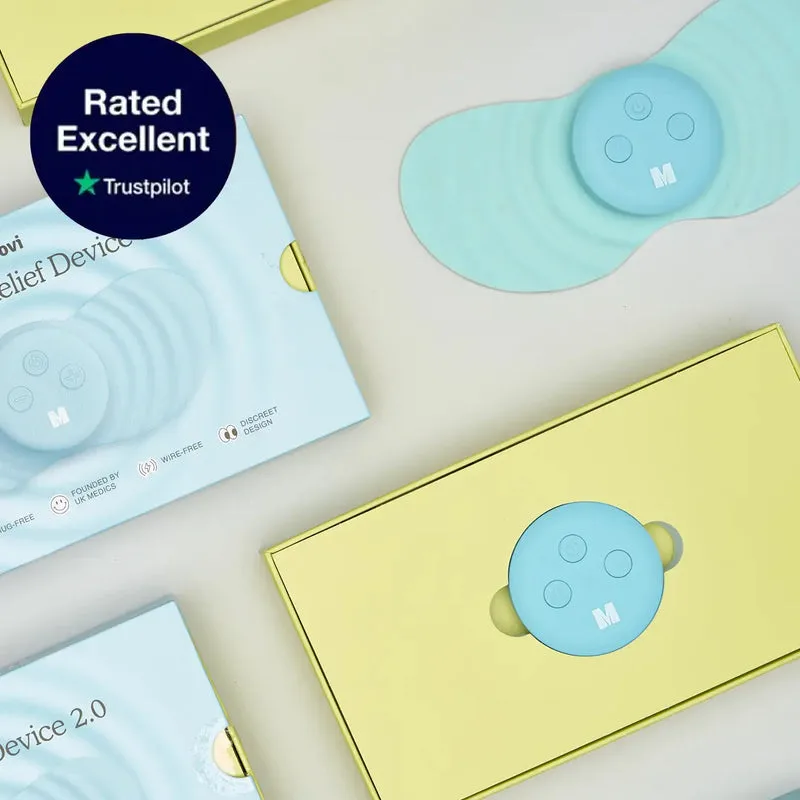
Reusable gel pads, 30 intensity levels, and a slim profile designed to sit flat against the skin.
View product detailsSpecs and design
The current-generation Myoovi Period Pain Relief Device 2.0 pairs its TENS-and-heat function with a compact, wireless build meant to disappear under clothing (manufacturer product page). Here's what's in the box and how the hardware is specced:
Myoovi was founded by UK doctors with backgrounds in menstrual health, and the brand frames its mission around drug-free, science-informed menstrual wellness across the full cycle, not only during pain episodes (Myoovi official homepage). The Myoovi Period Pain Relief Device 2.0 is CE marked, meeting the applicable medical device regulatory standard (brand website). That said, detailed clinical trial data isn't published on the consumer-facing site, so treat brand claims about mechanism as manufacturer positioning rather than independently verified clinical evidence.
How to use the Myoovi device
Getting consistent results from a wearable TENS device comes down to placement, timing, and intensity — not just turning it on.
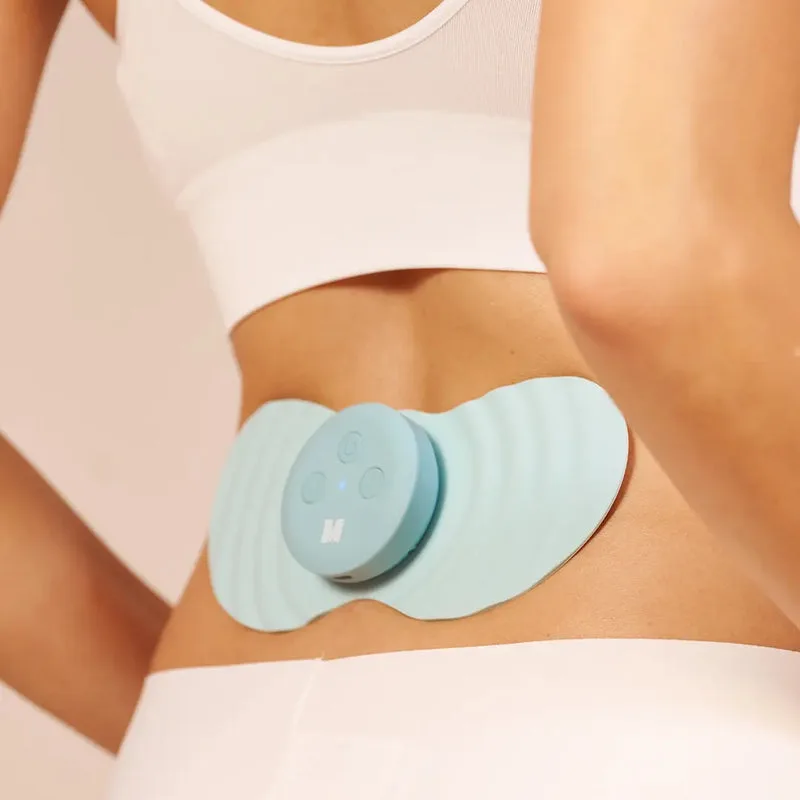
- Attach the gel pads to the device and place it low on the abdomen, over the area where cramps are strongest.
- Start at a low intensity level and increase gradually until you feel a strong but comfortable tingling or pulsing sensation, not pain.
- Wear it as needed throughout the day — the low-profile design is built to sit under clothing at a desk or while moving around.
- Recharge via USB-C between uses; expect roughly 5–10 hours of runtime per charge (manufacturer specs).
- Replace gel pads after about 20–30 uses, when adhesion or sensation noticeably weakens (manufacturer specs).
Customer ratings and real-world results
On the official Myoovi product page, the Period Pain Relief Device 2.0 holds a 4.7 out of 5 rating from 1,403 verified customer reviews. Common themes in that feedback include reports of rapid relief, sometimes described as noticeable "in minutes," the ability to continue daily activities despite a severe baseline pain level, and use for both period cramps and endometriosis-related pain (Myoovi verified reviews). Discreet wearability under clothing comes up repeatedly as a practical advantage for wearing the device at work or in public.
Independent coverage backs up the "it helps, but results vary" pattern. As Dr. Poobashni Govender put it in a Marie Claire UK review of the device:
TENS machines have helped with their cramps, but the degree of effectiveness varies considerably.
In that same real-world test, a reviewer who wore the Myoovi device across three menstrual cycles reported noticeably reduced cramping and lower use of over-the-counter painkillers, but did not have her pain eliminated entirely (Marie Claire UK). That's a realistic bar to set: a TENS device like this is a pain-management tool, not a cure, and for conditions like endometriosis or PCOS it works best as one part of a broader care plan rather than a standalone fix (Marie Claire UK).
Myoovi Period Pain Relief Device 2.0
What We Like
- Drug-free option that can be worn under clothing throughout the day
- 30 intensity levels let users fine-tune the sensation
- Reusable gel pads and a rechargeable USB-C battery keep it practical to run long-term
- 60-day money-back guarantee lowers the risk of trying it (warranty terms)
What to Consider
- Effectiveness varies considerably between users (Marie Claire / Dr. Poobashni Govender)
- Not suitable for people with pacemakers, during pregnancy, or with epilepsy without medical advice (NIH StatPearls)
- Detailed independent clinical trial data on this specific device isn't published
Across the manufacturer's own review base and independent consumer press, the pattern holds: this is a device that meaningfully helps a large share of users manage period pain, without promising to erase it for everyone.
Safety and who should avoid it
TENS therapy has well-documented contraindications, and they apply directly to a device like this one. Anyone with a pacemaker or other electronic implant should avoid TENS unless explicitly cleared by a healthcare provider, since electrical impulses can interfere with device function (NIH StatPearls, NCBI Bookshelf). Pregnancy is a relative contraindication: applying TENS over the gravid uterus or lumbo-pelvic region during pregnancy is generally not advised outside of clinically supervised labour pain management, due to the risk of inducing uterine contractions (NIH StatPearls). Epilepsy is typically listed as a precaution as well, though clinical severity varies by individual (NIH StatPearls).
The Myoovi product page itself states the device is not recommended during pregnancy without a doctor's consultation, echoing the broader medical guidance above. If you fall into any of these groups, or have another underlying condition, talk to your doctor before adding a TENS device like the Myoovi Period Pain Relief Device 2.0 to your routine — this article is not a substitute for personalized medical advice.
Common mistakes to avoid
Placement and timing mistakes
The most common misuse of a period-pain TENS device is starting it too late, after cramps have already peaked, or placing it too high or too low on the abdomen to actually cover the cramping muscles. Starting at the first sign of cramping and adjusting placement slightly until the sensation covers the sore area both make a real difference in how much relief the device delivers.
Intensity and pad-care mistakes
Cranking the intensity to the maximum level immediately can cause discomfort that leads people to abandon the device rather than dial it in. Likewise, reusing gel pads well past the roughly 20–30 use lifespan reduces adhesion and the strength of the electrical signal, which can make the device feel like it "stopped working" when it's really just the pads that need replacing (manufacturer specs).
How it compares to other period pain relief options
A wearable TENS-and-heat device isn't the only way to manage period pain, and it isn't automatically the right fit for every situation. Here's how the general approach compares to the other common options people reach for.
| Approach | How it works | Drug-free | Reusable / ongoing cost | Discreet in public |
|---|---|---|---|---|
| Myoovi Period Pain Relief Device 2.0 | TENS (gate control) + heat (PMC) | Yes | Reusable pads, rechargeable battery | Yes, wears under clothing |
| Traditional heating pad | Heat only, relaxes cramping muscles | Yes | Reusable, needs a power outlet or microwave | Limited, bulkier and often plugged in |
| Over-the-counter NSAIDs | Reduces prostaglandin production systemically | No | Ongoing purchase, not reusable | Yes, but effects take time to kick in |
| Generic single-mode TENS unit | TENS only, no heat element | Yes | Varies by model, pads wear out | Varies, often bulkier wired designs |
For people who specifically want a drug-free, wearable option that combines two mechanisms — electrical stimulation and heat — in one discreet unit, the Myoovi Period Pain Relief Device 2.0 sits in a fairly narrow lane. Heating pads and NSAIDs remain reasonable options on their own, and a simpler single-mode TENS unit may suit someone on a tighter budget, but neither replicates the combined approach this device takes.
How We Chose
This review is based on the manufacturer's published specifications, the brand's stated mission and design rationale, aggregated verified customer ratings from the official product page, and independent medical and consumer sources covering TENS mechanism, safety, and effectiveness. We did not conduct hands-on testing of this device.
What to look for before you buy a period pain TENS device
Intensity range and control
Look for a wide range of adjustable intensity levels so you can dial in relief as cramp severity changes hour to hour — the Myoovi Period Pain Relief Device 2.0 offers 30 levels, which gives more granular control than many basic single-setting units (manufacturer specs).
Battery life and charging
A rechargeable, USB-C-based device avoids the ongoing cost and waste of disposable batteries. Check how many hours of runtime you get per charge relative to how long your cramps typically last in a day.
Pad reusability and ongoing cost
Reusable gel pads that last dozens of uses keep the ongoing cost of a period pain relief device low compared to fully disposable alternatives — confirm how many uses you can expect from a single pair before replacement.
Safety documentation and contraindications
Before buying any TENS device, confirm it lists clear contraindications for pacemakers, pregnancy, and epilepsy, and check whether it carries relevant medical device certification (NIH StatPearls).
Our verdict on the Myoovi Period Pain Relief Device 2.0
The Myoovi Period Pain Relief Device 2.0 is a well-specced, evidence-grounded option for anyone who wants a drug-free, discreet way to take the edge off period cramps. Its TENS-plus-heat mechanism is backed by established pain-science research, its 4.7/5 rating across 1,403 reviews suggests strong real-world satisfaction, and its 60-day money-back guarantee makes it low-risk to try. It's the right pick for people without pacemakers, pregnancy, or epilepsy who want a wearable, rechargeable, non-drug tool for cramp management — it is not the right pick for anyone in those excluded groups without a doctor's sign-off, and it should not replace medical care for severe conditions like endometriosis.
Check current price- Melzack, R. & Wall, P. — Gate control theory foundations, cited in: PMC — Transcutaneous Electrical Nerve Stimulation for Primary Dysmenorrhea, National Center for Biotechnology Information.
- NCBI Bookshelf (StatPearls) — Transcutaneous Electrical Nerve Stimulation, safety and contraindications.
- Marie Claire UK — Myoovi period pain device review, featuring Dr. Poobashni Govender.
- Myoovi official product page and homepage — manufacturer specifications, customer ratings, and warranty terms.
This article is for informational purposes only and is not medical advice. The Myoovi Period Pain Relief Device 2.0 is a TENS-based device with documented contraindications for pacemaker users, pregnant individuals, and people with epilepsy. Consult a qualified healthcare provider before use if any of these apply to you, or if you have a chronic pain condition such as endometriosis. Individual results vary, and TENS therapy is not a substitute for medical diagnosis or treatment. Purisia may earn a commission from purchases made through links in this article; this does not affect our independent evaluation.