Nourished Natural Health: Real Plans, Real Results
Discover practical natural health plans that fit real lives, boosting energy, digestion, sleep, and mood without drastic changes.
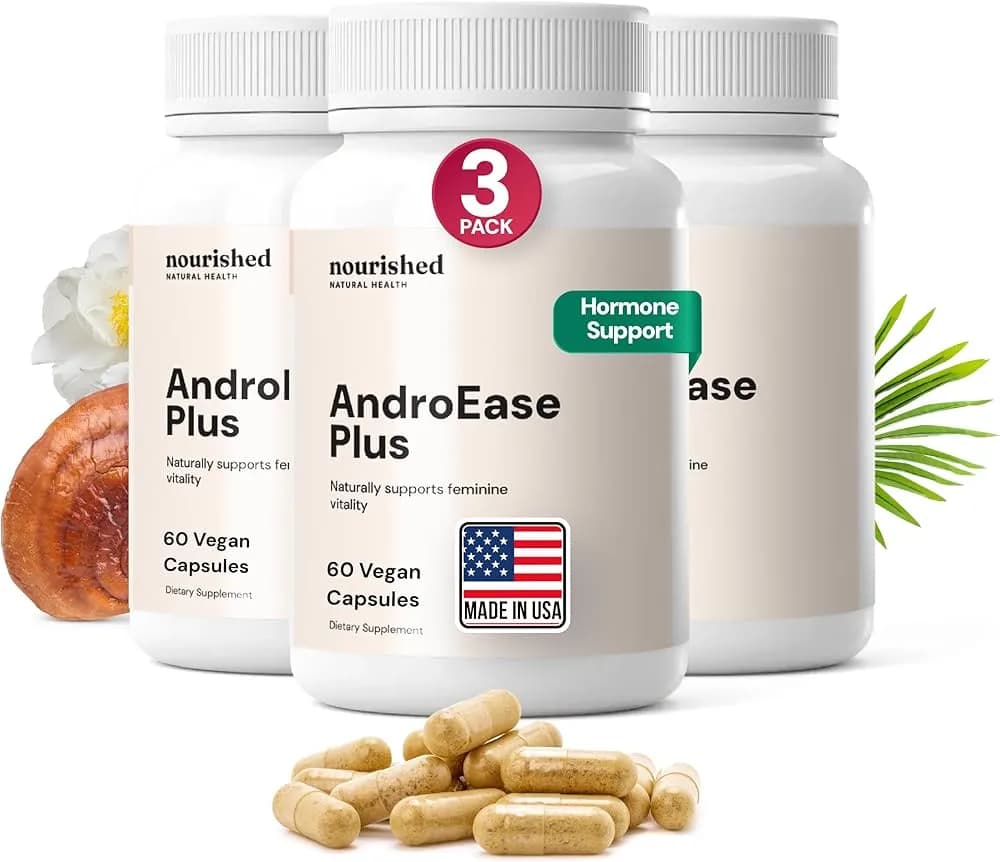
What “Nourished” Actually Means (And What It Doesn’t)
- What “Nourished” Actually Means (And What It Doesn’t)
- Real Plans Start With Real Baselines
- The Nourished Natural Health Framework (Simple, But Not Shallow)
- 1) Food That Stabilizes You (Not Food That Impresses People)
- 2) Blood Sugar Rhythm (Because Energy Is a Result, Not a Personality Trait)
- 3) Digestion Support (Because Absorption Is Part of Nutrition)
- 4) Movement That Matches Your Life (Not Punishment)
- 5) Recovery and Stress Regulation (The Missing Ingredient)
- Where Supplements Fit (And Where They Don’t)
- Real Results: What You Should Expect (And When)
- A Real Plan You Can Start This Week (No Overhaul Required)
- Common Mistakes That Quietly Kill Progress
- So Yeah. Real Plans, Real Results
- FAQs (Frequently Asked Questions)
If you’ve ever attempted to “get healthy” only to find yourself more confused, fatigued, and perhaps a bit frustrated with your efforts, you’re not alone. The internet often portrays wellness as either: Nourished Natural Health.
- A full-time job requiring 37 supplements and a color-coded meal plan, or
- A vague concept that simply advises you to “just listen to your body.” However, my body currently seems to be saying “coffee” and “something crunchy”.
This is not the approach we’re taking.
Instead, we’re focusing on the concept of Nourished Natural Health. This represents a practical method and idea. We aim to provide real plans that you can actually follow without completely overhauling your life, resulting in measurable outcomes rather than just vague feelings of alignment with the universe (though if that’s happening for you, fantastic).
We’re here to discuss what a natural health plan looks like when it’s designed for real humans juggling schedules, stress, cravings, irregular sleep patterns, and perhaps a sore knee they prefer to ignore.
What “Nourished” Actually Means (And What It Doesn’t)
“Nourished” is one of those trendy words that gets thrown around a lot. You can find it on candles, shampoo bottles, and Instagram captions.
However, in a health context, I appreciate this term because it becomes very tangible once we define it clearly.
Being nourished means your body is receiving what it needs to function optimally.
This includes energy for daily activities, resources for repair, balanced hormones, effective digestion, stable mood, restful sleep, sharp focus, robust immunity, and healthy skin.
On the contrary, it does not imply:
- Achieving perfect eating habits.
- Completely eliminating sugar from your diet.
- Relying on “detox” teas that lead to frequent bathroom visits.
- Engaging in punishing workout regimes.
- Imitating someone else’s health journey that worked for their entirely different body and lifestyle.
The idea of being nourished is simpler than we often perceive. Yet it’s also… truthful. You cannot out-supplement a chaotic daily diet. Trust me on this one; I’ve tried and it simply doesn’t work.
Real Plans Start With Real Baselines
Before you change anything, you need a baseline. Otherwise you’re guessing. And guessing is how people end up quitting after 2 weeks because “nothing works for me”.
Here are the baselines I recommend tracking for 7 days. Not forever. One week.
The 7 day baseline checklist
- Sleep: when you go to bed, when you wake up, and how you feel (scale 1 to 10)
- Energy: morning, afternoon, evening (scale 1 to 10)
- Digestion: bloating, constipation, loose stool, reflux, gas (just note it, no judgment)
- Hunger cues: are you getting true hunger, or snacky stress hunger, or both
- Movement: what you actually did (not what you planned)
- Water: roughly how much
- Mood: anxious, calm, irritable, flat, upbeat, etc
This sounds like a lot but it takes maybe 3 minutes a day. And what it does is show you patterns.
Like. Maybe you’re not “lazy”. Maybe you are sleeping 5.5 hours and living on caffeine until 2 pm and your body is basically walking through mud. That’s not a willpower issue. That’s physics.
The Nourished Natural Health Framework (Simple, But Not Shallow)
Most “plans” fail because they focus on one lever. Diet only. Exercise only. Supplements only.
Real results happen when you pull the boring levers consistently.
I think of Nourished Natural Health as five pillars:
- Food that stabilizes you
- Blood sugar rhythm
- Digestion support
- Movement that matches your life
- Recovery and stress regulation
And then, only then, supplements if needed.
Let’s break those down without making it weird.
1) Food That Stabilizes You (Not Food That Impresses People)
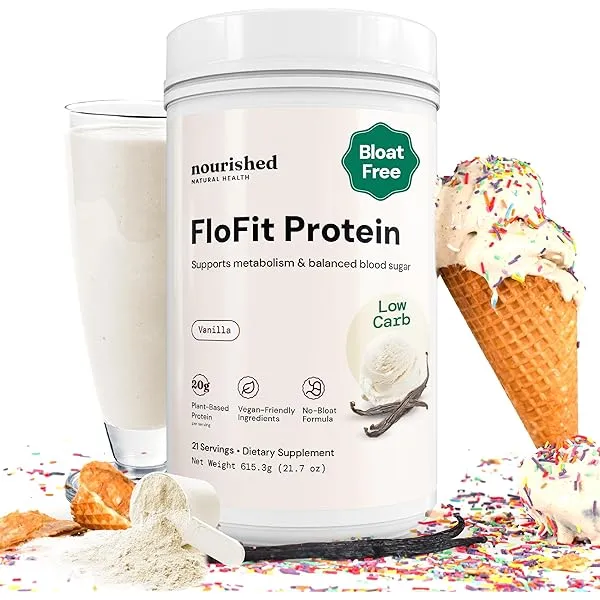
Stabilizing food means your meals leave you feeling:
- satisfied for a few hours
- mentally clear
- not instantly craving something else
- less reactive mood wise
The easiest way to do this is the “plate anchors” approach.
The plate anchors
Aim for these at most meals:
- Protein: eggs, yogurt, chicken, fish, tofu, lentils, tempeh, lean meat, cottage cheese, beans
- Fiber: vegetables, fruit, legumes, oats, seeds
- Healthy fats: olive oil, avocado, nuts, seeds, fatty fish
- Carbs (smart, not scary): rice, potatoes, oats, fruit, whole grains, quinoa, sourdough
A “natural health” plan is not automatically low carb. Sometimes low carb helps. Sometimes it wrecks sleep and mood and makes you snack like a raccoon at midnight.
So. We don’t do ideology. We do feedback.
A real example meal (not a fantasy meal)
Breakfast:
- 2 eggs scrambled
- a piece of sourdough with butter or avocado
- berries or an apple
- coffee, but after you eat (this matters for some people)
Lunch:
- big salad bowl with chicken or chickpeas
- olive oil and lemon dressing
- a side of rice or potatoes if you tend to crash in the afternoon
Dinner:
- salmon or tofu
- roasted vegetables
- quinoa or sweet potato
- something crunchy on top like pumpkin seeds because life is short
That’s it. No moral panic.
2) Blood Sugar Rhythm (Because Energy Is a Result, Not a Personality Trait)
Blood sugar swings are behind a lot of “I’m tired all the time” problems.
It can look like:
- strong cravings, especially mid afternoon or late night
- feeling shaky or irritable if you don’t eat
- energy spikes then crashes
- waking up at 3 am wide awake
- needing sweets after dinner every single night
You don’t need a continuous glucose monitor to work on this. You just need structure.
The simplest blood sugar plan
- Eat protein at breakfast
- Aim for 3 meals (and a planned snack only if needed)
- Build meals with protein + fiber + fat
- Try a 10 minute walk after one meal (not every meal, just one)
That last one is underrated. It’s almost annoying how effective it is. You walk. Digestion improves. Glucose response improves. You feel calmer. Like your body goes “oh okay, we’re not being chased, got it”.
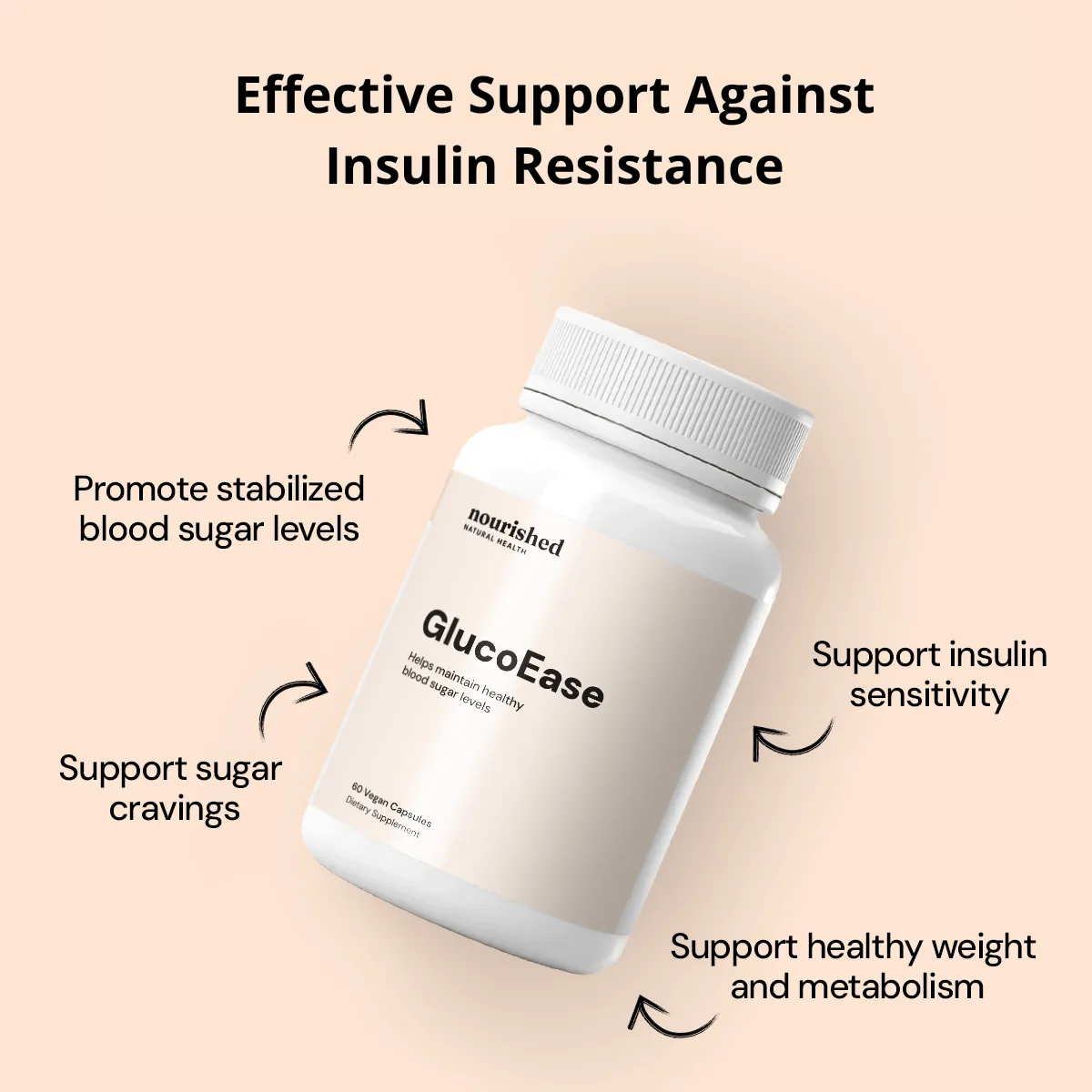
3) Digestion Support (Because Absorption Is Part of Nutrition)
You can eat the world’s cleanest diet and still feel awful if your digestion is off.
Common signs something is off:
- bloating after most meals
- irregular bowel movements
- reflux
- lots of gas
- feeling heavy and tired after eating
- skin issues that flare with food
Now, this is where people jump straight to cutting foods. Dairy. Gluten. Nightshades. Joy.
Sometimes elimination is needed, but I prefer starting with support first.
Gentle digestion support that often helps
- Chew more than you think you need to. Seriously.
- Don’t eat standing up in a panic. I know, I know.
- Add a bitter element before meals if you tolerate it (arugula, lemon, a bit of apple cider vinegar in water, not if it worsens reflux)
- Include fermented foods a few times a week (yogurt, kefir, kimchi, sauerkraut)
- Hit fiber slowly if you’re currently low fiber. Don’t go from 10g a day to 35g overnight unless you want chaos.
If you have severe symptoms, blood in stool, unexplained weight loss, persistent vomiting, intense pain. That’s medical. Get checked. Natural health should be smart, not stubborn.
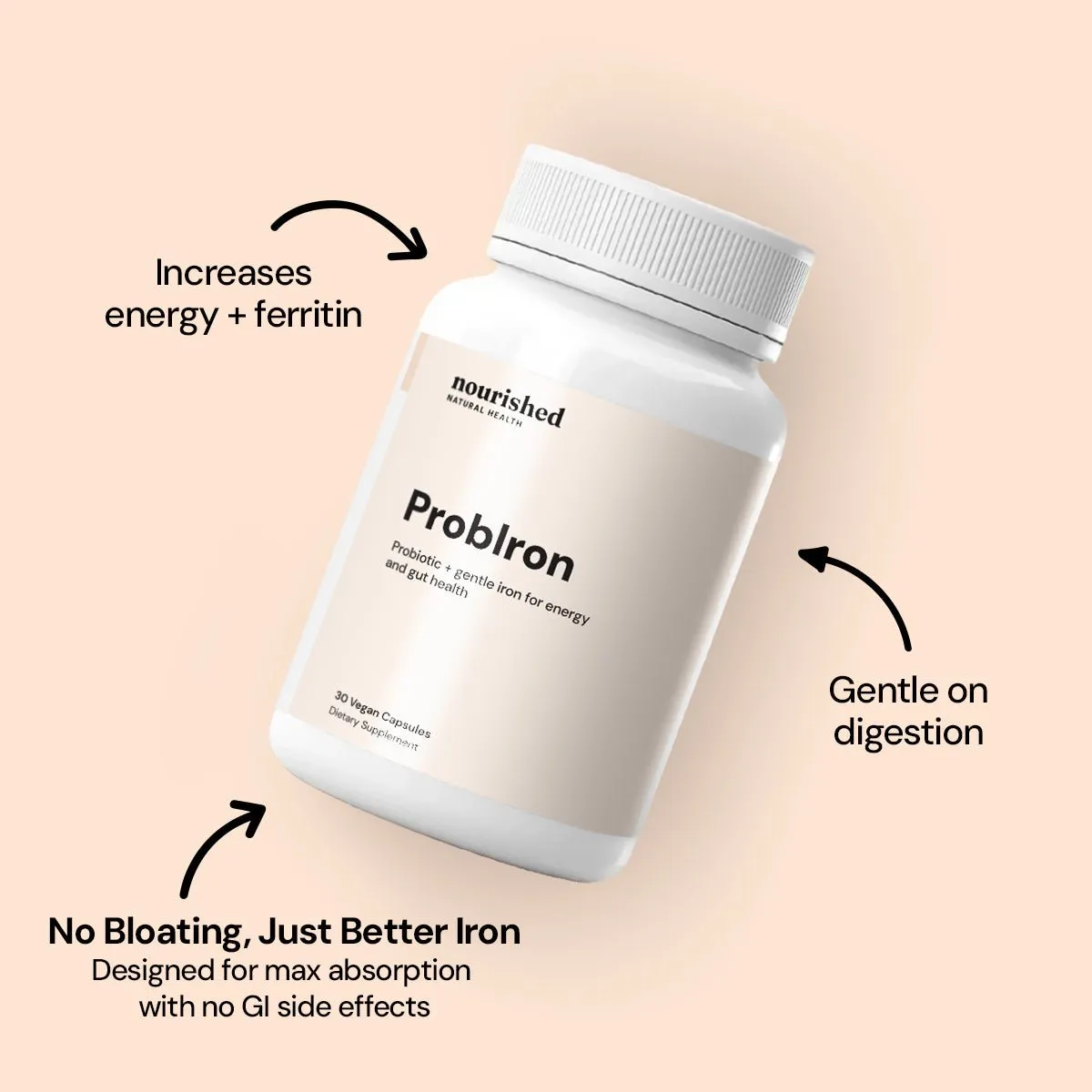
4) Movement That Matches Your Life (Not Punishment)
If your movement plan requires a perfect schedule, it’s going to fail. Not because you’re broken. Because the plan is.
Movement should:
- help your joints feel better
- improve mood
- support metabolism
- build strength
- reduce stress
- be repeatable
You do not need to annihilate yourself in the gym.
A realistic weekly movement template
- 2 strength sessions (30 to 45 minutes)
- 2 longer walks (30 to 60 minutes)
- 1 mobility session (10 to 20 minutes)
- Optional: one fun thing (dance class, hike, cycling, anything)
If you’re starting from zero, do less. Start with 10 minutes a day. The plan that happens is the plan that works.
Also. Strength training is not just for aesthetics. It is one of the most “natural health” things you can do because it improves insulin sensitivity, bone density, posture, resilience. It’s like a savings account for your future body.
5) Recovery and Stress Regulation (The Missing Ingredient)
Most people try to fix fatigue with more productivity. More caffeine. More forcing.
But if your nervous system is stuck in stressed mode, your body is not going to cooperate. It just won’t.
Recovery doesn’t have to be expensive spa stuff. It’s small daily signals of safety.
Simple recovery signals
- Morning light in your eyes for 5 to 10 minutes
- A wind down routine that is not “scroll until you pass out”
- Magnesium glycinate if tolerated (check with your clinician if you have medical conditions or take medications)
- Breath work: 4 seconds in, 6 seconds out, for 2 minutes
- A hard stop on work, even if you don’t finish everything
Not dramatic. Just consistent.
Where Supplements Fit (And Where They Don’t)
Supplements can help. But they are not the foundation.
If your plan is:
- sleep 5 hours
- eat random meals
- stress all day
- then take 9 supplements
That’s not a plan. That’s hoping.
A better approach is:
- Fix the basics for 2 to 4 weeks
- See what improves
- Then fill gaps
Some commonly useful categories, depending on the person:
- vitamin D (especially if you’re low, confirmed by labs)
- omega 3s (if you rarely eat fatty fish)
- magnesium (for sleep, muscle tension, stress)
- creatine (strength, cognition, energy, generally well studied)
- probiotics, but only if they suit your symptoms and you’re not reacting
But again, personalized is best here. Especially if you’re pregnant, nursing, have thyroid issues, autoimmune conditions, gut disorders, or take medications.
Real Results: What You Should Expect (And When)
This part matters because expectations can either keep you consistent or make you quit early.
Here’s a realistic timeline when you apply a Nourished Natural Health plan with consistency.
Week 1
- You notice patterns
- You may feel slightly better, or slightly worse if you change too much too fast
- Digestion may shift
- Cravings might flare as your body adjusts
Weeks 2 to 4
- More stable energy
- Better sleep onset
- Less “hangry” moments
- Digestion starts to normalize
- You feel more in control around food
Weeks 4 to 8
- Body composition changes start showing (if that’s a goal)
- Strength improves
- Mood improves
- You stop thinking about the plan all day because it becomes normal
And yes, sometimes you need longer. Especially for hormonal issues, gut healing, or chronic stress burnout. But you should still feel some wins early. If nothing improves at all, something is missing. Usually protein, sleep, or an underlying issue that needs professional support.
A Real Plan You Can Start This Week (No Overhaul Required)
Here’s a simple 7 day starter plan. It’s not a cleanse. It’s not extreme. It’s just structure.
The 7 day Nourished plan
Daily non negotiables:
- Eat protein at breakfast (20 to 35g if possible)
- Build two meals using the plate anchors
- Walk 10 minutes after one meal
- Drink two full bottles of water (or equivalent)
- Get in bed 30 minutes earlier than usual
- Write down: energy, digestion, sleep quality (1 to 10)
That’s it. If you do this for a week, you will have data. And you’ll probably have at least one obvious improvement.
Then you adjust.
- If you’re still crashing at 3 pm, add carbs at lunch and stop skipping meals.
- If you’re bloated, slow down eating and reduce ultra processed snacks for a week.
- If sleep is still trash, stop caffeine after 12 pm and add a wind down routine.
You don’t need a brand new identity. You need a plan that fits Tuesday.
Common Mistakes That Quietly Kill Progress
I want to list these because they are sneaky.
1) Doing too much at once
A new diet, new workout program, new supplements, and waking up at 5 am. That’s not discipline. That’s a short lived experiment.
2) Eating “healthy” but not eating enough
Undereating can look like “clean” food, but the results are bad.
- cravings
- poor sleep
- low libido
- cold hands and feet
- irritability
- plateau
3) Expecting perfection
Natural health works best when it’s boring and repeatable. Not perfect.
4) Ignoring stress
If your life is currently a fire, your plan needs to reflect that. More recovery, more simple meals, more walks. Not a 6 day training split.
So Yeah. Real Plans, Real Results
Nourished Natural Health is not a magic protocol. It’s not a one size fits all detox. It’s not even that glamorous, honestly.
It’s the basics, done consistently, with enough flexibility to handle real life.
Food that stabilizes you. Blood sugar rhythm. Digestion support. Movement that builds you up. Recovery that signals safety.
Then you track. You adjust. You keep it human.
If you want a clean next step, do the 7 day plan above. Don’t overthink it. Just collect your baseline and give your body a week of steady inputs.
And see what happens.
Because real results tend to show up when the plan is actually real.
FAQs (Frequently Asked Questions)

What does ‘Nourished’ mean in the context of natural health?
Being nourished means your body is receiving what it needs to function optimally, including energy for daily activities, resources for repair, balanced hormones, effective digestion, stable mood, restful sleep, sharp focus, robust immunity, and healthy skin. It does not mean perfect eating habits or punishing workout regimes.
Why is tracking a baseline important before starting a health plan?
Tracking a baseline for 7 days helps you understand your current patterns in sleep, energy, digestion, hunger cues, movement, water intake, and mood. This data prevents guessing and helps tailor a realistic plan that fits your lifestyle and needs.
What are the five pillars of the Nourished Natural Health framework?
The five pillars are: 1) Food that stabilizes you; 2) Blood sugar rhythm; 3) Digestion support; 4) Movement that matches your life; and 5) Recovery and stress regulation. Supplements come only after these are addressed.
What is meant by ‘Food That Stabilizes You’ in this approach?
Stabilizing food leaves you feeling satisfied for hours, mentally clear, less reactive mood-wise, and not craving more food immediately. It involves balanced meals with protein, fiber, healthy fats, and smart carbohydrates rather than focusing on impressing others or following strict diets.
Can I follow a natural health plan without completely overhauling my life?
Yes! The Nourished Natural Health approach emphasizes practical plans designed for real humans juggling busy schedules and stress. It focuses on measurable outcomes through consistent small changes rather than drastic life overhauls or vague advice.
Why shouldn’t I rely solely on supplements or detox teas to get healthy?
Supplements cannot out-supplement a chaotic diet and detox teas often lead to frequent bathroom visits without addressing root causes. Real health improvements come from balanced nutrition, lifestyle adjustments, and supporting your body’s natural functions consistently.
Read now: purisia.com
Recommended for you
 Haru Haru Wonder vs. Cosrx: Which Unstoppable K-Beauty Brand Is Right for Your Skin?
 Discover Haru Haru Wonder — The Unstoppable Clean Beauty Line Gentle Enough for Every Skin
 Honey Acres: The Jaw-Dropping Science Behind Honey That Outlived the Pharaohs
 The “Shark Tank” Hair Trend: How to Style Rip Tie for Your Everyday Hustle
 From Waves to Trails: The Ultimate High-Performance Hairstyles with Rip Tie
 Honey Acres: The Ultimate Guide to Kosher Certified, Gluten-Free, and Big 9 Allergen-Free Treats