How What You Wear Affects Your Mood and Confidence
Discover how comfortable clothing boosts mood and confidence with practical tips for sensory-friendly, stress-free outfits.
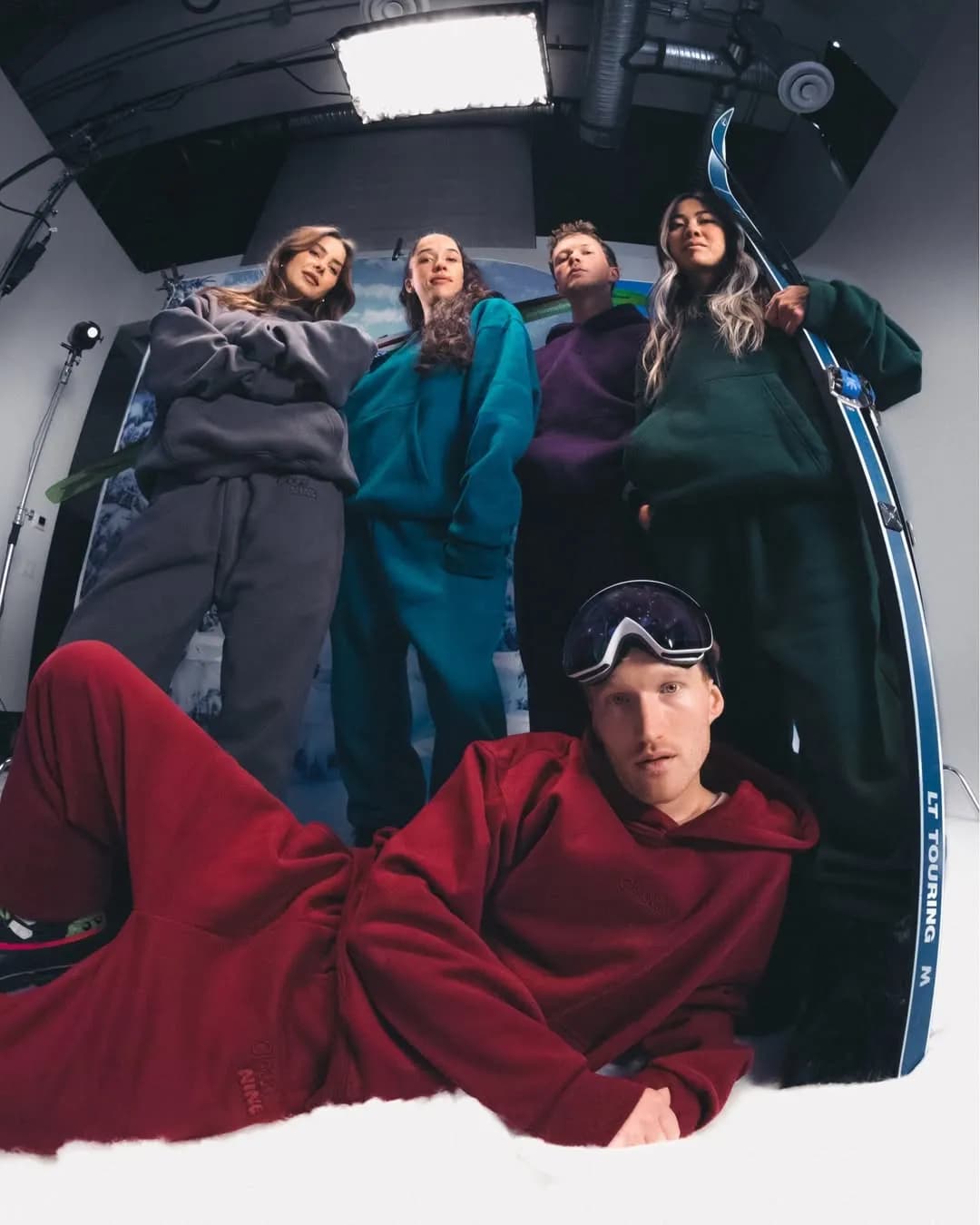
Why your clothes can change your mood (even when you don’t notice it)
- Why your clothes can change your mood (even when you don’t notice it)
- The science-ish reasons clothing affects emotions and confidence
- Comfort is confidence: the underrated role of sensory-friendly clothing
- Fabric matters more than logos: what to look for (and what to avoid)
- Layering without meltdowns: warmth + sensory comfort in winter
- Where Cloud Nine Clothing fits in: a practical, comfort-first example
- Review Cloud Nine Clothing: hoodie/sweatshirt/sweater comfort checklist (what to assess)
- Cloud Nine hoodie vs Cloud 9 sweatshirt vs Cloud 9 sweater: which one supports confidence best?
- Weighted hoodies and deep-pressure feedback: when extra pressure helps (and when it doesn’t)
- Style still matters: how to look good without sacrificing comfort
- Parents’ guide: choosing winter clothes for sensory-sensitive and neurodivergent kids
- Real-life outfit formulas that boost mood (without overthinking it)
- The bottom line: dress for the version of you (or your kid) you want to feel like
Most people think of clothes as “style” first, but they also play a crucial role in building confidence.
But day to day, clothes are also inputs—texture on your skin, pressure around your waist, heat trapped under layers, the way sleeves bunch when you move, the way a collar touches your neck.
And those inputs quietly shape how you feel.
That’s why you can put on one outfit and feel calm, capable, and social… and put on another and feel distracted, irritated, or oddly self-conscious all day—even if nothing else changed.
This article is about the practical side of that.
Not “dress like a celebrity” advice. Real-life advice you can use when you’re shopping or getting dressed—especially in winter, when layering can either make life easier or create constant low-grade discomfort.
Along the way, I’ll also use Cloud Nine Clothing / Cloud Nine Apparel pieces (like a Cloud Nine hoodie / cloud 9 hoodie, cloud 9 sweatshirt, or cloud 9 sweater) as a simple, real-world example of what to assess in comfort-first clothing.
Why your clothes can change your mood (even when you don’t notice it)
Here’s the core idea:
What you wear affects your mood, confidence, focus, and stress levels through comfort, sensory input, and self-perception.
Sometimes it’s obvious—like itchy wool or a waistband that digs in.
But more often it’s subtle: a tag that scratches just enough to keep you fidgeting, socks that twist in your shoes, a hoodie that makes you overheat in the car, or a stiff fabric that makes you move differently. Individually those sound small. Together they add up.
The “feedback loop” most people miss
Clothing creates a loop that looks like this:
- Discomfort → irritability or self-consciousness → lower confidence
- Comfort → ease → more relaxed, social, and active behavior
When you’re uncomfortable, you adjust your clothes more. You become more aware of your body. You might avoid raising your hand, sitting in certain positions, or joining a social moment because you feel “off.”
When you’re comfortable, you stop monitoring yourself. You’re freer to focus on the actual day.
That’s why “confidence” often isn’t a hype speech. It’s the absence of distractions.
What you’ll get from this article
By the end, you’ll have:
- A practical way to choose fabrics, fits, and layers that support calm and confidence
- A comfort checklist you can use on any brand (including Cloud Nine Clothing)
- Tips for sensory-sensitive kids and neurodivergent kids (autism, ADHD, SPD), where clothing can genuinely make or break the day
The science-ish reasons clothing affects emotions and confidence
You don’t need a lab to prove this. You’ve felt it: certain clothes make you feel “ready,” and others make you feel like you want to crawl out of your skin.
But there are a few clear mechanisms behind it.
1) Touch + skin signals (texture, seams, tags, pressure)
Your skin is constantly sending your brain information.
- Soft, smooth textures tend to reduce friction and help the body stay neutral.
- Scratchy textures, bulky seams, poking tags, or inconsistent pressure can raise stress and keep the nervous system alert.
For people with sensory processing differences, this can be amplified. A “minor annoyance” for one person can feel like a constant alarm for another.
2) Temperature regulation (hot/cold swings affect patience and focus)
Being too hot or too cold changes mood fast.
- Too cold: tense body, less willingness to engage, lower patience
- Too hot: irritability, distraction, fatigue, “I can’t think” feelings
Winter clothing is a common culprit because it’s easy to over-layer (especially for kids who go from outside play → warm classroom → car → store).
3) Fit and movement (restriction = irritability)
If clothing restricts movement, your body compensates all day.
- Tight waistbands and cuffs can increase irritability
- Stiff fabrics can make your posture and gait feel unnatural
- Constant “pulling down” a shirt or “pulling up” leggings is mental noise
For kids, this becomes daily friction. For parents, it becomes morning battles.
That’s why easy pull-on winter clothes for kids often aren’t just “convenient”—they reduce stress for everyone.
4) Identity and self-image (outfits as “armor” or “spotlight”)
Clothes also change how you interpret yourself.
A comfortable outfit can feel like armor: protected, grounded, capable.
An uncomfortable or overly “exposed” outfit can feel like a spotlight: hyper-aware, self-monitoring, less free to act naturally.
This is where confidence often comes from:
“I feel good” becomes “I act confident.”
Not because you suddenly became a different person—but because your body stopped sending you distress signals.
Comfort is confidence: the underrated role of sensory-friendly clothing
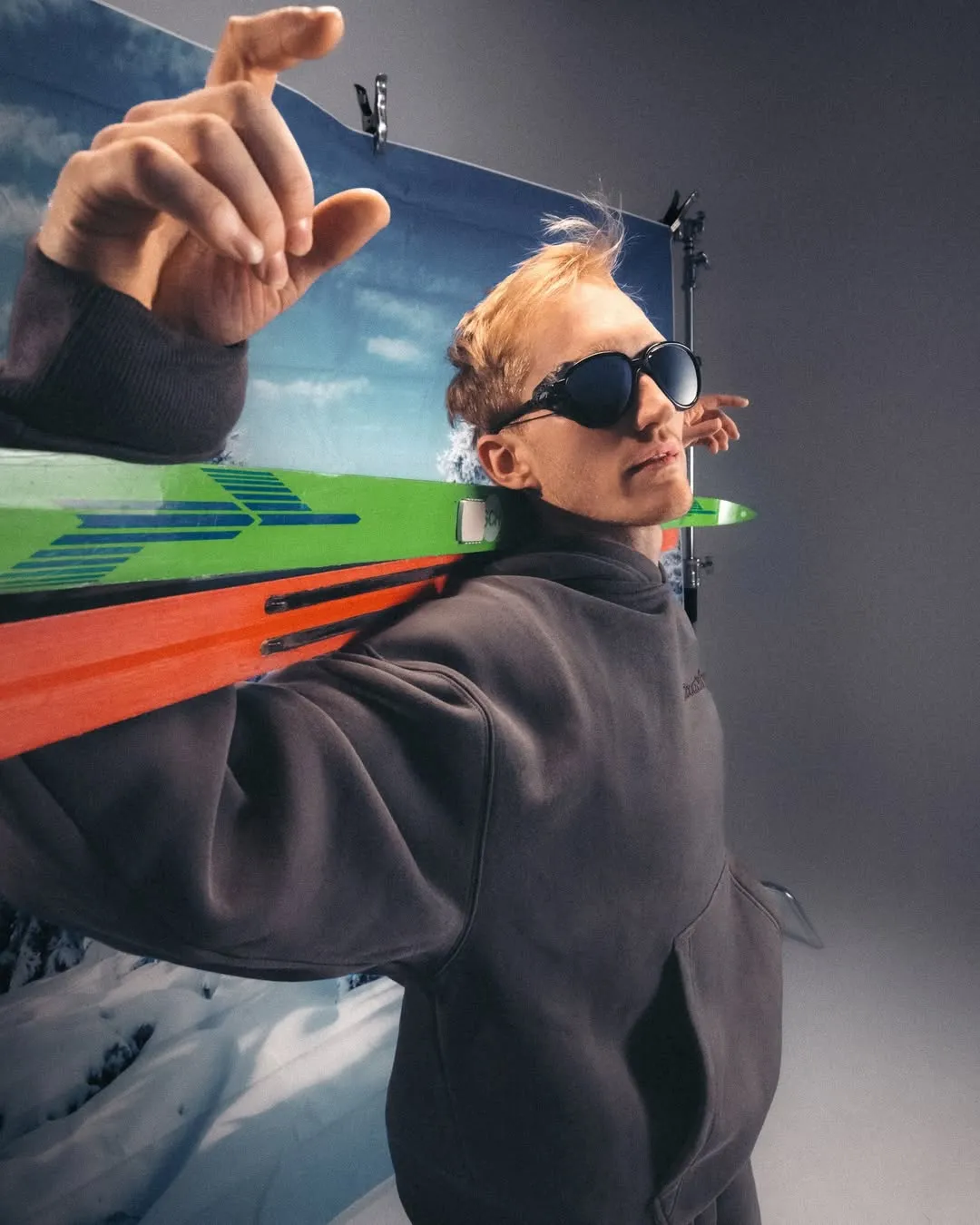
“Sensory-friendly” can sound like a niche term, but the actual features are simple—and most people benefit from them.
What “sensory-friendly” usually means
Typically, sensory-friendly clothing focuses on:
- Soft, breathable fabrics
- Minimal seams (or flatter seam placement)
- Tagless clothing interior (printed labels instead of scratchy tags)
- Non-scratchy collars/cuffs
- Gentle, consistent pressure (no sudden tight spots)
Why sensory comfort matters for everyone (not just sensory-sensitive kids)
Even if you don’t identify as sensory-sensitive, your body still reacts to:
- friction
- itching
- bunching
- overheating
- restriction
The difference is how loud the signal is.
For sensory-sensitive kids and neurodivergent kids (autism, ADHD, SPD), the signal can dominate their attention. That can show up as:
- refusal to get dressed
- meltdowns that “seem random”
- irritability that disappears after changing clothes
- constant fidgeting or pulling at fabric
Common clothing triggers to watch for
If you’re trying to reduce daily friction, these are common offenders:
- tags (especially side-seam tags)
- rough fleece or rough inner brushing
- tight necklines
- bulky seams (especially at shoulders and waistband)
- itchy wool
- stiff denim
- synthetic cling (static + sweaty feel)
Where occupational therapists often focus
OTs often try to reduce the “sensory load” kids carry into the day.
Because when clothing is already taking up bandwidth, there’s less left for:
- school focus
- social situations
- transitions (home → car → school)
- emotional regulation
In other words: clothing can be a hidden drain. Fixing it can make everything else easier.
Fabric matters more than logos: what to look for (and what to avoid)
Brand names don’t touch your skin.
Fabric does.
Here’s a practical breakdown of common fabrics and how they often feel—especially for comfort, temperature regulation, and sensory needs.
Bamboo fabric (often very soft, often breathable)
- Usually smooth and soft on skin
- Often good for temperature regulation
- Can feel “cool” and comfortable for base layers
What to watch: quality varies; some bamboo blends can pill if not well-made.
Modal fabric (soft, drapey, low-friction)
- Very soft feel
- Drapes nicely (less stiff resistance)
- Often great for people who hate “scratchy” or “stiff” textures
Cotton and cotton blends (classic for a reason)
- Cotton is usually breathable and comfortable
- Cotton blends can add durability and stretch
A good cotton blend often hits the sweet spot: soft + washable + reliable.
Fleece (warm, but not always sensory-friendly)
Fleece is tricky because there are different kinds.
- Some fleece interiors feel plush and cozy
- Others feel rough, trap heat, or build static
If someone overheats easily, fleece-heavy layers can turn into irritability fast.
Synthetic blends (polyester/spandex): great when done right
Polyester and spandex can be amazing for:
- stretch
- durability
- shape retention
But they can also feel:
- “plasticky”
- clingy (especially with static)
- hot (if breathability is poor)
A lot comes down to the exact knit, finish, and blend ratio.
Wool: warm benefits vs itch factor
Wool wins on warmth.
But for many sensory-sensitive kids (and adults), wool is a non-starter because:
- it can itch
- it can feel “prickly” at collars and cuffs
- it can be too much sensory input all day
If you want the warmth without the itch, many people do better with soft base layers plus a non-itch mid layer.
Practical comfort checklist (use this anywhere)
When you’re evaluating any hoodie/sweatshirt/sweater, run through:
- Softness: does it feel good immediately, or do you need to “get used to it”?
- Breathability: does it trap heat?
- Stretch: can you move without resistance?
- Seams: are they bulky or placed in high-friction spots?
- Tags: tagless or scratchy tag?
- Durability: will it pill/shrink/warp and become “unreliable”?
- Static: does it cling?
- Odor retention: does it hold sweat smells?
Tie it back to mood and confidence:
Less itching/sweating/adjusting = calmer presence and more natural confidence.
Layering without meltdowns: warmth + sensory comfort in winter
Winter is where good intentions go wrong.
You want warmth, so you pile on layers. Then you end up with bunching, pressure points, overheating, and a kid who’s already done before you leave the house.
Here’s a simple system that works.
A simple layering system
- Base layer (soft): closest to skin, low-friction, breathable
- Mid layer (warmth): hoodie, sweatshirt, or light fleece
- Outer layer (wind/rain): shell or coat that blocks weather
If the base layer feels wrong, nothing on top will fix it.
How to layer for warmth and sensory comfort
- Avoid bulky seams stacked on seams (especially shoulders and waist)
- Choose soft collars and gentle cuffs
- Keep compression consistent (don’t mix very tight base with very loose outer if it causes bunching)
- Minimize fabric bunching at wrists, neck, and waistband
Avoid overheating (it looks like “bad behavior”)
Overheating signs (especially in kids) often look like:
- flushed cheeks
- sweating under layers
- sudden irritability
- “I hate this” or refusing to keep clothes on
Fix: breathable layers + the ability to remove one layer quickly.
Easy pull-on winter clothes for kids reduce daily stress
Fewer steps = fewer battles.
If getting dressed takes 10 minutes of tugging and negotiating, that’s 10 minutes of stress before the day even starts.
Look for:
- pull-on pants
- stretchy cuffs that don’t pinch
- hoodies/sweatshirts that don’t require fussing
Sensory winter kit essentials (simple list)
- soft base tops
- comfy hoodie or sweatshirt
- warm pants that move easily
- socks that don’t pinch or twist
- gloves without scratchy liners
- a breathable outer shell for wind/wet days
Where Cloud Nine Clothing fits in: a practical, comfort-first example
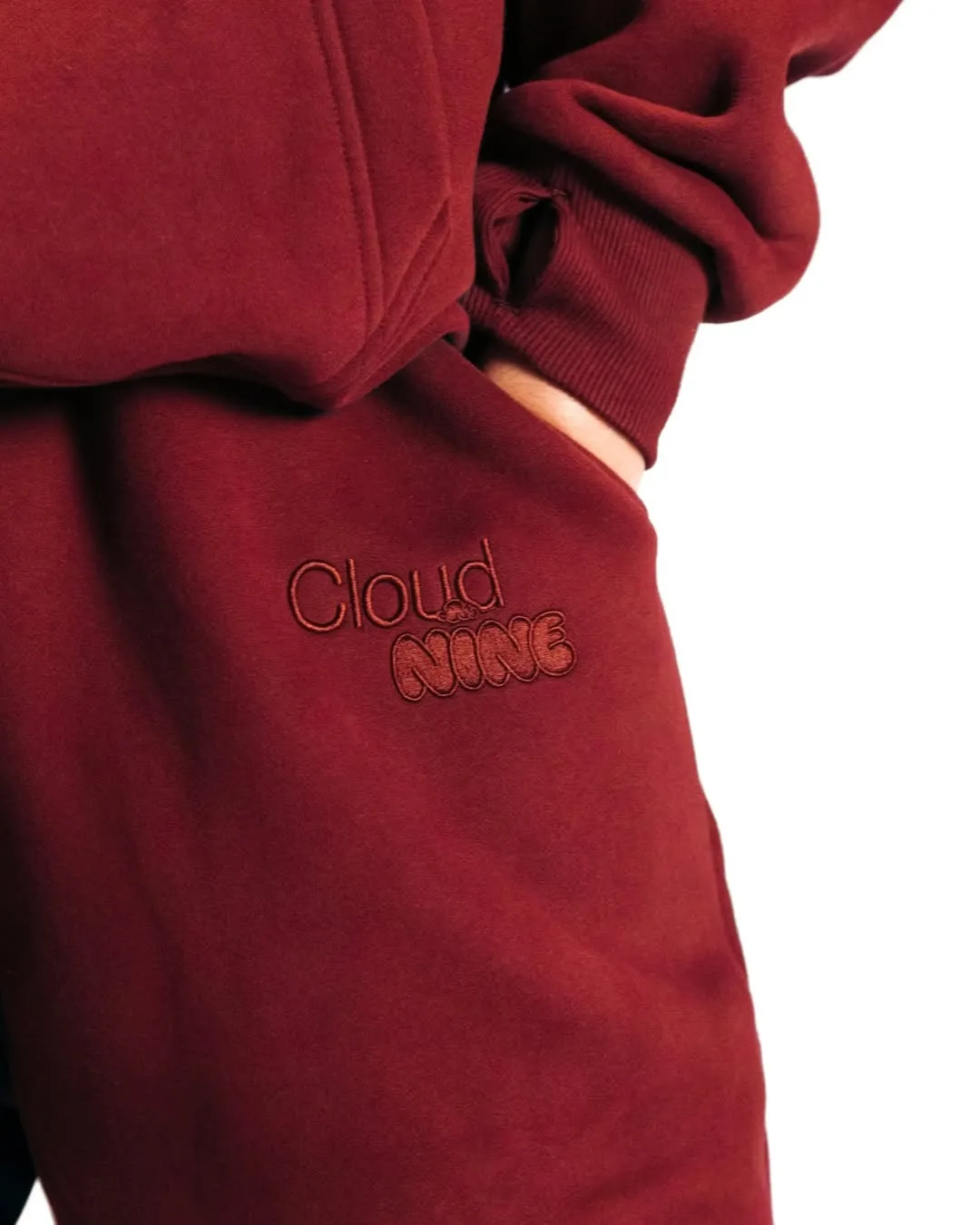
When people search for comfort-first basics, they often search terms like:
- Cloud Nine Clothing
- Cloud Nine Apparel
- cloud nine hoodie / cloud 9 hoodie
- cloud 9 sweatshirt
- cloud 9 sweater
This section isn’t here to tell you “buy this because marketing says so.”
It’s here to give you a framework to evaluate comfort-focused hoodies/sweatshirts/sweaters—using Cloud Nine as a practical example of the category.
What we’ll assess:
- fabric feel (soft vs rough)
- inside finish and details (tags, seams)
- warmth vs breathability
- sensory-friendly features (drawstrings, ribbing, zippers)
- durability and care (because unpredictable clothes create morning stress)
Review Cloud Nine Clothing: hoodie/sweatshirt/sweater comfort checklist (what to assess)
Whether you’re looking at a Cloud Nine hoodie or any similar comfort-first piece, here’s what actually matters.
1) Fabric feel: soft and breathable, or rough and “hot”?
Start with the first contact test:
- Does it feel soft immediately?
- Does it feel like it will breathe, or like it will trap heat?
Pay attention to the fabric type:
- Cotton blends often feel comfortable and breathable
- Fleece interiors can be cozy, but vary a lot
- Synthetic-heavy blends can be durable, but sometimes feel slick or overheated
2) Inside details: tags, seams, and irritation points
Flip it inside out.
Look for:
- tagless clothing interior (printed label is usually better)
- seam placement that doesn’t rub (especially side seams and shoulder seams)
- collars and cuffs that don’t feel scratchy or tight
Small detail, big mood impact: if a neckline bothers someone, they’ll carry that discomfort all day.
3) Warmth vs breathability: does it balance temperature regulation?
The best winter layers keep you warm without turning you sweaty.
Ask:
- Will this work indoors and outdoors?
- Can it be a mid layer under a coat without overheating?
If a hoodie feels great for five minutes and then you start sweating, it will often become an “I hate wearing this” item—especially for kids.
4) Sensory-friendly features to look for
These are comfort multipliers:
- smooth zippers (if it’s a zip-up)
- no scratchy drawstrings (or removable/soft ones)
- gentle ribbing (tight ribbing can feel like a trap)
- low-bulk hems that don’t bunch under coats
5) Durability and care (unreliable clothes create stress)
A piece that shrinks, pills, or twists after two washes becomes a new source of friction.
Check:
- wash instructions (do you realistically follow them?)
- shrink risk
- pilling risk
- static build-up
This matters because “my favorite hoodie doesn’t feel right anymore” can be a real trigger—especially for sensory-sensitive kids who depend on predictable comfort.
Cloud Nine hoodie vs Cloud 9 sweatshirt vs Cloud 9 sweater: which one supports confidence best?
These three categories usually feel different—physically and emotionally.
Hoodie: casual comfort + a “security” feel
A hoodie often supports confidence because:
- it feels cozy and protective
- the hood can create a sense of enclosure (helpful for some people)
- it’s socially “normal” in a lot of environments (school, travel, errands)
Potential downsides for sensory-sensitive wearers:
- hood weight pulling on the neck
- drawstrings
- extra seams
Sweatshirt: simpler, fewer sensory variables
A sweatshirt is often the most sensory-predictable option:
- no hood weight
- fewer parts (no strings, fewer layers)
- clean neckline (depending on design)
For sensory-sensitive kids, a cloud 9 sweatshirt style can sometimes beat a hoodie simply because it removes complexity.
Sweater: warm and “dressed,” but fiber matters
A sweater can boost confidence because it reads more “put together.”
But it’s also the most likely to cause sensory issues if:
- the fiber is itchy
- the collar/cuffs are rough
- the knit feels scratchy or too warm
If you’re considering a cloud 9 sweater, the main question is: is it truly soft enough for extended wear?
Confidence scenarios (teens/adults)
Reliable comfort is underrated social confidence.
- School: less fidgeting, less self-monitoring
- Travel: comfort reduces stress and irritability
- Social outings: when you’re not adjusting your clothes, you’re more present
Buying guidance by season
- Hoodie as mid layer: great under a coat when breathable
- Sweatshirt as daily driver: easiest for consistent comfort
- Sweater as “outer look” layer: if it’s soft enough and doesn’t itch
Weighted hoodies and deep-pressure feedback: when extra pressure helps (and when it doesn’t)
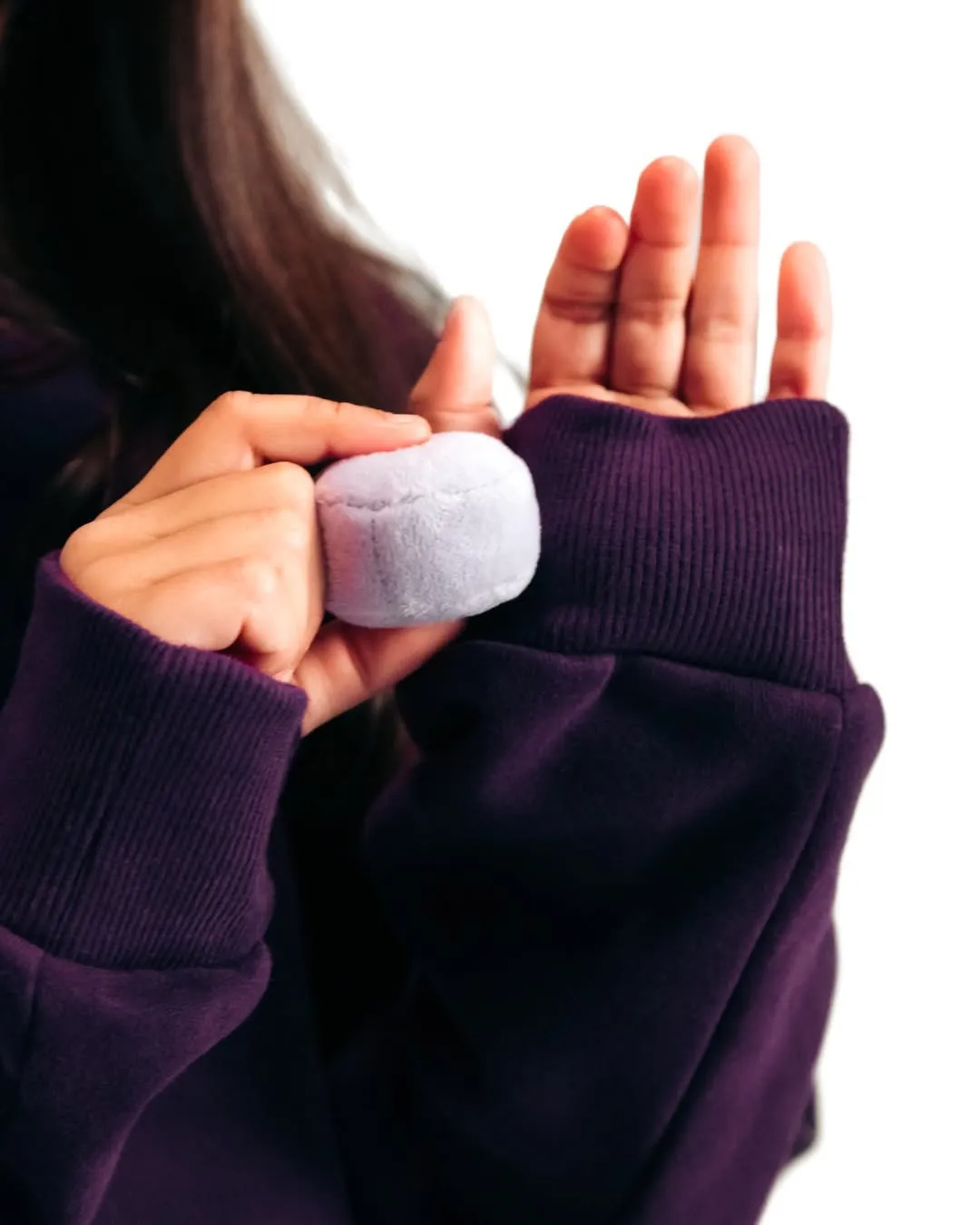
Some people feel calmer with gentle, consistent pressure. That’s the idea behind deep-pressure feedback clothing (including weighted hoodies).
What it is (plain language)
A weighted hoodie adds a small amount of weight to create a grounded feeling—similar to how some people like weighted blankets.
For some neurodivergent kids (autism, ADHD) and people with sensory processing differences, that pressure can feel:
- calming
- focusing
- regulating
Important cautions
Weighted clothing isn’t automatically “better,” and it’s not for everyone.
Be careful about:
- overheating risk (especially in winter clothing)
- mobility (kids should move freely)
- weight limits and safety (especially for younger children)
If you’re exploring this seriously, it’s worth discussing with an occupational therapist.
How to decide (simple approach)
- start light
- use short wear windows
- watch for discomfort (sweating, agitation, refusal)
- prioritize breathable layers underneath
If it helps, great. If it becomes another constraint, it defeats the purpose.
Style still matters: how to look good without sacrificing comfort
Comfort doesn’t mean you have to look sloppy.
The goal is: comfortable enough to feel calm, styled enough to feel confident.
A simple “confidence formula”
- One comfort anchor: soft hoodie or sweatshirt
- One style upgrade: jacket, shoes, accessory, or a clean silhouette
That’s it.
You’re not building a runway outfit. You’re building an outfit you can live in.
Color and mood
Color can influence mood more than people admit.
- neutrals often feel calming and “safe”
- bright colors can feel energizing and expressive
For kids, letting them choose colors can increase autonomy—which often increases confidence more than any specific garment.
Fit hacks: avoid constant adjusting
If you’re adjusting, you’re not relaxed.
Look for:
- cuffs that don’t squeeze
- waistbands that don’t roll or dig
- silhouettes that allow movement (especially shoulders and hips)
Social confidence for kids
Predictable outfits reduce morning battles.
When kids know what to expect (and that it won’t feel “wrong”), they start the day with less stress—often leading to better school readiness and smoother transitions.
Parents’ guide: choosing winter clothes for sensory-sensitive and neurodivergent kids
If you’re shopping for a sensory-sensitive or neurodivergent kid, don’t start with “cute.”
Start with the nervous system.
Quick decision tree
- Fabric first (soft, breathable)
- Seams/tags (tagless, low-friction)
- Fit (movement-friendly, not restrictive)
- Warmth (layerable without overheating)
- Wash durability (stays consistent after laundry)
How to test at home (simple, fast)
- 5-minute wear test: put it on and do something normal (sit, walk, play)
- movement test: arms up, squat, twist—any pulling or rubbing?
- scratch test: neck, cuffs, waistband (the usual trigger zones)
- temperature check after active play: are they sweaty or flushed too fast?
Plan for transitions
Transitions are where discomfort turns into meltdowns.
- keep a backup layer in the bag
- avoid last-minute outfit changes (they spike anxiety)
- if a child has a “safe hoodie,” treat it like a tool, not a fashion failure
What to note if you work with occupational therapists
Useful info to track:
- texture triggers (rough fleece, tags, denim)
- pressure preferences (snug vs loose)
- temperature sensitivity (overheats easily vs always cold)
- best calming inputs (hood up, deep pressure, soft base layers)
Real-life outfit formulas that boost mood (without overthinking it)
These are simple “plug and play” formulas you can adjust based on your weather and preferences.
Formula 1 (school/daycare): avoid overheating, keep it predictable
- soft base layer top
- Cloud Nine hoodie or cloud 9 sweatshirt as mid layer
- breathable jacket/shell
The goal: easy to remove a layer indoors, minimal fuss.
Formula 2 (outings): comfort + a structured layer for confidence
- comfortable hoodie (your anchor piece)
- structured outer layer (denim jacket, puffer vest, coat, overshirt)
- comfortable shoes you can walk in
This is the adult version of feeling “put together” without sacrificing ease.
Formula 3 (home reset): calming textures after a long day
- cozy sweatshirt
- soft pants (no tight waistband)
- warm socks that don’t pinch
If home is where you regulate, make the clothing support that.
Formula 4 (active winter play): warm, breathable, non-itch
- moisture-wicking base layer
- mid-layer (fleece or soft cotton blend)
- outer shell
Minimize scratchy layers and watch overheating—especially during high activity.
The bottom line: dress for the version of you (or your kid) you want to feel like
The biggest takeaway is simple:
Comfort + temperature balance + sensory-friendly details = calmer mood and more natural confidence.
You don’t need a perfect wardrobe. You need fewer daily irritations.
Use the comfort checklist on any brand you’re considering—including Cloud Nine Clothing / Cloud Nine Apparel—and focus on what actually affects the nervous system: fabric feel, seams/tags, fit, and warmth.
A simple next step that works:
Audit one hoodie/sweatshirt/sweater this week.
Check the fabric, tags, seams, and how it handles warmth. Then identify the worst offender (the one that causes the most adjusting/itching/overheating) and upgrade that first.
Because when your clothes stop fighting you, your confidence doesn’t need forcing. It shows up on its own.
Learn more here: purisia.com
Recommended for you
 Haru Haru Wonder vs. Cosrx: Which Unstoppable K-Beauty Brand Is Right for Your Skin?
 Discover Haru Haru Wonder — The Unstoppable Clean Beauty Line Gentle Enough for Every Skin
 Honey Acres: The Jaw-Dropping Science Behind Honey That Outlived the Pharaohs
 The “Shark Tank” Hair Trend: How to Style Rip Tie for Your Everyday Hustle
 From Waves to Trails: The Ultimate High-Performance Hairstyles with Rip Tie
 Honey Acres: The Ultimate Guide to Kosher Certified, Gluten-Free, and Big 9 Allergen-Free Treats