Clothing That Helps You Feel Calm, Cozy, and Confident
Discover calm clothing that reduces sensory triggers, boosts comfort, and helps kids feel cozy, confident, and ready for the day.
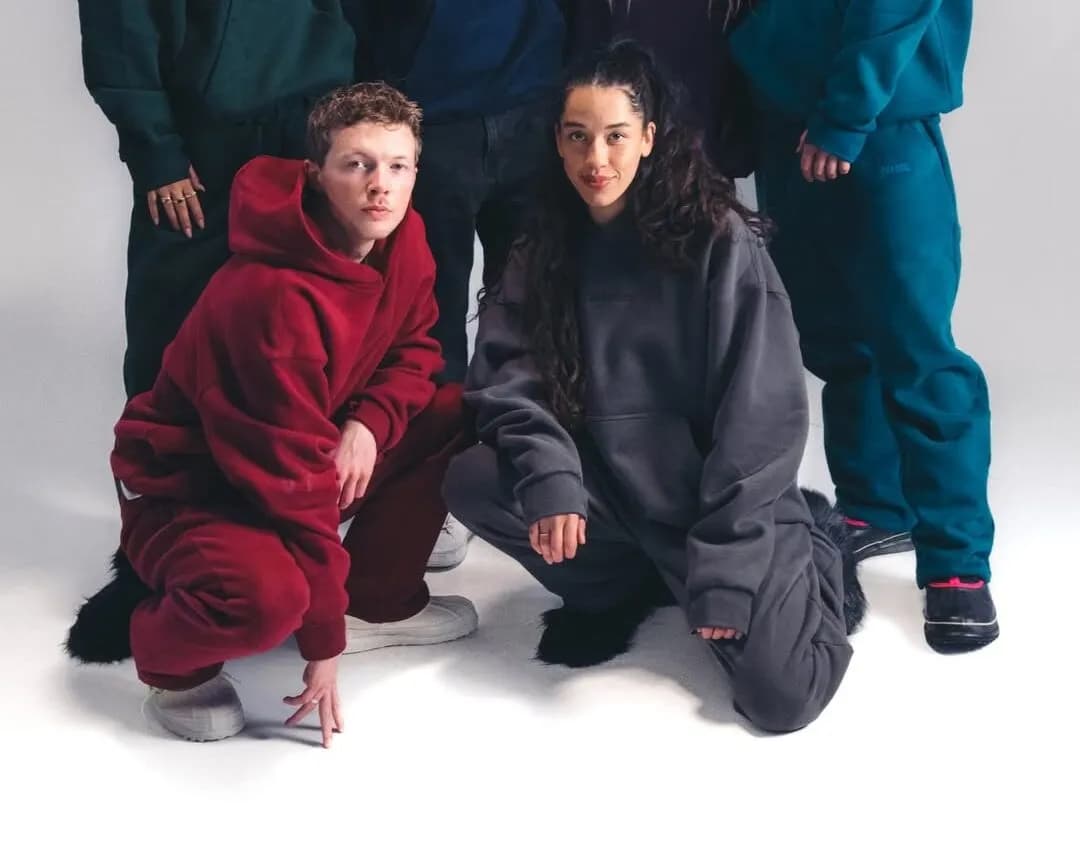
Why “calm clothing” matters more than people think
- Why “calm clothing” matters more than people think
- Who Cloud Nine Clothing is really for (and who it might not be for)
- A quick look at sensory-driven uniform refusal (before we review anything)
- Review Cloud Nine Clothing: the brand promise and what to pay attention to
- Cloud Nine Hoodie / Cloud 9 hoodie review: calm, cozy, and actually wearable
- Cloud 9 sweatshirt and Cloud 9 sweater: which one feels better for sensory needs?
- What makes Cloud Nine Clothing feel different (sensory design elements to look for)
- School uniforms: common sensory pain points (and how to fix them fast)
- Uniform accommodations that actually work (without turning it into a daily fight)
- The “stress-ball cuff” idea and other small features that help with regulation
- How to tell if it’s the uniform (sensory) or the routine (stress)
- A calmer morning routine: practical steps that reduce clothing meltdowns
- Buying guide: how to choose the right Cloud Nine hoodie/sweatshirt/sweater (and avoid returns)
- My overall take on Cloud Nine Clothing (comfort, durability, and real-life usefulness)
Getting dressed in your clothing is supposed to be the “easy” part of the morning.
But in a lot of homes, it’s the hardest part.
Some kids pop on whatever’s clean and move on. Others get stuck the second a tag scratches, a waistband pinches, a sock seam feels “wrong,” or a collar touches their neck in a way they can’t ignore. And when that happens—especially on school mornings—clothing becomes the spark that lights the whole day on fire.
This is where “calm clothing” matters more than people think.
Not because clothing fixes everything. But because when the body feels safe, the brain has a better shot at staying regulated. When the outfit isn’t actively irritating someone’s skin (or nervous system), you remove one huge stressor before the day even starts.
In this article, I’m going to:
- Define what calm, cozy, confident clothing actually means in real life (not marketing language).
- Explain sensory-driven uniform refusal (and how to tell it apart from “behavior”).
- Review Cloud Nine Clothing—especially their offerings like the Cloud Nine Hoodie / Cloud 9 hoodie, plus the sweatshirt and sweater—through a practical, parent-friendly lens. You can explore their full range of stylish and comfortable fashion essentials here.
- Share fixes you can use even if you don’t buy anything.
Why “calm clothing” matters more than people think
“Calm clothing” isn’t a vibe. It’s a set of predictable, low-friction clothing choices that reduce sensory triggers and decision fatigue.
In practice, calm clothing usually means:
- Fewer sensory landmines: tags, scratchy seams, stiff collars, rough fabric, tight cuffs, loud fabrics, itchy stitching.
- Predictable feel: the same softness, the same fit, the same “I know what this will feel like” every time.
- Easy movement: nothing restrictive when bending, sitting, running, or transitioning between environments.
- Less decision fatigue: fewer choices, fewer “try this… no… try that… no…” loops.
And the real problem it solves is bigger than comfort.
When typical clothes (especially uniforms) cause sensory discomfort, it can lead to:
- Refusal to dress
- Crying or panicking during dressing
- “It hurts,” “It’s itchy,” “It’s wrong,” “I can’t”
- Meltdowns that cascade into the whole family’s morning
The goal isn’t to “win” the morning. The goal is to reduce avoidable distress.
And that’s what this review is about: whether Cloud Nine Clothing can genuinely help with that—plus what you can do starting today, even without new purchases.
Who Cloud Nine Clothing is really for (and who it might not be for)
Cloud Nine Clothing makes the most sense for a specific type of customer: someone who values comfort and calm as a function, not an afterthought.
It’s primarily for:
- Sensory-sensitive kids
- Neurodivergent kids (commonly autistic kids, ADHDers, kids with sensory processing differences)
- Kids who get overwhelmed by: seams, tags, scratchy fabrics, tight waistbands, collars, heat, and “unexpected” textures
It’s also for:
- Teens and adults who want low-irritation basics
- People who can’t focus when clothing is rubbing, tight, or scratchy
- Anyone who wants a cozy “default” outfit that feels reliable
If these scenarios sound familiar, you’re the target audience:
- The school uniform is clean and “fine”… but your child says it hurts
- A sock seam becomes the entire day’s problem
- Waistbands trigger tears
- Clothing battles show up most on mornings, Mondays, after poor sleep, or during transitions
It might not be for:
- People who prioritize trend-driven structure (stiff, tailored, “fashion first” pieces)
- Anyone who wants ultra-structured garments that hold shape no matter what
- Families who need “one outfit for every possible preference” (sensory needs can be very specific)
And a quick note: this isn’t medical advice. If sensory distress around clothing is intense or escalating, partnering with an occupational therapist can be genuinely helpful—especially if you’re navigating school accommodations.
A quick look at sensory-driven uniform refusal (before we review anything)
Uniforms are a common flashpoint because they’re often built around durability and appearance—not sensory comfort.
Common uniform triggers include:
- Scratchy or stiff fabrics (especially polyester-heavy blends)
- Tight collars and neck seams
- Stiff waistbands, buttons, zippers, belts
- Heat trapping (layers + synthetic fabric + busy classroom = overload)
- Tags, inside labels, and seams that rub all day
Sensory-driven refusal vs “behavior”
One of the most helpful shifts for parents is learning to spot patterns.
Sensory-driven refusal often looks like:
- The distress is consistent with a specific item (same socks, same polo, same waistband)
- The complaint is specific (“the seam,” “the tag,” “tight here”)
- You see physical signs (red marks, indentations, scratching, pulling at clothing)
- There’s immediate relief when the item is removed or swapped
Behavioral avoidance can overlap, of course—but sensory refusal usually has repeatable triggers and a quick calm-down once the trigger is gone.
Signs your child’s refusal may be sensory-driven
- Anxiety spikes during dressing
- Avoidance (hiding, stalling, freezing)
- “Wrong feeling” language (even if they can’t explain it)
- Panic at certain textures
- More frequent morning meltdowns—especially on school days
The goal isn’t to force compliance. It’s to reduce triggers so your child can actually access regulation and get to school without starting the day in a stress spiral.
Review Cloud Nine Clothing: the brand promise and what to pay attention to
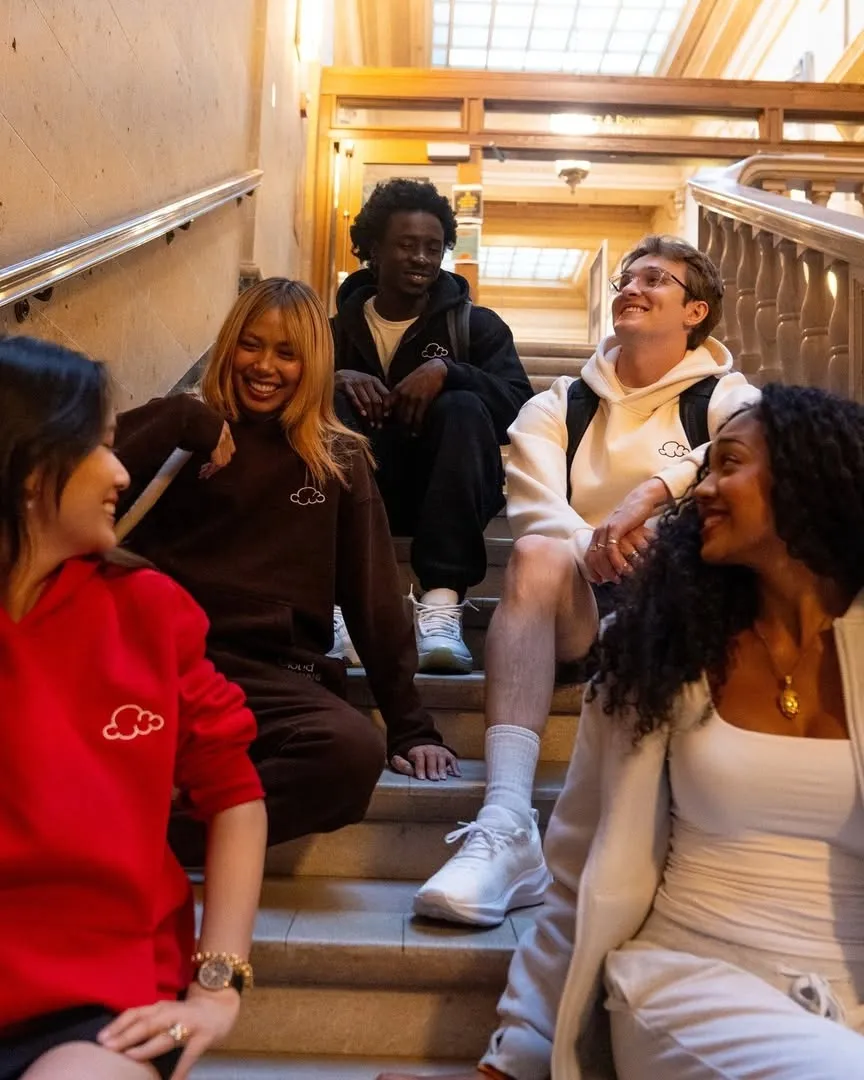
Cloud Nine Clothing positions itself around comfort-first basics—pieces meant to feel safe, cozy, and wearable in real life.
When I look at “sensory-friendly” clothing, I don’t just ask “is it soft?” because softness is subjective. I focus on what tends to make or break wearability day after day.
What matters most for sensory-friendly clothing
- Fabric hand-feel: does it feel smooth inside? Does it catch on dry skin?
- Stretch and recovery: does it move without pulling, and does it bounce back after washing?
- Seam placement: are seams bulky, raised, or placed in high-friction zones?
- Tag-free options: printed labels matter more than people realize
- Neck and waist pressure: common trigger zones
- Temperature regulation: overheating is a hidden trigger for a lot of kids
How to evaluate “sensory-friendly” claims
Some parts are measurable:
- Tag vs no tag
- Seam thickness and placement
- Tight cuffs or gentle cuffs
- Closures (zippers/buttons) and how they sit
Other parts are personal:
- Softness preference
- “Cozy weight” vs “too heavy”
- Preference for snug pressure vs loose fit
The review criteria I’m using
For the hoodie, sweatshirt, and sweater, I’m focusing on:
- Comfort (immediate feel)
- Sensory trigger risk (seams, tags, pressure points)
- Durability (how it holds up with normal life)
- Wash care (because nobody needs a high-maintenance hoodie)
- School-day practicality (layering, transitions, commuting)
- Value (is it worth being a “go-to” calm piece?)
Cloud Nine Hoodie / Cloud 9 hoodie review: calm, cozy, and actually wearable
A good hoodie can be more than a warm layer. For sensory-sensitive kids, it can be a reliable anchor item—something that feels the same every time, even when everything else feels loud.
First impressions: comfort and “wearability”
The Cloud Nine Hoodie (also commonly searched as the Cloud 9 hoodie) leans into what most families actually want from a calm hoodie:
- A soft, cozy feel that doesn’t feel “scratchy inside”
- Enough warmth to feel comforting
- A shape that feels wearable (not overly stiff, not oddly structured)
The biggest trigger zones for hoodies are usually:
- Neckline and collar area
- Hood weight and how it pulls on the neck
- Zippers (if present) rubbing the chest or chin
- Cuffs that feel tight or “grabby”
So the simplest question is: does it feel like something your child will forget they’re wearing?
Because that’s the win.
Sensory details worth paying attention to
When you’re evaluating the Cloud Nine Hoodie for sensory comfort, pay attention to:
- Inside feel: does it feel smooth all over, or are there “patchy” areas that feel different?
- Seams: do you feel any raised seams at the sides, shoulders, or neckline?
- Tags/labels: tag-free is often the difference between “fine” and “nope”
- Cuff pressure: gentle cuffs can feel secure; tight cuffs can feel trapping
- Hood weight: some kids like the “hide” feeling, others hate any pull on the neck
- Rubbing during movement: have them move arms, sit, twist—some seams only become noticeable then
The confidence factor (this matters more than it sounds)
A predictable hoodie reduces morning stress in two ways:
- Decision fatigue drops: “This one is safe.”
- Regulation improves: it becomes a comfort layer during transitions (car ride, hallway noise, lunchroom overwhelm)
Confidence isn’t always about looking cool. For a lot of kids, confidence is: my body feels okay, so I can handle the day.
Where it fits best in real life
The Cloud Nine Hoodie makes the most sense for:
- School drop-off (especially if the car-to-class transition is hard)
- After-school decompression (“I need to get out of my uniform immediately”)
- Travel days, airports, long drives
- Noisy environments where kids want to “hide” in the hood for a minute
Potential drawbacks (being honest)
No calm clothing is perfect for every nervous system.
A few realistic considerations:
- Warmth: if your child overheats easily—or classrooms run hot—hoodies can become “too much” fast.
- Sizing preferences: many sensory-sensitive kids prefer looser fits, but too-loose can create fabric bunching (another trigger).
- Texture variability: even “soft” fabrics can be rejected by some kids. Always test at home first.
Cloud 9 sweatshirt and Cloud 9 sweater: which one feels better for sensory needs?
People lump sweatshirts and sweaters together, but for sensory needs they can feel very different.
Sweatshirts vs sweaters (sensory differences that matter)
In general:
- Sweatshirts tend to be more predictable: softer interiors, more stretch, easier movement
- Sweaters can vary widely: knit textures, potential itch factor, sometimes more “dressy” structure
If your child has strong tactile defensiveness (easily irritated by texture), sweatshirts are usually the safer starting point.
If collars and necklines are triggers
Neck discomfort is one of the fastest ways to ruin the day.
When comparing a Cloud 9 sweatshirt vs a Cloud 9 sweater, look closely at:
- Crew neckline height (some crews sit high and feel “choky”)
- How the neckline sits when seated (some kids only notice it in the car)
- Whether the fabric stretches gently at the neck or holds firm
If your child constantly pulls at the collar, consider sizing up slightly or choosing a neckline that sits lower and looser.
School practicality: layering and temperature swings
School mornings can be cold. Classrooms can be warm. Recess can be windy. Sensory-sensitive kids often struggle when they can’t regulate temperature easily.
A sweatshirt is often easier for:
- Throwing on over a uniform top
- Removing quickly without a fuss
- Staying comfortable during movement
A sweater can be useful when you need:
- A more “dressed” look that still feels comfortable
- A layer that works for pictures, presentations, or events—if the texture is safe
My simple “choose this” guide
- Choose the Cloud 9 sweatshirt if you want: predictable softness + easy movement + lower texture risk.
- Choose the Cloud 9 sweater if you want: a slightly more polished look and your child reliably tolerates knit textures.
And please test at home first—never for the first time on a school morning.
What makes Cloud Nine Clothing feel different (sensory design elements to look for)

A lot of people assume sensory clothing is about softness. But for many kids, the real issues are friction, pressure, heat, and unpredictability.
Common sensory triggers in clothing (concrete examples)
- Scratchy seams on the side of the torso
- Tags that feel like “paper cuts”
- Tight waistbands that dig in when sitting
- Stiff collars that touch the neck all day
- “Noisy” fabrics that swish during walking
- Overheating (especially in synthetic blends)
Pressure can regulate—or overwhelm
Some kids seek pressure because it feels grounding (like a hug). Others avoid pressure because it feels threatening (tactile defensiveness).
So the best calming clothes often offer:
- Gentle, even pressure (not tight, not restrictive)
- Forgiving fits (room to move without fabric pulling)
- Soft cuffs that feel secure but not trapping
Comfort features parents tend to look for
- Smoother interiors
- Tag-free labels
- Less bulky seams
- Stretch that doesn’t snap back aggressively
- Fabric that stays comfortable across a full day (not just for 5 minutes)
The key idea: calm clothing doesn’t “cure” sensory overload. It just stops clothing from contributing to it.
School uniforms: common sensory pain points (and how to fix them fast)
Uniforms are often the non-negotiable part of the day, so the fastest wins usually come from small, targeted changes.
Usual uniform offenders
- Polyester-heavy polos
- Stiff collars and scratchy plackets
- Rough inner seams
- Belts and hard waistbands
- Tight waistbands with buttons/zippers
- Scratchy socks and toe seams
- Tags inside collars or side seams
Fast fixes you can try today
- Remove tags (and sand down the leftover nub if needed—those can be worse than the tag)
- Wash to soften: multiple washes can reduce stiffness; try a gentle cycle and avoid anything that leaves residue if your child is sensitive to smells/texture
- Seamless base layers: a soft undershirt can create a buffer between skin and uniform
- Adjust sizing: too tight = pressure and friction; too loose = bunching and constant adjusting
- Choose softer undershirts: a “safe” base layer can make an unbearable uniform tolerable
Sock solution: why seamless socks can change the whole morning
Sock seams plus shoe pressure is a brutal combo.
If socks are a daily battle, start here:
- Try truly seamless or flat-seam socks
- Size up if the seam sits on the toes
- Make sure shoes aren’t too tight (tight shoes amplify seam discomfort)
It sounds small, but for some kids it’s the difference between “I can go” and “I can’t.”
Pants solution: why elastic waist often reduces meltdowns
Hard waistbands create pressure that kids can’t escape all day—especially when sitting at a desk.
If your dress code allows it, consider:
- Elastic waist uniform pants/shorts
- Softer waistband materials
- Removing belts if possible
When a comfort item helps transition to uniform compliance
Even if the uniform is required, a calm piece like a hoodie or sweatshirt can help:
- Before school (during the commute)
- Immediately after school (decompression)
- In the car ride when everything feels too much
Sometimes the routine becomes: uniform on, comfort layer on top, get through the transition, then adjust as needed.
Uniform accommodations that actually work (without turning it into a daily fight)
If sensory distress is impacting attendance, learning, or emotional regulation, accommodations can be both reasonable and life-changing.
What accommodations can look like
Depending on the school and dress code, common accommodations include:
- Alternative approved fabrics (same color/style, softer material)
- Elastic waist options instead of rigid waistbands
- Permission for a soft undershirt or base layer
- Sensory-friendly socks
- Swapping a stiff polo for a softer equivalent in the same color
How to document needs (without overcomplicating it)
You don’t need a 10-page report to start.
Track simple patterns:
- Which item triggers distress
- What the child says (“itchy,” “hurts,” “tight,” “hot”)
- What you observe (red marks, scratching, pulling)
- What helps (specific socks, base layer, different size)
If you work with an occupational therapist, they can often provide language that schools understand quickly.
How to approach the school
Keep it calm and specific. Frame it around access to learning.
Examples of how to phrase it:
- “When the waistband is rigid, he can’t sit and focus without distress.”
- “She has sensory sensitivities that escalate with certain fabrics. We’re requesting a softer approved alternative in the same uniform color.”
- “This isn’t about preference; it affects regulation and classroom participation.”
Consistency is the secret weapon
When clothing is predictable, anxiety drops.
A consistent routine—same few safe items on rotation—often reduces sensory overload more than constantly trying new solutions.
The “stress-ball cuff” idea and other small features that help with regulation
Some clothing includes small comfort features—like built-in tactile elements or fidget-friendly details. The idea is simple: give the hands something safe to do during transitions.
Why it can help
For some kids, small tactile input:
- Redirects anxious energy
- Supports regulation during waiting (car rides, lines, assemblies)
- Provides a quiet coping tool that doesn’t call attention
When it might not help
If the feature becomes:
- A distraction in class
- A fixation that increases frustration
- A new sensory annoyance (scratchy, bulky, or “in the way”)
…then it’s not a win.
Where to test these features
Try them in low-stakes moments first:
- Car rides
- Waiting rooms
- Homework time
- Grocery store trips
The point isn’t a perfect solution. It’s fewer triggers plus more coping tools.
How to tell if it’s the uniform (sensory) or the routine (stress)
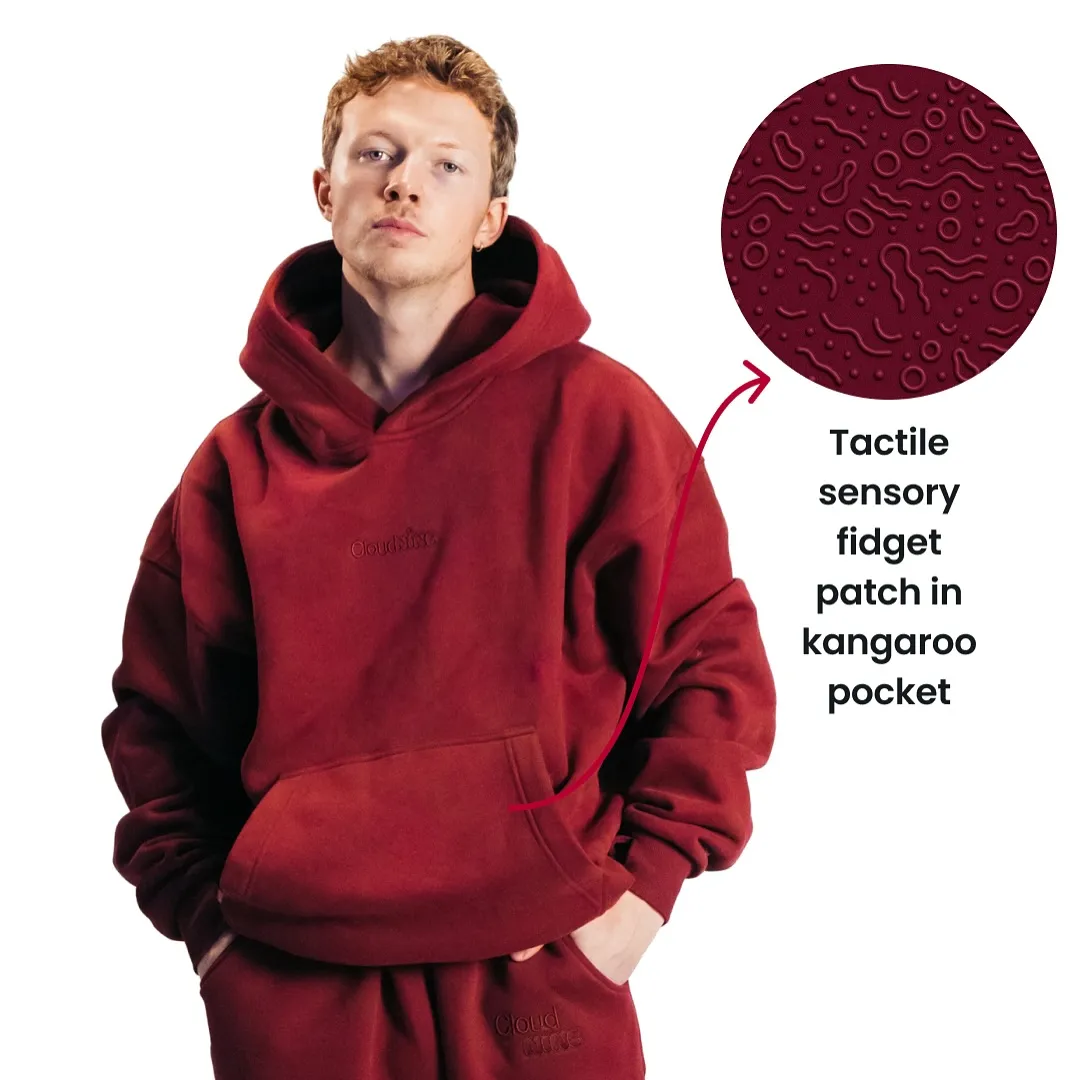
Sometimes the clothing is the problem. Sometimes the routine is the problem. Often, it’s both.
Here’s a simple way to sort it out.
Quick checklist
- Does distress appear only with specific items (socks, polo, pants)?
- Or does distress appear with any clothing—even pajamas?
If it’s specific items, it’s likely sensory triggers in those garments.
Look for timing patterns
- Sunday night dread / Monday morning spikes
- Weather changes (heat makes everything worse)
- After haircuts (scalp sensitivity can raise overall sensory load)
- After poor sleep (lower tolerance for discomfort)
Try a controlled swap
Keep everything else the same. Change only one variable.
Example:
- Same routine, same time, same breakfast
- Only swap the socks to seamless socks
- Observe what changes
That’s how you learn what’s actually driving the distress.
Remember: sensory overload compounds
Uncomfortable fabric + time pressure + loud morning + poor sleep can easily equal a meltdown.
A compassion-first framing helps:
- “Your body is having a hard time.”
- “Let’s find the part that feels wrong.”
- “We can fix this together.”
A calmer morning routine: practical steps that reduce clothing meltdowns
You don’t need a perfect routine. You need a repeatable one.
1) Prep the night before (but limit choices)
Lay out two acceptable outfits, not ten options.
Too many options increases decision fatigue and anxiety.
Two options gives autonomy without overwhelm.
2) Use a “comfort ladder”
Start with the easiest, most sensory-safe item first, then build upward.
A common ladder:
- Soft base layer (safe shirt/underwear)
- Uniform pieces
- Socks
- Shoes last (because shoes amplify sock discomfort)
3) Build in regulation breaks
Short, purposeful breaks can prevent escalation:
- Deep pressure (a firm hug, weighted blanket for 2 minutes, body squeeze—whatever your child likes)
- Quick movement (wall pushes, jumping jacks, stair walk)
- Quiet time (lights low, minimal talking)
Match it to the child. The goal is to lower arousal, not “get them to comply.”
4) Use sensory-safe backups
A known hoodie or sweatshirt can be a bridge:
- For the commute
- For after-school decompression
- For transitions into loud places
5) Keep language simple and non-escalating
When a child is overloaded, long explanations often backfire.
Try:
- “Show me where it hurts.”
- “Let’s fix the sock first.”
- “Two choices.”
- “We’ll do it step by step.”
Buying guide: how to choose the right Cloud Nine hoodie/sweatshirt/sweater (and avoid returns)
If you’re buying a calm piece like a Cloud Nine hoodie, you’re not just buying fabric. You’re buying fewer hard mornings.
Here’s how to choose more confidently.
Sizing strategy for sensory comfort
Many sensory-sensitive kids prefer a slightly looser fit.
But there’s a line:
- Too tight = pressure, rubbing, restriction
- Too loose = bunching, twisting, sleeves in the way, fabric touching unpredictably
If your child hates pressure, consider sizing up slightly—then check:
- Neckline sits comfortably
- Sleeves don’t drag or bunch at wrists
- Hood doesn’t feel heavy/pulling
Fabric strategy
If your child consistently rejects certain textures or blends, don’t “hope this one will be different.”
Stick with what you know works:
- Predictably soft
- Breathable enough for school environments
- Comfortable against bare skin (if that’s how they wear it)
Seam/neckline strategy
Identify trigger zones first:
- Neck
- Waist
- Underarms
- Inner elbows
- Shoulders
- Ankles/toes
Then choose designs that minimize those triggers:
- Tag-free or printed labels
- Comfortable neckline
- Non-irritating seams (or seams placed away from high-friction areas)
Temperature strategy (classroom heat + playground cold)
Layering usually beats one heavy item:
- Soft base layer
- Uniform top
- Hoodie/sweatshirt for commute or outdoor time
If overheating is a known trigger, prioritize lighter layers and easy removal.
Budget/value strategy
A single “go-to” calm piece that prevents daily conflict can be worth more than a drawer full of “maybe” clothes.
If the Cloud Nine hoodie (or sweatshirt/sweater) becomes:
- the default safe layer,
- the transition tool,
- the decompression uniform after school,
…it often earns its cost in reduced stress alone.
My overall take on Cloud Nine Clothing (comfort, durability, and real-life usefulness)
Cloud Nine Clothing makes sense if your goal is calm, wearable comfort—especially for kids who experience clothing as a sensory problem instead of a simple task.
Using the criteria from earlier:
- Comfort: The pieces are positioned as comfort-first, the kind of basics that can become “safe defaults.”
- Sensory trigger reduction: The most important value is lowering common irritants (tags, rough feel, uncomfortable pressure points).
- School-day practicality: Hoodies/sweatshirts especially can work as transition layers—before school, after school, travel, noisy environments.
- Wash-and-wear durability: Calm clothes need to survive real life (repeat washing, quick mornings, daily use). If something is too precious to wash normally, it won’t help.
- Value: Not every family needs premium comfort basics. But for families dealing with daily clothing battles, one reliable calm layer can be a practical investment.
The balanced truth: no brand is universal. Sensory preferences vary wildly. What feels like a cloud to one child feels “wrong” to another.
But the bigger idea holds:
Calm clothing isn’t “spoiling.” It’s support.
And when you remove avoidable sensory distress, you often unlock better mornings, smoother school transitions, and a kind of confidence that starts with something very simple:
“My body feels okay.”
Learn more here: purisia.com
Recommended for you
 Haru Haru Wonder vs. Cosrx: Which Unstoppable K-Beauty Brand Is Right for Your Skin?
 Discover Haru Haru Wonder — The Unstoppable Clean Beauty Line Gentle Enough for Every Skin
 Honey Acres: The Jaw-Dropping Science Behind Honey That Outlived the Pharaohs
 The “Shark Tank” Hair Trend: How to Style Rip Tie for Your Everyday Hustle
 From Waves to Trails: The Ultimate High-Performance Hairstyles with Rip Tie
 Honey Acres: The Ultimate Guide to Kosher Certified, Gluten-Free, and Big 9 Allergen-Free Treats