Honey Acres: The Jaw-Dropping Science Behind Honey That Outlived the Pharaohs
In 1922, when Howard Carter cracked open King Tutankhamun's tomb, the world expected gold. What they didn't expect was food […]
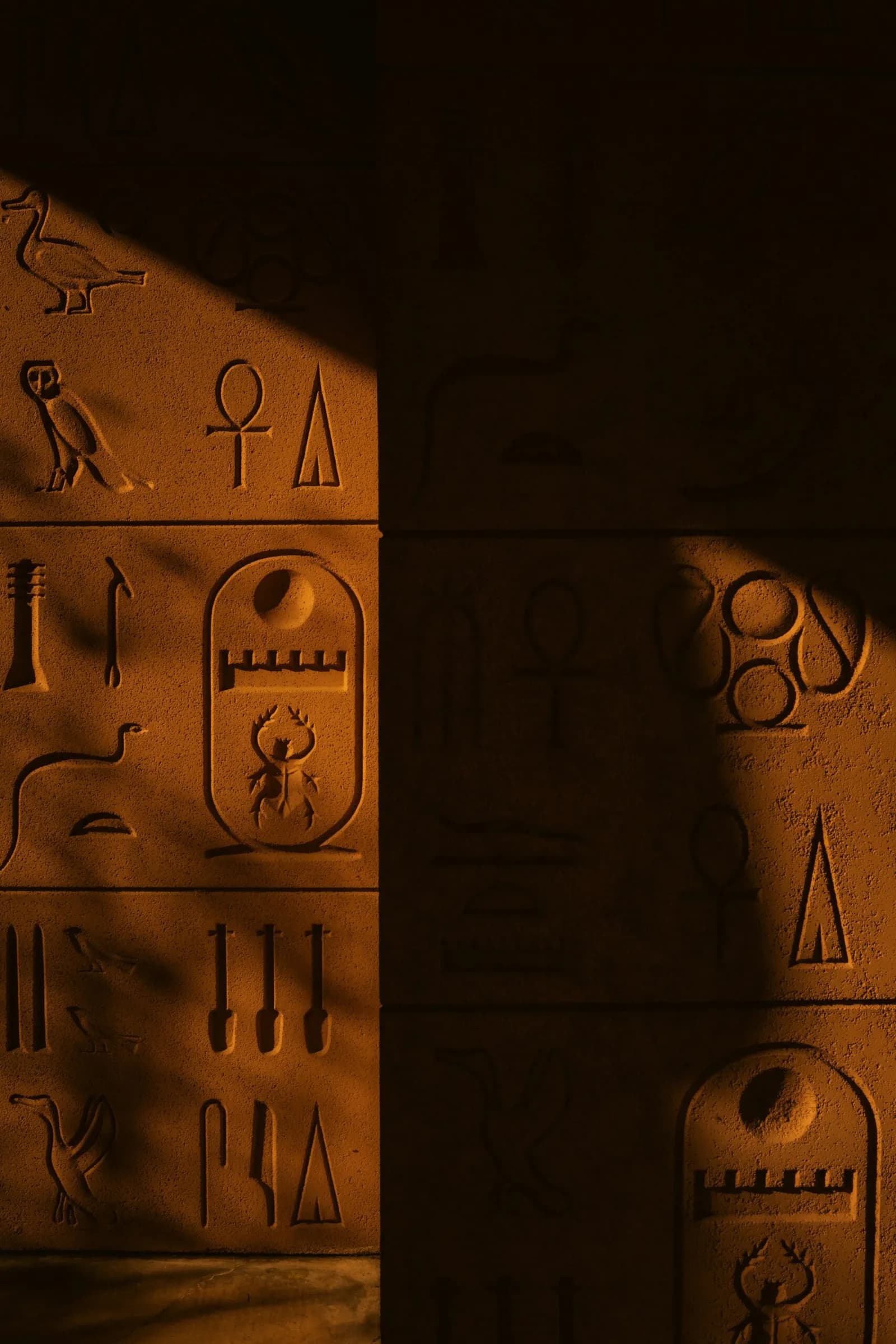
In 1922, when Howard Carter cracked open King Tutankhamun’s tomb, the world expected gold. What they didn’t expect was food — specifically, sealed jars of honey sitting quietly in the dust, perfectly preserved after more than 3,000 years. Not fossilized. Not crystallized beyond recognition. Not fermented. Still edible.
Let that sink in for a moment.
While empires rose and fell, while languages died, while entire civilizations were buried and forgotten, a simple jar of honey sat untouched — and won. That’s not magic. That’s chemistry. And once you understand the science behind it, you’ll never look at a jar of Honey Acres raw honey the same way again.
Why Archaeologists Keep Finding Edible Honey in Egyptian Tombs
The discovery isn’t even that rare. Archaeologists have found edible honey in multiple ancient Egyptian tombs across centuries of excavation. Each time, the story is the same: sealed containers, desert conditions, and honey that somehow refused to decay.
The ancient Egyptians weren’t surprised by this. They knew, intuitively if not scientifically, that honey was special. They used it in medicine, in religious rituals, in the embalming process — and yes, as a provision for the afterlife, because if you were a pharaoh heading to eternity, you’d want something that could actually make the journey with you.
What the Egyptians understood through thousands of years of observation, modern science has now explained in detail. Honey’s immortality comes down to three interlocking chemical factors — and together, they create one of the most hostile environments for bacteria that nature has ever produced.
The Three Scientific Superpowers That Make Honey Eternal
1. Honey Is Brutally Dehydrating — By Design
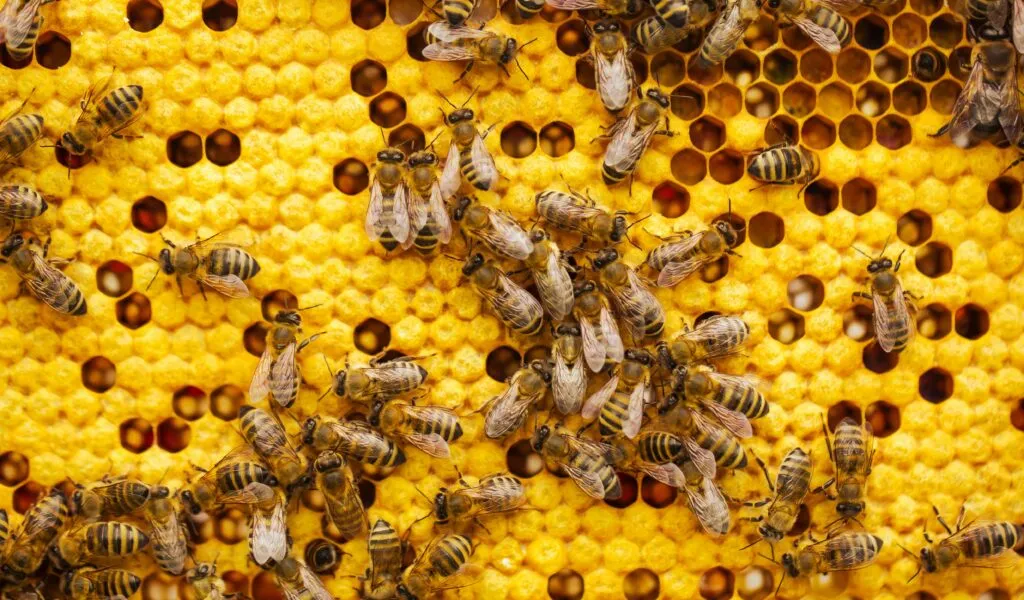
Honey is hygroscopic. That’s a scientific way of saying it is absolutely obsessed with water. Sugar molecules in honey attract and bind to water molecules with extraordinary force, which means honey itself contains almost no free water — typically less than 18% moisture by weight.
For bacteria and microorganisms, water is survival. Without it, they cannot metabolize, reproduce, or do anything at all. When bacteria land in honey, the sugar pulls moisture directly out of their cells in a process called osmosis, effectively dehydrating them to death. It’s a brutal, efficient, and completely natural kill mechanism.
This is also why the tomb seal mattered. Open honey left in a humid kitchen will eventually absorb enough water from the air to shift the balance — that’s when fermentation can begin. The pharaohs’ honey survived because it was airtight in a sealed jar inside a dry desert tomb. Honey Acres raw honey, stored properly in its sealed jar in your pantry, operates on exactly the same principle.
2. Honey Is Naturally Acidic — Like a Lemon
Most bacteria prefer a neutral or mildly acidic environment. Honey doesn’t offer that. With a pH ranging between 3.2 and 4.5 — roughly as acidic as a lemon — honey creates a chemical environment that most microorganisms simply cannot survive in. Even the few that can tolerate the dehydrating sugar environment face a second line of defense in the acidity.
This is why honey has been used medicinally for thousands of years across cultures. The Sumerians prescribed honey in roughly a third of their written medical formulas pressed into clay tablets. Egyptian physicians applied it to wounds and eye ailments. Greek athletes consumed it for recovery. None of them had lab equipment — they had empirical evidence accumulated over millennia.
Modern hospitals haven’t forgotten this either. Clinical wound dressings using honey — specifically its natural antibacterial properties — are still used today to treat burns and slow-healing injuries.
3. The Bees Themselves Build In an Antibacterial Agent
Here’s where it gets genuinely remarkable. The preservation power of Honey Acres honey isn’t just passive chemistry — it’s actively engineered by the bees during production.
When bees collect nectar, it starts out as a highly diluted liquid: roughly 60 to 80 percent water. Inside the hive, worker bees fan the nectar with their wings to physically evaporate moisture. But they also add an enzyme called glucose oxidase from their stomach secretions. When this enzyme comes into contact with moisture, it triggers a reaction that produces two things: gluconic acid (which contributes to the acidity above) and small, steady amounts of hydrogen peroxide.
Hydrogen peroxide. The same active ingredient in wound disinfectant.
In the right concentration, hydrogen peroxide inhibits microbial growth without damaging surrounding tissue — which is exactly why raw honey has been clinically studied and validated for wound care. And this enzymatic activity is only present in raw, unprocessed honey. The moment honey is heated above certain temperatures during commercial processing, the glucose oxidase enzyme is deactivated. It’s gone. And with it, a significant portion of honey’s biological firepower.
The Critical Difference: Raw Honey vs. The Amber-Colored Syrup on Store Shelves
This is where the ancient Egyptian story stops being merely fascinating and starts being directly relevant to what you buy.
Modern research shows that raw honey can contain up to 200 bioactive compounds — enzymes, antioxidants, propolis, bee pollen, flavonoids, and phenolic acids. These compounds are responsible for honey’s documented anti-inflammatory, antibacterial, and antioxidant effects. A 2024 study found raw honey’s antioxidant activity to be significantly higher than in processed retail samples.
Commercial honey goes through pasteurization (high heat) and micro-filtration to create a clear, shelf-stable, visually appealing product. The result is a smoother, longer-lasting syrup. But heat destroys glucose oxidase. Filtration removes pollen and propolis. What’s left is primarily sugar — still caloric, still sweet, but stripped of most of what made honey remarkable to begin with.
Think of it like pressing oranges into juice and then boiling it. The sugar remains. The vitamin C is largely gone.
Honey Acres takes the opposite approach — no pasteurization, no ultra-filtration, no shortcuts. The result is honey that retains the full spectrum of what bees actually produce.
The honey that sat in those Egyptian tombs for 3,000 years was raw honey. Unprocessed. Unheated. Sealed. It retained every enzymatic, antimicrobial, and chemical property it had the day the bees made it. That’s the version that earned its reputation as immortal.
Why Honey Acres Raw Honey Carries That Same Standard

Honey Acres, located on 40 acres in rural Wisconsin, has been producing raw, unfiltered, unprocessed honey since 1852 — when Christian Friedrich Diehnelt brought his beekeeping expertise from Rosswein, Germany, to the meadowlands of Wisconsin. That’s 170 years of family commitment to the same standard: real honey, made the way bees make it, without shortcuts.
Skilled beekeepers at Honey Acres tend over 1,800 hives across 38 farms within 40 miles of the production facility. The honey is jarred and manufactured entirely in-house in an allergen-free plant. Varieties include clover, basswood, buckwheat, orange blossom, cranberry, and wildflower — each with its own distinct flavor profile shaped by what the bees were foraging at the time.
This variety matters scientifically, not just gastronomically. Different floral sources produce honey with different concentrations of specific antioxidants, enzymes, and phenolic compounds. Buckwheat honey, for instance, is one of the darkest and most antioxidant-rich varieties. Clover produces a milder, lighter profile. The diversity on offer at Honey Acres is a reflection of real, unmanipulated honey — not a blended, standardized commodity product.
Honey in Ancient Egypt: More Than Just Food

The Egyptians’ relationship with honey went far beyond nutrition. It was currency, medicine, sacred offering, and symbol. Pharaohs and nobles were buried with honey because of its dual reputation: as nourishment for the afterlife and as a substance that represented immortality itself.
Beekeeping was documented in Egyptian hieroglyphics and temple carvings. The sun god Ra was said to have created bees from his tears. Honey was offered at temples, used in religious festivals, and prescribed by physicians in elaborate formulas combining honey with other natural ingredients.
The Greeks and Romans inherited much of this reverence. Greek physicians wrote about honey’s wound-healing properties. Roman soldiers reportedly carried it on campaigns for treating injuries. Medieval European monasteries kept bees not just for honey but for beeswax candles and medicinal preparations.
What’s striking, in retrospect, is how consistent the ancient observations were. Across cultures, across millennia, people independently reached the same conclusion: honey was something different. Not just food. Something that didn’t follow the same rules of decay that everything else did.
They were right. And now we know exactly why.
Does Honey Actually Ever Go Bad?
With proper storage, pure raw honey has an indefinite shelf life. The Egyptian tomb discoveries are the most dramatic proof, but the science behind it is what matters. As long as honey maintains its low moisture content — kept in a sealed container away from excess humidity — the conditions that allow bacterial growth simply cannot develop.
Honey can crystallize over time, which is a completely natural process and a sign of authentic raw honey (processed honey is often treated specifically to prevent crystallization, removing another indicator of quality). Crystallized honey can be gently warmed — never boiled — to return it to a liquid state without damaging its nutritional content.
What can compromise honey? Contamination. If water or other food particles are introduced into a jar of honey, the moisture balance shifts and fermentation can begin. This is why using a clean, dry spoon matters. And it’s why the pharaoh’s honey survived: it was sealed, protected, and left undisturbed.
The Honey Acres Difference: A Living Product From Living Bees
Most people have only ever tasted processed honey. If that’s your baseline, raw honey from Honey Acres will read as a fundamentally different substance — thicker, more complex in flavor, with a depth that varies depending on the floral source and harvest season.
That variation isn’t inconsistency. It’s authenticity. Honey Acres raw honey tastes the way honey actually tastes when nothing has been done to homogenize or neutralize it. Just as a single-origin coffee from Ethiopia tastes nothing like a mass-market blend, raw wildflower honey from Wisconsin in August tastes nothing like the amber syrup in a plastic bear-shaped bottle.
The same chemistry that kept tomb honey edible for 3,000 years is present and active in every jar of Honey Acres raw honey. The glucose oxidase is intact. The acidity is natural. The moisture content is right. The enzymatic activity is real.
Frequently Asked Questions

Is the honey found in Egyptian tombs actually still edible, or is this just a myth?
This is one of the most common questions Honey Acres gets asked — and the answer is a documented archaeological fact. This is documented archaeological fact. Honey recovered from sealed containers in ancient Egyptian tombs — some over 3,000 years old — has been examined and found to be unspoiled and technically edible. The preservation conditions (airtight seal, extremely dry desert environment) combined with honey’s natural chemistry created the perfect preservation scenario.
Why does raw honey crystallize but store-bought honey doesn’t? Crystallization is a natural process that occurs when glucose in honey precipitates out of the liquid state. It’s a sign that honey has not been heavily processed. Commercial honey is often ultra-filtered and pasteurized specifically to delay or prevent crystallization, giving it that clear, uniform appearance — but the process removes pollen and deactivates enzymes in the process. Crystallized raw honey is perfectly fine — simply place the jar in warm water to liquefy it again.
Is raw honey safe for everyone? Raw honey is not recommended for infants under 12 months due to the risk of botulism spores, which a baby’s developing digestive system cannot process safely. For older children and adults, raw honey is generally safe and nutritious. As with any dietary change, individuals with specific health conditions should consult a healthcare provider.
What makes Honey Acres honey different from supermarket honey? Honey Acres produces raw, unfiltered, unprocessed honey jarred in an allergen-free facility from bees tended across 38 farms in Wisconsin. The honey is not pasteurized or micro-filtered, meaning it retains its full enzyme profile, natural pollen, propolis, and antioxidant content. Supermarket honey is typically pasteurized and ultra-filtered for visual clarity and extended shelf stability, which removes or destroys much of this nutritional content.
How should I store raw honey to maximize its shelf life? Store raw honey — including Honey Acres varieties — in a sealed container at room temperature, away from direct sunlight and moisture. Avoid refrigerating raw honey, as cold temperatures accelerate crystallization. Do not introduce water or wet utensils into the jar. Stored properly, Honey Acres raw honey has an indefinite shelf life — as ancient Egypt so dramatically demonstrated.
How to Taste the Difference: A Simple Honey Comparison You Can Do at Home
If you’ve never compared Honey Acres raw honey side-by-side with a commercial grocery store variety, it’s worth doing. The difference is more striking than most people expect.
Start with appearance. Honey Acres raw honey will typically be thicker, cloudier, and more opaque than a heavily filtered commercial product. That cloudiness comes from pollen, propolis, and small wax particles — exactly the components that carry the most nutritional value.
Next, taste. Where processed honey tends toward a flat, uniform sweetness, raw honey from Honey Acres carries a more layered flavor — floral undertones, a slight earthiness, and a finish that lingers in a way that commercial honey rarely does. Clover honey will taste lighter and more delicate; buckwheat will be darker and more assertive; wildflower will shift depending on the season and what was blooming when the bees were most active.
Finally, texture over time. Authentic raw honey crystallizes. It’s not a flaw — it’s a feature. Honey Acres honey, like all genuine raw honey, will eventually form crystals in the jar. This is a reliable sign that the honey has not been ultra-processed. To liquefy it again, simply set the sealed jar in a bowl of warm (not boiling) water for a few minutes. The enzymes and bioactive compounds remain fully intact.
Honey Acres and the Legacy of Real Beekeeping
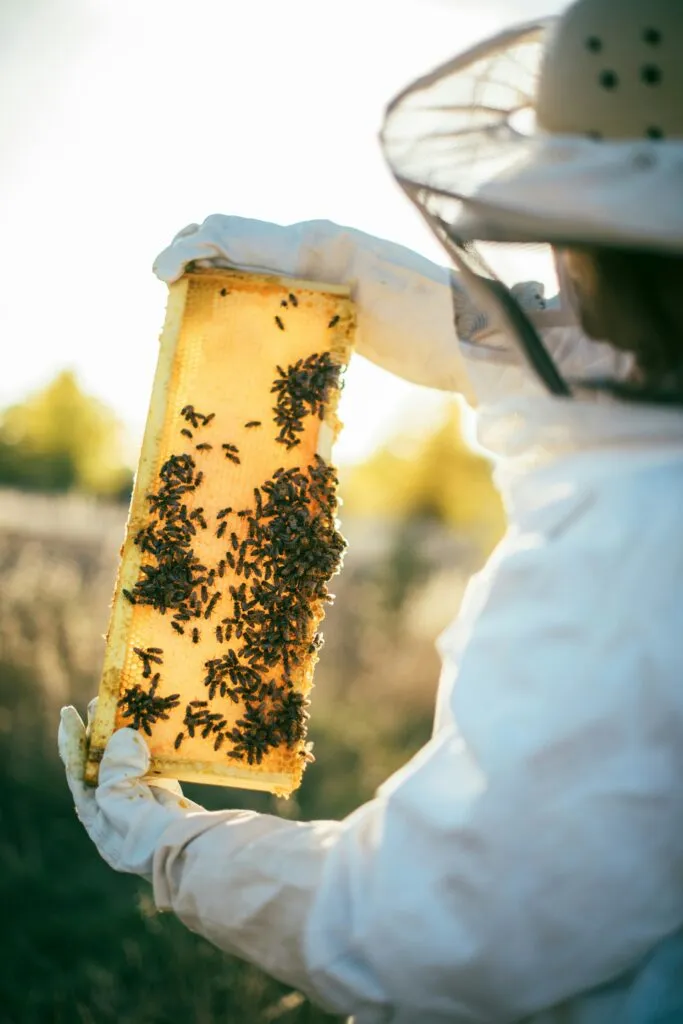
One of the things that makes Honey Acres unusual in the modern honey landscape is sheer continuity. Most food brands don’t have a 170-year operating history. Most don’t have a honey museum on the property. Most don’t manage 1,800 hives across nearly 40 partner farms.
The Honey Acres approach to beekeeping reflects something the ancient Egyptians would have recognized: a deep, practical understanding of bees and honey that comes only from generations of direct experience. The Diehnelt family, and later the Gabrielian family (also a five-generation beekeeping family), brought together two long traditions of working with bees in ways that prioritized the quality and integrity of the final product over industrial efficiency.
When you buy a jar from Honey Acres, you’re not buying a commodity. You’re buying the output of hives that have been tended through Wisconsin winters and summers, from bees foraging across clover fields and basswood groves, extracted and jarred without the heat and filtration that would strip it of what makes it extraordinary.
The pharaohs put honey in their tombs because they believed it was eternal. They were right — and they were onto something deeper than they knew. The same raw, living chemistry that preserved Egyptian honey through three millennia is exactly what you get when you choose a brand like Honey Acres that refuses to take shortcuts with the real thing.
The Bottom Line
The honey in Tutankhamun’s tomb wasn’t extraordinary because it was royal. It was extraordinary because it was real — raw, sealed, made by bees through a process 60 million years in the making. The same science that protected it through three millennia is present in every jar of Honey Acres raw unfiltered honey.
That’s not marketing language. It’s chemistry. And it’s been peer-reviewed by time itself.
Whether you’re drawn in by the ancient history, the food science, or simply the idea of tasting honey the way it was meant to be tasted — Honey Acres is where that story continues, one jar at a time.
Read More At: purisia.com
Recommended for you
 Haru Haru Wonder vs. Cosrx: Which Unstoppable K-Beauty Brand Is Right for Your Skin?
 Discover Haru Haru Wonder — The Unstoppable Clean Beauty Line Gentle Enough for Every Skin
 The “Shark Tank” Hair Trend: How to Style Rip Tie for Your Everyday Hustle
 From Waves to Trails: The Ultimate High-Performance Hairstyles with Rip Tie
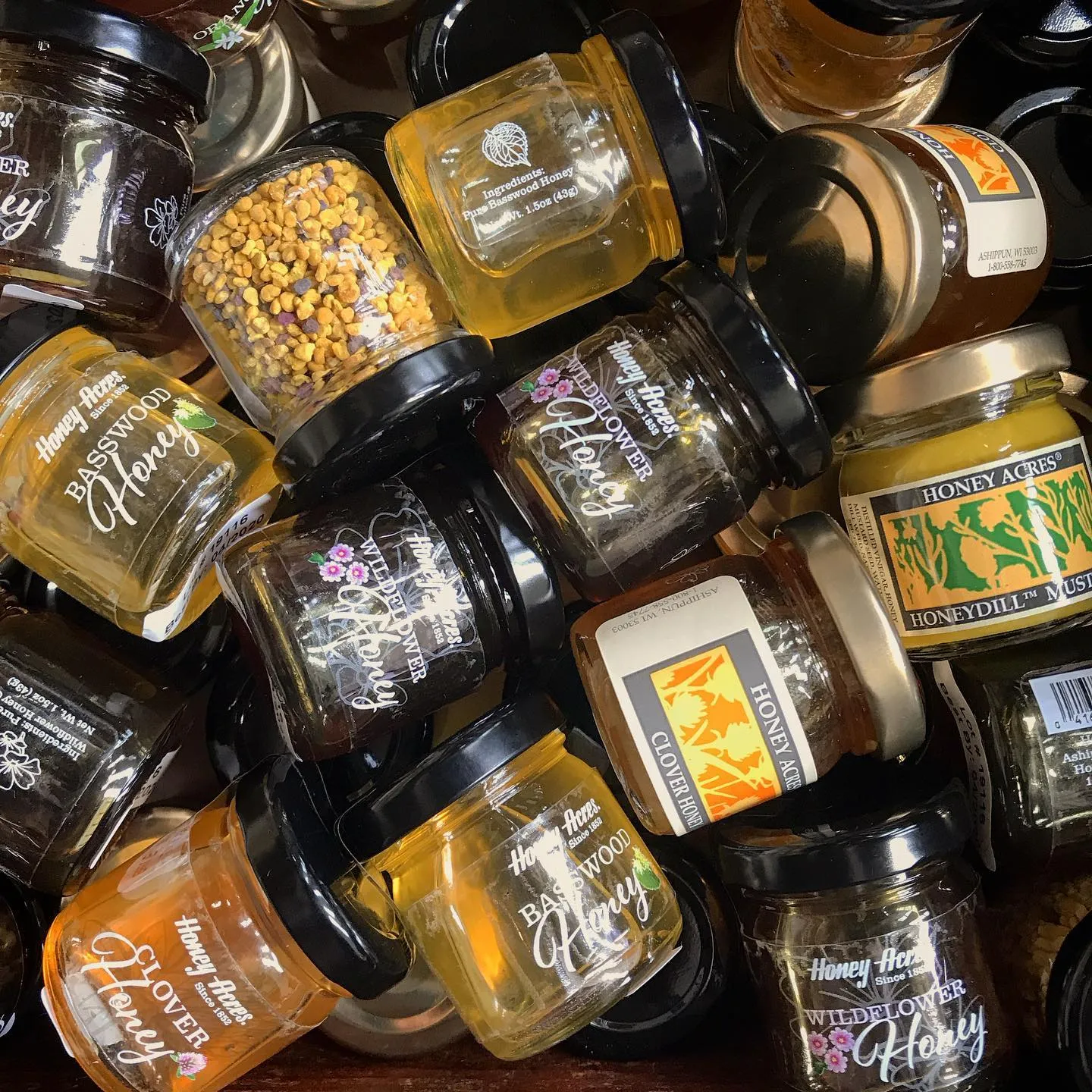 Honey Acres: The Ultimate Guide to Kosher Certified, Gluten-Free, and Big 9 Allergen-Free Treats
 I Tried Sun Powder for 30 Days: A Real Review of Ingestible Skincare