Shea Butter Benefits: Shea Terra's Nilotica Cold-Pressed Butter
The evidence-backed shea butter benefits for skin, plus how to choose and use raw shea butter like Shea Terra's Nilotica cold-pressed butter for real results.
Shea butter benefits: what the evidence shows
Shea butter benefits for skin go well beyond basic moisture — dermatology sources point to barrier repair, anti-inflammatory relief, and non-comedogenic hydration that works across most skin types. If you are trying to decide whether raw shea butter deserves a spot in your routine, this guide breaks down what the evidence actually shows and how to choose the right form for your skin.
Raw, cold-pressed shea butter is a solid pick for dry, sensitive, or barrier-compromised skin
Dermatology sources rate shea butter as non-comedogenic and moisturizing, with anti-inflammatory and barrier-repair properties, making it a reasonable everyday choice for most people — those with very oily or acne-reactive skin should still patch test first.
Shop Shea Terra OrganicsKey Highlights
- Dermatology sources classify shea butter as non-comedogenic, so it generally will not clog pores.
- Triterpenes in shea butter are linked to improved collagen levels, supporting a softer, smoother look over time.
- Anti-inflammatory compounds may ease redness and irritation from dryness, sunburn, and chapped skin.
- Ceramide-like properties help reinforce the skin's protective barrier.
Shea butter benefits: what the evidence shows
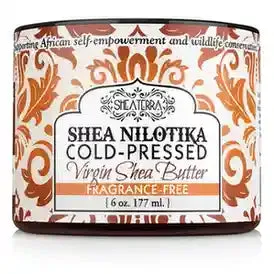
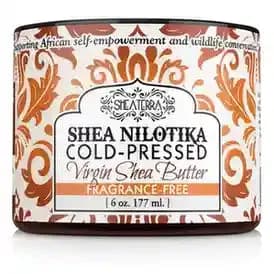
Shea Nilotika Cold-Pressed Virgin Shea Butter
Certified organic, fragrance-free, and backed by 342 verified customer reviews.
Shea butter is a plant lipid pressed from the nuts of the African shea tree (Vitellaria paradoxa). It is a creamy, off-white fat that stays solid at room temperature and is rich in triglycerides — oleic, linoleic, palmitic, and stearic fatty acids — plus antioxidants, phytosterols, and vitamins A, D, and E that help condition skin and lock in moisture.
According to Cleveland Clinic-sourced dermatology research, shea butter strengthens the skin's protective barrier through ceramide-like properties, making it well suited to dry skin thanks to its moisturizing, antioxidant, and anti-inflammatory qualities. The same source notes shea butter contains high levels of triterpenes, compounds linked to improved collagen levels, which may help skin appear softer, smoother, and more resilient over time.
Shea butter also carries anti-inflammatory substances that may ease swelling and redness associated with irritation, sunburn, chapped lips, and other minor skin conditions. Early research points to possible antibacterial properties that may help with acne, though the source pack notes more studies are needed before this can be stated as a settled benefit. Importantly, most dermatologists rate shea butter as non-comedogenic, meaning pure shea butter typically does not clog pores — a reassuring point for anyone worried about breakouts.
How to choose shea butter for your skin type
The right shea butter format depends on your skin type, climate, and how much time you want to spend applying it. Here is how to map the evidence above to your situation.
If you have dry or flaky skin
Raw, unrefined shea butter delivers the highest concentration of fatty acids and vitamins, since refining strips some of these compounds. Look for cold-pressed, fragrance-free options like the Shea Nilotika butter to maximize the barrier-repair and moisturizing benefits described above.
If you have sensitive or reactive skin
The anti-inflammatory profile of shea butter makes it a reasonable choice for calming redness and irritation, but always patch test on your inner forearm for 24–48 hours first, especially if you have a tree-nut sensitivity, since shea nuts are botanically related to nuts.
If you have oily or acne-prone skin
Because shea butter is generally rated non-comedogenic, it can still work — but use a thinner layer, apply to damp skin so it absorbs faster, and monitor for a week to confirm your skin tolerates it well before making it a daily habit.
If you want an easier, faster-absorbing texture
Raw shea butter is dense and needs warming between your palms before application. A whipped or blended shea formula spreads more easily and layers better under makeup or sunscreen.
Raw vs. refined vs. whipped shea butter
| Format | Best For | Nutrient Retention | Texture |
|---|---|---|---|
| Raw / cold-pressed (e.g., Shea Nilotika) | Dry, barrier-stressed skin | Highest — minimal processing | Dense, needs warming |
| Refined shea butter | Sensitive skin needing fewer plant compounds | Lower — heat/chemical processing removes some vitamins | Softer, milder scent |
| Whipped shea butter blend | Daily use, faster absorption | Moderate — often blended with oils | Light, spreads easily |
How to use shea butter safely for best results
- Patch test first. Apply a small amount to your inner forearm and wait 24–48 hours before using on your face.
- Warm it between your palms. Raw shea butter is solid at room temperature — a few seconds of warming makes it spreadable.
- Apply to damp skin. Damp skin helps the butter absorb rather than sit on the surface.
- Start with problem areas. Elbows, heels, and chapped lips are a low-risk place to test shea butter before using it all over.
- Layer thinly on the face. A pea-sized amount is usually enough — more product does not mean better results.
- Reassess after two weeks. If your skin tolerates it well, you can expand use; if you notice congestion, scale back or switch to a lighter blend.
Common mistakes and fixes
Mistake: Using too much, too soon. Fix: start with a thin layer on a small area rather than covering your whole face on day one.
Mistake: Skipping the patch test because it's "natural." Fix: natural ingredients can still trigger reactions, especially with nut-related sensitivities — always test first.
Mistake: Expecting it to replace sunscreen or active treatments. Fix: shea butter supports moisture and barrier repair; it is not a substitute for SPF or treatment-grade actives.
Mistake: Choosing a heavily fragranced formula for sensitive skin. Fix: opt for a fragrance-free, cold-pressed option to reduce irritation risk.
Alternatives to shea butter
For a complementary exfoliating and antibacterial cleanser, consider our African black soap benefits guide. If shea butter alone does not fully address your skin goals, Shea Terra's broader African-botanical lineup offers complementary options, including the brand's full range and sourcing story. If exfoliation and acne-prone skin are a bigger concern than dryness, African black soap is worth comparing for how it stacks up against a pure shea butter routine. For a comprehensive look at the brand overall, see our comprehensive review of Shea Terra Organics natural beauty products.
Shea Nilotika Cold-Pressed Virgin Shea Butter
What We Like
- Minimal processing preserves fatty acids and vitamins
- Fragrance-free formula suits sensitive skin
- One of Shea Terra's most-reviewed products
What to Consider
- Dense texture needs warming before application
- Raw format may feel heavier than a whipped blend
This cold-pressed butter keeps more of the fatty acids, antioxidants, and vitamins described in the evidence section above, since it skips heavy refining. It suits anyone prioritizing barrier repair over lightweight texture, particularly for elbows, heels, and dry facial patches.
The Bottom Line
The evidence supports real shea butter benefits — barrier repair, anti-inflammatory relief, and non-comedogenic moisture — especially in a raw, cold-pressed form like Shea Terra's Nilotika butter. Patch test first, and choose a whipped blend if you want faster absorption.
Shop Shea Terra OrganicsReferences
Recommended for you