How At-Home Blood Testing Works: A Lola Health Guide
A clear, step-by-step explainer on how at-home blood testing works, what biomarker panels typically measure, and how professional venous-draw services like Lola Health differ from DIY fingerprick kits.
How At-Home Blood Testing Works, Step by Step
How at-home blood testing works is simpler than most people expect: you order a panel online, a professional collects your sample at home or at a clinic, an accredited lab runs the analysis, and a doctor reviews your results before they land in an app, usually within days rather than weeks. This guide walks through each stage of that process, explains what biomarkers a typical panel actually measures, and uses Lola Health as a working example of how a UK-based service handles professional sample collection, lab accreditation and result turnaround. This is an educational overview, not medical advice — always discuss your results with a doctor or GP.
At-home blood testing works through professional collection, accredited lab analysis and doctor review — not just a mail-in kit.
Lola Health is a useful worked example because it uses professional venous blood draws rather than DIY fingerprick collection, and every result is reviewed by a doctor before it reaches you.
Explore Lola Health PanelsKey things to know before you book a test
- You order online first, then choose a collection method — there is usually no GP referral required.
- Professional venous draw (a nurse or phlebotomist drawing from a vein) differs from DIY fingerprick self-collection kits.
- Samples go to an accredited laboratory, not an in-house lab, for standardized analysis.
- A doctor reviews every result and adds written, personalized context before you see your report.
- Results are informational — they support a conversation with your doctor, not a self-diagnosis.
How At-Home Blood Testing Works, Step by Step
How at-home blood testing works comes down to five stages: you choose a panel online, pick a collection method, get your sample taken by a trained professional, wait for lab analysis, and receive a doctor-reviewed report. With Lola Health, the process runs like this: (1) choose a blood test panel on the website; (2) select a collection method — a phlebotomist visit at home or a clinic appointment; (3) book the appointment, which typically takes a few working days to schedule; (4) a professional phlebotomist draws the sample using the same technique used in hospitals or GP surgeries; (5) results are reviewed by a doctor and delivered through the app and by email.
Because collection is done by a trained phlebotomist — often someone who also works within the NHS — rather than by the customer at home, the process resembles a standard clinical blood draw more than a mail-in self-test. No GP referral is required to order a test in the first place, which is what makes this route appealing for proactive, self-directed health monitoring.
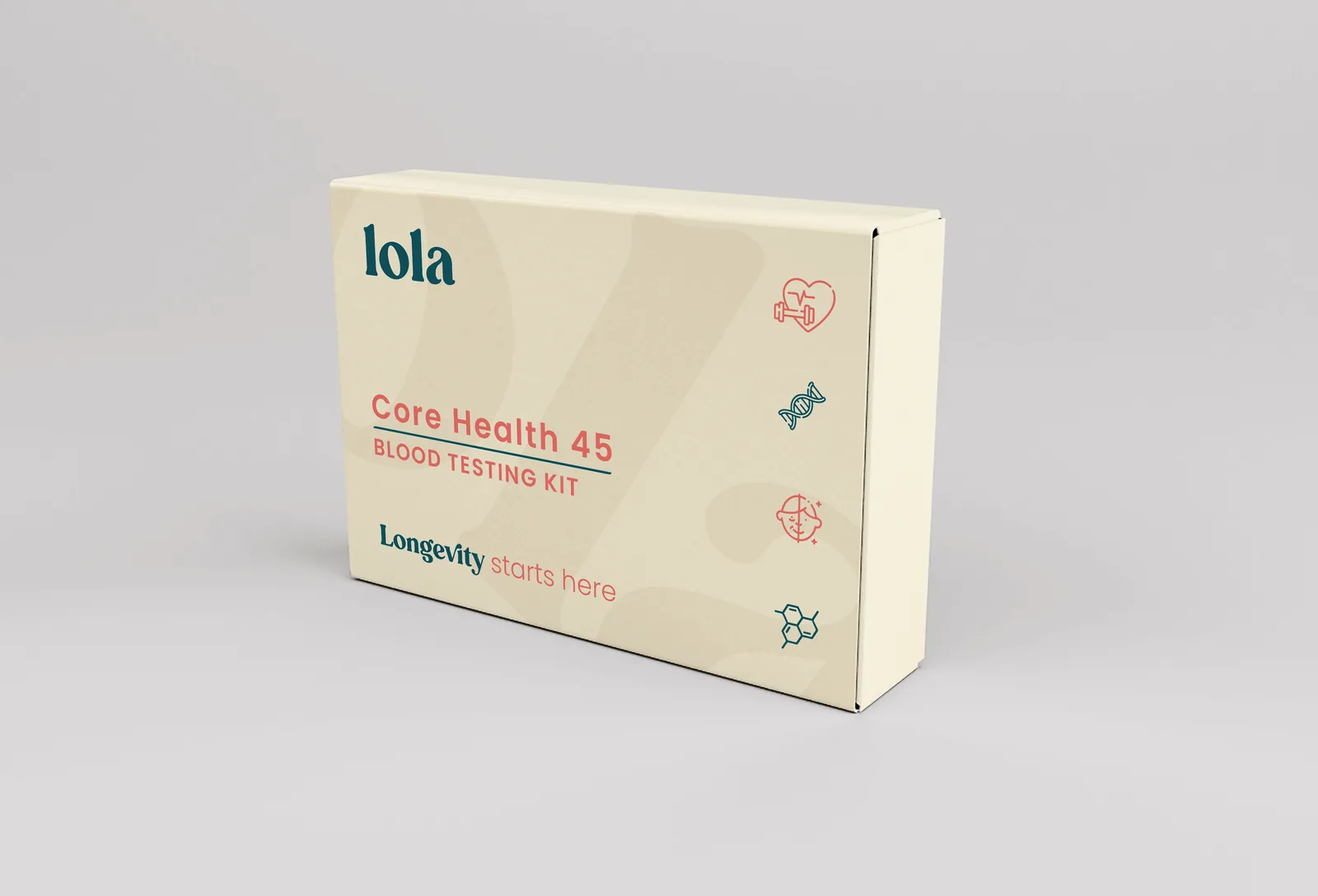
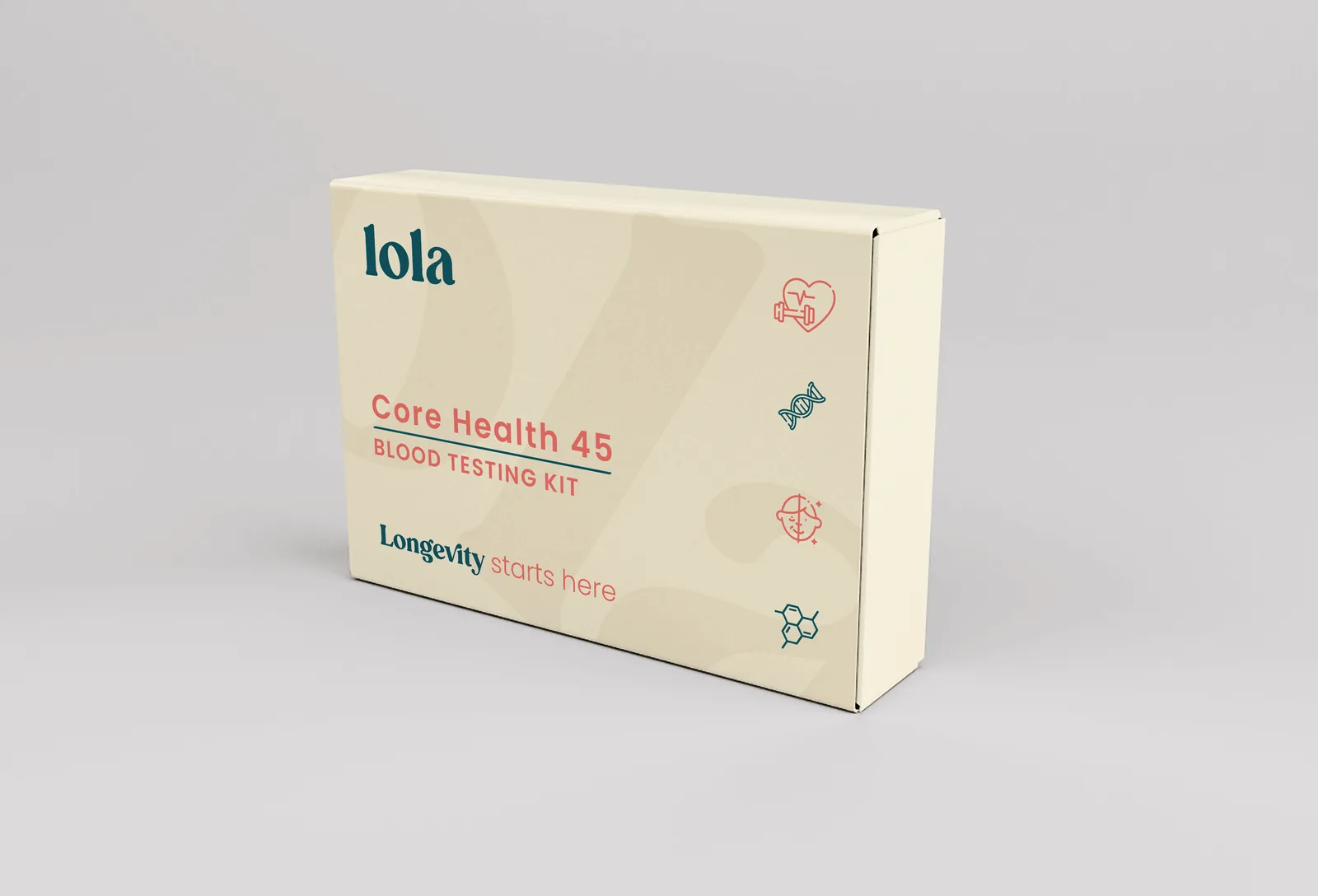
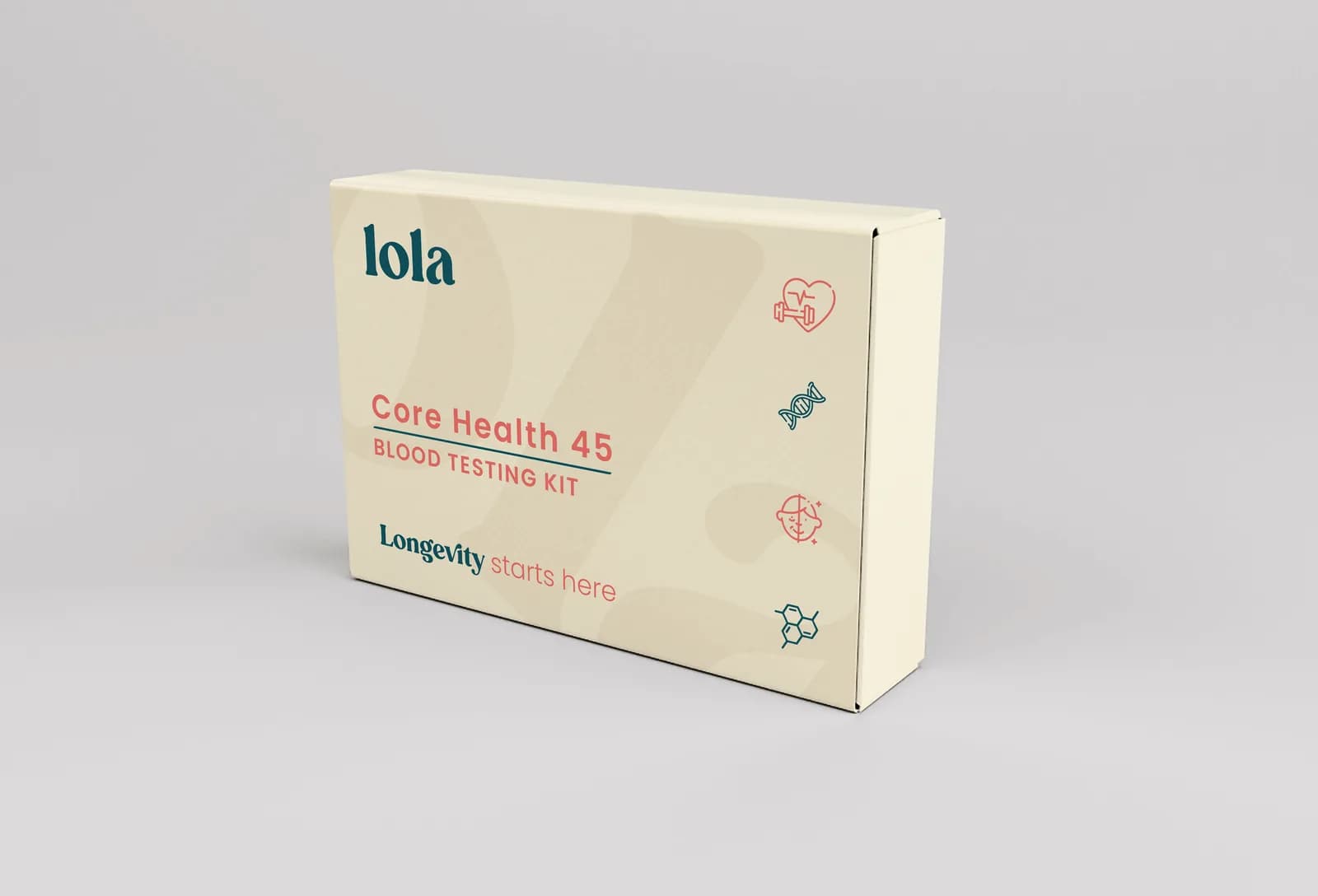
Core Health 45
A broad first panel covering full blood count, metabolic, cardiovascular, liver, kidney, inflammation, vitamin and core hormone markers — a reasonable entry point if you are new to biomarker testing.
Check Current PriceWhat Biomarkers and Panels Get Measured
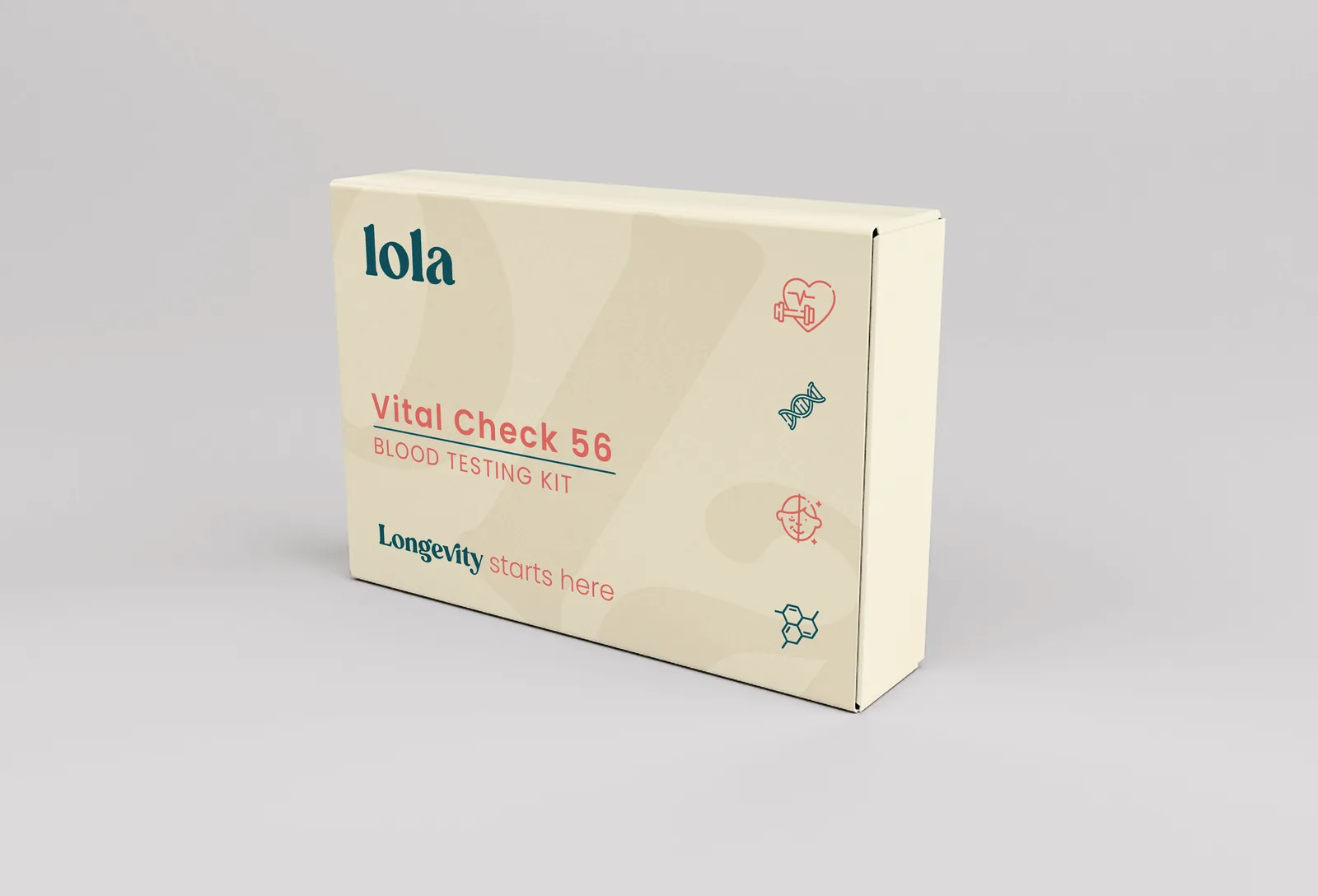
Most at-home blood testing panels are built around a core set of biomarker categories rather than a single test. A typical general-health panel measures cardiovascular markers (cholesterol, triglycerides, LDL, HDL), metabolic markers (blood glucose via HbA1c), thyroid function (TSH, Free T3, Free T4), inflammatory markers such as high-sensitivity C-Reactive Protein, liver and kidney function markers, and micronutrient status including Vitamin D, B12 and magnesium. Panels are typically layered by depth: Lola Health's Core Health 45 covers 45 biomarkers across nine categories, Vital Check 56 extends to 56 biomarkers as a mid-tier option, and Peak Insights 70 goes furthest with 70 biomarkers spanning metabolic, hormonal and micronutrient analysis.
Beyond general panels, some services offer targeted options: gender-specific hormone panels for reproductive and testosterone-related markers, and performance-focused panels aimed at athletes tracking recovery and training response. These are typically used for proactive screening, monitoring an ongoing treatment, or trending biomarkers over time rather than for diagnosing a specific condition.
Lab Accreditation and Turnaround Times
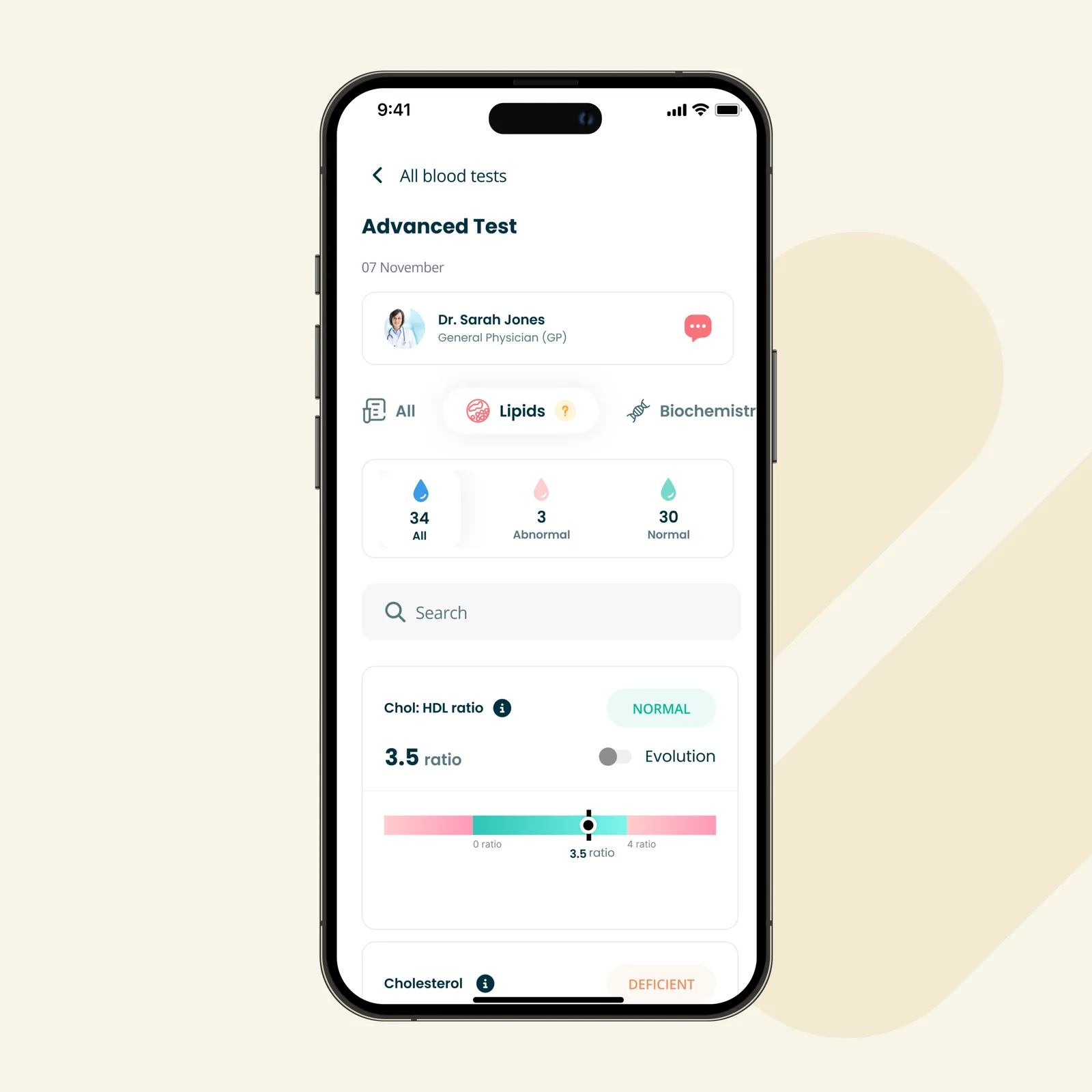
Accreditation is one of the more useful things to check before choosing a service, since it signals whether the lab meets recognised quality standards rather than running tests in-house without oversight. Lola Health's samples are processed by UKAS-accredited (ISO 15189) UK laboratories, the same standard used for NHS sample processing. Turnaround is typically faster than public healthcare testing: most Lola Health panels return results within 2 working days, with more comprehensive panels like Peak Insights 70 taking up to 4 working days. Peak Insights 70 also requires a 10–12 hour overnight fast before collection to keep glucose and lipid readings accurate.
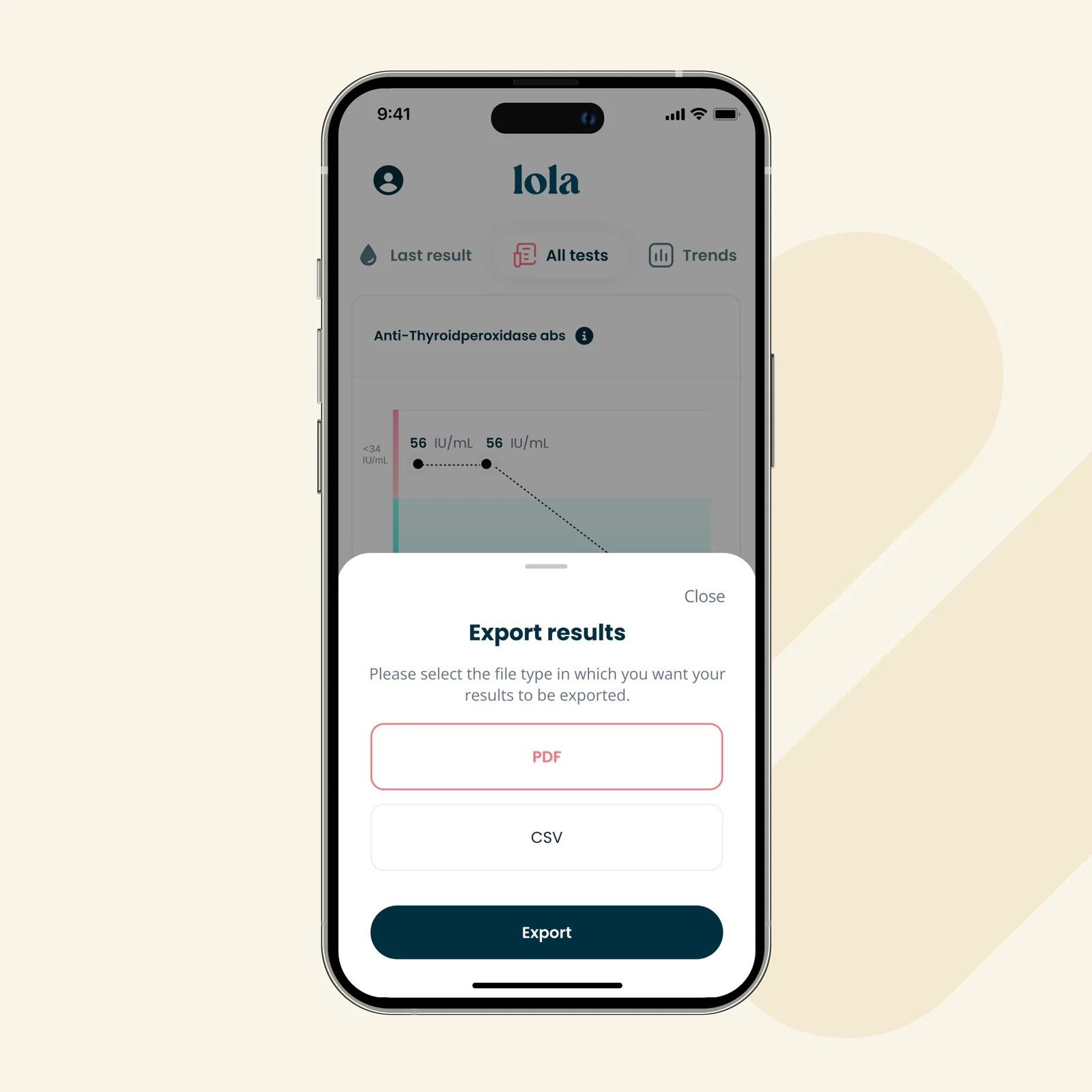
Every result is reviewed by a qualified doctor, who adds written, personalized analysis rather than leaving you to interpret raw numbers alone, and reports are downloadable as PDF or CSV files to share with your own GP.
Professional Venous Draw vs. Fingerprick Kits
Not all at-home blood testing works the same way. Some services mail you a lancet kit and ask you to prick your own finger and fill a small collection tube; others send a trained professional to draw blood from a vein, the same way a hospital or GP surgery would. Lola Health uses the professional venous-draw model rather than self-collection, and reports a 99.8% sample success rate for this method — a notably higher figure than what self-collected fingerprick samples typically achieve, since fingerprick samples are more prone to being too small or clotting before they reach the lab.
| Collection method | Who collects the sample | Typical trade-off |
|---|---|---|
| Professional venous draw (Lola Health) | Trained phlebotomist or nurse, at home or in clinic | Needs a scheduled appointment, but higher sample success rate |
| DIY fingerprick kit | You, self-collecting at home | More convenient scheduling, but higher risk of an invalid or rejected sample |
How to Choose the Right Panel for Your Goals
Because panels differ mainly in depth and focus, the right choice depends on what you are trying to learn rather than picking the biggest panel by default.
| Panel | Biomarkers | Typical turnaround | Best for |
|---|---|---|---|
| Core Health 45 | 45 across 9 categories | 2 working days | A first general health check |
| Vital Check 56 | 56 | 2 working days | More depth without the full workload |
| Peak Insights 70 | 70 | Up to 4 working days | A comprehensive, full-picture screen |
If your main focus is hormone-related symptoms, gender-specific panels covering reproductive hormones or testosterone-related markers are more targeted than a general panel. If you are also managing period-related pain alongside hormone tracking, our Myoovi period pain relief device review covers a complementary, drug-free option some readers pair with their testing routine. Athletes monitoring training load and recovery may prefer performance-focused panels built around that use case. Whichever panel you choose, treat the report as a starting point for proactive screening or trend tracking over time, not a diagnosis.
Common Mistakes to Avoid
A few avoidable errors can affect the quality of your results. Skipping the recommended overnight fast before a fasting panel like Peak Insights 70 can skew glucose and lipid readings, so plan your appointment for the morning if fasting is required. Booking the cheapest or broadest panel without matching it to your actual goal is another common mistake — a targeted hormone or performance panel may answer your question faster than a large general panel. Finally, treating a single result as a final verdict rather than a data point to track over time misses one of the main benefits of at-home testing: trending biomarkers across repeat tests. Always review results with a doctor before making any changes to medication, diet or training.
Lola Health vs. Other At-Home Testing Options
Several UK services offer at-home blood testing, and the main structural difference between them is the collection method. Competitors such as Medichecks or Thriva often rely on DIY fingerprick self-collection kits as the default option, whereas Lola Health includes professional venous phlebotomy as standard for most panels rather than as an optional add-on. Lola Health also extends beyond standard blood panels into biological age assessment through DNA methylation analysis and gut microbiome testing, for readers who want a broader wellness picture alongside bloodwork. Independent customer feedback on Lola Health sits at 4.7 out of 5 on Trustpilot from more than 155 verified reviews, which is a useful reference point when comparing services, though it is worth reading recent reviews directly on Trustpilot rather than relying on any single figure.
The Bottom Line
How at-home blood testing works ultimately hinges on three things: who collects your sample, which lab analyzes it, and whether a doctor reviews the result. Lola Health's professional venous-draw model, UKAS-accredited labs and doctor-reviewed reports make it a reasonable example of the higher end of this category for readers who want a clinical-style collection experience without a GP referral. For hands-on details on the Lola Health experience, including the full panel breakdown, see our in-depth Lola Health review.
See Lola Health Panel OptionsSources
This article is for general informational purposes only and does not constitute medical advice, diagnosis or treatment. At-home blood testing panels are screening and monitoring tools, not diagnostic instruments; always discuss your results with a doctor or qualified healthcare professional before making decisions about your health, medication or treatment.
Recommended for you