The Best Sleep Accessories for 2026
Not all sleep accessories are equal. This guide matches the right products to your specific sleep problem — mouth breathing, snoring, dry air, or light sensitivity — so you can finally get the rest you deserve.
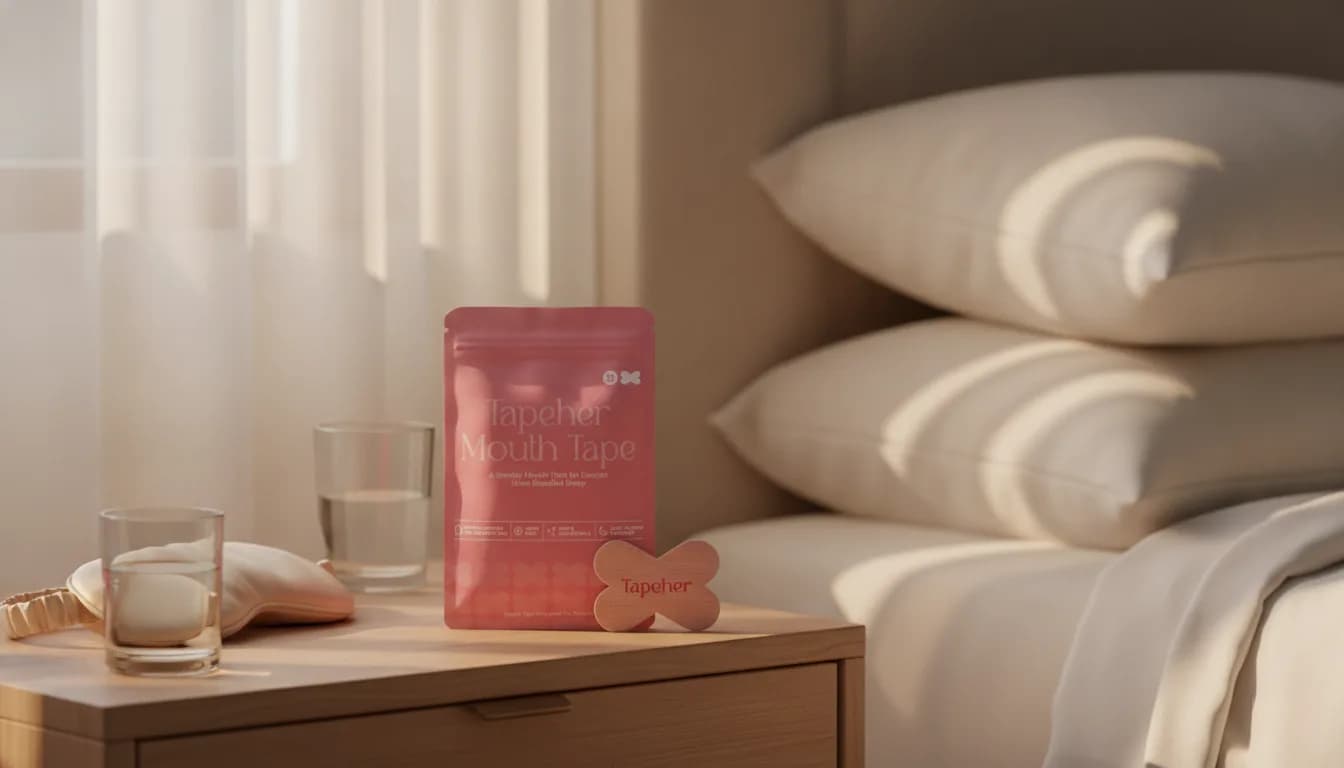
Why Sleep Accessories Matter in 2026
- Why Sleep Accessories Matter in 2026
- How to Choose the Best Sleep Accessories for Your Situation
- Mouth Tape: The Core Best Sleep Accessory for Breathing
- Nasal Strips: Clear the Airway Before You Tape
- Best Sleep Accessories Comparison: Which One Fits Your Situation
- How to Build Your Sleep Accessory Stack
- Common Mistakes When Choosing Sleep Accessories
- Alternatives to Consider
The best sleep accessories aren't the ones with the most Instagram buzz — they're the ones matched to your specific sleep problem. At Purisia, we've mapped the evidence on breathing, light, and environment to help you choose accessories that support genuine rest in 2026.
For most mouth breathers, a cotton-based mouth tape paired with a nasal strip is the highest-impact place to start.
If you're a light snorer or mouth breather with no diagnosed sleep disorder, a targeted accessory stack can meaningfully improve your nights. Those with moderate-to-severe sleep apnea, nasal obstruction, or anxiety around covering the mouth should get a sleep study before trying mouth tape.
Shop Tapeher — Our Top PickKey Highlights
- Nasal breathing supports uninterrupted sleep architecture by activating the parasympathetic nervous system — mouth breathing can fragment deep (N3) sleep.
- Nasal passages produce 5–20× more nitric oxide than mouth breathing, enhancing oxygen uptake and vascular function during rest.
- A clinical study in mild OSA patients showed a 47% reduction in snoring events after one week of mouth taping.
- Nasal strips can improve nasal airflow by 35–50%, making nasal breathing more accessible before adding mouth tape.
- A layered approach — mouth tape + nasal strips + humidity control + light blocking — addresses breathing, environment, and circadian rhythm simultaneously.
Why Sleep Accessories Matter in 2026
Sleep is not passive. Your body cycles through light sleep, slow-wave sleep (N3), and REM roughly every 90 minutes — and the quality of your breathing during those cycles determines how rested you feel. Nasal breathing activates the parasympathetic nervous system via the nasal valve's mechanoreceptors, creating the vagal-tone shift necessary for deep-sleep onset and maintenance. Mouth breathing bypasses this feedback loop, reducing time spent in restorative slow-wave sleep.
The nasal sinuses also produce nitric oxide — a vasodilator that enhances oxygen absorption in the lungs — which mouth breathing skips entirely. Research in the American Journal of Respiratory and Critical Care Medicine documents that nasal breathing produces 5–20× more nitric oxide than mouth breathing. Separately, Oxygen Advantage research (a commercial source, not peer-reviewed) reports that nasal breathers may maintain up to 10–20% better oxygen saturation compared to mouth breathers.
The American Dental Association notes that mouth breathing reduces salivary flow, shifting oral pH toward acidity and increasing cavity risk. Meanwhile, the nasal passages filter, warm, and humidify incoming air — protections that mouth breathing completely bypasses, allowing unfiltered allergens and pathogens to irritate the lower airway.
The right accessories address these mechanisms at their root. But the keyword is right — the wrong accessory for your situation does nothing at best and creates a safety hazard at worst.
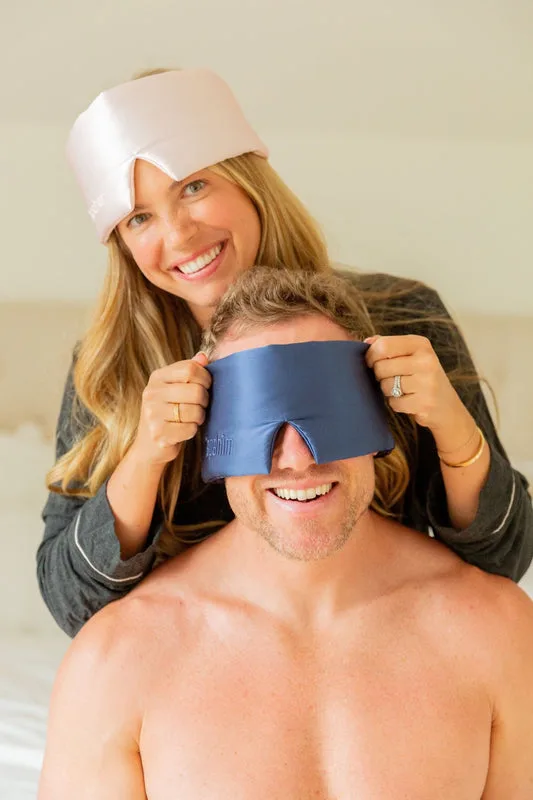
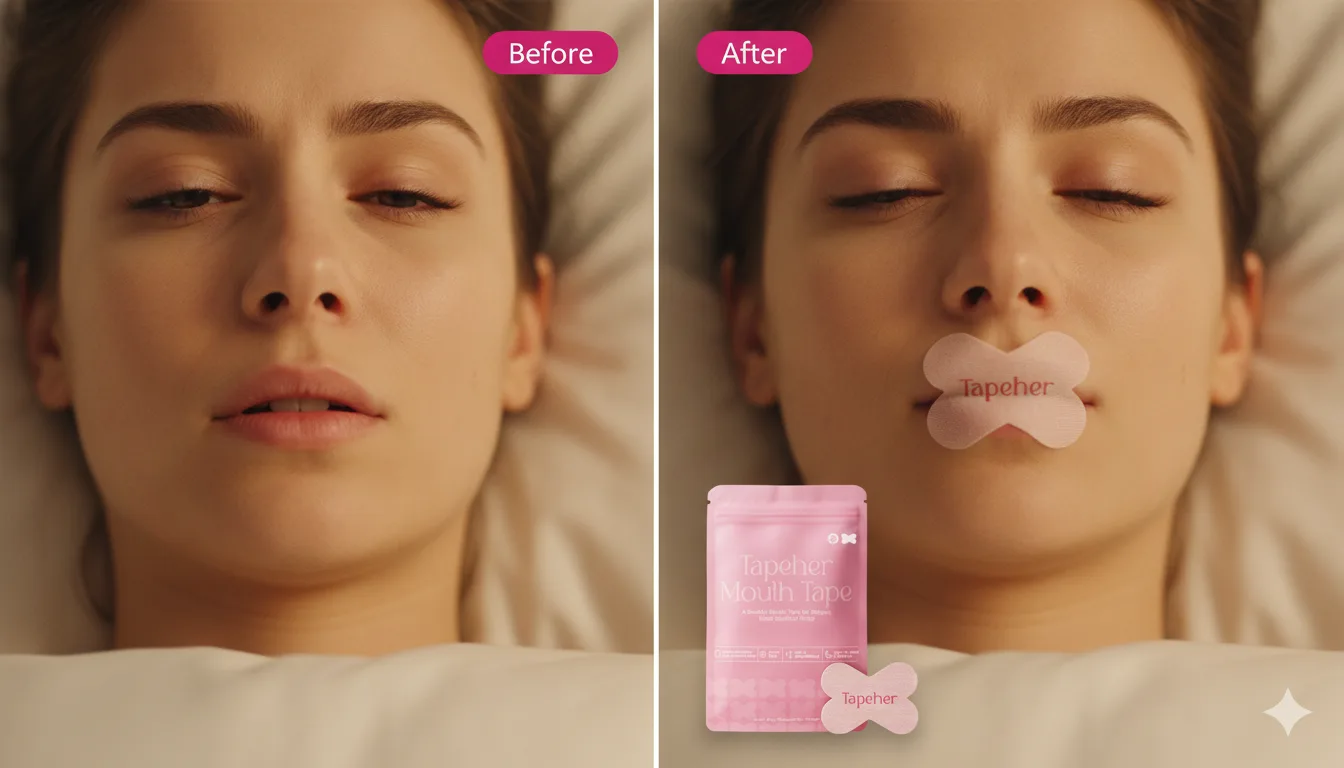
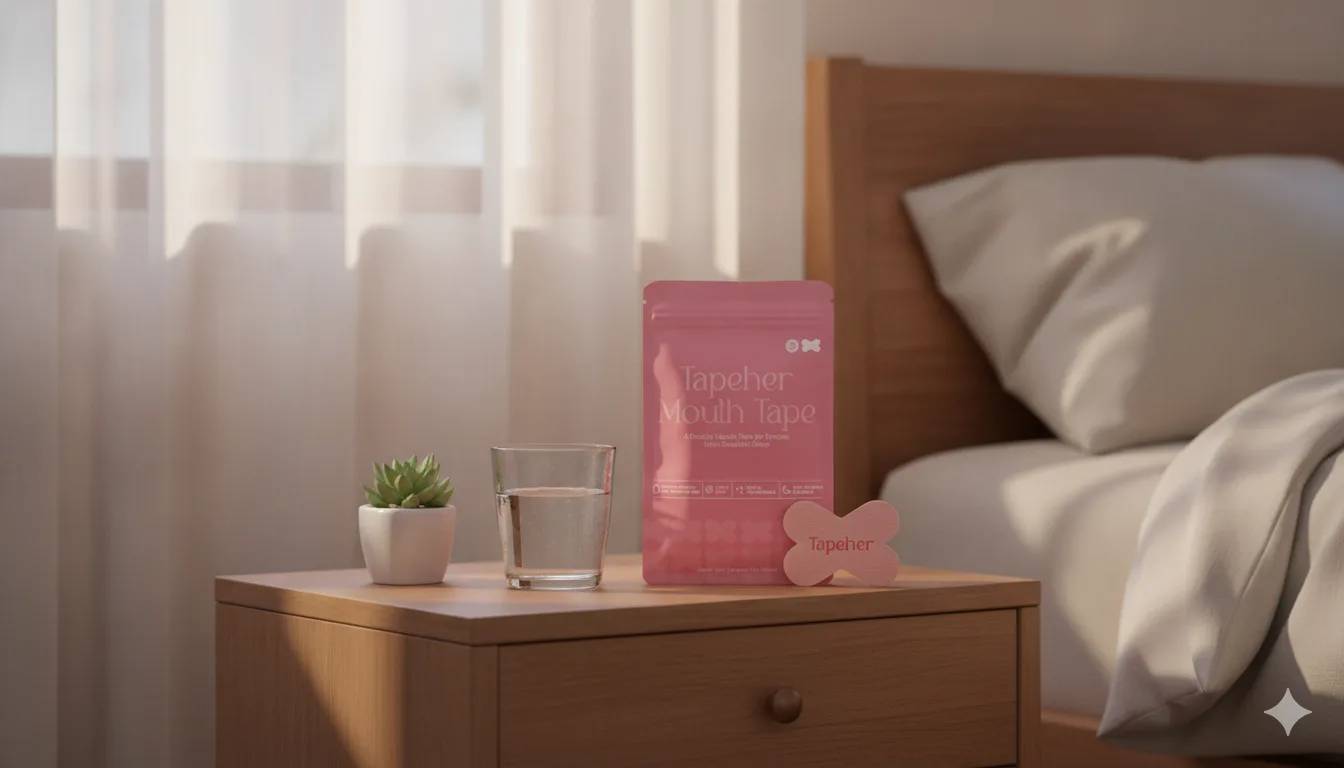
Tapeher Mouth Tape
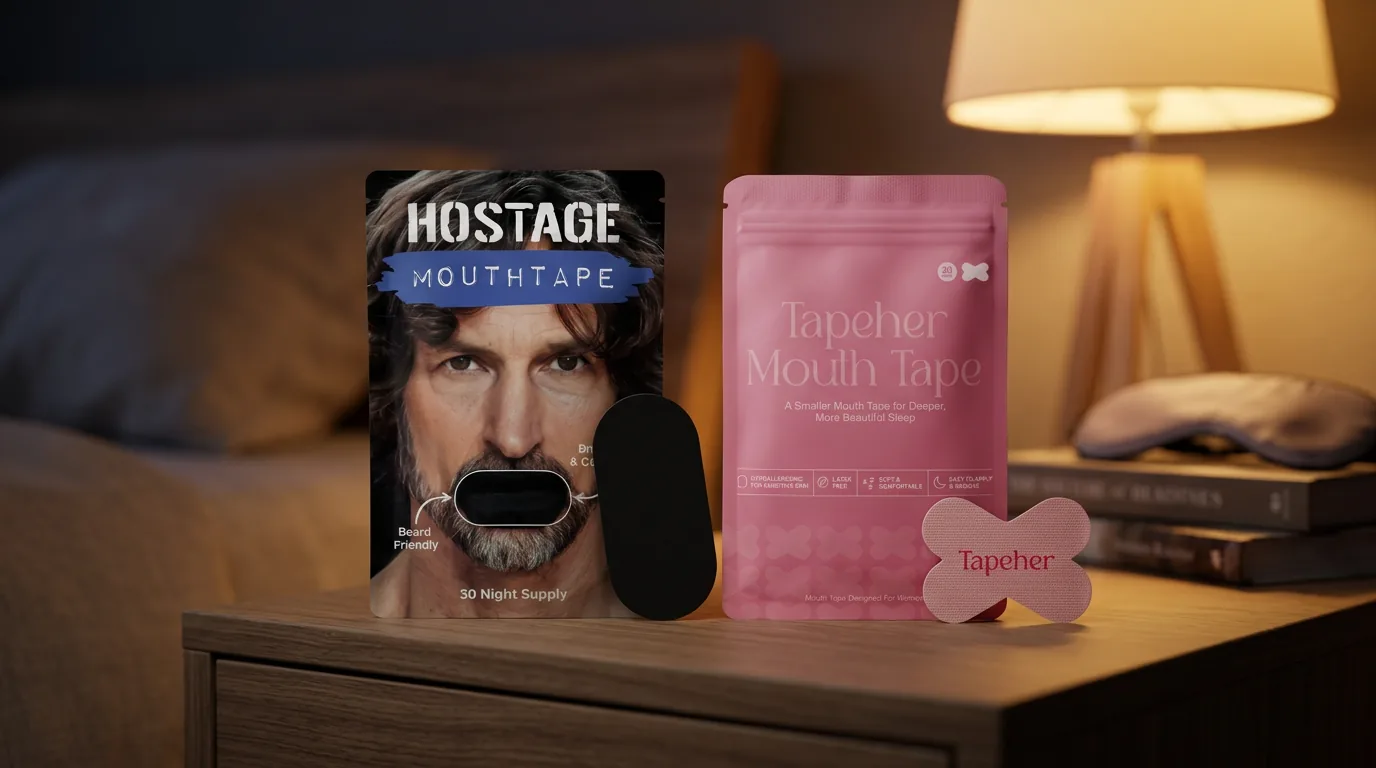
X-shape design is 50% smaller than standard tape; made from 95% cotton + 5% spandex; PFAS-free, verified by SGS North America in January 2026.
How to Choose the Best Sleep Accessories for Your Situation
The single biggest mistake people make is grabbing whatever accessory is trending on social media rather than matching the tool to the problem. Here's how to think about it:
You snore but haven't been diagnosed with sleep apnea
Mouth tape is your highest-leverage starting point. Clinical data shows roughly 65% of mild OSA patients achieve at least 50% snoring reduction after one week of consistent use. For simple snorers without diagnosed apnea, results can be faster. Pair it with a nasal strip to maximize nasal airflow before adding the tape. Read our deep-dive guide on mouth tape for snoring for the evidence breakdown.
You wake up with a dry mouth or bad breath
Dry mouth during sleep allows bacteria to proliferate, increasing the risk of cavities and gum disease. If mouth breathing is the underlying cause, a full-coverage mouth tape resolves it at the source. If the cause is gum disease, acid reflux, or poor oral hygiene, mouth tape will not help — get a dental evaluation first.
You have sensitive skin or react to adhesives
Silicone-based adhesives carry the lowest sensitization risk of any adhesive type — far below acrylates, which carry roughly 2–4% sensitization rates. Daily users with sensitive skin should specifically choose silicone-adhesive products; acrylate sensitization can develop after weeks or months of symptom-free use. Always patch-test on your wrist for 24 hours before facial use. For material safety details, see our full guide to non-toxic mouth tape.
You have facial hair
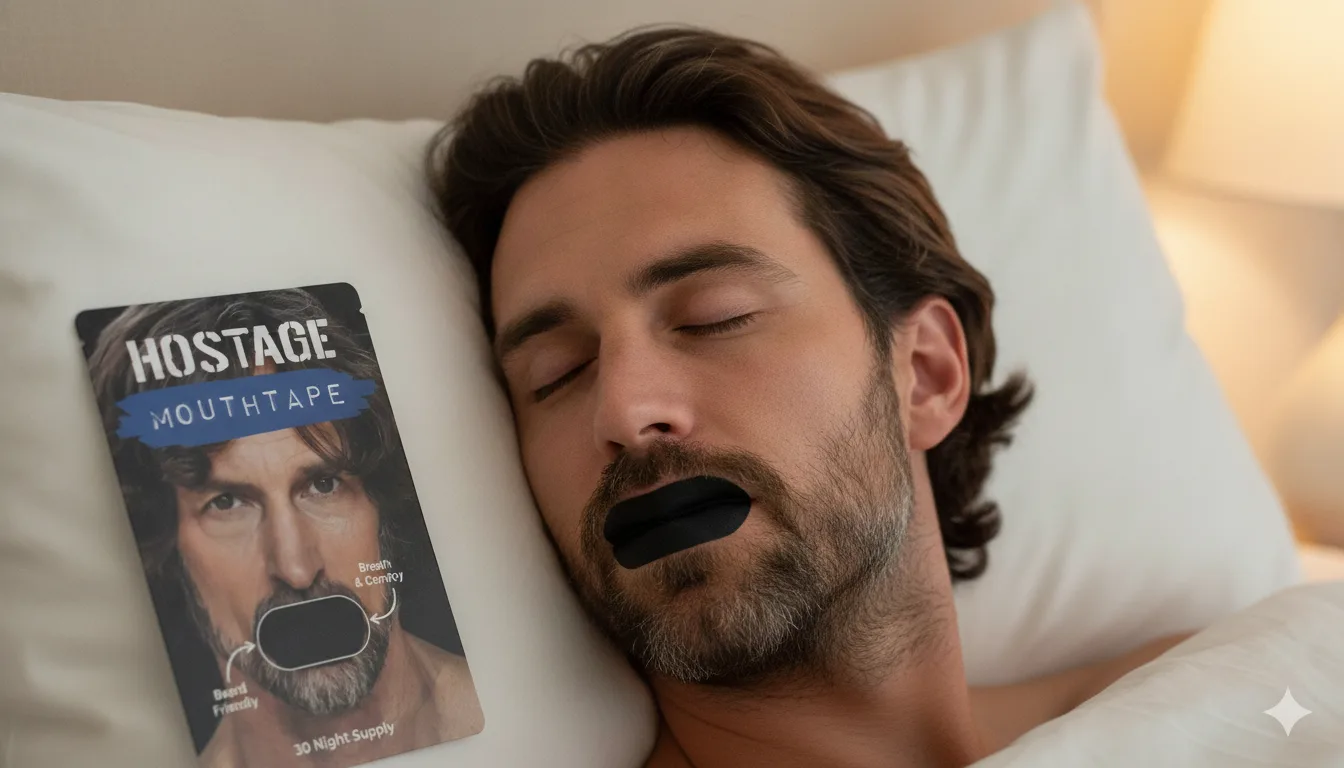
Standard mouth tape loses adhesion on stubble. Hostage Tape's BeardFlex technology combines a premium adhesive with flexible fabric engineered to grip through beards and stubble, maintaining a seal throughout the night.
You feel claustrophobic or anxious about sealing your mouth
SomniFix's patented central mesh vent allows limited airflow even when the strip is in place — a genuine psychological safety backup. The trade-off is lower adhesion strength and higher cost (~$1.20 per strip). Starting with a vented design often helps first-timers build the habit before switching to full-coverage tape.
You breathe through your mouth because your nose is blocked
This is the most important safety check. Mouth taping is contraindicated if you have nasal obstruction — whether from allergic rhinitis, deviated septum, enlarged tonsils, or chronic sinusitis. Taping your mouth shut when your nose can't compensate creates an asphyxiation risk. Start with a nasal strip or saline rinse to clear the airway. If obstruction is structural, see an ENT before trying any mouth tape.
Mouth Tape: The Core Best Sleep Accessory for Breathing
Mouth tape is the highest-intent item in any sleep-breathing accessory stack. It works by keeping the mouth closed during sleep, redirecting airflow through the nose and triggering all the downstream benefits — nitric oxide production, parasympathetic activation, saliva preservation, and airway stability.
Tapeher Mouth Tape
What We Like
- X-shape leaves room on both sides of the mouth for comfort without sacrificing closure
- Independently PFAS-tested by SGS — one of the only brands with documented third-party verification
- 95% cotton base has the lowest sensitization risk profile of any common tape material
- Discreet and compact — less intimidating for first-time users
What to Consider
- Adhesive type is not publicly disclosed — worth asking about if you're highly adhesive-sensitive
- Priced at the premium end of the category
- Designed primarily for women — men may prefer Tapehim variant
Tapeher's X-shape design is the standout differentiator among the best sleep accessories in this category. By being 50% smaller than a standard strip while still keeping the mouth reliably closed, it reduces the common first-night resistance that causes people to quit. The 95% cotton + 5% spandex base offers genuine breathability and stretch — materials with well-documented low sensitization risk. The SGS PFAS-free certification (January 2026) is one of the few documented third-party safety verifications in this product category, making it a strong choice for anyone who wants evidence rather than marketing claims.
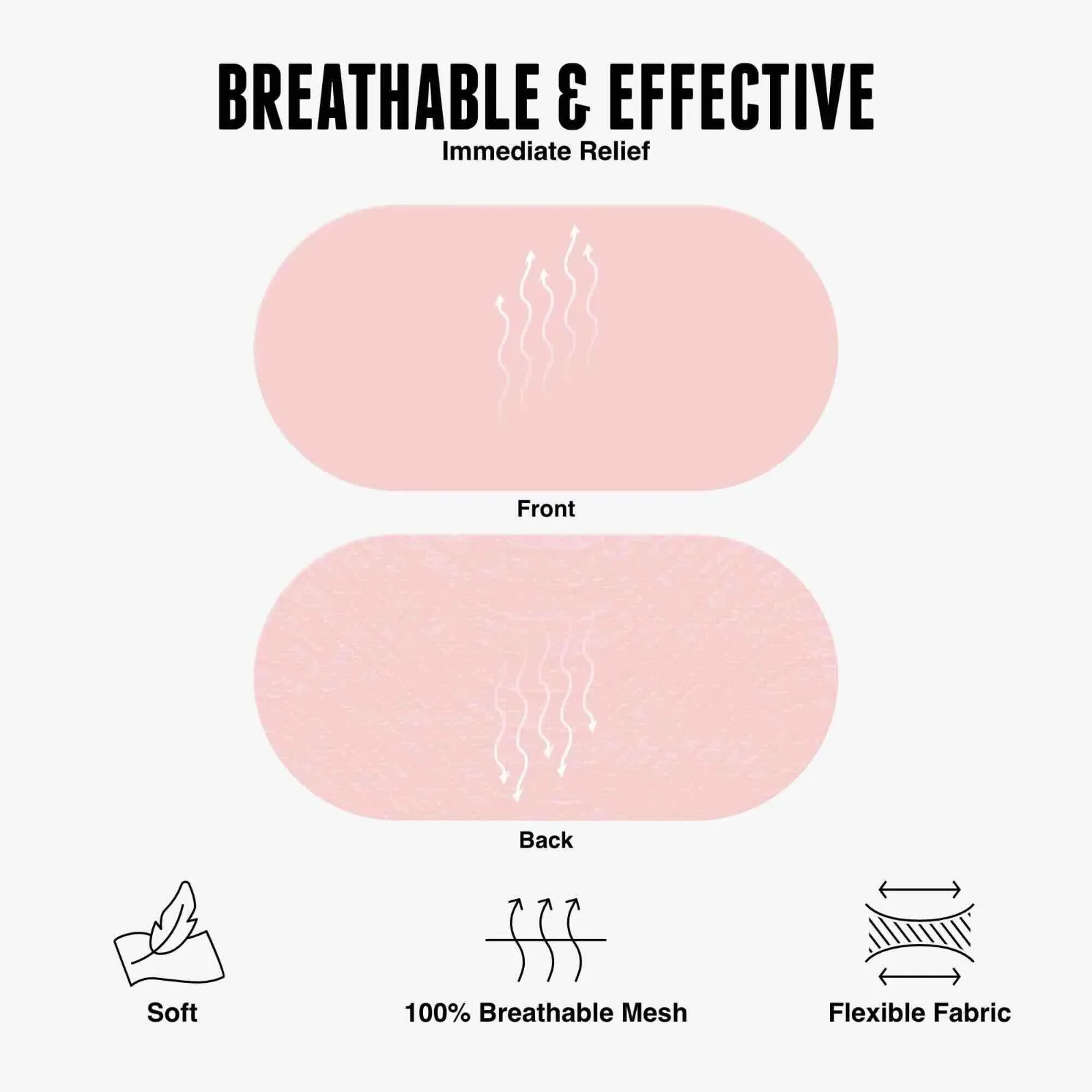
Hostage Tape
What We Like
- BeardFlex technology engineered specifically to adhere through beards and stubble
- AirFlow breathable mesh reduces the feeling of restriction overnight
- One of the most accessible price points in the category
What to Consider
- No published third-party safety certifications, PFAS testing, or disclosed material composition
- Some users report redness or adhesive residue — removal technique matters
- Full-coverage design may not suit claustrophobia-prone users
Hostage Tape solves the adhesion problem that makes most mouth tape useless for men with facial hair. The BeardFlex system grips through stubble and holds throughout the night, while the AirFlow mesh prevents the sealed-in feeling that prompts overnight removal. The main limitation: unlike Tapeher, Hostage Tape has not published PFAS testing, ISO biocompatibility certifications, or material composition data. For users primarily concerned with adhesion and price rather than ingredient transparency, it remains a practical option — just patch-test before committing to nightly use. See our full Hostage Tape review for a detailed assessment.
Nasal Strips: Clear the Airway Before You Tape
Nasal strips are spring-loaded bands that gently lift nasal passages open from the outside, improving nasal airflow by 35–50% in users with congestion or mild obstruction. They're drug-free, available over the counter, and safe for nightly use — making them an ideal first step before introducing mouth tape.
Using a nasal strip and mouth tape together is additive: the strip increases nasal airflow capacity while the tape ensures you actually use that capacity by keeping the mouth closed. Bundle packages that combine both products typically save 10–25% versus purchasing separately.
Nasal strips are especially important if you tend toward nighttime congestion. If you tape your mouth shut while your nose is blocked mid-night, you'll rip the tape off and sleep worse. Start a nasal strip habit for 1–2 weeks before adding mouth tape to confirm you can breathe comfortably through your nose all night.
Best Sleep Accessories Comparison: Which One Fits Your Situation
| Accessory | Best For | Key Feature | Price Range | Safety Note |
|---|---|---|---|---|
| Tapeher Mouth Tape | Women, sensitive skin, first-time users | X-shape design, SGS PFAS-tested, 95% cotton | Check current price | Confirm clear nasal breathing before use |
| Tapeher Mini | Light mouth breathers, petite face fit | Compact size, same cotton-spandex base | Check current price | Same contraindications as full-size |
| Tapehim Mouth Tape | Men seeking a Tapeher-quality option | Male-specific design, same safe materials | Check current price | Patch-test first if sensitive skin |
| Hostage Tape | Men with facial hair, maximum adhesion | BeardFlex technology, AirFlow mesh | From $19.99 / 30ct (promotional) | No published third-party safety data |
| His & Hers Bundle | Couples optimizing sleep together | Both variants, best value per strip | Check current price | Both partners must confirm nasal breathing |
| Nasal Strips (Breathe Right) | Nasal congestion, pre-tape prep | Lifts nasal passages, 35–50% airflow gain | ~$8–12 / 10ct | Drug-free, generally safe; avoid on broken skin |
| Humidifier | Dry-air environments, winter months | Maintains 30–50% indoor humidity | ~$30–150 | Clean weekly to prevent mold growth |
How We Chose the Best Sleep Accessories
We evaluated each product category against five criteria: material safety credentials (PFAS testing, ISO certifications, adhesive type), alignment with published clinical evidence on breathing and sleep, honest brand transparency, price-to-value ratio, and practical fit for the specific use case. We excluded products that could not demonstrate third-party safety testing where safety claims were a key selling point.
How to Build Your Sleep Accessory Stack
The most effective approach combines accessories that address different layers of sleep quality simultaneously: nasal breathing capacity, oral breathing prevention, environmental air quality, humidity, and light. Here's a practical build-order:
- Confirm nasal breathing first. Anyone with pre-existing sleep disorders, OSA symptoms, or respiratory conditions should consult a sleep specialist before starting. Healthy adults: breathe through your nose for 3–5 minutes while lying down. If it feels comfortable, proceed.
- Add a nasal strip (Week 1–2). Use Breathe Right or equivalent nightly to increase nasal airflow and identify any structural obstruction before layering in mouth tape.
- Introduce mouth tape (Week 2–4). Expect a 1–3 week adjustment period. Start with partial coverage or a vented option if you feel anxious, then progress to full coverage once the habit is established.
- Add environmental control. A humidifier maintaining 30–50% indoor humidity reduces nasal passage irritation — especially valuable in winter or dry climates where dry air triggers compensatory mouth breathing.
- Block light. Sleep masks support melatonin production by blocking light exposure and maintaining circadian rhythms.
- Track your results. Wearable sleep trackers provide objective data on sleep stages and breathing patterns before and after introducing each accessory, so you can identify which combinations actually work for your physiology.
Introduce one new accessory at a time and give each at least two weeks before adding the next. This lets you isolate what's helping.
Common Mistakes When Choosing Sleep Accessories
Even the best sleep accessories produce poor results when used incorrectly. These are the patterns we see most often:
- Skipping the nasal-breathing check. Mouth taping with nasal obstruction — from allergies, deviated septum, enlarged tonsils, or sinusitis — creates an asphyxiation risk. This is the non-negotiable safety gate.
- Trusting unverified "hypoallergenic" claims. The FDA has no legal definition of hypoallergenic — brands can apply the term without any proof. Look for documented third-party testing (ISO 10993-1, SGS PFAS testing) instead.
- Ripping tape off in the morning. Removal technique matters: dampen the tape with warm water or apply a small amount of coconut or baby oil along the edges to break the adhesive bond without irritating skin.
- Using one accessory to fix a multi-factor problem. If you have dry air, light sensitivity, and mouth breathing, a single product won't solve all three. Build the stack progressively.
- Giving up after one night. The adjustment period typically runs 1–3 weeks — minor discomfort or broken sleep in the first few nights is normal and expected.
Alternatives to Consider
Not every sleep problem requires mouth tape. Here are adjacent options worth knowing:
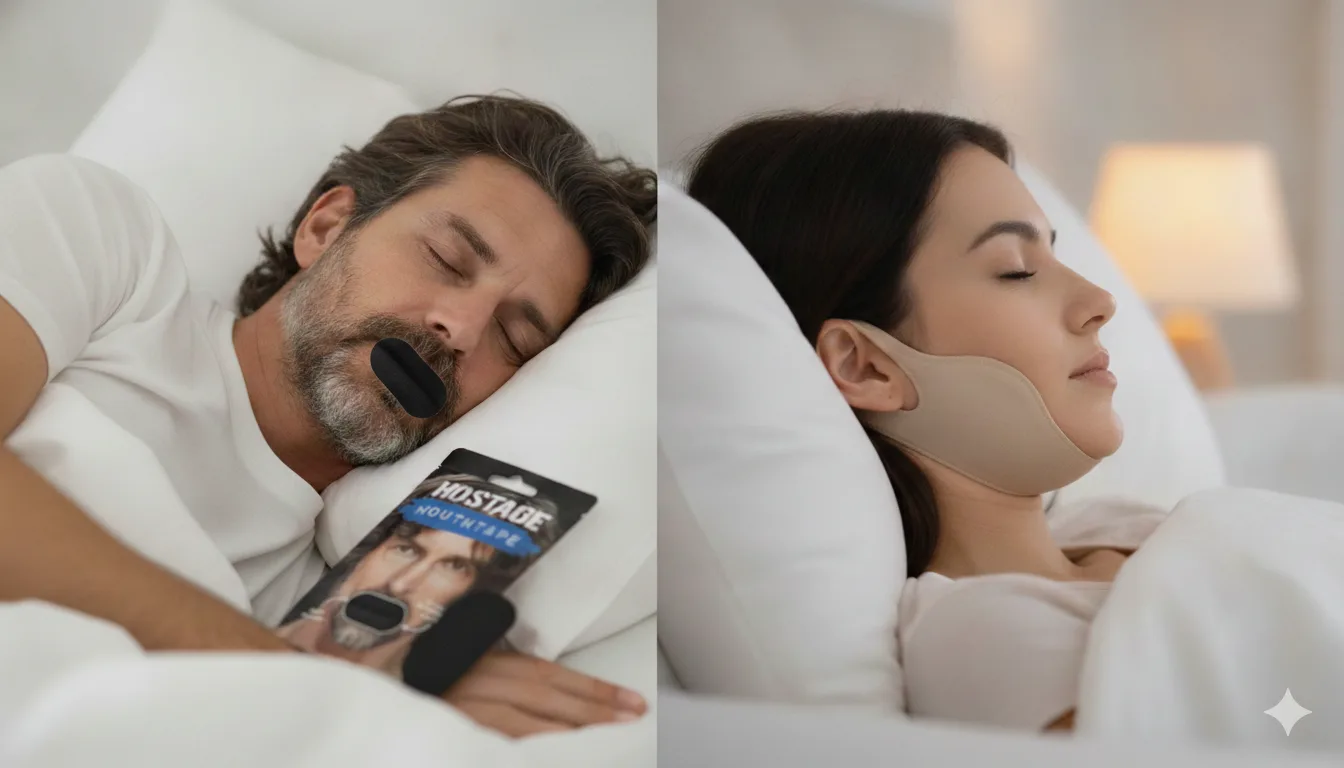
- Chin straps ($15–40): Elastic straps that support the jaw from below, encouraging mouth closure without adhesive. Less effective than tape at preventing mouth opening, but useful for those who react to adhesives or need an emergency-open option. Best combined with nasal strips.
- Saline nasal rinse ($5–25): A low-cost first-line tool for allergen-triggered nasal congestion. Regular use can improve nasal breathing enough to reduce the need for stronger interventions. Mayo Clinic recommends it for chronic congestion.
- Positional pillows: Sleep position significantly affects breathing. Specialized pillows that support back-sleeping or side-sleeping positions maintain proper head and neck alignment, preventing soft tissue collapse in the airway and reducing snoring — without any product applied to the face. They can also be combined with mouth tape or nasal strips for cumulative benefit.
- HEPA air purifiers: For allergy sufferers, removing dust, pollen, and pet dander from bedroom air reduces nasal irritation — addressing the root cause of congestion-triggered mouth breathing.
If snoring is severe or your partner reports breathing pauses, skip accessories altogether and go straight to a sleep study. See our overview of mouth tape side effects for the full contraindication picture, and our comparison of the best mouth tape for sleeping if you've already confirmed mouth tape is right for you.
The Bottom Line on the Best Sleep Accessories
For most mouth breathers, the highest-impact starting point is a quality cotton-based mouth tape — and Tapeher is the best-evidenced option for women and sensitive skin, while Hostage Tape solves the adhesion problem for men with facial hair. Layer in a nasal strip, manage bedroom humidity, and block light for cumulative gains. Always confirm clear nasal breathing before taping your mouth shut.
Shop Tapeher — Our #1 PickReferences
- PubMed Central — The Impact of Mouth-Taping in Mouth-Breathers with Mild Obstructive Sleep Apnea (2022). Chang Gung Memorial Hospital clinical study, 20 patients.
- PubMed Central — Nocturnal mouth-taping and social media: A scoping review (2024). Synthesis of 10 studies, 213 patients.
- American Journal of Respiratory and Critical Care Medicine — Nasal nitric oxide and oxygen uptake during nasal breathing.
- Cleveland Clinic — Mouth Taping: Is It Safe? (Dr. Brian Chen, sleep specialist guidance).
- FDA — Hypoallergenic Cosmetics Q&A: No legal definition exists.
- Breathe Right — Clinical data on nasal strip airflow improvement (35–50%).
- Sleep Foundation — Nasal breathing and sleep architecture.
- American Dental Association — Chronic mouth breathing and oral pH stability.
Recommended for you
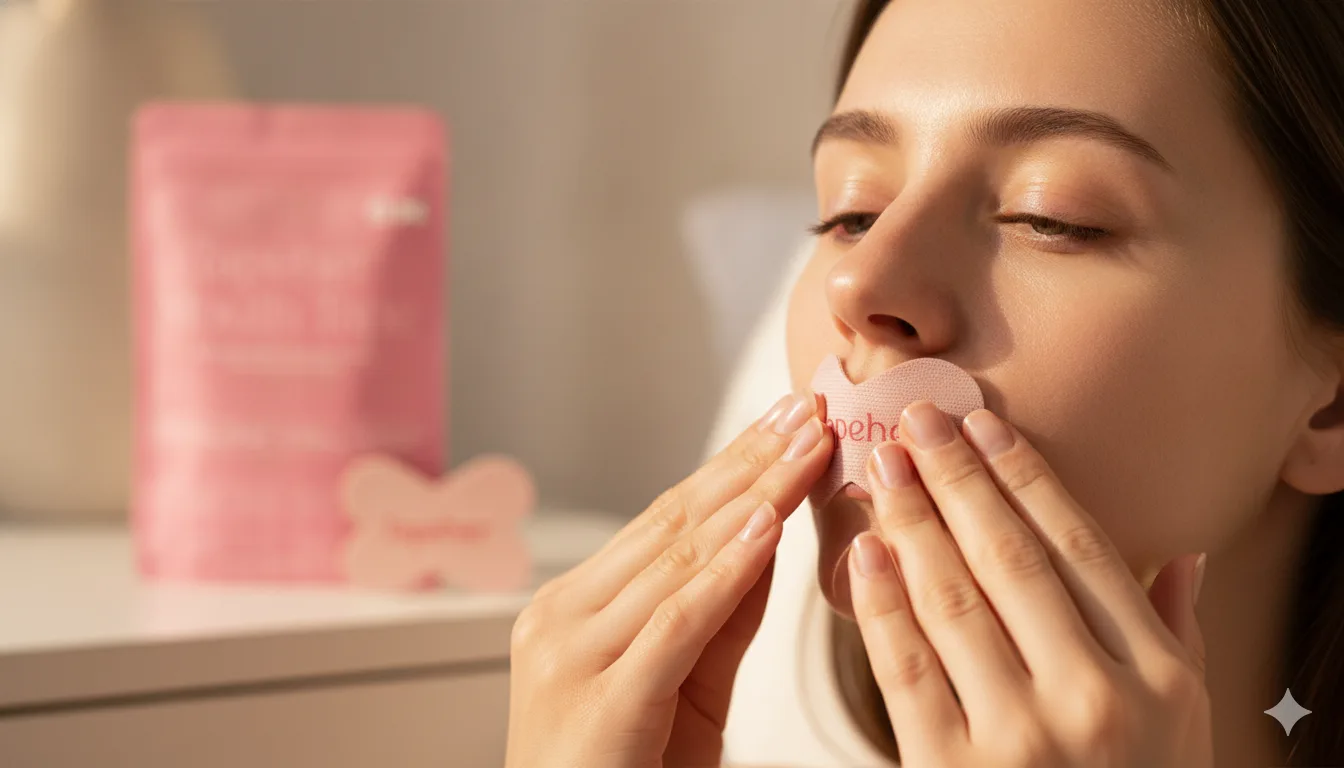 How to Put Mouth Tape On: Safe Step-by-Step Guide (2026)
 Mouth Tape Before and After: 5 Real Changes to Expect (2026 Guide)
 Chin Strap vs Mouth Tape: 2 Smart Options Compared (2026)
 Mouth Tape Guide: 5 Key Features to Compare Before Buying (2026)
 Mouth Tape for Sleep: 7 Benefits, Safety Rules & How to Start
 Mouth Tape for Snoring: Does It Work and Which One to Use