Mouth Tape for Sleep: Benefits, Safety, and How to Use It
Mouth tape for sleep is a small strip that closes your lips during the night, nudging your body toward nasal breathing. This guide covers how it works, the real research on benefits and risks, and how to try it safely.
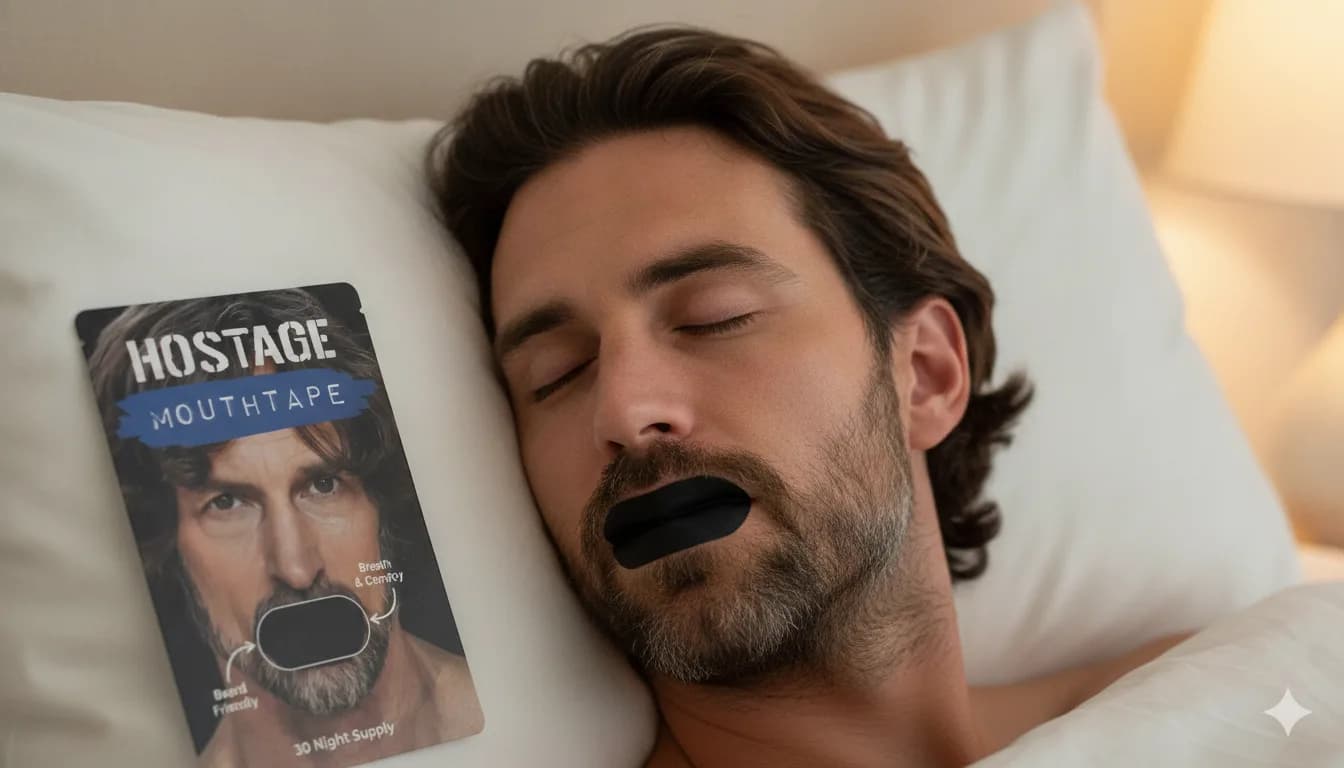
What is mouth tape for sleep?
- What is mouth tape for sleep?
- How mouth tape works
- 7 benefits of nasal breathing at night (and what mouth tape enables)
- Types of mouth tape: a quick comparison
- Is mouth tape safe? Risks and who should avoid it
- Common myths and what the evidence actually says
- Alternatives and complementary approaches
- How to start using mouth tape tonight
Mouth tape for sleep is a thin, skin-safe strip placed over the lips at bedtime to encourage nasal breathing throughout the night. At Purisia, we reviewed the clinical evidence, the safety rules, and the real-world caveats — so you can decide whether this habit belongs in your nightly routine.
Mouth tape for sleep is a low-cost tool that works well for nasal breathers who mouth-breathe at night — but it is not for everyone, and the evidence is narrower than social media suggests.
If you wake up with a dry mouth, feel tired despite a full night of sleep, or your partner mentions snoring, mouth tape may help — provided you can breathe comfortably through your nose. Read the safety section before you start.
Compare fit optionsKey highlights
- Mouth tape gently closes the lips to maintain nasal breathing during sleep.
- A clinical trial in 20 mild-OSA patients found AHI (breathing pauses) dropped from 8.3 to 4.7 events per hour, and the snoring index fell by about 47% after one week of mouth taping.
- Nasal breathing delivers nitric oxide to the lungs, supports deeper sleep stages, and filters airborne particles — none of which happens through the mouth.
- The American Dental Association cautions against mouth taping without medical evaluation, particularly for people with undiagnosed nasal obstruction.
- Purpose-made mouth tapes with silicone or hypoallergenic adhesives are far safer than household tapes.
- This guide will orient you to the topic so you can explore our in-depth reviews — linked throughout.
What is mouth tape for sleep?
Mouth tape is a small adhesive strip worn over the lips during sleep. It is not a medical device, not a drug, and not a mouthguard — it is simply a gentle physical reminder that keeps your lips together so air travels in and out through your nose rather than your mouth.
The concept is straightforward: humans are designed to breathe nasally. The nose filters, warms, and humidifies incoming air, and the nasal passages produce nitric oxide — a molecule that dilates blood vessels and enhances oxygen uptake. Research published in the American Journal of Respiratory and Critical Care Medicine found that nasal breathing produces 5 to 20 times more nitric oxide than mouth breathing, and may enhance oxygen absorption by 10–20%. Mouth tape aims to preserve that advantage across the full night.
Purpose-made mouth tapes look very different from the medical tape you might find in a first-aid kit. Modern options use hypoallergenic adhesives, breathable materials such as cotton or mesh, and ergonomic shapes designed for the lip area. Some, like Somnifix, include a small vent so you can still exhale through your mouth if you wake up congested.
How mouth tape works
When you fall asleep with your mouth open, airflow passes over the soft palate and causes it to flutter — the tissue vibration that creates the sound of snoring. Research on airway biomechanics shows that mouth breathing causes larger airway deformation and greater tissue movement compared to nasal breathing, making snoring louder and more likely. By keeping the lips closed, mouth tape routes airflow through the nose, which maintains higher pharyngeal muscle tone and reduces the collapse risk that leads to snoring and apneic pauses.
Beyond the mechanical effect, nasal breathing also stimulates the parasympathetic nervous system. Sleep Foundation research explains that the nasal airway's natural turbinate resistance triggers the vagal tone shifts needed to enter and maintain deep sleep stages (N2 and N3), a process that mouth breathing bypasses.
The nose also acts as the body's first air-filtration system. Mayo Clinic notes that nasal cilia and mucus membranes trap particles, allergens, and pathogens before air reaches the lungs — a defense mechanism lost entirely during mouth breathing. Reducing these micro-inflammatory triggers supports more consolidated, less fragmented sleep.
7 benefits of nasal breathing at night (and what mouth tape enables)
The following benefits are linked to nasal breathing during sleep. Mouth tape is a tool that can enable nasal breathing — the benefits below reflect what the research says about nasal breathing itself, and the degree to which studies have assessed mouth tape's role in achieving it.
- May reduce snoring. A retrospective clinical study of 20 mild-OSA patients found that mouth taping reduced the snoring index by 47% (from 303.8 to 121.1 events per hour) after one week, and approximately 65% of participants showed at least a 50% reduction in snoring.
- May reduce apnea-hypopnea events in mild cases. The same study showed AHI dropping from 8.3 to 4.7 events per hour — a clinically meaningful improvement for mild obstructive sleep apnea patients specifically.
- Nitric oxide delivery. PubMed research confirms that the paranasal sinuses produce nitric oxide that dilates blood vessels and supports oxygen absorption during sleep — a benefit available only through nasal breathing.
- Supports deeper sleep stages. Sleep Foundation documentation shows that nasal breathing regulates airflow pressure, supporting the physiological conditions for restorative slow-wave (N3) sleep — time that chronic mouth breathing tends to reduce.
- Oral health protection. The American Dental Association documents that mouth breathing reduces saliva production, shifting the oral environment toward acidity and increasing the risk of cavities and fungal infections. Nasal breathing preserves saliva's protective antimicrobial and remineralising functions.
- Air filtration during sleep. Nasal breathing filters, warms, and humidifies air before it reaches the lungs — protecting the lower airway from allergens and pathogens that can trigger night-time arousals.
- Morning dryness reduction. Dry oral conditions during mouth breathing allow bacteria to proliferate, contributing to dry mouth and bad breath on waking. Maintaining nasal breathing may reduce these effects — though only if mouth breathing is the primary cause.
Important caveat: Colgate's dental education resource notes that no randomised controlled clinical trials specifically on mouth taping for sleep in general populations currently exist in the peer-reviewed literature. Most evidence comes from small pilot studies focused on mild sleep apnea. The benefits above are real — but they are tied to nasal breathing as a physiology, and the evidence that mouth tape reliably produces those benefits across all users is still limited.
Types of mouth tape: a quick comparison
Not all mouth tapes are built the same. The shape, material, adhesive type, and coverage level affect both comfort and effectiveness. Here is a category-level overview to orient you before you read the full comparisons.
| Category | Design | Best for | Trade-off |
|---|---|---|---|
| Full-coverage / H-shape | Covers the full lip area; strong hold | Deep sleepers, facial hair wearers | Can feel restrictive; harder to remove quickly |
| Vented strip | Central mesh vent allows limited airflow | First-time users, anxiety-prone individuals | Lower adhesion strength; vent may not fully prevent mouth breathing |
| Perimeter / lip-surround | Encircles the lips without fully sealing them | Daytime breathing habit training, mild users | Allows mouth opening; less effective for overnight nasal enforcement |
| Vertical strip | Single strip running vertically across the center of the lips | Minimalist preference; sensitive skin | Less coverage means easier to mouth-breathe at the corners |
| Medical tape (DIY) | Cut-to-size microporous or paper tape | Budget-conscious users with normal skin | No pre-cut convenience; not designed for sleep; adhesive varies |
For a detailed breakdown of specific products in each category, see our guide to the best mouth tape for sleeping. If you have sensitive skin or are looking specifically for clean-ingredient options, our non-toxic mouth tape guide covers adhesive safety in depth.
Is mouth tape safe? Risks and who should avoid it
Mouth tape carries genuine risks that social-media coverage often underplays. The critical question before you start is simple: can you breathe fully and comfortably through your nose right now? If the answer is no — or you are unsure — do not use mouth tape until you have been evaluated by a clinician.
Who should not use mouth tape for sleep
Clinical consensus from Cleveland Clinic, SleepApnea.org, and the Sleep Foundation identifies the following groups for whom mouth tape is contraindicated:
- Anyone with moderate-to-severe obstructive sleep apnea — mouth tape does not treat OSA and can worsen breathing obstruction.
- Individuals with nasal obstruction: deviated septum, enlarged tonsils or adenoids, chronic rhinitis, sinonasal disease, or chronic nasal allergies.
- People with heart conditions or diagnosed respiratory conditions.
- Anyone with anxiety triggered by covering the mouth, or claustrophobia.
- People with acid reflux or GERD — risk of aspiration if vomiting during sleep.
- Children — mouth tape is explicitly contraindicated due to asphyxiation risk and inability to communicate distress.
- First-trimester pregnancy — ENT guidance notes that pregnancy-related nasal congestion, acid reflux, and breathing changes make mouth taping risky during the first trimester.
Common side effects to know
The most frequently reported issues include skin irritation (redness, rashes, or contact dermatitis from the adhesive), discomfort during removal — especially with facial hair — and psychological effects such as anxiety or claustrophobia during the first nights. If nasal congestion develops overnight while the tape is in place, breathing difficulty can turn a comfort aid into a safety hazard.
The American Dental Association has specifically cautioned that many people adopt mouth taping through social media without medical evaluation, and that those with undiagnosed nasal obstruction face the greatest risk of harm.
Stop using mouth tape immediately and seek medical advice if you experience difficulty breathing, chest pain, dizziness, severe anxiety or panic, or nausea during use.
Adhesive safety
Research on adhesive contact dermatitis shows that acrylate-based adhesives — the most common type in mouth tapes — carry a 2.1–3.7% sensitisation rate in patch-tested populations. Silicone adhesives carry the lowest sensitisation risk and are the preferred choice for daily users with sensitive skin. Avoid products with undisclosed adhesive types, formaldehyde-releasing preservatives, or synthetic fragrances.
For a full guide on how to evaluate adhesive safety claims — including what "hypoallergenic" actually means under FDA rules — see our non-toxic mouth tape guide.
Common myths and what the evidence actually says
Myth 1: Mouth tape cures sleep apnea
A scoping review of 10 studies involving 213 patients concluded that mouth taping lacks sufficient evidence to support its use as a general treatment for sleep-disordered breathing or obstructive sleep apnea. Only 2 of 6 studies measuring AHI showed statistically significant improvements, and these involved exclusively mild OSA patients. Moderate-to-severe OSA requires CPAP, oral appliances, or surgical evaluation — not mouth tape.
Myth 2: Any tape will do
Medical guidance is clear: household tapes such as duct tape and scotch tape have harsh adhesives that can cause redness, rashes, and skin damage. Industrial adhesives risk chemical irritation and skin tears. Purpose-made or medical-grade tape (microporous paper tape or purpose-designed mouth tape) is the only safe option.
Myth 3: "Hypoallergenic" means proven safe
The FDA has no legal definition of "hypoallergenic" — manufacturers can use the term without proving anything, following a 1975 court decision that prevents the FDA from setting formal standards. Look instead for third-party certifications (ISO 10993-1 biocompatibility testing or the National Eczema Association seal) or named lab test results such as SGS PFAS screening.
Myth 4: More coverage means better results
Comfort and consistent use matter more than maximum coverage. A vented strip worn every night will outperform a full-coverage tape removed at 2 a.m. because it triggers anxiety. Starting with a gentler design and graduating to fuller coverage once you are comfortable is a smarter approach than chasing the strongest product immediately.
Alternatives and complementary approaches
Mouth tape is one tool in a broader toolkit for nasal breathing during sleep. The following approaches address the same goal from different angles — and many work best in combination.
- Nasal strips. Breathe Right nasal strips use spring-like bands to gently lift nasal passages and have shown 35–50% improvement in nasal airflow resistance in clinical data. They are drug-free and can be worn alongside mouth tape to open the nasal airway while the tape maintains lip closure.
- Saline nasal rinse. Mayo Clinic recommends saline rinses as a low-cost, no-medication-side-effect intervention for clearing nasal obstruction and reducing inflammation. A rinse before bed can make nasal breathing easier throughout the night.
- Humidifier. Sleep Foundation research notes that dry indoor air — common in winter or arid climates — can trigger mouth breathing. Maintaining humidity between 30–50% reduces nasal-passage irritation and supports comfortable nasal breathing.
- Sleep position adjustment. Sleep Foundation guidance shows that sleep position affects airway patency; specialised pillows designed to maintain side or back position can reduce airway obstruction and support better breathing throughout the night.
- Chin straps. Chin straps provide gentle upward support under the chin to encourage mouth closure. Unlike tape, they allow emergency mouth opening, which some users prefer — though they may be less effective at fully preventing mouth breathing during sleep.
- Air purifiers. HEPA-filter air purifiers remove airborne allergens and dust that irritate nasal passages and trigger compensatory mouth breathing. Particularly useful for allergy sufferers.
For a broader look at how these products work together, see our guide to the best sleep accessories for 2026 and our article on nasal breathing benefits.
How to start using mouth tape tonight
If you have confirmed that nasal breathing is clear and comfortable, and none of the contraindications above apply to you, here is a practical starting protocol. For a step-by-step photo walkthrough, see our detailed guide on how to put mouth tape on.
- Patch-test first. Apply a small piece of the chosen tape to the inside of your wrist or behind the ear for 24 hours. If you notice redness, itching, or rash, try a different adhesive type.
- Choose the right product. First-time users typically do better with a vented or partial-coverage design. If you have facial hair, look for a product with flexible-grip adhesive technology. See our best mouth tape for sleeping guide for specific recommendations.
- Prepare your nose. A quick saline rinse or nasal strip before bed maximises nasal airflow capacity.
- Apply to clean, dry skin. Do not apply moisturiser to the lip area before taping — it reduces adhesion.
- Start with partial coverage. If a full-coverage strip feels overwhelming on night one, use half the strip or fold over one end, then expand coverage as comfort improves.
- Remove gently. In the morning, dampen the tape with warm water or a drop of oil along the edges to dissolve the adhesive bond before peeling. Never rip it off quickly.
- Give it 1–3 weeks. Manufacturer guidance and user experience consistently show that the adjustment period for mouth tape is 1–3 weeks. Minor discomfort is common early on; most consistent users report improved outcomes after this period.
If you have a partner or a sleep tracker, comparing snoring frequency, sleep quality scores, or morning dryness before and after 2 weeks gives you objective data on whether mouth taping is helping.
 A trusted place to start
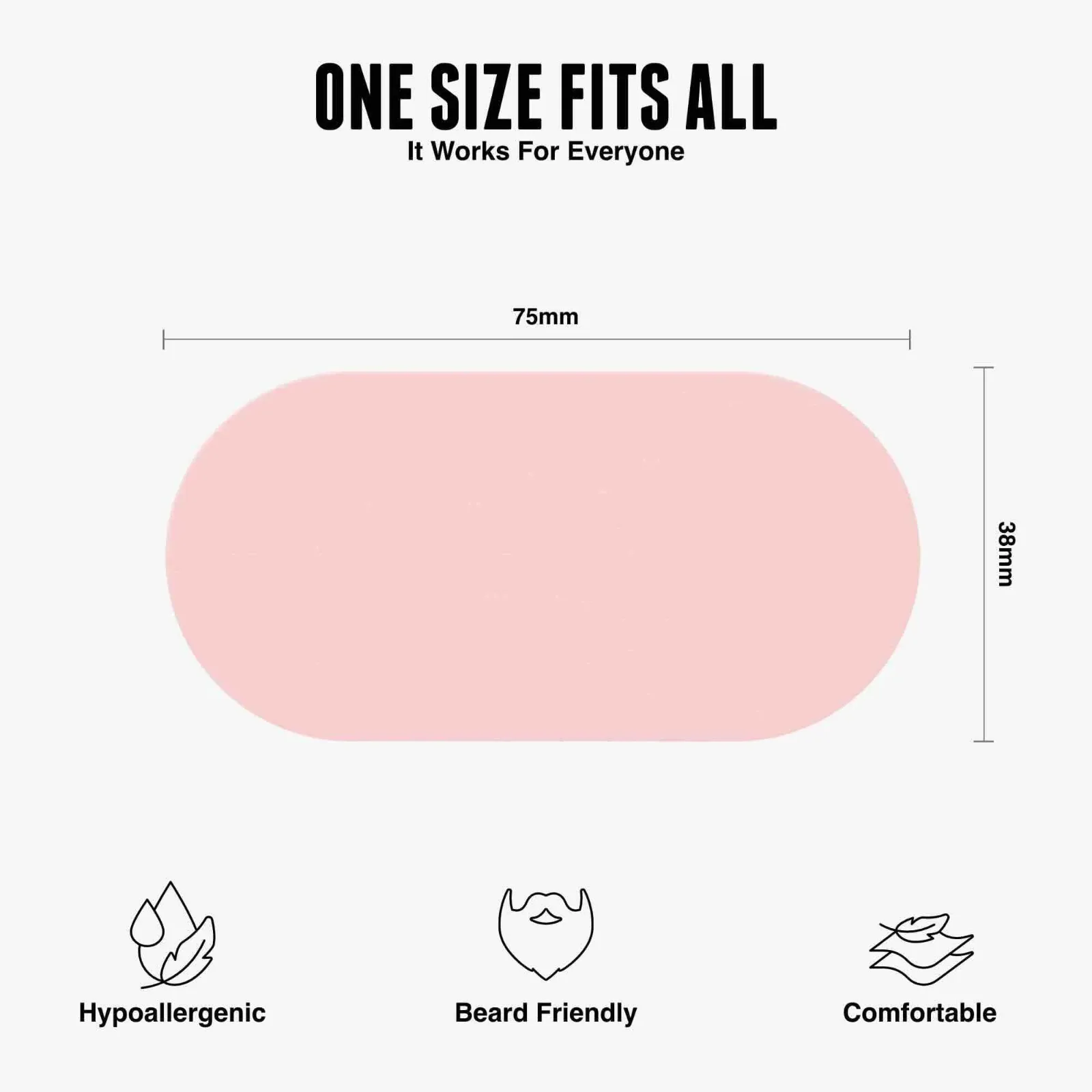
Hostage Tape Starter Pack
Engineered with BeardFlex technology for strong adhesion through facial hair and a breathable mesh design. A commonly recommended entry point for men and active sleepers.
Where to go next
Mouth tape for sleep is a low-barrier habit worth trying if you are a healthy adult who mouth-breathes at night and can breathe freely through your nose. The evidence is most compelling for mild snorers and mild sleep apnea — but the safety rules are non-negotiable. Always confirm nasal airway patency, use a purpose-made product with a skin-safe adhesive, and see a doctor if you have any breathing or sleep disorder symptoms.
Ready to choose a specific product? Our best mouth tape for sleeping guide covers every major option with a side-by-side comparison. For women or sensitive skin, read our TapeHer mouth tape review. If snoring is your primary concern, see mouth tape for snoring. New to the idea entirely? Start with mouth tape for beginners.
Sources
- PubMed Central — The Impact of Mouth-Taping in Mouth-Breathers with Mild OSA (Chang Gung Memorial Hospital, 2022)
- PubMed Central — Nocturnal mouth-taping and social media: A scoping review (2024, 10 studies, 213 patients)
- Cleveland Clinic — Mouth Taping: Is It Safe To Use?
- American Journal of Respiratory and Critical Care Medicine — Nasal Nitric Oxide and Oxygen Uptake (2000)
- American Dental Association — Safety of the Social Media Mouth Taping Trend
- Sleep Foundation — Nasal Breathing and Sleep
- Mayo Clinic — Sleep Apnea: Symptoms and Causes
- FDA — Hypoallergenic Cosmetics Q&A
Medical disclaimer: This article is for informational purposes only and does not constitute medical advice. Mouth tape is not a treatment or cure for snoring, sleep apnea, or any other medical condition. Always consult a qualified healthcare professional before starting any new sleep practice, especially if you have a diagnosed sleep disorder, respiratory condition, or any health concerns. Do not use mouth tape to treat or prevent snoring or sleep apnea without a medical evaluation.
Recommended for you
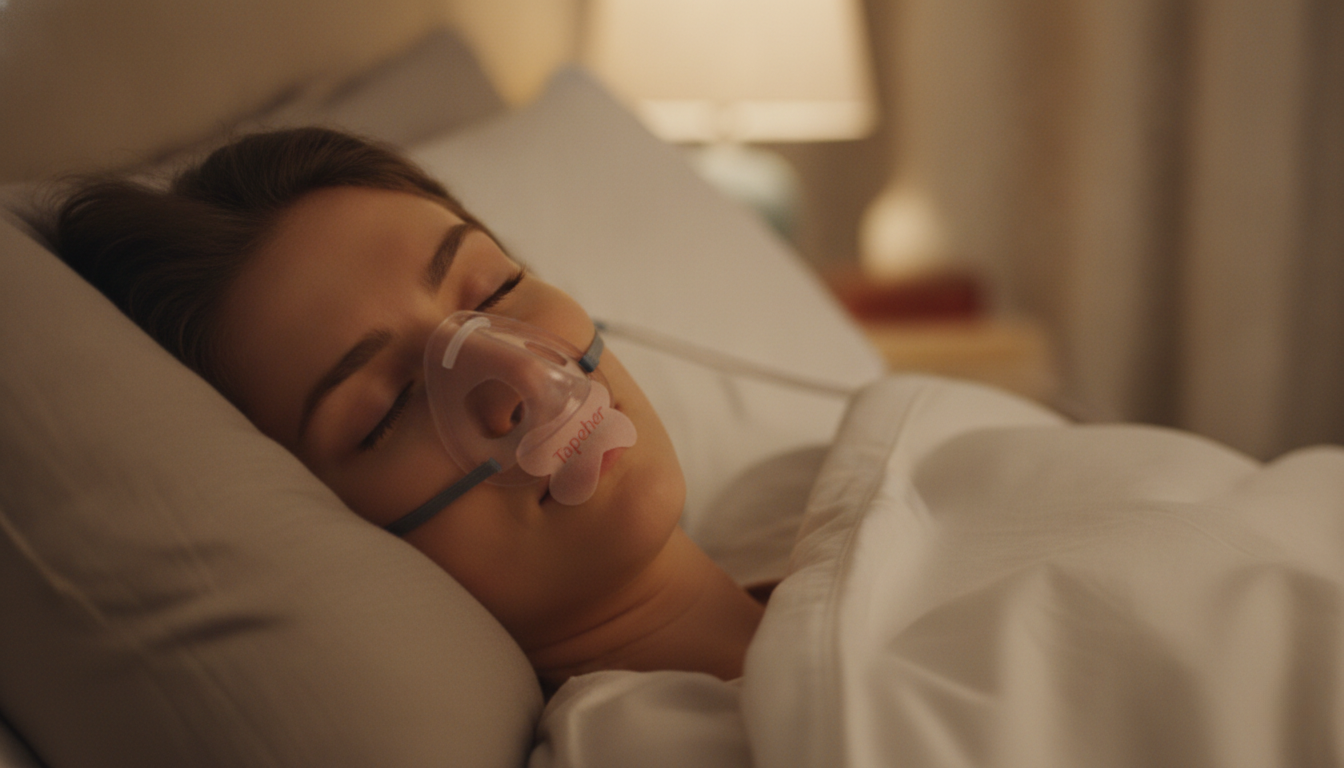 Can You Use Mouth Tape With CPAP: Questions to Ask First | Purisia
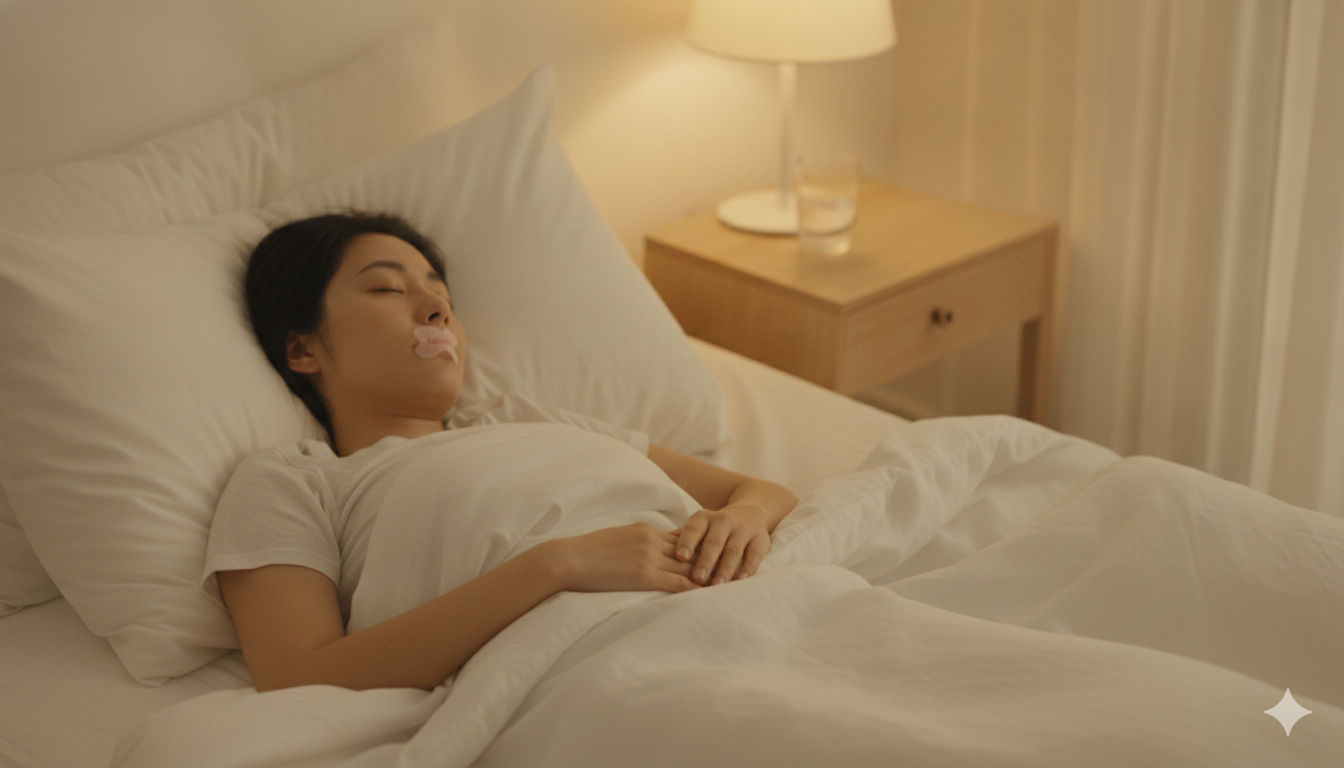 Mouth Tape for Sleep Apnea: 6 Safety Questions to Ask First (2026)
 Mouth Tape Korea: Complete Guide to the 2026 Sleep Wellness Trend
 How Does Mouth Tape Help Your Jawline? 5 Claims Examined (2026)
 Logan Paul Mouth Tape Trend: Best 5 Safety Facts to Know in 2026
 Sleep Shield Mouth Tape Review 2026: 3 Best Alternatives to Know