GuruNanda Mouth Tape Review: What to Compare Before Buying
GuruNanda is popular on Amazon, but it lacks PFAS testing and safety certifications. Compare it to TapeHer (PFAS-tested by SGS), Hostage Tape (strong hold), and SomniFix (anxiety-free design) before buying.

What Is GuruNanda Mouth Tape?
- What Is GuruNanda Mouth Tape?
- Safety Concerns and Testing Gaps
- Adhesive Composition and Residue
- Better-Tested Alternatives: Direct Comparison
- Who Should NOT Use Mouth Tape
- How to Choose Non-Toxic Mouth Tape: Evidence-Based Criteria
- Does Mouth Taping Actually Work?
- Concerned About Residue? Try These Alternatives First
GuruNanda mouth tape is a popular Amazon-ranked mouth tape brand, but before you buy, understand how it compares to safer, better-tested alternatives. This guide compares GuruNanda mouth tape across safety, design, and performance—and routes you toward gentler options backed by third-party verification.
Key Highlights
- GuruNanda lacks third-party safety testing, PFAS documentation, and biocompatibility certification.
- Safety-backed alternatives like TapeHer (PFAS-tested) and Hostage Tape (strong hold) offer transparent credentials.
- Mouth taping is only effective for mild snoring and mild sleep apnea—not safe for moderate-to-severe OSA.
- Medical consultation is essential before starting mouth tape, especially for those with nasal congestion or breathing concerns.
GuruNanda is popular but lacks transparency—switch to better-tested brands.
GuruNanda's Amazon ranking appeals to many, but the brand does not publish PFAS testing, adhesive composition, or biocompatibility certification. For sensitive skin or daily use, TapeHer (PFAS-tested by SGS) offers more safety documentation. For maximum hold with facial hair, Hostage Tape (BeardFlex technology) is a stronger choice. Both alternatives provide the transparency that GuruNanda lacks.
What Is GuruNanda Mouth Tape?
GuruNanda is a widely available mouth tape brand popular on Amazon and through major retailers. The product positions itself as a sleep aid to promote nasal breathing and reduce snoring. GuruNanda mouth tape markets a standard rectangular design without the specialized safety features that distinguish premium brands. The brand emphasizes affordability and availability as primary selling points.
While GuruNanda has achieved high sales volume and Amazon ranking through effective marketing and competitive pricing, the brand's transparency record on safety testing and ingredient disclosure lags behind emerging competitors. Understanding what makes other brands safer can help you decide whether GuruNanda meets your individual safety and comfort needs.
Safety Concerns and Testing Gaps
The most critical issue with GuruNanda is what is not published. The brand provides no publicly available documentation for the following:
- PFAS testing: No third-party laboratory verification showing the product is free of "forever chemicals" (per- and polyfluoroalkyl substances).
- Biocompatibility certification: No ISO 10993-1 testing demonstrating safety for skin-contact adhesives used daily.
- Adhesive composition: The brand does not disclose whether it uses silicone (safest), acrylate (most common, 2.1–3.7% sensitization risk), polyurethane, or rubber-based adhesive.
- Material testing: No documentation of sensitization testing using the Human Repeat Insult Patch Test (HRIPT), which is the gold standard for daily-use adhesive safety.
A critical regulatory gap: the FDA has no legal definition of "hypoallergenic," meaning manufacturers can use the term without proving anything. This 1975 court decision prevents FDA from setting formal standards. For mouth tapes claiming hypoallergenic status without independent testing, the label carries very little meaning.
GuruNanda's lack of transparency does not necessarily mean the product is unsafe—but it does mean you have no objective evidence of safety. For daily users or those with sensitive skin, third-party testing documentation is essential for peace of mind.
Adhesive Composition and Residue
One of the most common complaints about mouth tape is adhesive residue left on the skin after removal. This residue is not just uncomfortable—it can indicate adhesive composition problems that increase the risk of contact dermatitis with repeated use.
Acrylate-based adhesives, the most common type used in mouth tapes, are the leading cause of allergic contact dermatitis from adhesive products. The American Contact Dermatitis Society named acrylates Contact Allergen of the Year in 2012. Clinical research shows that 2.1–3.7% of patch-tested populations are sensitized to acrylate compounds, with rates rising from 1.6% in 2019 to 2.7% in 2023.
In comparison, silicone-based adhesives have the lowest sensitization risk profile among all adhesive types. They are softer than acrylates, have lower surface tension, and fill skin gaps more gently, reducing irritation. Very few documented cases of silicone sensitization exist in the medical literature. Brands using silicone adhesives (like SomniFix and Dryft) provide significantly safer options for individuals using mouth tape daily.
Because GuruNanda does not disclose its adhesive type, you cannot evaluate whether it uses the safer silicone formulation or the higher-risk acrylate formulation. For daily users planning extended use, this lack of transparency is concerning.
Better-Tested Alternatives: Direct Comparison
TapeHer: PFAS-Tested for Gentle Daily Use
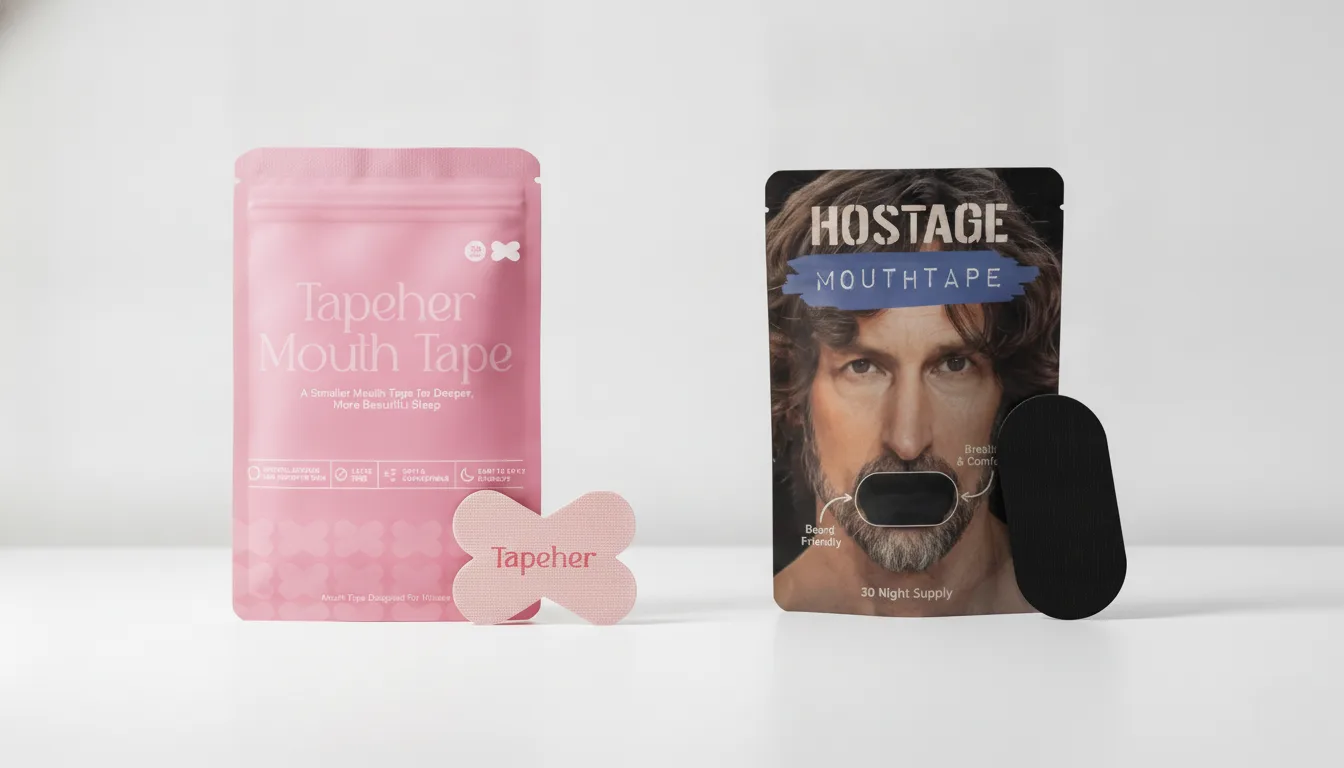
TapeHer Mouth Tape
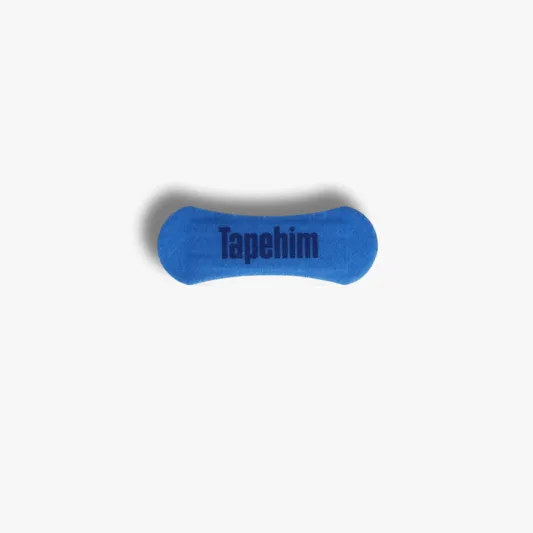
What We Like
- PFAS-free verified by SGS North America laboratory (gold-standard testing authority recognized by EPA).
- Cotton-based material is safe, breathable, and low-sensitization for daily wear.
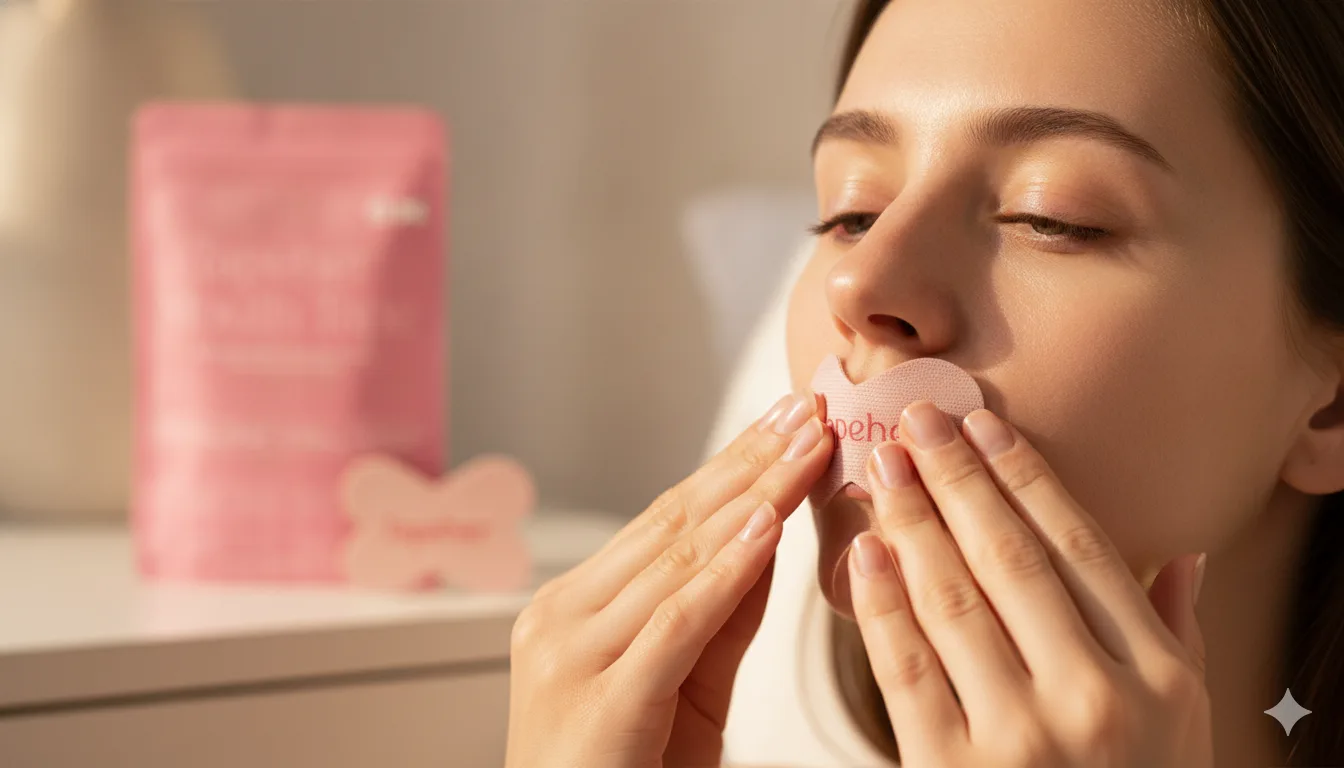
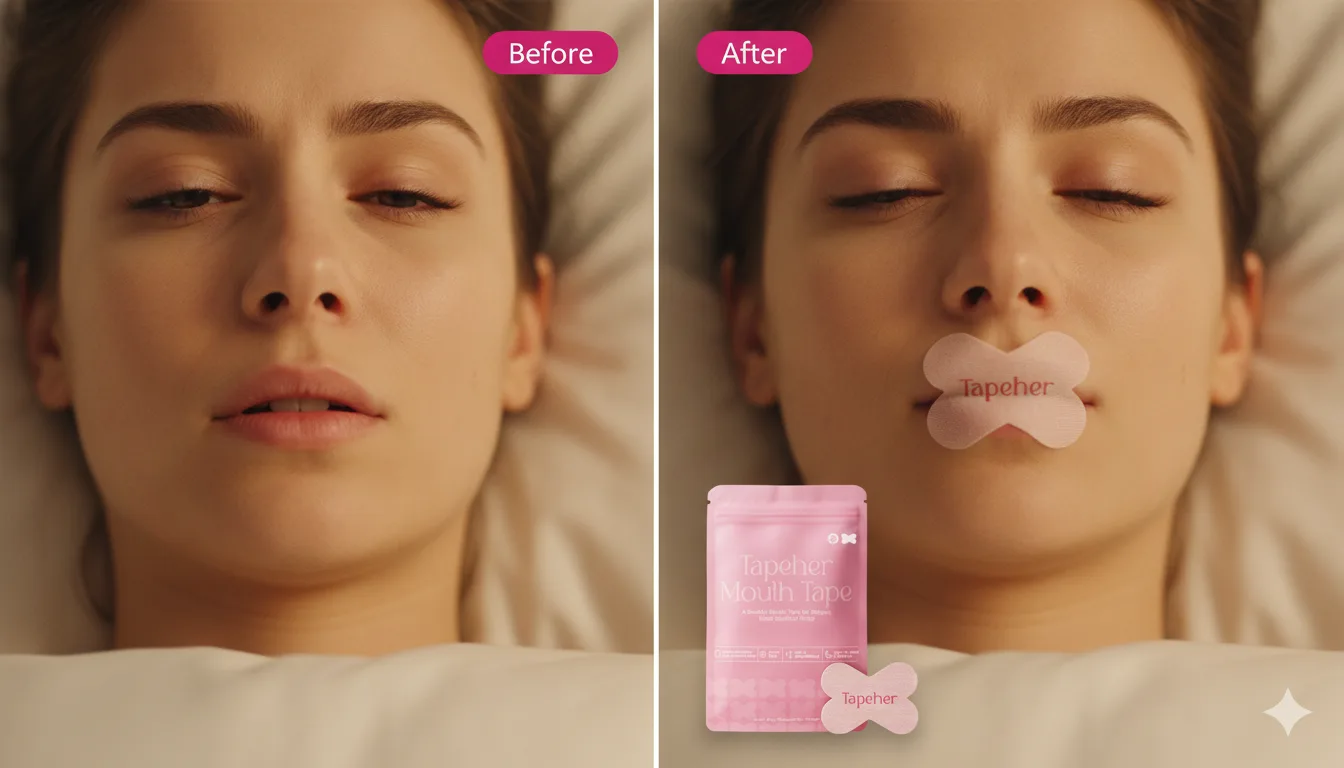
- X-shape design reduces claustrophobic feeling while maintaining nasal-breathing benefit.
- Smaller size is ideal for those who find standard mouth tape overwhelming.
What to Consider
- Adhesive type is not publicly disclosed—contact the brand for details if adhesive composition is a priority.
- May cost more than GuruNanda due to third-party testing investments.
- Limited brand history compared to longer-established competitors.
TapeHer sets the transparency standard for mouth tape safety. The brand invests in third-party PFAS testing from SGS, a government-recognized laboratory, and publishes the results openly. For consumers who prioritize objective safety verification over marketing claims, TapeHer is the clear choice among current options.
Hostage Tape: Maximum Hold with BeardFlex™
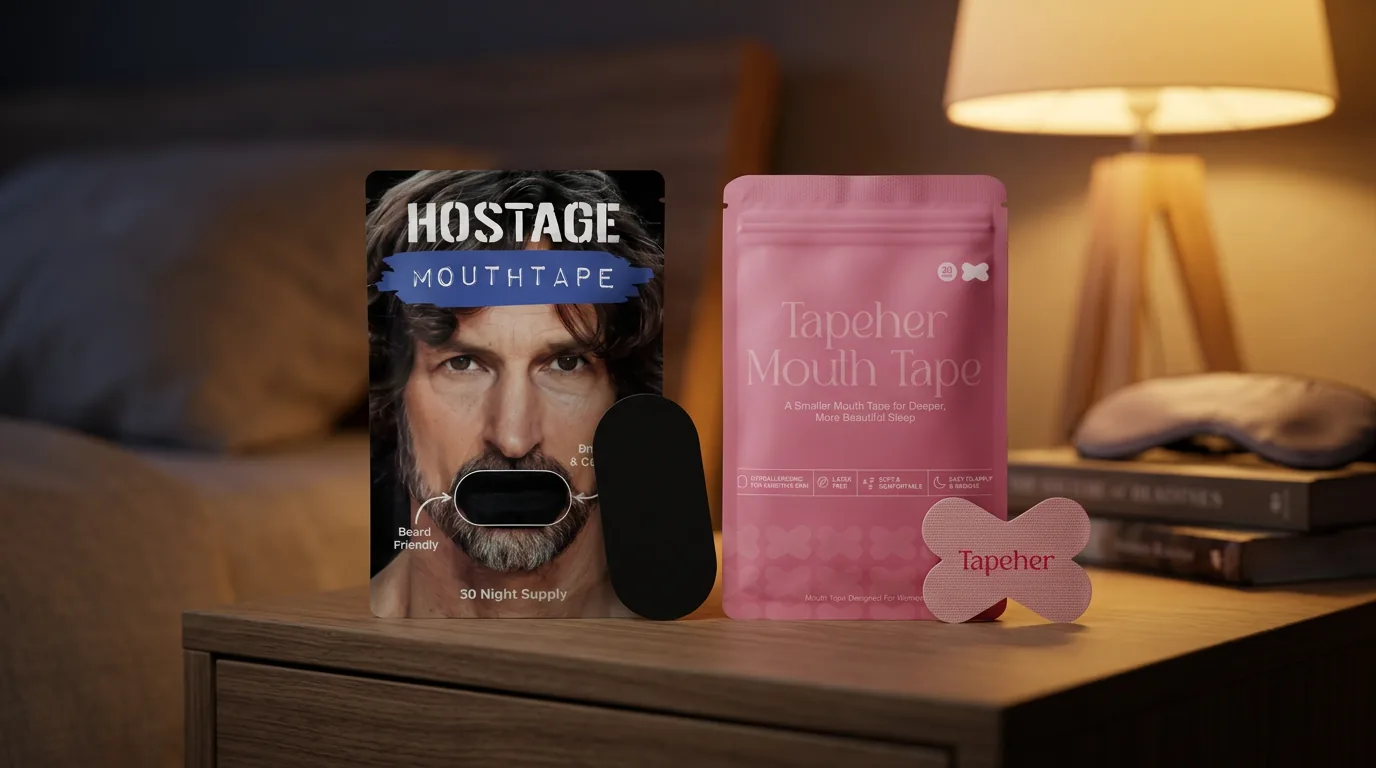
Hostage Tape

What We Like
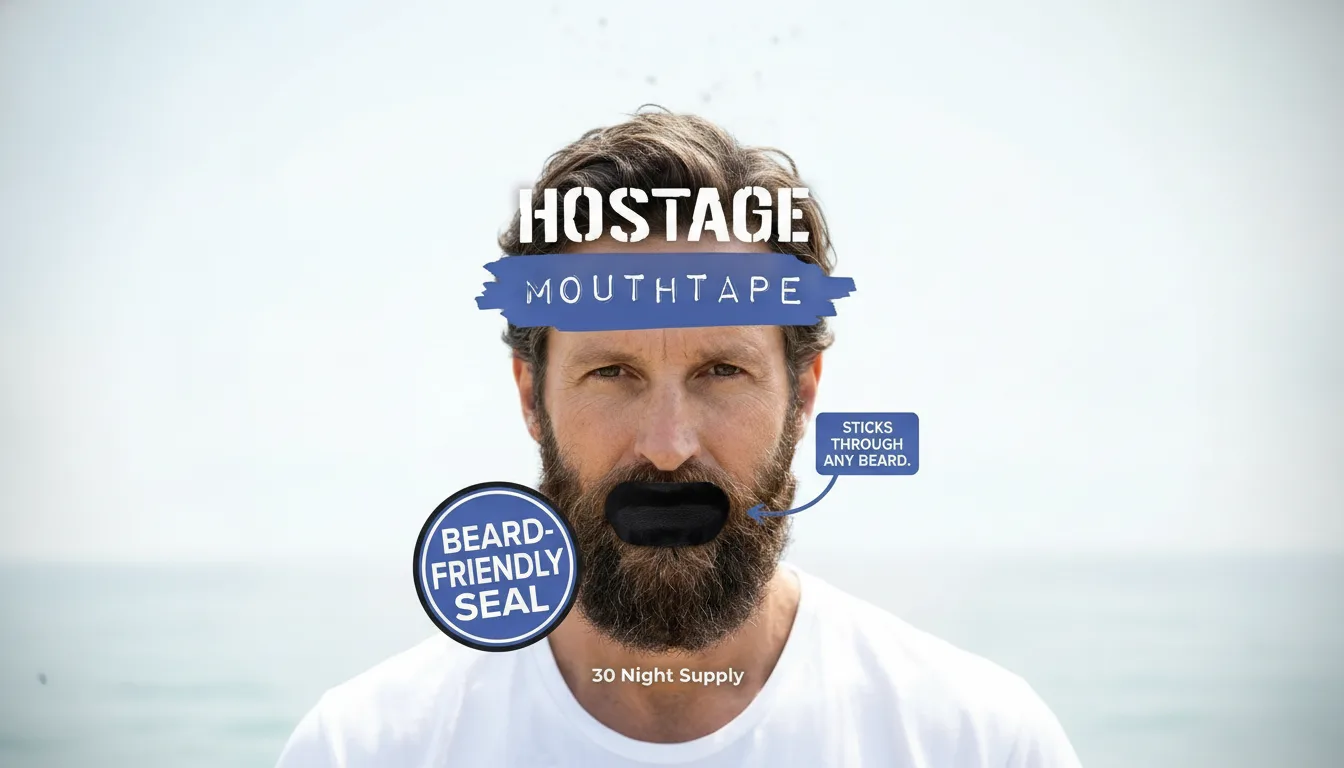
- BeardFlex™ technology designed specifically to adhere through facial hair and movement—solves a real problem for bearded users.
- AirFlow™ mesh design reduces the "trapped" sensation while maintaining strong hold.
- High satisfaction rate: less than 1% refund rate according to company statements.
- Widely available through multiple retailers (Walmart, Amazon, direct site).
- Affordable price point comparable to or lower than GuruNanda mouth tape.
What to Consider
- No publicly documented safety testing: no PFAS verification, no ISO 10993-1 biocompatibility certification, and no third-party testing credentials.
- Material composition is not disclosed.
- Some users report redness and skin irritation after use, as well as sticky residue around the mouth area.
- Better Business Bureau D rating and ongoing litigation regarding manufacturing origin claims raise credibility concerns.
Hostage Tape is engineered with proprietary BeardFlex technology to maintain strong adhesion even when worn over facial hair. The breathable mesh design is specifically optimized for beard-friendly use, differentiating it from standard mouth tape products. However, the brand's lack of published safety testing puts it in the same transparency gap as GuruNanda. If facial hair is your primary concern, Hostage Tape delivers superior hold—but for safety verification, you'll need to contact the brand directly.
SomniFix: Beginner-Friendly with Clinical Validation
SomniFix
What We Like
- Patented center vent design reduces the psychological barrier—essential for first-time users prone to anxiety.
- Mouth tape design studied in clinical research and featured in peer-reviewed sleep literature.
- Provides a safety backup if you wake up congested, need to cough, or experience panic at night.
- Hypoallergenic and latex-free composition addresses common allergen concerns.
What to Consider
- Lower adhesion strength than alternatives like Hostage Tape—the vent design sacrifices closure strength for comfort.
- Higher cost per strip compared to standard mouth tape options—check current price before purchasing.
- May not fully prevent mouth breathing due to vent design.
SomniFix emphasizes anxiety-free beginner use with the patented vent design that allows partial airflow. The trade-off is clear: SomniFix sacrifices closure strength for psychological comfort, while Hostage Tape sacrifices claustrophobia-friendliness for adhesion reliability. For those intimidated by standard mouth tape, SomniFix is the best bridge to full-coverage options. See also our guide on the best mouth tape for sleeping for more options.
| Brand | PFAS Testing | Design Focus | Best For |
|---|---|---|---|
| GuruNanda | No | Standard rectangular | Budget shoppers |
| TapeHer | Yes (SGS Lab, Jan 2026) | X-shaped, 50% smaller | Sensitive skin, transparency |
| Hostage Tape | No | BeardFlex™ for facial hair | Strong hold, bearded users |
| SomniFix | Not disclosed | Center vent for safety | Anxiety-prone, first-timers |
Who Should NOT Use Mouth Tape
Before choosing any mouth tape—including GuruNanda—consult a healthcare provider if you have any of these conditions. Mouth taping is explicitly not recommended for:
- Moderate-to-severe obstructive sleep apnea (OSA): the primary safety concern is asphyxiation risk. Mouth taping is contraindicated for patients with moderate to severe OSA.
- Nasal obstruction of any kind: allergic rhinitis, chronic rhinitis, septal deviation, sinonasal disease, or enlarged tonsils create dangerous asphyxiation risk if your mouth is taped shut.
- Severe seasonal or chronic allergies that cause nasal congestion.
- Diagnosed respiratory conditions (asthma, COPD, etc.).
- Anxiety triggered by mouth covering or claustrophobic feelings.
- History of vomiting during sleep or acid reflux.
- Pregnancy, especially the first trimester, when nasal congestion and breathing changes are common.
- Children and young teens.
The American Dental Association has cautioned that many people practice mouth taping indiscriminately on social media without proper medical evaluation, creating significant risk. Professional medical consultation is recommended before starting mouth taping, particularly for those with any sleep or breathing concerns.
How to Choose Non-Toxic Mouth Tape: Evidence-Based Criteria
How to Evaluate Mouth Tape Safety
When comparing brands like GuruNanda to alternatives, ask these evidence-based questions before purchasing:
6 Critical Safety Questions
Ask brands these questions before purchasing, and request documentation:
- What is your adhesive type? Silicone is safest; acrylate is most common but carries 2.1–3.7% sensitization risk. Brands unwilling to answer are avoiding transparency.
- Do you have ISO 10993-1 biocompatibility certification? This is the gold standard for daily skin-contact adhesives. Lack of this testing indicates an untested product.
- Have you tested for PFAS? If yes, request the laboratory name, date, and methods used. SGS is a government-recognized PFAS testing authority. If no, the product may contain "forever chemicals."
- Who performed third-party testing? Reputable labs include SGS, NAMSA, and Primus Labs. In-house testing is not independent verification.
- Do you use formaldehyde-releasing preservatives? The answer should be "no." These are restricted or banned in several U.S. states due to contact dermatitis risk.
- Can you provide a complete ingredient list? Transparency indicates confidence in safety. Brands hiding ingredients are often doing so for a reason.
3 Red Flags—Products to Avoid
When shopping for non-toxic mouth tape, watch for these red flags that indicate lack of genuine safety credentials:
- "100% hypoallergenic" claims without third-party testing. Hypoallergenic is unregulated by FDA and meaningless without verification. TapeHer's PFAS testing is credible; generic "hypoallergenic" marketing is not.
- "Dermatologist-tested" alone. This requires only a single application with no protocol verification. Look for "dermatologist-approved" backed by clinical trials instead.
- Undisclosed adhesive composition or lack of PFAS/ISO 10993-1 documentation. Absence of these certifications suggests an untested product prioritizing profit over consumer safety.
Does Mouth Taping Actually Work?
Clinical evidence for mouth taping is mixed. A retrospective study of 20 patients with mild obstructive sleep apnea at Chang Gung Memorial Hospital evaluated mouth taping for one week. Results showed significant improvements: AHI (apnea-hypopnea index) decreased from 8.3 to 4.7 events/hour (47% reduction), snoring index improved from 303.8 to 121.1 event/h (47% reduction), and approximately 65% of participants showed at least 50% reduction in snoring.
However, a 2024 systematic review examining mouth taping evidence found that while some studies show modest benefits for mild obstructive sleep apnea and snoring, the overall literature is markedly heterogeneous with little consensus on mouth taping's benefits across broader populations. The review emphasizes that evidence for mouth taping in mouth breathing, general sleep-disordered breathing, or most patient populations is minimal and not clinically significant.
Dr. Brian Chen at Cleveland Clinic states: "There's not strong enough evidence to support that mouth tape is beneficial, and it's not part of our current practice to treat any sleep disorder." Cleveland Clinic recommends safer alternatives including side sleeping, nasal strips, decongestants, CPAP machines, or oral appliances for diagnosed sleep apnea.
Although mouth taping has gained popularity on social media, no randomized controlled clinical trials specifically examining mouth taping for sleep in general populations currently exist in the peer-reviewed medical literature. Most evidence comes from small pilot studies or case reports, primarily focused on mild sleep apnea. This significant evidence gap means that claims about benefits for general sleep quality, anxiety reduction, or other conditions lack robust clinical support.
Concerned About Residue? Try These Alternatives First
If adhesive residue is your main concern with GuruNanda mouth tape or other options, consider these safer, proven alternatives before committing to daily mouth tape use:
Breathe Right Nasal Strips are a clinically validated, non-adhesive alternative. Clinical studies demonstrate a 35–50% improvement in nasal airflow resistance for users with nasal obstruction, congestion, or allergies. Increased nasal airflow allows for more comfortable nasal breathing during sleep and can reduce snoring. The strips are drug-free, safe for nightly use, and available over-the-counter.
Environmental humidity levels significantly impact sleep quality and breathing patterns. Dry indoor air (especially in winter months with heating or in arid climates) can trigger mouth breathing as the body attempts to add moisture through the mouth. Humidifiers maintain optimal humidity levels (30–50%) which reduces nasal passage irritation and supports more comfortable nasal breathing. Some users find that adding a humidifier to their sleep environment reduces the need for intensive interventions like mouth taping.
Saline nasal rinses (neti pots, squeeze bottles) and saline sprays are non-medication approaches to clearing nasal obstruction and reducing inflammation. These interventions have no systemic side effects and can be used multiple times daily as needed. For individuals with chronic sinus congestion or allergies, regular saline rinse use may improve nasal breathing sufficiently to reduce reliance on stronger interventions.
Sleep Position & Pillow Support: Sleep position significantly affects breathing patterns and snoring. Side and back-sleeping positions typically allow better airflow than stomach sleeping. Specialized pillows designed to encourage back-sleeping or side-sleeping can reduce airway obstruction and associated snoring. These are zero-risk interventions worth trying before mouth tape.
Final Verdict: Skip GuruNanda, Choose Transparency
GuruNanda's Amazon ranking and affordability appeal to many, but the brand's lack of third-party testing, PFAS documentation, and adhesive transparency puts it in the same category as untested mouth tapes. For the same or similar investment, you can choose TapeHer (PFAS-tested by SGS), which offers objective safety credentials. For strong hold with facial hair, Hostage Tape is a proven choice. For first-time users concerned about claustrophobia, SomniFix provides clinical validation and a safety vent design.
Most importantly: consult a healthcare provider before starting any mouth tape. Mouth taping is only safe and effective for mild snoring or mild sleep apnea—it is explicitly contraindicated for nasal obstruction and moderate-to-severe OSA. Medical evaluation ensures you're not putting yourself at risk. Also consider reading our review on TapeHer mouth tape for a detailed alternative comparison.
Sources & Clinical Evidence
- FDA - Hypoallergenic Cosmetics Q&A: Federal regulatory authority on cosmetic labeling standards
- American Contact Dermatitis Society - Acrylate Allergies: PubMed — Allergic Contact Dermatitis from Acrylates
- EPA - PFAS Risk Management: Federal environmental protection agency guidance on regulated chemicals
- SGS Environmental - PFAS Testing Services: Government-recognized third-party testing authority
- PLOS ONE - Mouth Taping Systematic Review: Systematic Review of Mouth Taping Safety and Efficacy
- Cleveland Clinic - Mouth Taping Safety: Major academic medical center guidance on mouth taping risks
- PubMed Central - Taiwan Clinical Study: The Impact of Mouth-Taping in Mouth-Breathers with Mild OSA
- American Journal of Respiratory and Critical Care Medicine: Nitric oxide production in nasal breathing
- American Dental Association - Mouth Taping Safety: Safety of Social Media Mouth Taping Trend
- Sleep Foundation - Sleep Accessory Resources: Reputable sleep health non-profit
Medical Disclaimer: This article is for informational purposes only and is not a substitute for professional medical advice. Mouth taping carries risks, particularly for individuals with nasal obstruction, sleep apnea, anxiety disorders, or breathing conditions. Always consult a healthcare provider or sleep specialist before starting any new sleep aid or breathing practice. If you experience difficulty breathing, chest pain, dizziness, severe anxiety, or panic while using mouth tape, remove it immediately and seek medical attention. This article does not constitute medical endorsement or recommendation of any product for treating sleep disorders or medical conditions.
Recommended for you
 Skinny Confidential Mouth Tape Review: 7 Best Alternatives (2026)
 How to Remove Mouth Tape Residue: 5 Tips to Avoid Irritation
 Carlos Alcaraz Nose Strips: 5 Best Reasons Athletes Breathe Better
 Best Mouth Tape for Mustaches & Beards: Proven Fit Guide (2026)
 How to Put Mouth Tape On: Safe Step-by-Step Guide (2026)
 Mouth Tape Before and After: 5 Real Changes to Expect (2026 Guide)