How to Remove Mouth Tape Residue Gently After Sleeping
Sticky residue from mouth tape is usually preventable with proper removal technique. Peel slowly, remove early, and use warm water or oils if needed.
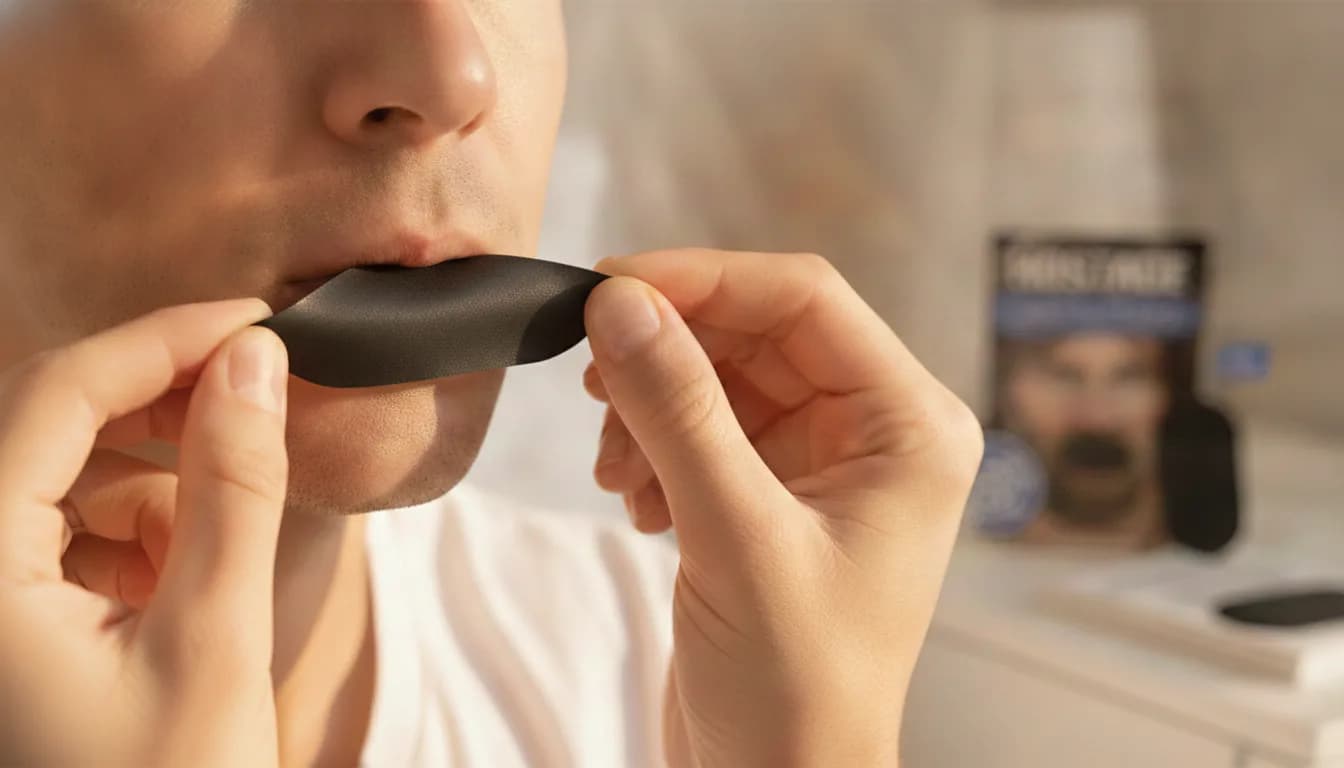
Why Residue Happens After Mouth Tape Removal
How to remove mouth tape residue is one of the most common questions when people start using mouth tape for sleep. While quality mouth tape is designed to come off cleanly, gentle removal technique and timing matter significantly to prevent sticky residue, skin irritation, and discomfort.
Remove mouth tape slowly by peeling from one corner, moisturize the area, and discontinue if you experience redness or irritation.
Residue buildup is typically the result of fast or forceful removal rather than poor tape quality. The good news: a few simple techniques—removing gently, timing removal correctly, and choosing the right product—can prevent most residue issues entirely.
See our step-by-step application guideKey Points
- Peel mouth tape slowly from one corner, never rip quickly or forcefully.
- Remove within the first few minutes of waking, when skin is still slightly damp and tape is easier to lift.
- Use warm water, gentle oils, or adhesive removers to dissolve stubborn residue instead of scrubbing.
- If redness, irritation, or allergic reactions develop, discontinue immediately.
- Choosing a quality brand with gentle adhesive formulation reduces residue risk significantly.
Why Residue Happens After Mouth Tape Removal
Mouth tape residue occurs when the adhesive remains on the skin instead of cleanly separating from the tape. This can happen for three primary reasons. First, rapid or forceful peeling tears the tape backing before the adhesive releases, leaving adhesive behind on the lips and surrounding skin. Second, waiting too long after waking—when skin dries out—makes the adhesive bond stronger and harder to separate cleanly. Third, some mouth tape brands use lower-quality adhesives that are prone to residue by design, though most quality brands minimize this issue.
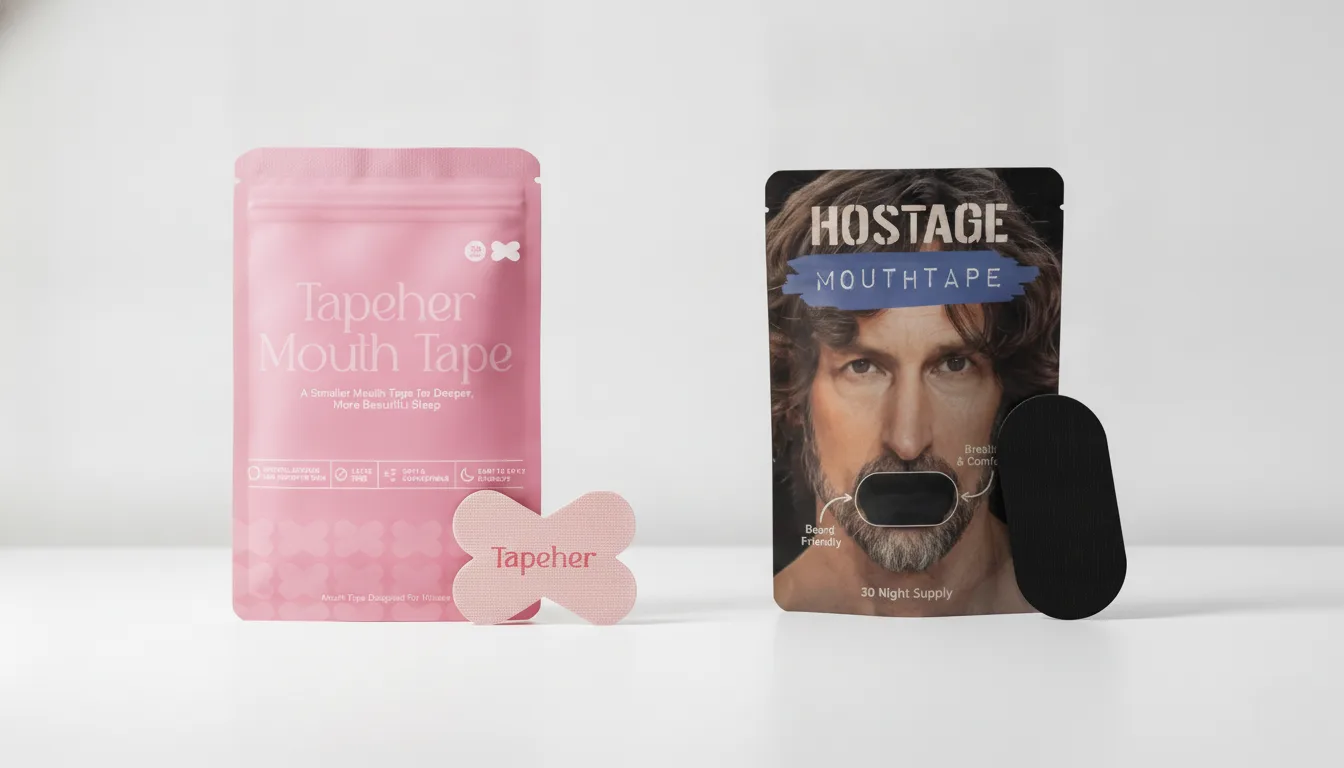
Hostage Tape is engineered with strong adhesive designed to grip throughout the night. However, the company notes that some users report sticky residue around the mouth area, which can be mitigated by using gentle removal methods. The tape's strong adhesive is designed to secure the jaw while remaining gentle enough for overnight wear, but the removal technique directly affects whether residue appears.
How to Remove Mouth Tape Residue Gently: 5 Proven Techniques
The single most effective technique for avoiding residue is the slow peel method. Immediately upon waking—while your face is still slightly damp from sleep—gently lift one corner of the tape using your fingertip. Do not pull hard; instead, use a steady, slow motion, peeling the tape backwards at a shallow angle (nearly parallel to the skin rather than perpendicular). This technique allows the adhesive to release gradually instead of tearing away abruptly. When done correctly within the first minute of waking, most people find the tape comes off cleanly with minimal residue.
If residue does appear, warm water is your first line of defense. Splash your face or use a warm, damp washcloth to gently loosen the adhesive without scrubbing. The warmth softens the adhesive bond and allows it to roll off easily. For more stubborn residue, gentle oils—including coconut oil, olive oil, or specialized adhesive removers—work by dissolving the adhesive rather than forcing it off mechanically. Apply the oil lightly, wait 30–60 seconds, and then gently roll the residue off with your fingertip. Avoid harsh scrubbing, rubbing, or picking, as these actions can irritate sensitive skin.
These five techniques to remove mouth tape residue cover the most common scenarios: the slow-peel method at waking, warm-water softening, oil-based dissolution, adhesive-remover products, and the preventive barrier approach covered in the next section. Mastering even the first two eliminates residue for most users.
Prevention Strategies: Stop Residue Before It Starts
The best residue management is prevention. Start by timing your mouth tape removal carefully. Remove it within 2–3 minutes of waking, while your face retains morning moisture. If you wait an hour or more after waking, your skin will have dried completely, making the adhesive harder to release and residue more likely. Set a phone reminder for the first week to build this habit.
Second, prep your skin before applying mouth tape. A light moisturizer on your lips and surrounding mouth area creates a barrier that reduces adhesive contact and makes removal easier. This is especially important if you have sensitive or dry skin. Third, choose a mouth tape product designed for gentle removal. Not all brands use the same adhesive formula; some prioritize strong all-night grip over easy morning removal, while others optimize for a balanced experience. Research reviews mentioning "residue" or "clean removal" to guide your product selection. For detailed guidance on choosing and applying the right tape, see our step-by-step application guide.
Finally, consider the application technique. Press the mouth tape gently onto dry skin for even adhesive contact, but do not apply excessive pressure. A tape that is pressed too hard onto skin creates a stronger bond that is harder to separate cleanly. Light, even pressure is ideal for both comfort and easy removal.
When to Discontinue Mouth Tape if Residue Causes Irritation
Not everyone's skin tolerates mouth tape, and residue—or the repeated removal process—can sometimes trigger redness, sensitivity, or allergic reactions. If you notice any of these signs, discontinue use immediately and consult a healthcare provider if irritation persists beyond a few days. Do not assume that "toughing it out" will lead to skin adaptation; adhesive irritation is a sign that the product is not right for your individual skin chemistry.
Some people develop contact dermatitis from the adhesive itself, while others experience sensitivity to the tape backing material or the residue-removal process. If you have a history of sensitive skin or known adhesives sensitivities, consider testing mouth tape on a small area first or consulting a dermatologist before regular use. Additionally, avoid using harsh chemical removers or rubbing your skin raw trying to remove residue—these actions can create a cycle of damage and irritation.
Getting Started Safely: Timing, Testing, and Alternatives
If you are new to mouth tape, start with a short trial to assess whether residue is an issue for your skin type before committing to regular use. Use one piece, remove mouth tape residue carefully using the slow-peel method the next morning, and observe whether any stickiness remains. Most people find that after learning the correct removal technique, residue is minimal or absent. If residue occurs consistently despite using proper technique, your skin may not tolerate that brand or type of tape—try a different product or consult a healthcare provider about whether mouth tape is suitable for you.
Also consider that different brands have different adhesive formulations. For example, some brands emphasize medical-grade or hypoallergenic materials specifically to reduce residue and skin reactions. Investing in a higher-quality brand often eliminates the residue problem entirely. Read product reviews specifically mentioning ease of removal, and prioritize brands that users describe as leaving no residue. For real-world before-and-after experiences, see our guide on mouth tape before and after results.
The Bottom Line
Residue from mouth tape is usually preventable with proper removal technique, timing, and product choice. Peel slowly, remove within minutes of waking, use warm water or gentle oils if needed, and discontinue if your skin develops irritation. Most users find that a quality mouth tape removed carefully produces little to no residue—making it a simple, comfortable sleep aid when used correctly.
References
- Mayo Clinic. Sleep apnea — symptoms and causes. Accessed 2026.
- Sleep Foundation. Sleep science and research. Accessed 2026.
- American Physiological Society. Journal of Applied Physiology. Peer-reviewed research on respiratory physiology and sleep.
- Cleveland Clinic. Mouth taping for sleep — clinical guidance and safety recommendations. 2026.
Recommended for you
 Skinny Confidential Mouth Tape Review: 7 Best Alternatives (2026)
 Best GuruNanda Mouth Tape Review: Safety Gaps & Alternatives (2026)
 Carlos Alcaraz Nose Strips: 5 Best Reasons Athletes Breathe Better
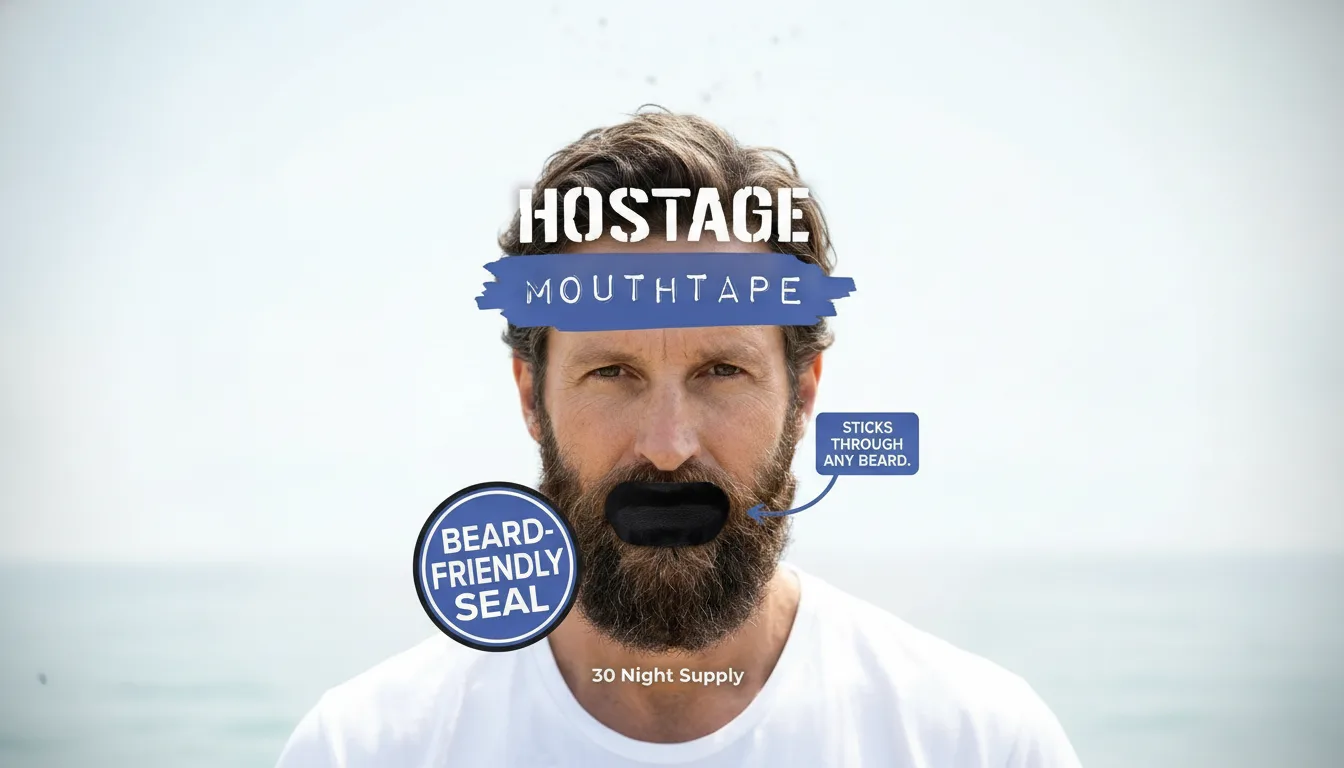 Best Mouth Tape for Mustaches & Beards: Proven Fit Guide (2026)
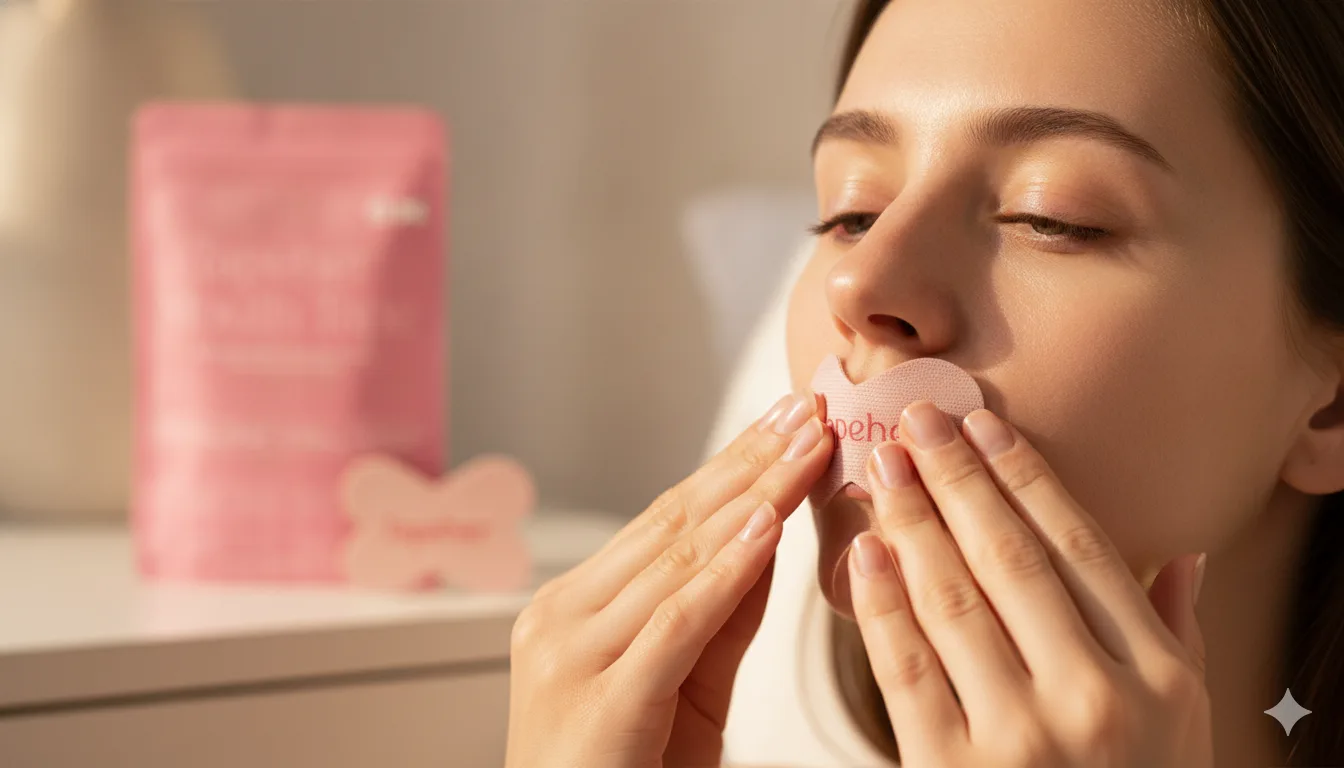 How to Put Mouth Tape On: Safe Step-by-Step Guide (2026)
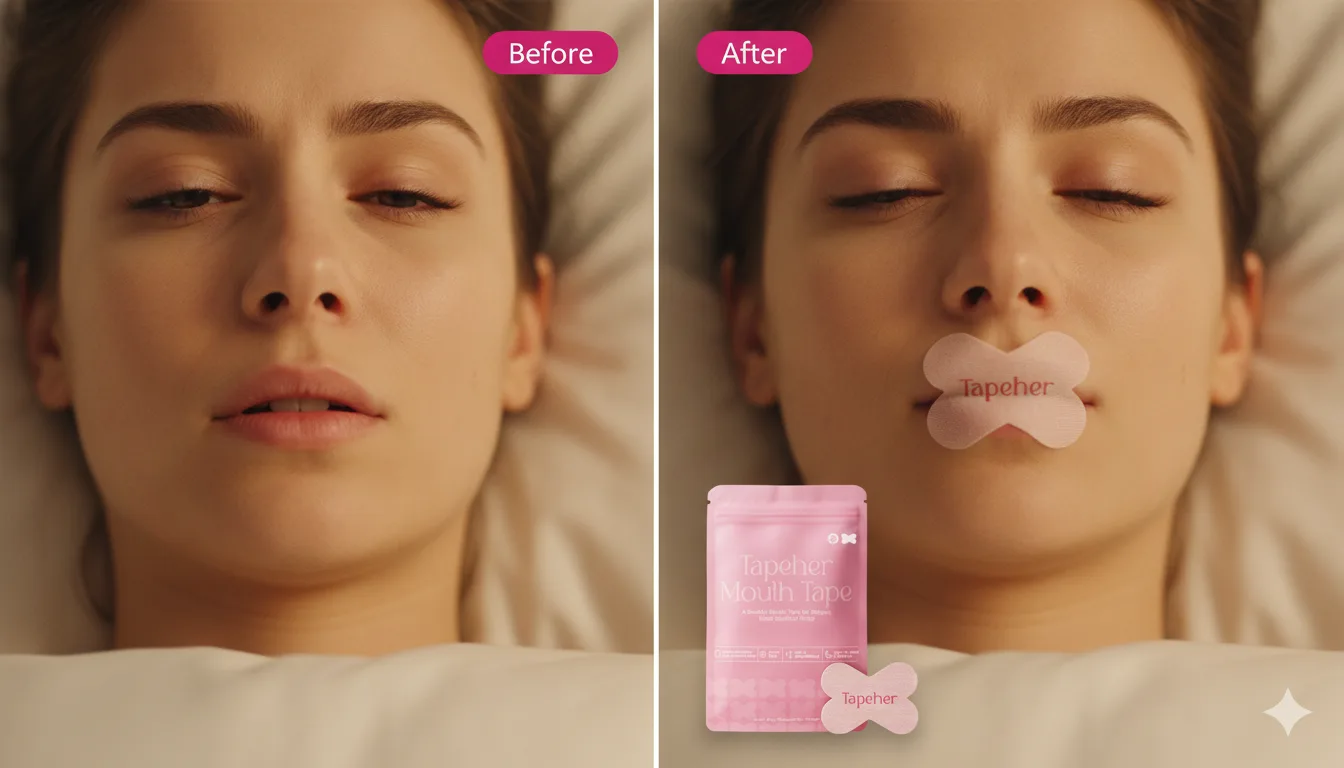 Mouth Tape Before and After: 5 Real Changes to Expect (2026 Guide)