Carlos Alcaraz Nose Strips: Why Nose Breathing Is Trending
Celebrities and athletes are wearing nose strips and mouth tape to improve nasal breathing during sleep. Here's what the trend means and whether it's right for your routine.

What Are Nose Strips and Mouth Tape?
Carlos Alcaraz nose strips are part of a broader trend: elite athletes quietly adopting nasal breathing tools to optimize sleep and recovery. Whether you've spotted pros wearing strips on court or seen mouth tape discussed on social media, there's real science behind the habit. Purisia explores what the trend means, how nasal breathing works, and whether it's right for your routine.
Nasal breathing during sleep is backed by real physiology — nose strips and mouth tape bridge a simple gap for people who habitually mouth-breathe at night.
Nasal breathing tools work best when your nasal passages are clear and you're ready to explore sleep optimization. For most people, starting with a step-by-step guide to mouth tape application or trying alternatives like chin straps can help you find what fits your routine.
Key Highlights
- Nasal breathing during sleep activates your parasympathetic nervous system, supporting deeper rest.
- The nasal passages produce nitric oxide, a molecule that enhances oxygen absorption and supports cardiovascular health during sleep.
- Mouth breathing allows bacteria to proliferate in a dry oral environment, increasing risk of cavities and gum disease.
- Nose strips and mouth tape are two different tools — strips open nasal passages; tape encourages nasal-only breathing.
- Research shows nasal breathing reduces snoring and improves sleep quality in people without sleep apnea.
- Not everyone should try these tools: people with sleep apnea, chronic allergies, or nasal obstruction should consult a doctor first.
What Are Nose Strips and Mouth Tape?
Nose strips and mouth tape are simple tools that address a common sleep habit: mouth-breathing. Nose strips are adhesive patches that stick across the bridge of the nose, mechanically opening the nasal passages to reduce airway resistance. Mouth tape is a hypoallergenic strip applied gently across the lips to create a soft physical barrier, encouraging (but not forcing) nasal breathing during sleep.
Both tools rest on the same principle: nasal breathing during sleep supports the maintenance of continuous sleep cycles and allows for optimal air filtration, humidification, and warming before air reaches the lungs. The difference is tactical. Nose strips say, "Open the nasal route." Mouth tape says, "Keep the mouth closed so the nasal route is the only option." Neither is a treatment for medical conditions; both are habits or sleep-optimization tools for people exploring better rest.
Why Athletes Like Carlos Alcaraz Wear Nose Strips
Over the past few years, nose strips have become visible during high-level sports — on tennis courts, soccer fields, and gym sessions. The appeal is straightforward: athletes believe better oxygen intake during sleep translates to better daytime performance and recovery. While claims about sports performance require medical evidence specific to each individual, the logic is rooted in physiology.
Nitric oxide (NO) is released in the nasal airways and follows the airstream during nasal inspiration to the lower airways and lungs. Nasally derived nitric oxide increases arterial oxygen tension and reduces pulmonary vascular resistance. In other words, breathing through the nose delivers more usable oxygen to the body than mouth breathing — a finding that appeals to anyone prioritizing sleep recovery, from professional athletes to people managing sleep quality at home.
The trend reflects curiosity about optimization, not a medical breakthrough. Athletes wear nasal strips because they're accessible, visible, and compatible with training routines. For many, it's a low-risk way to explore whether nasal breathing improves their rest or daytime energy.
How Nasal Breathing Works During Sleep
Your nasal passages are not just a route for air — they are an active system. The nasal turbinates (ridges inside the nose) create natural resistance that regulates airflow pressure. This resistance matters during sleep in ways many people don't realize.
The nasal airway's natural turbinate resistance creates feedback that triggers parasympathetic (rest-and-digest) nervous system activation during sleep. This vagal signaling is essential for initiating and maintaining deep sleep stages. When you mouth-breathe, you bypass this feedback loop entirely. The result: reduced deep sleep and more fragmented rest.
Additionally, the nasal passages are lined with cilia and mucus membranes that trap and filter particles, allergens, and pathogens before air reaches the lungs. Mouth breathing bypasses this immune defense, exposing your lower airways to unfiltered air and triggering inflammation that can fragment sleep. Nasal breathing preserves your body's natural air-filtration system and supports uninterrupted rest cycles.
Benefits of Nasal Breathing at Night
Research on nasal breathing during sleep points to several interconnected benefits. Understanding these can help you decide if exploring nose strips or mouth tape aligns with your sleep goals.
Better Sleep Architecture
Mouth breathing during sleep can reduce oxygen saturation levels, while nasal breathing may help maintain steady oxygen flow. This difference compounds over time. People who maintain nasal breathing experience fewer arousals (brief awakenings) and spend more time in restorative deep sleep (N3 stage). Nasal breathing supports nocturnal cortisol decline and sleep recovery, meaning your body recovers more fully during the night.
Oral Health Protection
Mouth breathing shifts your mouth's chemistry in harmful ways. Dry mouth during mouth breathing allows bacteria proliferation, increasing cavity and decay risk. Chronic mouth breathing reduces salivary flow and oral pH stability, leaving your teeth and gums vulnerable. By maintaining nasal breathing at night, you preserve saliva's natural buffering and antimicrobial functions, protecting your smile long-term.
Reduced Snoring
When mouth breathing occurs during sleep, airflow passes over both the upper and lower surfaces of the soft palate, causing it to flap up and down. This tissue vibration creates the sound of snoring. Nasal breathing stabilizes the airway and reduces tissue vibration. Nasal breathing maintains higher pharyngeal muscle tone and supports the nasal valve's role in stabilizing airflow, resulting in quieter sleep for you and your partner.
Cardiovascular Support During Rest
The paranasal sinuses produce nitric oxide (NO), a signaling molecule that acts as a vasodilator and is crucial for blood oxygenation during sleep. Nasal breathing delivers NO-rich air directly to the lungs, supporting healthy blood flow and oxygen absorption. This mechanism is why athletes and health optimizers prioritize nasal breathing — it directly supports the cardiovascular work your body does at night.
Respiratory Stability
Nasal airway resistance maintains optimal CO₂ levels for breathing stability. Low CO₂ from mouth breathing or overbreathing triggers periodic breathing and frequent arousals. Nasal breathing keeps your breathing smooth and continuous, without the micro-arousals that fragment sleep.
Common Myths and Real Risks
Mouth tape and nose strips are trending on social media, and as with any trend, myths outnumber facts. Let's separate what's true from what's hype.
Myth: Nose Strips and Mouth Tape Are Medical Treatments
They are not. No randomized controlled clinical trials specifically examining mouth taping for sleep in general populations currently exist in peer-reviewed medical literature. Most evidence comes from small pilot studies or case reports, primarily focused on mild sleep apnea. These tools may support a healthy sleep routine, but they are not replacements for medical care if you have a diagnosed sleep disorder.
Real Risk: Not Safe for Everyone
This is critical. The primary safety concern with mouth taping is asphyxiation risk in individuals with nasal obstruction. Mouth taping is explicitly not recommended for patients with moderate to severe obstructive sleep apnea. The American Sleep Apnea Association explicitly warns that mouth taping is not a treatment for obstructive sleep apnea and should not be used by people with diagnosed or suspected sleep apnea without medical supervision.
Medical professionals advise against mouth taping for individuals with untreated or suspected sleep apnea, chronic nasal obstruction, severe allergies, respiratory conditions, or anxiety triggered by mouth covering. If you have any of these conditions, consult a healthcare provider before exploring these tools.
Myth: All Adhesive Formulas Are Safe for Daily Use
Product marketing often claims "hypoallergenic," but this term is largely unregulated. The FDA has no legal definition of 'hypoallergenic,' meaning manufacturers can use the term without proving anything. If you have sensitive skin or plan to use mouth tape daily, look for third-party certifications like ISO 10993-1 biocompatibility testing or the National Eczema Association Seal. Silicone-based adhesives have the lowest sensitization risk among adhesive types used in skin-contact products, making them the safest choice for daily use.
Myth: Overnight Results
Most new users experience a 3–7 day adjustment period: first night may feel strange or anxiety-triggering; by night 3–4, discomfort typically subsides as users acclimate to the sensation; by day 7, the tape feels more natural. Experts recommend starting with short sessions (e.g., a 30-minute nap) to build confidence before full 8-hour nights. Don't expect transformation in one night — think in terms of habit-building over weeks.
Types of Nasal Strips and Mouth Tape
Not all nasal breathing tools are created equal. Understanding the differences helps you choose what fits your routine.
Nasal Strips: Mechanism and Variations
Nasal strips work by spring tension — they mechanically pull the sides of your nose open, reducing airway resistance. Most are designed for 7–12 hours of wear and dissolve with moisture. Some are thicker (stronger spring action) and suited for athletes; others are thin and discreet for daytime wear. A key advantage: they're entirely external, making them very safe for exploration. A limitation: they do nothing to discourage mouth-breathing — you must still choose to breathe through your nose.
Mouth Tape Designs
Mouth tape comes in several styles. Mouth tape comes in several shapes: small/narrow strips for light-pressure use, standard mid-width strips for general nasal breathing, and wide strips for maximum lip coverage. Mouth tape adhesive strength ranges from gentle (7-hour hold, medical-grade, hypoallergenic) to strong (12+ hour hold, extra grip). Stronger adhesives stay put through sleep movement but may irritate sensitive skin or cause discomfort on delicate upper-lip skin.
MyoTape employs an elastic pull design that surrounds the mouth rather than fully covering lips, allowing the wearer to open the mouth if necessary. This design is particularly suitable for daytime use as a breathing habit reminder, making it ideal if you're practicing nasal breathing while awake before committing to nighttime tape.
Combination Strategies
Some users pair nasal strips (which open the route) with mouth tape (which encourages the choice) for cumulative benefit. Others use strips alone for occasional optimization. Your routine should match your goals and comfort level.
Getting Started with Nasal Breathing
If you're interested in exploring nasal breathing — whether through nose strips or mouth tape — here's a practical starting framework.
Step 1: Confirm Your Nasal Passages Are Clear
Before trying mouth tape or nasal strips, spend a few days breathing through your nose during the day. Can you breathe comfortably through both sides of your nose? If you have chronic congestion, allergies, a deviated septum, or suspect sleep apnea, consult a healthcare provider first. These conditions make mouth tape unsafe.
Step 2: Start with Nasal Strips During the Day
Nasal strips are the lower-risk entry point. Wear them during a quiet afternoon or while reading — get familiar with the sensation without stakes. If you feel anxious or restricted, you'll know during daylight. If you feel fine, try them during an afternoon nap.
Step 3: Try Mouth Tape on a Low-Risk Night
Safe mouth-taping practice requires using hypoallergenic, medical-grade tape that allows air to pass through if needed. Taping should be gentle — no adhesive directly on lips — and tape should not be too tight. Start with short sessions (15–30 minutes) while awake to acclimate your body before using tape overnight. Pick a night when you don't have an early commitment the next morning — low pressure helps you relax into the experience.
Step 4: Observe and Adjust
After one week of consistent use, journal brief notes: Did your sleep feel different? Did you wake more rested? Did your lips feel irritated? Use this feedback to decide whether to continue, switch products, or pause.
 If you want to start
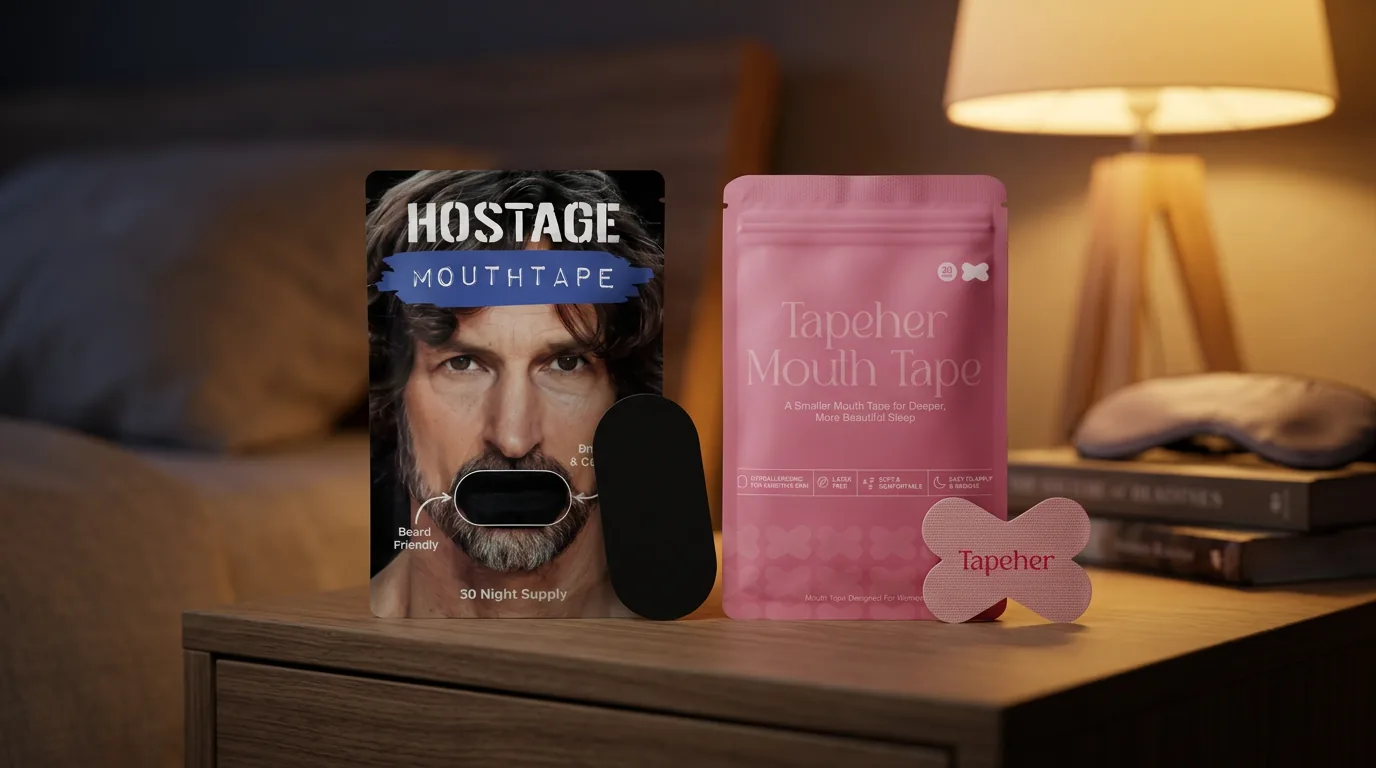
Hostage Mouth Tape Bundle with Nasal Strips
Hostage Tape is engineered with proprietary BeardFlex technology to maintain strong adhesion even when worn over facial hair. The breathable mesh design is specifically optimized for beard-friendly use. The bundle combines mouth tape with nasal strips and sleep accessories, offering a complete introductory kit.
Where to Go Next
This article introduced nasal breathing at night and the basic tools people use to explore it. If you've decided nasal breathing interests you, your next step depends on your situation.
If you're curious about specific products and brand comparisons, deeper product reviews and buying guides will help you choose between options like Somnifix, Dream Recovery, and others. If you have sleep concerns or suspect you might have sleep apnea, consult a sleep specialist — nasal breathing tools are not substitutes for medical diagnosis. For comprehensive product comparisons, check out our guide to mouth tape for sleep or explore the science of nasal breathing benefits.
The trend of nose strips and mouth tape reflects real interest in sleep optimization. Whether you engage with these tools or not, understanding why they appeal to people — better sleep, improved breathing, and support for rest recovery — is useful. Rest well.
- The Impact of Mouth-Taping in Mouth-Breathers with Mild OSA — PubMed Central clinical trial on nasal breathing benefits.
- Nocturnal Mouth-Taping and Social Media: A Scoping Review — Scoping review of mouth taping evidence and safety considerations.
- Mouth Taping: Is It Safe To Use? — Cleveland Clinic expert guidance on safety and medical contraindications.
- Mouth Taping for Sleep — Sleep Foundation evidence-based resource on nasal breathing during sleep.
- FDA Hypoallergenic Cosmetics Q&A — Federal guidance on adhesive safety claims and labeling standards.
- American Dental Association — Professional standards for oral health and saliva function.
- PubMed Central — Peer-reviewed research on respiratory physiology and sleep medicine.
Medical disclaimer: This article is educational and does not replace professional medical advice. Mouth taping and nasal strips are not treatments for sleep apnea, respiratory conditions, or other medical disorders. If you have sleep concerns, a diagnosed breathing condition, or suspect sleep apnea, consult a healthcare provider or sleep specialist before trying these tools. Do not use mouth tape if you have nasal obstruction, chronic allergies, untreated sleep apnea, or anxiety triggered by mouth covering.
Recommended for you
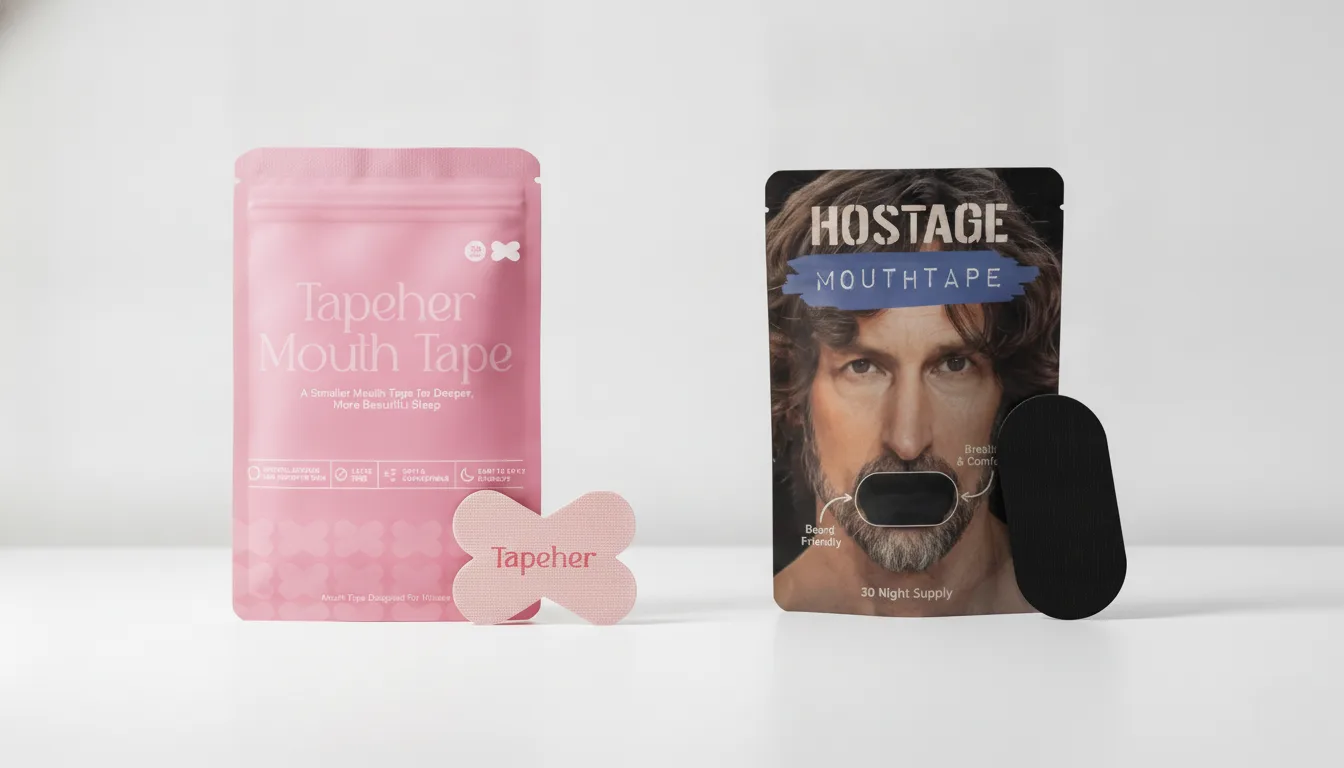 Skinny Confidential Mouth Tape Review: 7 Best Alternatives (2026)
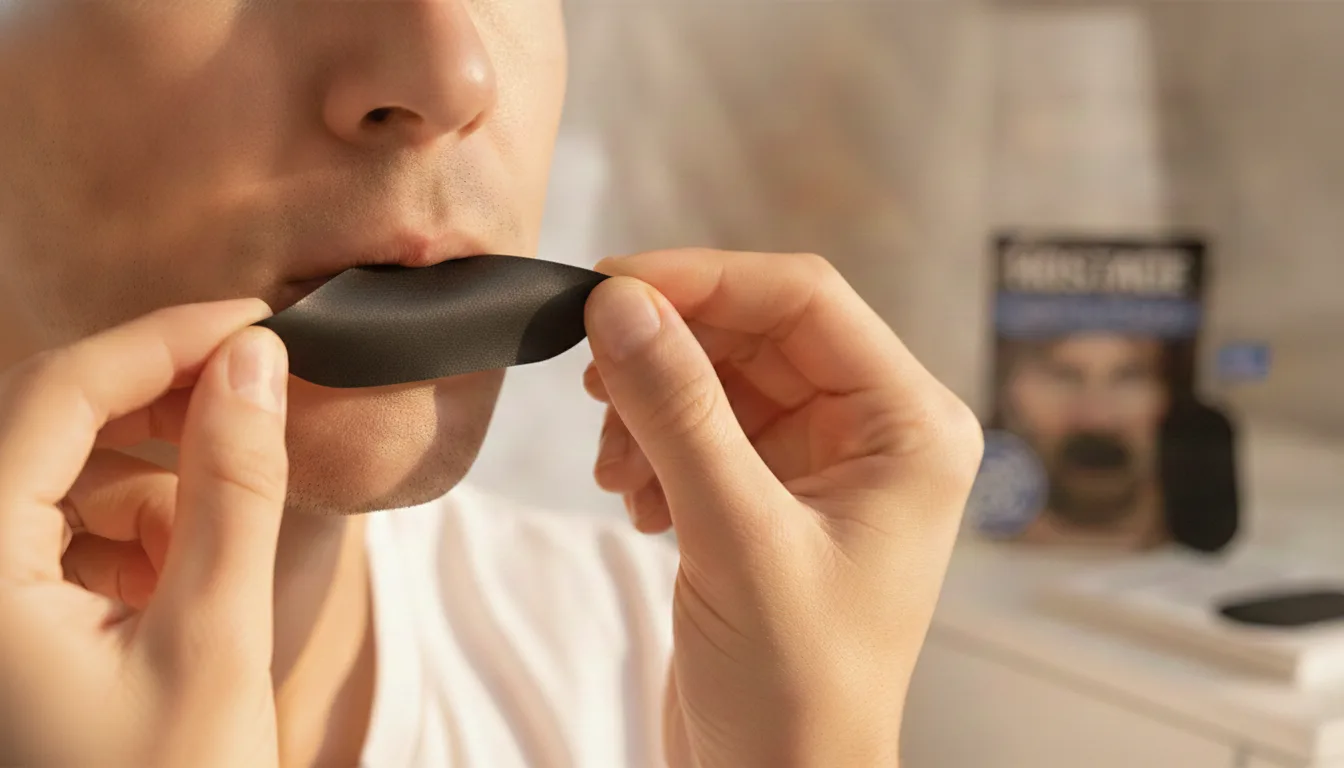 How to Remove Mouth Tape Residue: 5 Tips to Avoid Irritation
 Best GuruNanda Mouth Tape Review: Safety Gaps & Alternatives (2026)
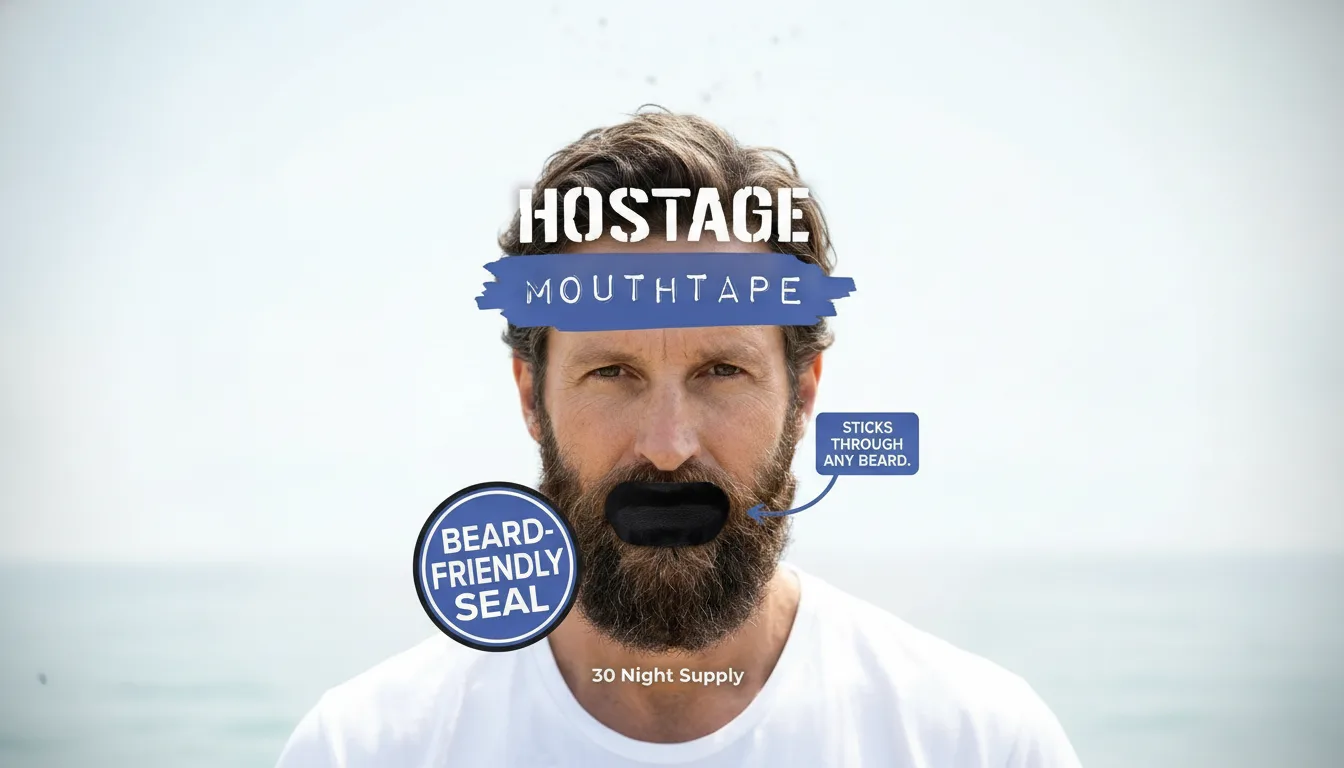 Best Mouth Tape for Mustaches & Beards: Proven Fit Guide (2026)
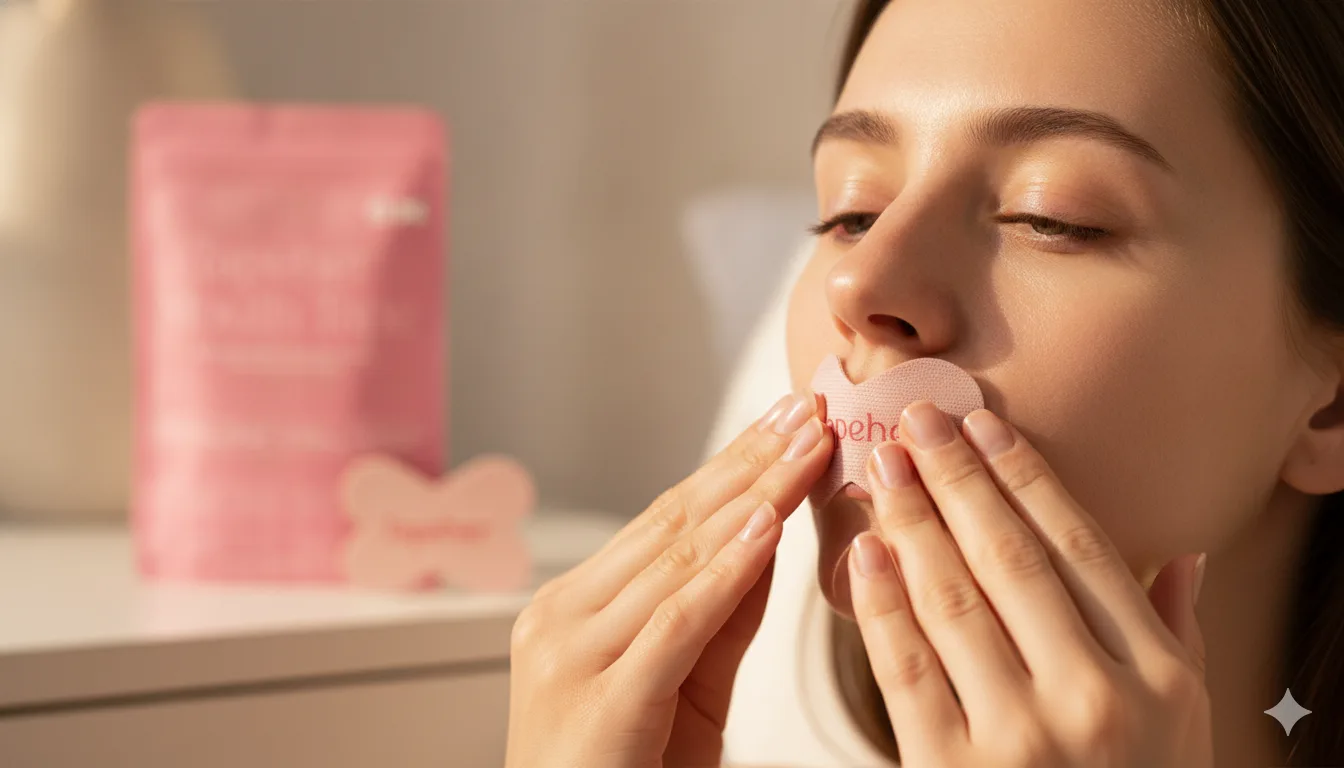 How to Put Mouth Tape On: Safe Step-by-Step Guide (2026)
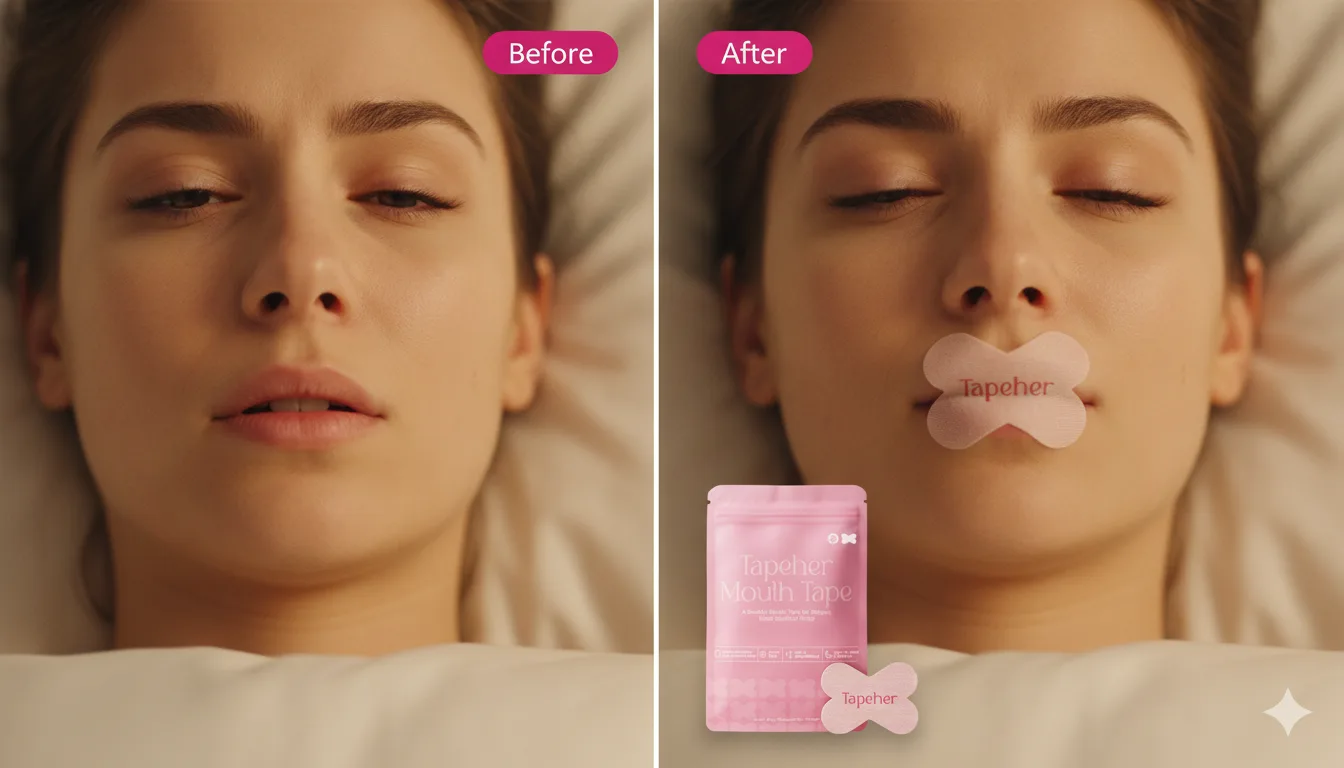 Mouth Tape Before and After: 5 Real Changes to Expect (2026 Guide)