INIA Review
An evidence-checked review of the INIA FLARE Microcurrent Facial Device — three treatment modes, zinc-alloy build, usage protocol, safety contraindications, and who should (and should not) buy it.
How the INIA FLARE microcurrent facial device works
- How the INIA FLARE microcurrent facial device works
- INIA FLARE modes, build quality, and colourways
- How to use the INIA FLARE step by step
- Common mistakes with at-home microcurrent devices
- Full INIA FLARE Microcurrent Facial Device review
- FLARE vs other at-home skincare approaches
- What to look for in a microcurrent facial device
The INIA FLARE Microcurrent Facial Device is a home-use microcurrent tool built around three treatment modes, a zinc-alloy conductive head, and a structured usage protocol — this review breaks down how it works, who should (and should not) use it, and what the evidence actually says before you buy. INIA positions FLARE as an at-home alternative to spa microcurrent facials.
Key highlights
- Three treatment modes — LIFT, TIGHTEN, and INFUSE — each targeting a different facial-tissue layer.
- Zinc-alloy device head, chosen for being non-allergenic and rust-resistant under regular wet use.
- Manufacturer protocol: 5 sessions a week for the first 60 days, then 2-3 times a week to maintain results.
- Requires a conductive gel or serum to work at all — skipping it reduces current transfer and can cause skin friction.
- Backed by a 2-year product warranty and a 90-day money-back guarantee.
A well-built entry point into at-home microcurrent facials — but only for people who pass the safety checklist.
The INIA FLARE Microcurrent Facial Device suits readers who already understand microcurrent is a maintenance habit, not a one-time fix, and who are cleared to use it safely (see the contraindications section below).
Check current price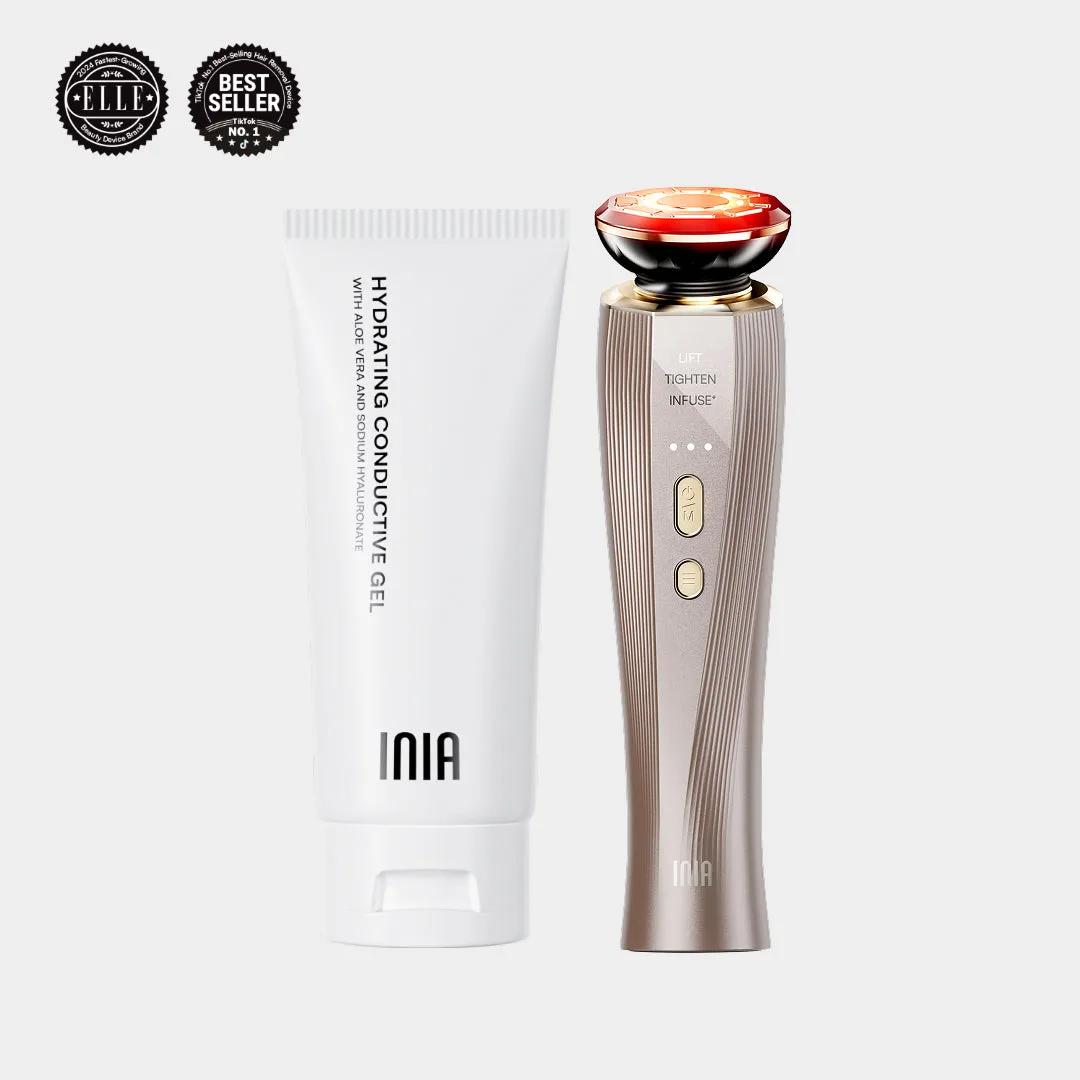
How the INIA FLARE microcurrent facial device works
Microcurrent devices, including the INIA FLARE microcurrent facial device, deliver very low-level electrical currents to the skin — under 1,000 microamperes — designed to mimic the body's own bioelectric signals. According to FOREO/Mysa, microcurrent is thought to stimulate ATP energy production in cells, energize fibroblasts that produce collagen, and encourage elastin creation, which in theory supports skin tone, firmness, and the appearance of fine lines over time.
It is important to separate general microcurrent research from claims about this specific product. A 2012 trial in the Journal of Cosmetic Dermatology found that 80% or more of participants reported improved facial firming, tone, and lift after a 12-week daily microcurrent protocol, and a 2012 Life Science Journal trial recorded an 18.37% reduction in forehead wrinkles immediately after treatment, rising to 21.18% at the one-month follow-up. Some sources also cite older University of Washington research reporting a 35% increase in peripheral blood circulation and a 45% increase in dermal elastin fibers following microcurrent treatment. These figures describe microcurrent technology in general clinical settings — they are not measurements of the INIA FLARE itself, and this specific device has not been independently tested to reproduce them. Treat them as background on how the category is believed to work, not as a guaranteed outcome from this product.
INIA FLARE modes, build quality, and colourways
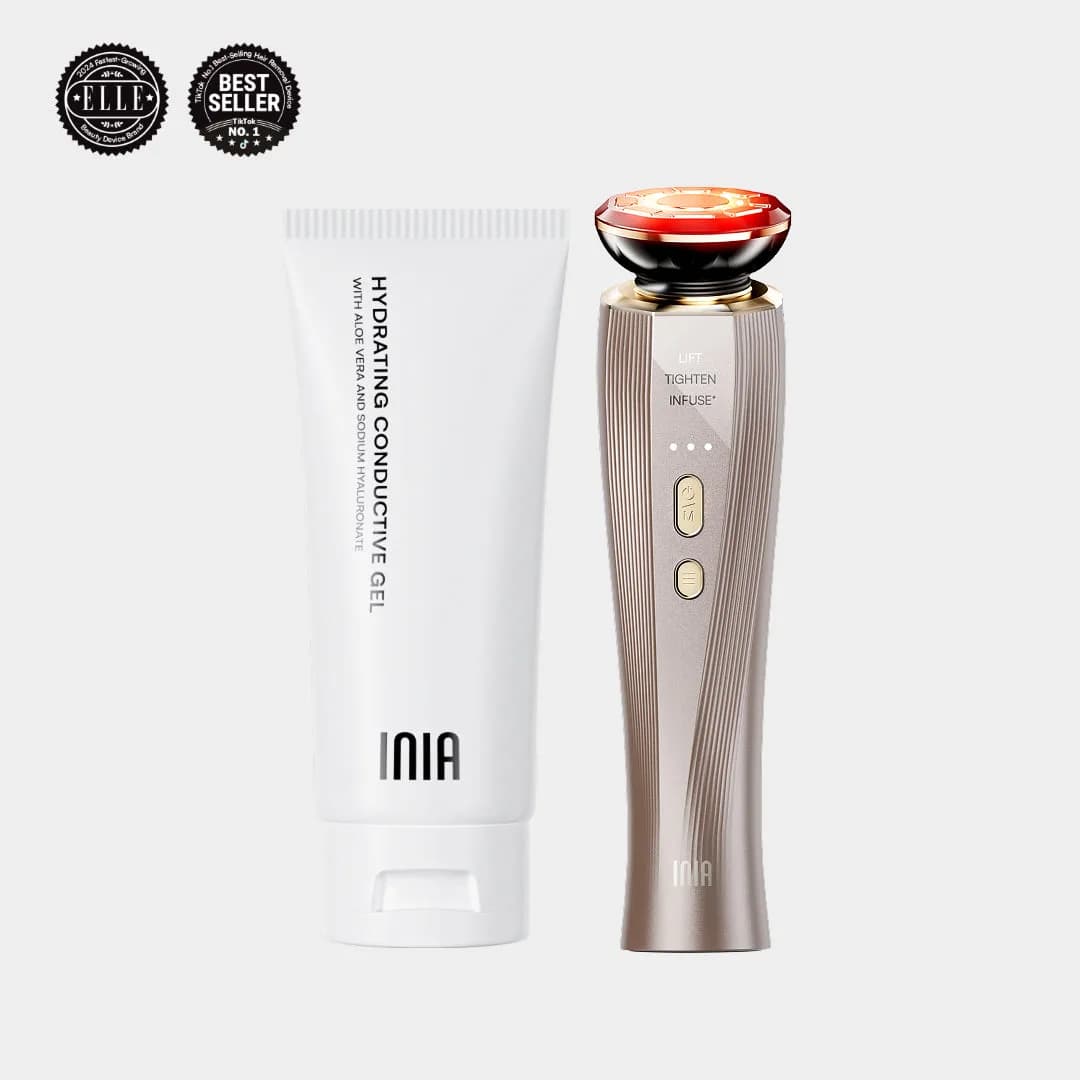
The INIA FLARE microcurrent facial device ships with three distinct treatment modes. LIFT targets facial toning, TIGHTEN focuses on skin firmness, and INFUSE is designed to enhance product absorption — each mode is built to work on a different layer of facial tissue, which is meant to address concerns like fine lines, loss of elasticity, and facial contour definition.
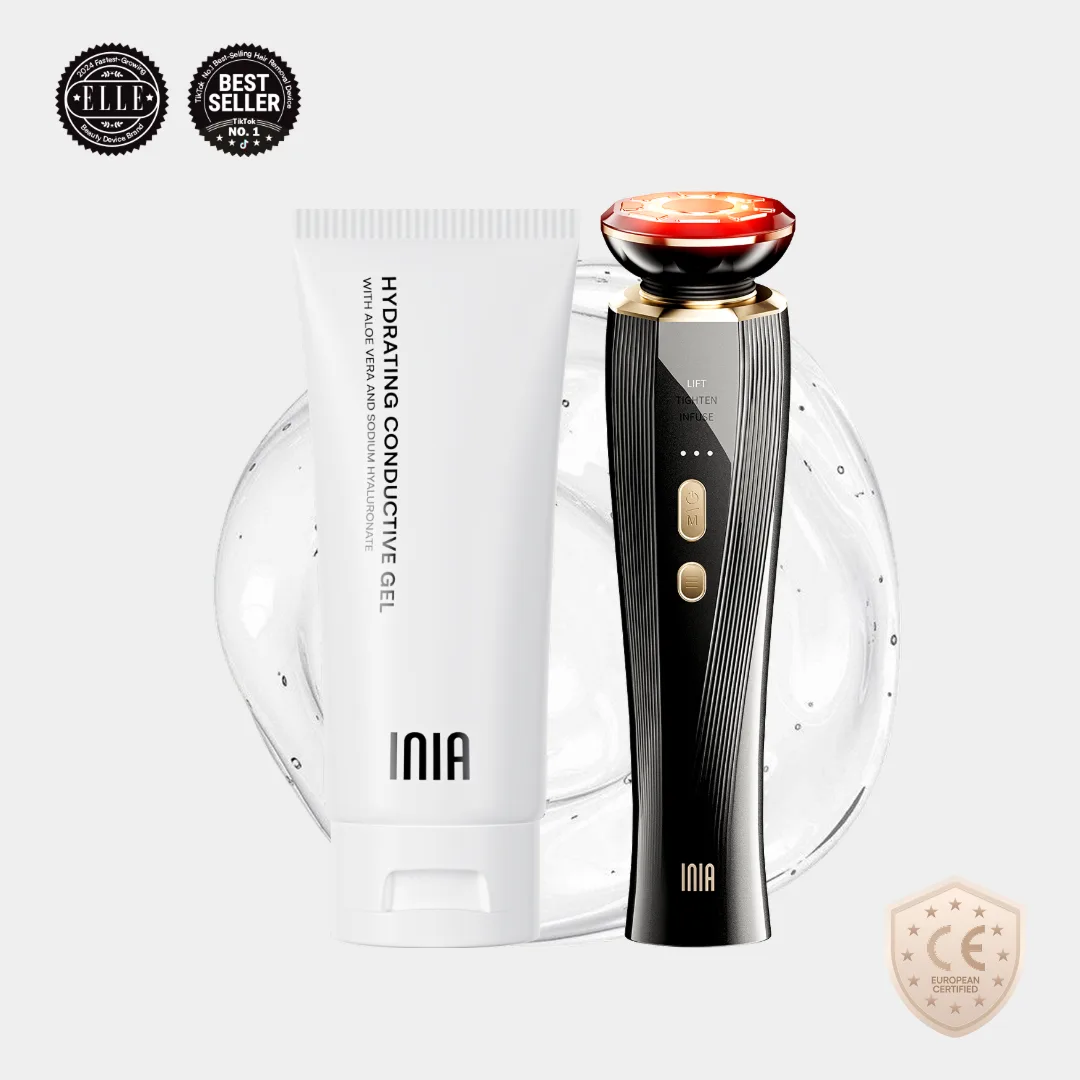
Underneath the styling, the device head is built from zinc alloy, chosen specifically because it is non-allergenic and rust-resistant — a practical detail given the device is used wet, with conductive gel, on repeat. FLARE is sold in five colourways: Rose Champagne, Crystal Violet, White, Pink, and Black, so the styling choice does not affect which mode you are using.
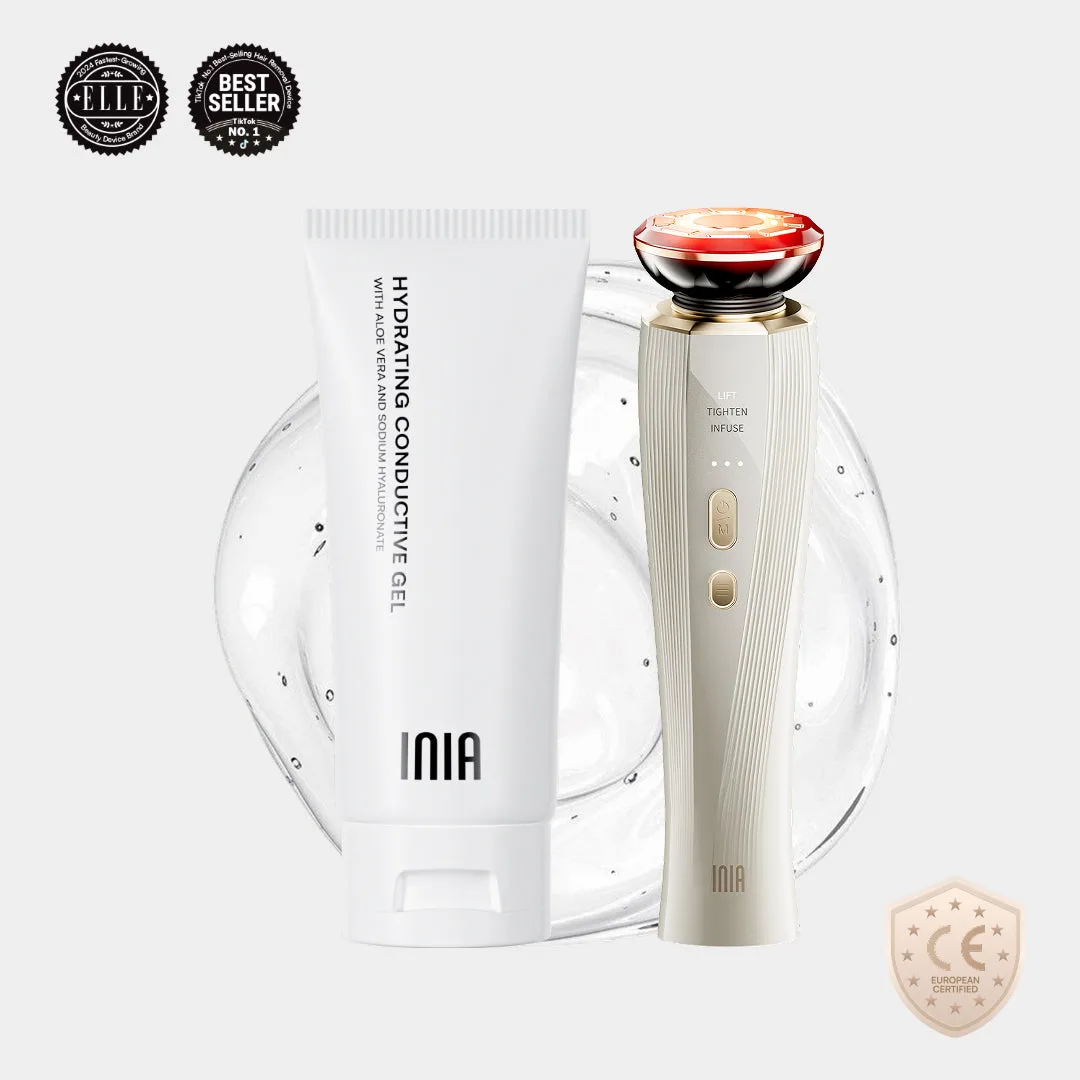

INIA FLARE Microcurrent Facial Device
Three modes, five colourways, zinc-alloy head built for repeated wet use with conductive gel.
Check current priceHow to use the INIA FLARE step by step
Getting consistent results from any microcurrent device — the FLARE included — comes down to routine, not intensity. Follow these steps:
- Cleanse first. Use the device on clean, makeup-free skin only — residue interferes with current transfer.
- Apply conductive gel. The FLARE is designed to work with INIA Microcurrent Conductive Gel, though other conductive gels or serums can be used for the LIFT and TIGHTEN modes. Skipping gel is one of the most common usage errors — it both weakens current delivery and increases friction against skin.
- Choose your mode. Start with LIFT or TIGHTEN depending on your focus area; INFUSE pairs well with a serum step.
- Follow the protocol. The manufacturer recommends using the device 5 times a week for the first 60 days, then reducing to 2-3 times a week to maintain results. The device is intended for face, neck, and hands.
- Cleanse again. Remove residual gel after each session before applying serums or moisturizer.
A conductive-gel pairing like a lightweight facial oil can slot into the post-treatment step, though it is not a substitute for a proper conductive gel during the microcurrent pass itself.
Common mistakes with at-home microcurrent devices
Most disappointing results trace back to a handful of avoidable errors rather than the device itself.
Skipping conductive gel
Proper gel application ensures effective current transmission and prevents device-skin friction — using the FLARE dry, or with a non-conductive lotion, undercuts the entire mechanism.
Ignoring contraindications
Microcurrent devices are not recommended for anyone who is pregnant, has epilepsy or a seizure disorder, has a heart condition or pacemaker, has other implanted electrical devices such as cochlear implants, has metal implants or braces in the facial area, has recently had facial surgery, has an active skin infection or open wound, or has cancer or a tumor. Anyone with an existing health condition should check with a healthcare provider before starting.
Expecting overnight results
The clinical figures cited above came from 12-week, daily-use protocols — not single sessions. Treat FLARE as a cumulative habit, matching the brand's own 60-day protocol, rather than a quick fix.
Full INIA FLARE Microcurrent Facial Device review
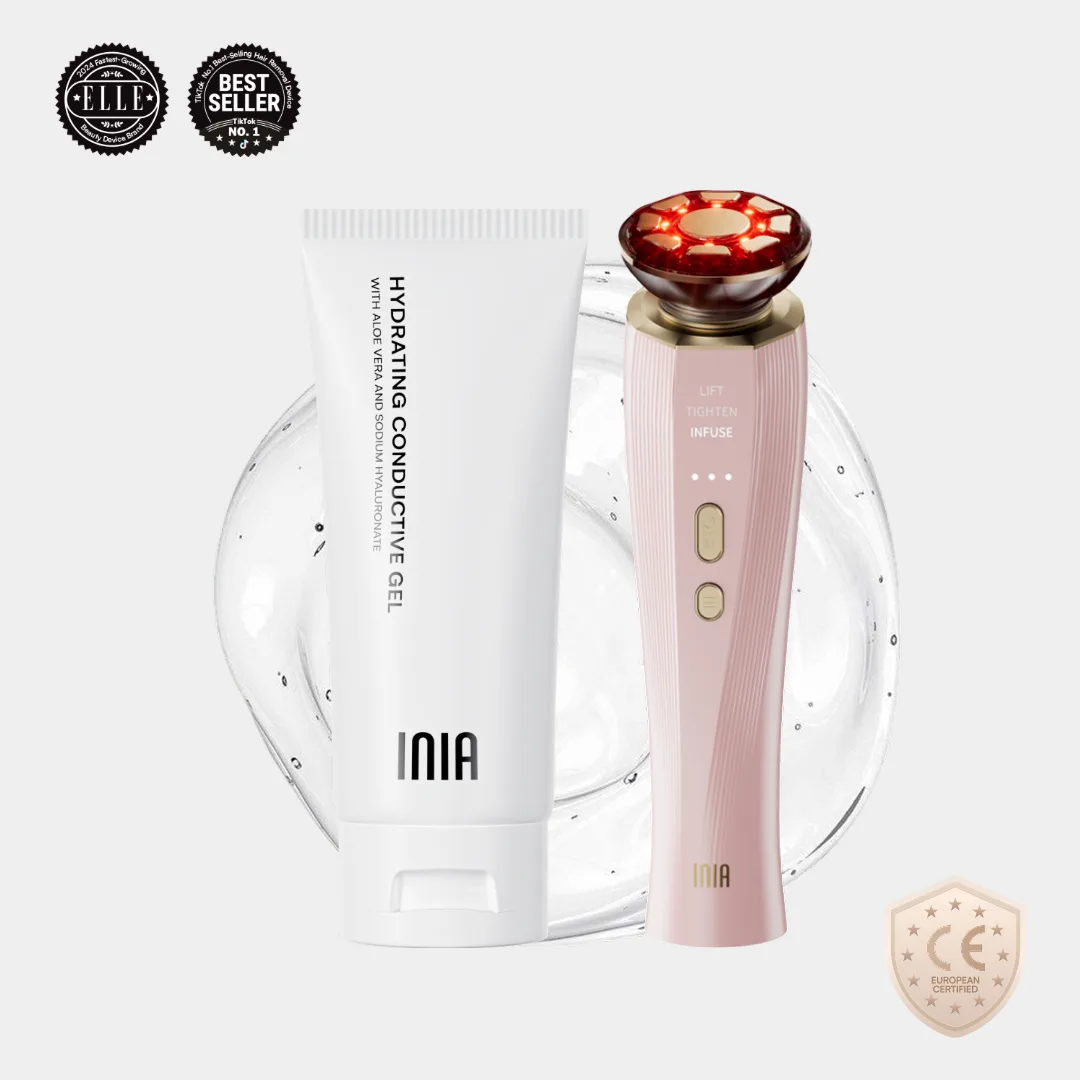
INIA FLARE Microcurrent Facial Device
What We Like
- Three modes covering toning, firming, and product-absorption use cases
- Zinc-alloy head is non-allergenic and rust-resistant for repeated wet use
- 2-year warranty plus a 90-day money-back guarantee lowers the risk of trying it
What to Consider
- Needs a dedicated conductive gel purchase — it will not perform well without one
- Not suitable for several common health conditions (see contraindications above)
- Results depend on sticking to the 60-day protocol, not occasional use
Beyond mode selection and build, what stands out about the FLARE is how explicitly INIA frames it around a maintenance protocol rather than a single treatment. That framing matches what the broader microcurrent research base supports: consistent, longer-term use is where the category's reported benefits show up, not single sessions. Like the CalmCarry acupressure device's emphasis on nightly ritual, INIA positions this as a habit-based tool rather than a one-off solution. The same is true of a two-step body care ritual: the payoff comes from repetition, not from any single session.
FLARE vs other at-home skincare approaches
Microcurrent is one lane in the broader at-home skincare-device and topical-treatment space. For readers weighing where a device like FLARE fits against topical-first routines, here is a quick comparison of approach, not a head-to-head against a specific competing device (no competing device data was independently verified for this article).
| Approach | Mechanism | Commitment level |
|---|---|---|
| INIA FLARE (microcurrent device) | Low-level electrical current via LIFT/TIGHTEN/INFUSE modes | Daily-to-frequent, structured protocol |
| Topical facial oils/serums | Direct ingredient delivery through the skin barrier | Daily, low effort |
| Professional microcurrent facials | Same underlying technology, delivered by a practitioner | Periodic, higher cost per session |
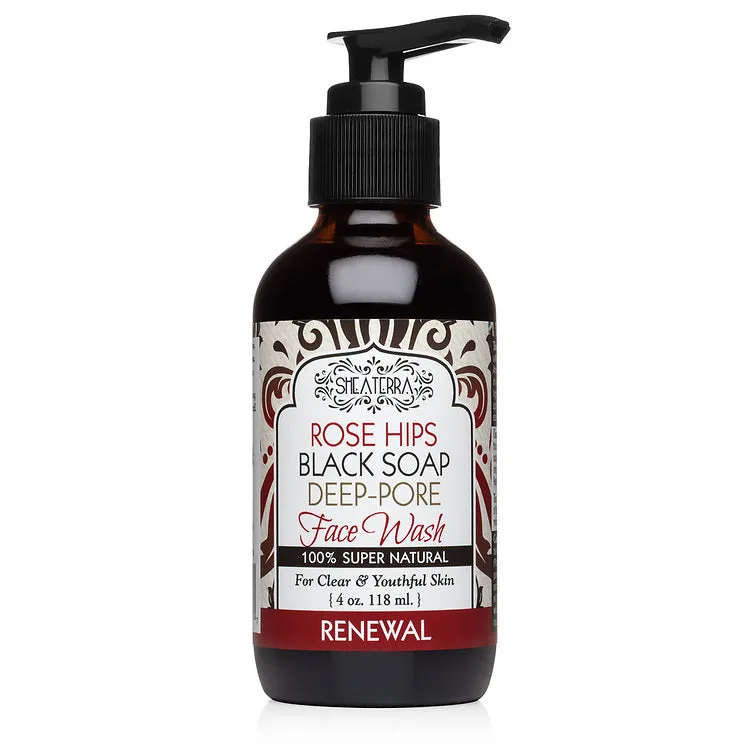
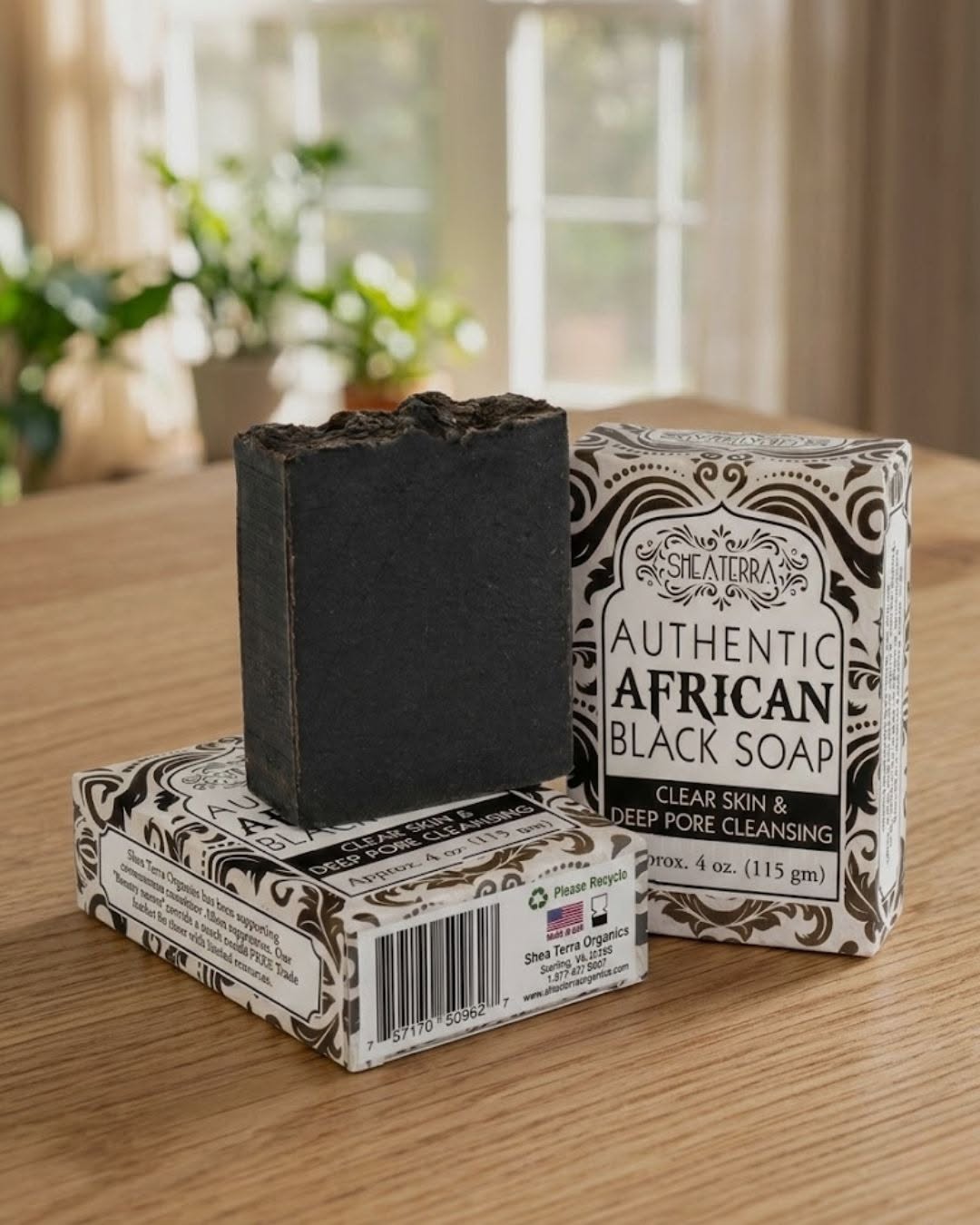
Readers comparing skincare brands more broadly may also find our Shea Terra Organics brand review or our Hanna Sillitoe review useful for context on topical-first routines that can complement (not replace) a device like the FLARE.
What to look for in a microcurrent facial device
Mode variety and stated purpose
Look for a device that names what each mode is actually meant to do — toning, firming, or absorption — rather than a single generic "microcurrent" setting. The FLARE's LIFT, TIGHTEN, and INFUSE split is an example of this kind of clear labeling.
Conductive gel compatibility
Confirm the device is designed for gel or serum-assisted use, and budget for an ongoing gel purchase — it is not optional hardware, it is part of how the current reaches your skin.
Materials and skin sensitivity
A non-allergenic, rust-resistant head material such as zinc alloy matters more than it sounds, since the device sits directly on skin during every use.
Warranty and return policy
A device you will use daily for months should carry a real warranty. The FLARE's 2-year warranty and 90-day money-back guarantee is a reasonable benchmark to compare other devices against.
Safety fit
Before buying any microcurrent device, check it against the contraindications list above — pregnancy, epilepsy, pacemakers, other implanted electrical devices, facial metal implants, recent facial surgery, active skin infections, and cancer/tumors are all reasons to skip microcurrent entirely and talk to a healthcare provider first.
How We Chose
This review is based on the INIA FLARE's official product listing, INIA's brand materials, and independent dermatology and skincare-safety sources — not hands-on lab testing. We prioritized transparency about usage protocol, materials, safety contraindications, and warranty terms over marketing claims.
Final verdict: is the INIA FLARE microcurrent facial device worth it?
The INIA FLARE microcurrent facial device is a reasonable pick for adults who want a structured, gel-based microcurrent routine at home and who have confirmed they are not affected by any of the listed contraindications. It suits people willing to commit to the 60-day, 5-times-a-week starter protocol and budget for conductive gel as an ongoing cost. It is not the right choice for anyone who is pregnant, has epilepsy, uses a pacemaker or other implanted electrical device, has facial metal implants, or has an active skin infection — those readers should skip microcurrent devices entirely and speak with a healthcare provider. The general microcurrent research cited in this review describes the category, not guaranteed results from this specific device, so treat FLARE as a maintenance tool rather than a one-time fix.
Check current price at INIAReferences
This article is for informational purposes only and is not medical advice. Microcurrent facial devices are not a treatment, cure, or diagnostic tool for any medical condition. Regulatory and certification claims made by manufacturers, including any FDA, FCC, or RoHS references, should be verified independently and are not confirmed here as formal regulatory approval; at-home cosmetic microcurrent devices are not FDA-approved for anti-aging outcomes. Consult a qualified healthcare provider before use, especially if you are pregnant, have epilepsy, use a pacemaker or other implanted electrical device, or have any other pre-existing health condition.
Recommended for you