The Glow Company Review
An evidence-aware CalmCarry review: how the PC8 microcurrent device works, what the peer-reviewed acupressure research actually shows, safety contraindications, and who should buy it.
How CalmCarry works
Choosing a CalmCarry review to trust before you buy matters, because this handheld microcurrent device asks you to hold it in your palm every night — so we pulled the brand's own evidence, the peer-reviewed research it cites, and the safety fine print into one place. CalmCarry, made by The Glow Company (Glowco), is a small acupressure-point stimulator built for bedtime and stressful moments — not a medical treatment.
Key highlights
- CalmCarry stimulates the PC8 (Lao Gong) acupressure point in the center of the palm with gentle microcurrent pulses, and includes a 20-minute automatic safety-shutoff timer.
- It holds a 4.9 out of 5 rating from 1,232 verified reviews, with 99% of customers saying they would recommend it.
- The brand cites general acupressure research on anxiety and sleep — but that research was not conducted on the CalmCarry device or specifically on the PC8 point, a gap worth understanding before you buy.
- It is not suitable for anyone with a pacemaker, epilepsy, open hand wounds, or during pregnancy — details below.
A well-reviewed bedtime acupressure tool for adults and kids 4+ who want a hands-on, drug-free wind-down routine — not a substitute for treating a diagnosed anxiety or sleep disorder.
CalmCarry suits readers who want a screen-free, non-pharmacological ritual to add to a bedtime routine, and who are comfortable with a wellness aid grounded partly in Traditional Chinese Medicine tradition rather than device-specific clinical trials. It is not the right pick for anyone seeking a clinically validated treatment for a diagnosed anxiety, ADHD, or sleep disorder — talk to a healthcare provider for those.
Check CalmCarry priceHow CalmCarry works
CalmCarry is a handheld device that delivers gentle microcurrent pulses to the PC8 (Pericardium-8), also called Lao Gong or "Palace of Toil" — an acupressure point in the center of the palm that, when you make a loose fist, sits exactly where your middle fingertip lands. In Traditional Chinese Medicine, PC8 has been used for over 1,000 years to support relaxation and calm the mind, traditionally associated with regulating the autonomic nervous system and easing emotional imbalance.
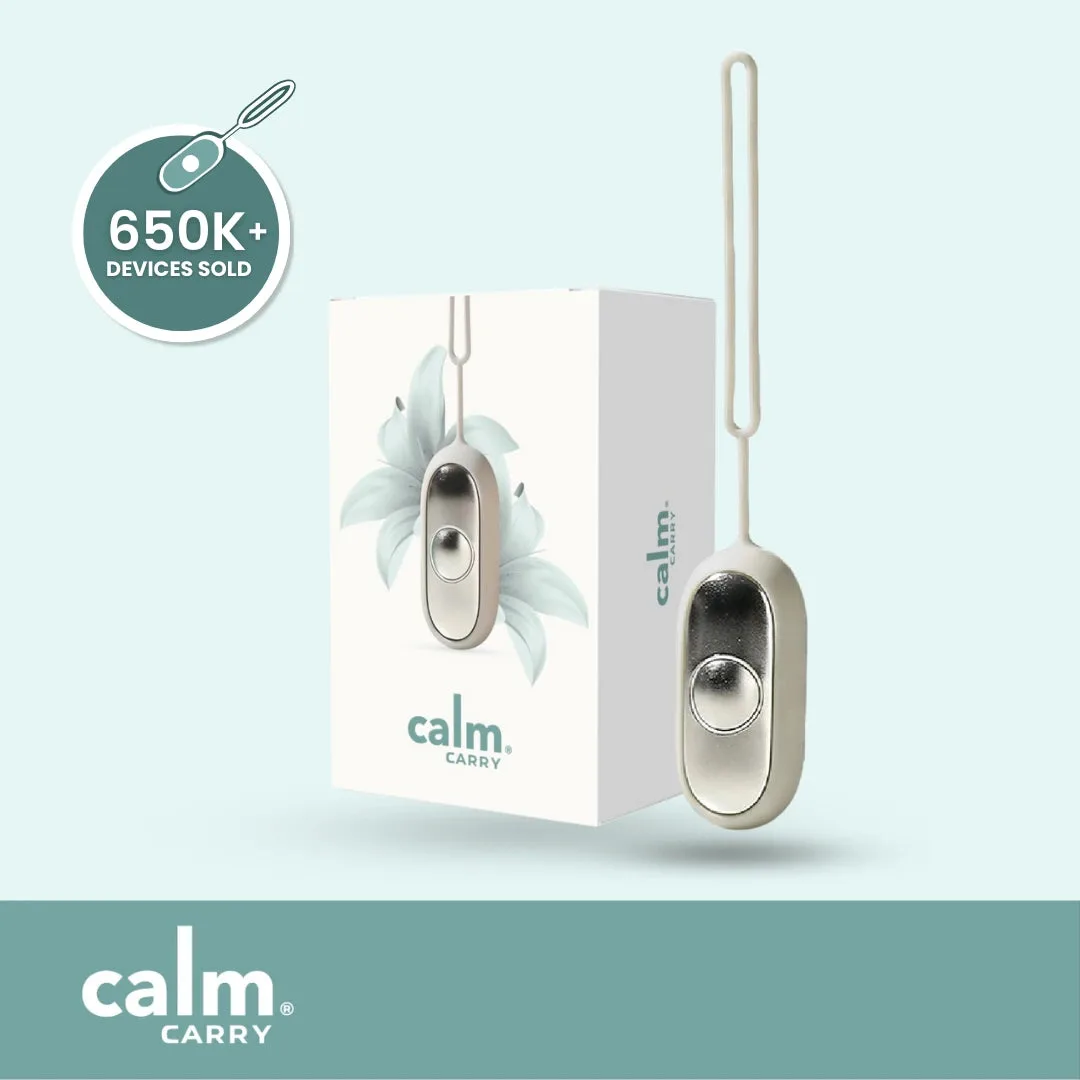
The brand's own materials describe the mechanism as microcurrent stimulation aimed at influencing the parasympathetic "rest and digest" nervous system response and vagal tone, with claims that it may affect neurotransmitter activity and shift brainwave patterns toward relaxation. It's important to be direct here: this specific mechanism at the PC8 point has not been independently validated in peer-reviewed clinical research on CalmCarry itself. That is a real evidence gap, not a technicality, and we cover it in full further down this page.
On the hardware side, CalmCarry is USB-C rechargeable, offers two pulse modes (slow and fast) with adjustable intensity, includes a protective silicone cover, and shuts off automatically after a 20-minute session to prevent overuse. Since launch, The Glow Company reports CalmCarry has reached over 1 million users globally, alongside companion plant-based sleep and anxiety gummies from the same brand.
CalmCarry®
Palm-held PC8 acupressure device for bedtime wind-down and stress moments.
Check current priceHow to use CalmCarry
Using CalmCarry is deliberately simple, which is part of its appeal as a bedtime tool: 1) Charge the device via its USB-C port before first use. 2) Make a loose fist and rest the device's metal contact surface against the center of your palm, over the PC8 point. 3) Power it on and choose slow or fast pulse mode, then adjust intensity to a comfortable level — The Emotions Lab described the sensation as "akin to someone lightly snapping a rubber band against your skin". 4) Hold the device through a full session; it shuts off automatically after 20 minutes. 5) Use it as part of a consistent wind-down routine — most parents and adults reported it working best as a nightly ritual rather than an occasional tool.
One honest limitation The Emotions Lab flagged: you must hold onto the device during use, which rules out multitasking — though the reviewers framed this as a feature, since it nudges you toward a mindful, screen-free pause rather than scrolling while you wait to fall asleep.
Does the evidence hold up?
This is the section most CalmCarry reviews skip, and it matters for a YMYL wellness purchase. The Glow Company's science page cites two categories of peer-reviewed research to support acupressure generally, and it's worth separating what that research actually shows from what it proves about this specific device.
On anxiety: a systematic review and meta-analysis of 27 randomized controlled trials found acupressure significantly reduced anxiety, with a standardized mean difference of 1.152 (95% CI: 0.847–1.459, p below 0.001) — a medium-to-large effect size. The same review's authors noted conflicting results on physiological indicators and called for more rigorous reporting. On sleep: a 2025 meta-analysis in Nursing & Health Sciences pooled 41 randomized controlled trials with 3,680 subjects and found acupressure groups improved on sleep quality, total sleep time, sleep efficiency, and sleep onset latency versus controls; narrower analyses within it found benefits in 22 trials with 2,113 cancer patients and 8 trials with 499 menopausal women.
Here's the gap: most of the peer-reviewed studies the brand cites examined acupressure or acupuncture at other points — such as PC6, HT7, or LR3 — rather than specifically at PC8, the point CalmCarry targets. PC8's role in relaxation comes primarily from over a thousand years of Traditional Chinese Medicine practice, not from modern clinical trials designed around this device or this exact point. That doesn't make the tradition invalid, but it does mean the general acupressure evidence above is supporting context, not proof that CalmCarry itself produces those outcomes.
On real-world usage, CalmCarry holds a 4.9 out of 5 rating across 1,232 verified customer reviews, including over 1,100 five-star and 78 four-star ratings, with 99% of reviewers saying they'd recommend it. Verified customer Jeny S. reported:
"It's changed everything for us. It used to take 1 to 2 hours just to get him to sleep."Verified customer Rachael M. added:
"Bedtime used to take 2 hours of tossing and turning, but CalmCarry transformed it into a 30-minute routine."These are individual, self-reported experiences rather than controlled outcomes, and results will vary by household.
Safety-wise, CalmCarry is positioned as non-invasive and non-pharmacological, with no reported side effects, no tolerance building, and no drug interactions, approved for ages 4 and up. It should not be used by anyone with a heart condition or pacemaker, other electronic medical implants, epilepsy or a seizure disorder, open wounds on the hand, or during pregnancy. If any of those apply to you or your child, skip this device and talk to a clinician about alternatives instead.
Full CalmCarry review
CalmCarry®
What We Like
- Drug-free, non-invasive design with an automatic safety shut-off
- Approved for both adults and children as young as 4
- Strong verified-review track record and a simple, low-effort routine
What to Consider
- Peer-reviewed research supports acupressure broadly, not the PC8 point or this device specifically
- Not suitable if you have a pacemaker, epilepsy, open hand wounds, or are pregnant
- Must be held throughout the session — no hands-free use
CalmCarry works best as a nightly ritual rather than a one-off fix: verified customer Dene A. said, "I fall asleep within minutes. It's pricey but worth every penny for our peace." Third-party reviewer The Emotions Lab highlighted its benefits for anxiety relief, relaxation, and sleep quality, and particularly noted effectiveness for children's bedtime routines, alongside praise for its "compact, portable design and rechargeable functionality." Given the strong review volume and the brand's transparent (if incomplete) science page, CalmCarry reads as a reasonable low-risk wellness add-on for the right household — not a substitute for clinical care.
"The compact, portable design and rechargeable functionality" stood out to independent reviewer The Emotions Lab when reviewing CalmCarry for anxiety relief.

CalmCarry vs. other relaxation approaches
CalmCarry isn't the only drug-free way to wind down at bedtime. Here's how it compares to other common non-pharmacological approaches on the basics that matter before you commit to one.
| Approach | How it works | Typical session | Best for |
|---|---|---|---|
| CalmCarry (PC8 microcurrent) | Gentle electrical pulses at the palm's PC8 acupressure point | Up to 20 minutes, auto shut-off | Hands-on bedtime ritual, portable use |
| Guided breathing / meditation apps | Audio-led breathwork and mindfulness exercises | 5–20 minutes | Screen-comfortable users, no hardware needed |
| Weighted blankets | Deep pressure stimulation across the body | Overnight, passive | Those who prefer a passive, hands-free aid |
| OTC sleep supplements | Oral ingestion of sleep-supporting compounds | Taken before bed | Those comfortable with supplements; check with a clinician first |
Alternatives to consider
If CalmCarry isn't the right fit — say, you need relief for a different problem area rather than general bedtime stress — Purisia has reviewed other drug-free wellness devices worth comparing. yourTMJ is a heated jaw-massage pen built specifically for TMJ flare-ups, EmeTerm is a drug-free wearable wristband aimed at nausea relief, and Myoovi is a wearable TENS device designed for period pain. None of these target the same PC8 acupressure mechanism as CalmCarry, but they follow the same non-pharmacological, device-first approach to a specific discomfort. If it is the electrical-stimulation principle itself that interests you, the INIA FLARE microcurrent facial device applies it to a cosmetic rather than a calming use case.
What to look for in a microcurrent wellness device
Safety features first
Look for an automatic session timer and clear contraindication guidance (heart conditions, pacemakers, epilepsy, pregnancy, open wounds) before you buy any microcurrent or acupressure device — CalmCarry's 20-minute auto shut-off and published contraindication list is a reasonable baseline to compare against.
How the brand talks about evidence
A brand that clearly separates "what peer-reviewed research shows about acupressure generally" from "what's proven about our specific device" is more trustworthy than one that blurs the two. Read the science page, not just the testimonials, before deciding.
Real verified-review volume
A large sample of verified reviews (CalmCarry has over a thousand) tells you more about consistency than a handful of five-star testimonials on a landing page.
How We Chose
We built this review from The Glow Company's own product, safety, and science documentation, verified customer reviews published on the brand's site, an independent third-party review from The Emotions Lab, and peer-reviewed acupressure research the brand cites — checked against the original PubMed sources rather than taken at face value.
The verdict
CalmCarry is worth considering if you want a simple, drug-free bedtime tool and you're comfortable with a device grounded partly in Traditional Chinese Medicine tradition rather than device-specific clinical trials — the 4.9/5 rating across 1,232 verified reviews and 20-minute safety shut-off support that use case. Skip it if you have a pacemaker, epilepsy, open hand wounds, or are pregnant, or if you're looking for a clinically proven treatment for a diagnosed condition — that calls for a healthcare provider, not a wellness gadget.
Check CalmCarry priceReferences
- Chen et al., "Effects of acupressure on anxiety: a systematic review and meta-analysis," Journal of Integrative and Complementary Medicine
- Ling et al., "Effectiveness of acupressure on sleep quality," Nursing & Health Sciences (2025)
- The Emotions Lab — CalmCarry review
- David Dia Acupuncture — PC8/Lao Gong pressure point
- The Glow Company — The Science Behind CalmCarry
Wellness disclaimer: CalmCarry is a wellness device, not a medical device, and it is not intended to diagnose, treat, cure, or prevent any disease, including anxiety disorders, ADHD, or clinical sleep disorders. The acupressure research referenced above examines acupressure generally, not CalmCarry or the PC8 point specifically. If you have a heart condition, pacemaker, other electronic implant, epilepsy, open wounds, or are pregnant, do not use this device. Speak with a licensed healthcare provider before using CalmCarry for anxiety, sleep, or any other health concern.
Recommended for you
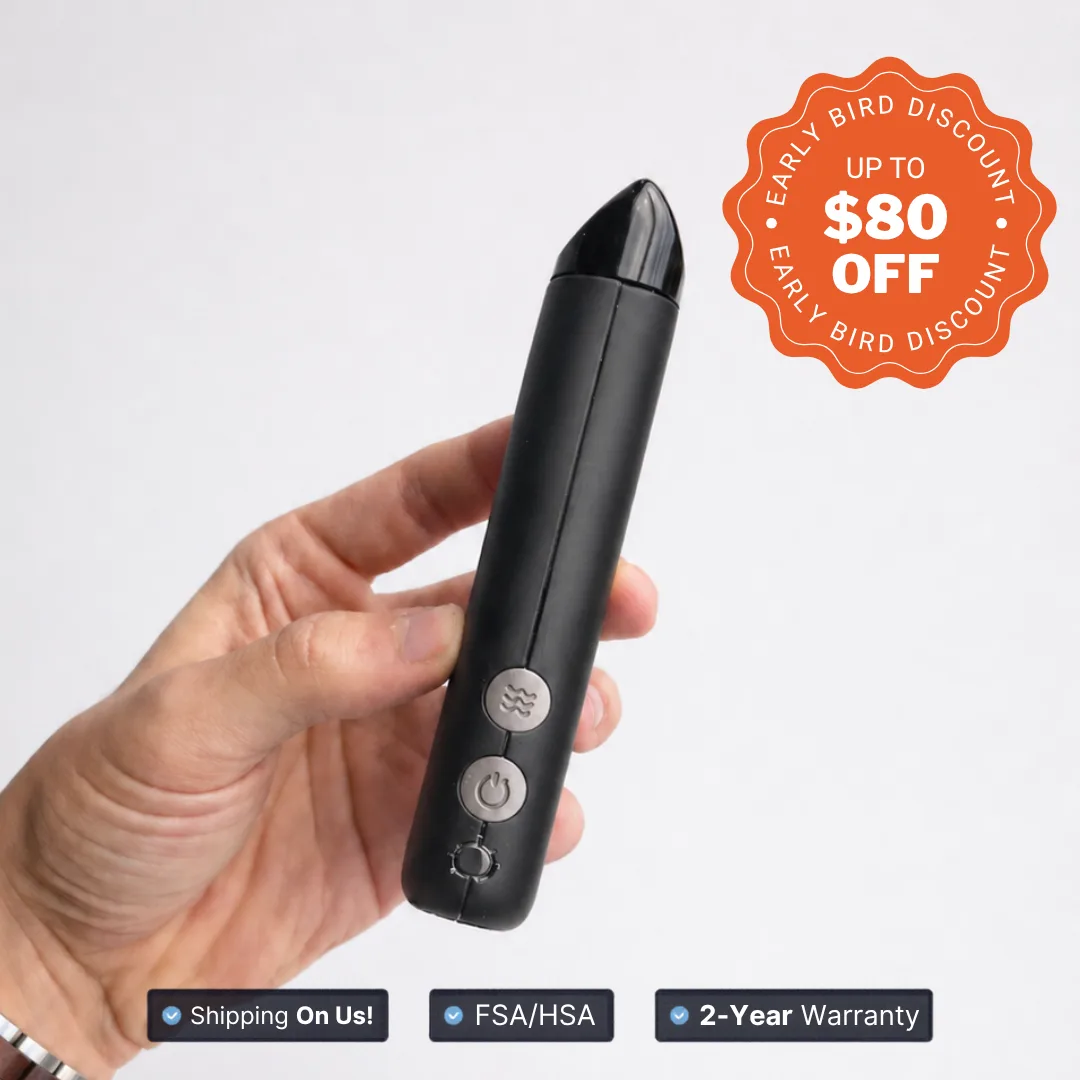 yourTMJ Review 2026: Honest Look at the Heated Jaw Pen
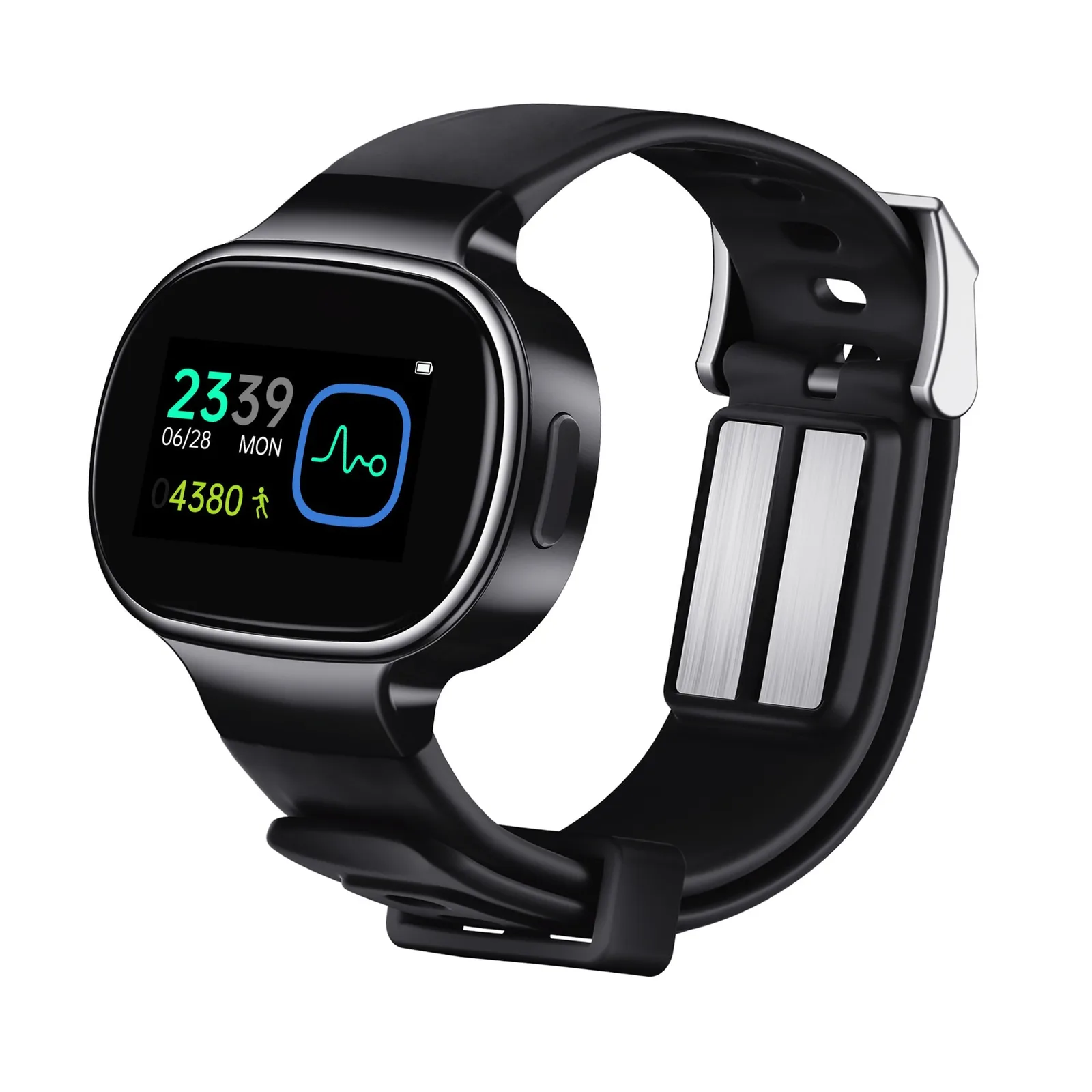 EmeTerm Review 2026: Best Anti-Nausea Wristband Guide
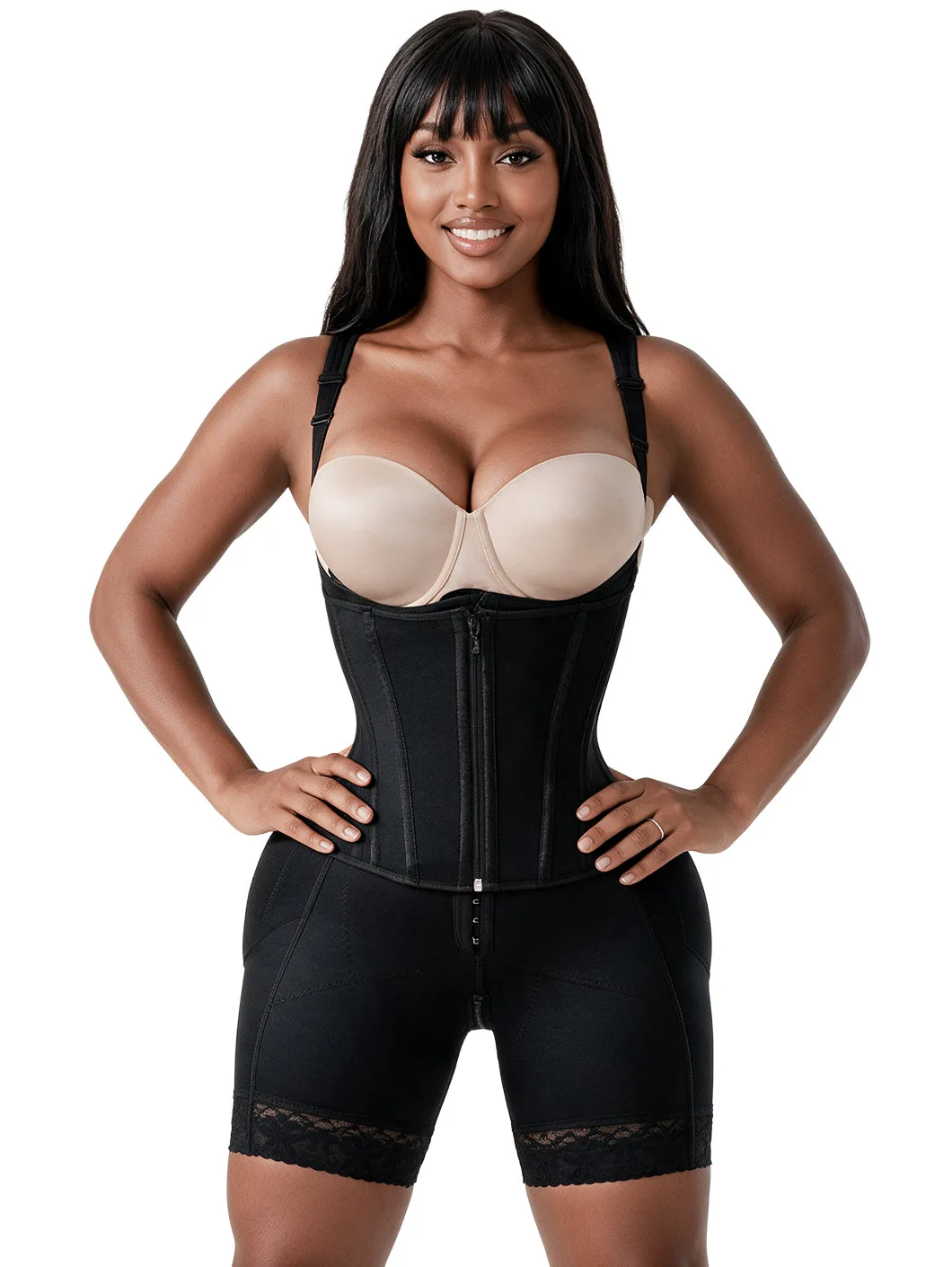 Snatched Body Review: 4-Stage Fajas, Honest 2026 Guide
 Hanna Sillitoe Review 2026: Honest Gut-First Skincare Guide
 Lola Health At-Home Blood Test Review: A Closer Look
 How At-Home Blood Testing Works: 5 Steps Explained (2026 Guide)