Mouth Tape for Beginners: How to Start Safely
Thinking about trying mouth tape for the first time? This beginner guide covers everything from how nasal breathing works to safety checks, tape types, and a step-by-step start routine — all grounded in real research.
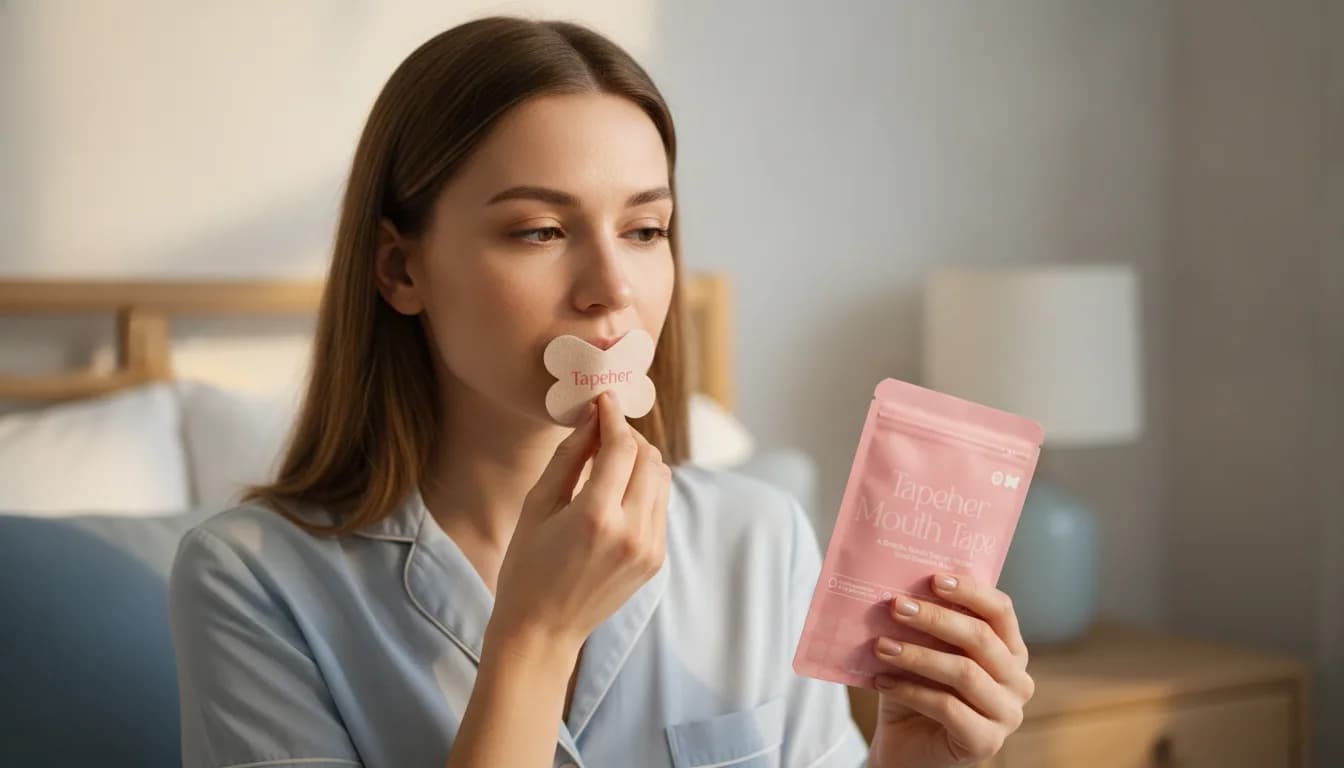
What is mouth tape?
Mouth tape for beginners can feel intimidating at first — but at its core, it is a simple practice: a small strip of breathable tape placed over the lips before sleep to encourage nasal breathing throughout the night. At Purisia, we break down what the research actually says, who it is right for, and exactly how to start safely.
Mouth taping is a low-cost way to encourage nasal breathing during sleep — but only safe if your nose is clear and you have no undiagnosed airway issues.
If you can breathe comfortably through your nose right now, have no history of sleep apnea, and wake up with dry mouth or light snoring, mouth tape is worth exploring. If you are congested, have a deviated septum, or have been told you stop breathing during sleep, skip it until you have spoken with a doctor.
Key Highlights
- Mouth tape gently holds the lips together to reinforce nasal breathing while you sleep — it does not force your airway shut.
- Nasal breathing produces 5–20× more nitric oxide than mouth breathing, supporting oxygen uptake and blood vessel relaxation.
- A 2022 clinical pilot study found a 47% reduction in both the apnea-hypopnea index and snoring frequency in mild OSA patients — but evidence outside mild cases is limited.
- Safety screening is non-negotiable: never start if you have nasal congestion, moderate-to-severe sleep apnea, or chronic nasal obstruction.
- Purpose-built tapes (breathable fabric, medical-grade adhesive) are far safer than household tape — never use duct tape or scotch tape on skin.
- Most beginners adapt within 1–3 weeks; starting with short daytime naps before overnight use reduces discomfort significantly.
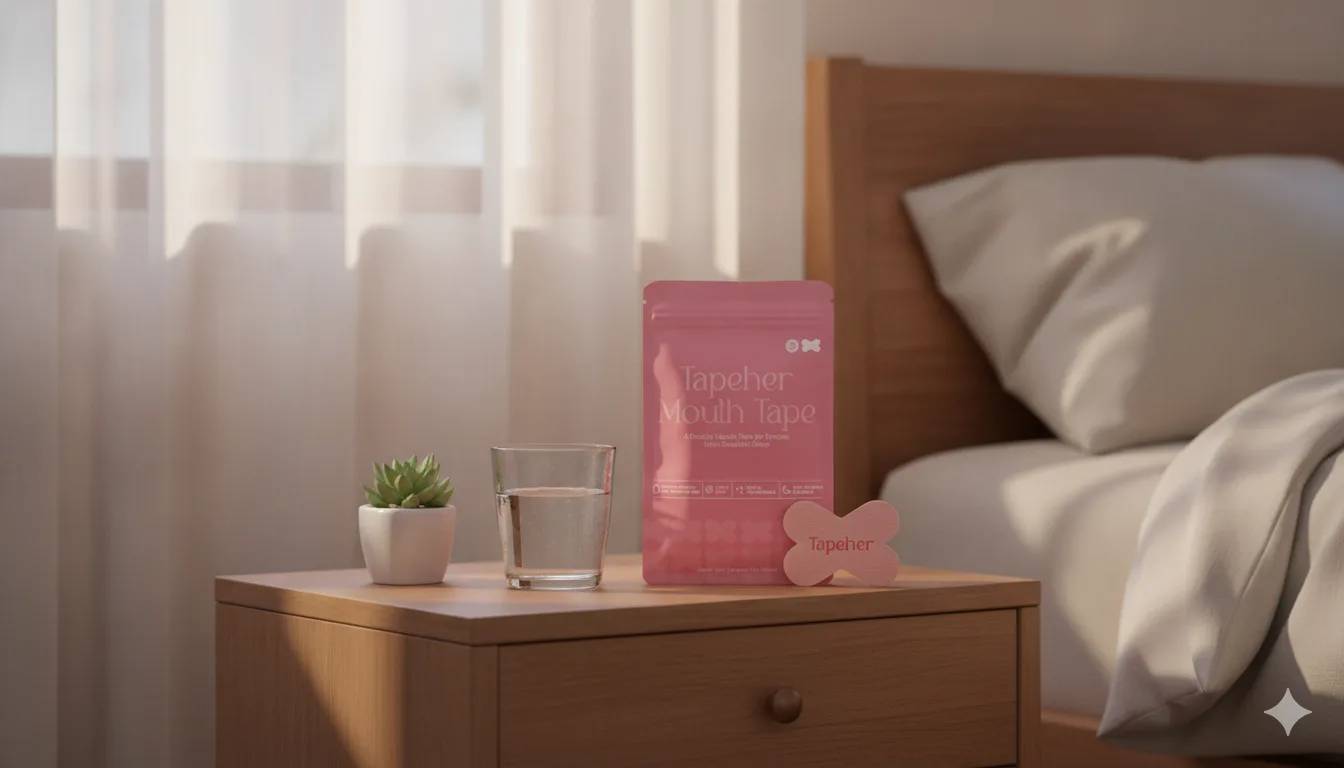
Tapeher Mouth Tape
X-shape design, 50% smaller than standard tape, 95% cotton and 5% spandex, PFAS-free verified by SGS lab (January 2026) — designed for sensitive skin and first-time users.
What is mouth tape?
Mouth tape is a strip of breathable, skin-safe adhesive worn over the lips during sleep to keep the mouth closed and redirect breathing through the nose. It is not a medical device and carries no FDA approval for treating sleep disorders — it is a sleep habit aid, similar in concept to a nasal strip or chin strap.
The tape itself is typically made from fabric or cotton with a gentle, removable adhesive on one side. Purpose-built products come pre-cut and sized for the mouth area. Some designs — like the X-shape used by Tapeher — cover less surface area for comfort, while others include a small center vent (like SomniFix) to allow partial airflow as a psychological safety backup.
It is important to understand what mouth tape does not do: it does not treat sleep apnea, fix structural airway issues, or replace CPAP therapy. It is a behavioral cue — a gentle reminder to keep the mouth closed so the nose does the work.
How nasal breathing works — and why it matters
Your nose is specifically designed for breathing in ways your mouth simply is not. Understanding this physiology helps you see why many sleep researchers consider nasal breathing the default mode your body prefers at night.
Nitric oxide production
Nasal breathing produces 5 to 20 times more nitric oxide than mouth breathing. Nitric oxide is released in the nasal sinuses and follows the airstream into the lungs, where it dilates blood vessels and enhances oxygen uptake. Research from the American Journal of Respiratory and Critical Care Medicine documents that nasal breathers maintain better oxygen saturation throughout sleep cycles compared to mouth breathers.
Filtration, humidification, and warmth
The nasal passages are lined with cilia and mucus membranes that filter dust, allergens, and pathogens before air reaches the lungs. Mouth breathing bypasses this first-line immune defense entirely, allowing unfiltered air to irritate the lower airway and trigger micro-arousals during sleep.
The nasal mucosa also warms inspired air to approximately body temperature and adds moisture — a process that supports sleep-onset thermoregulation. Mouth breathing delivers cold, dry air to the pharynx, which can activate the arousal system and delay sleep onset.
Airway stability and sleep architecture
Mouth breathing increases the risk of pharyngeal airway collapse, the key mechanism behind snoring and obstructive sleep apnea. Nasal breathing maintains higher pharyngeal muscle tone and helps keep the airway patent throughout the night.
The nasal airway's natural turbinate resistance also triggers parasympathetic (rest-and-digest) nervous system activation during sleep. Sleep architecture studies show that nasal breathers spend significantly more time in slow-wave (N3) sleep compared to chronic mouth breathers.
From an oral health standpoint, the American Dental Association documents that mouth breathing during sleep causes xerostomia (dry mouth) and reduced salivary flow. Saliva buffers oral acids, remineralises tooth enamel, and controls bacterial growth — all processes that stall when the mouth stays open all night.
Potential benefits of mouth taping
Mouth tape's potential benefits flow directly from redirecting breathing through the nose. Here is what the evidence supports — and where it falls short.
Reduced snoring and mild sleep apnea symptoms
A retrospective clinical study at Chang Gung Memorial Hospital enrolled 20 patients with mild obstructive sleep apnea (AHI below 15). After one week of mouth taping, the apnea-hypopnea index dropped from 8.3 to 4.7 events per hour — a 47% reduction — and the snoring index fell by 47%. Approximately 65% of participants showed at least a 50% reduction in snoring. Oxygen desaturation index also improved, and lowest oxygen saturation rose from 82.5% to 87%.
However, a 2024 scoping review analysing 10 studies with 213 patients concluded that mouth taping lacks sufficient evidence to support its use as a general treatment for sleep-disordered breathing. Only 2 of 6 studies measuring AHI showed statistically significant improvements — and these exclusively involved mild OSA patients. All 10 included studies scored poorly on quality assessment scales. The authors note that social media promotion of mouth taping has outpaced scientific evidence.
Better oral health
By restoring salivary flow, mouth taping may help reduce the dry oral environment that allows bacteria to proliferate during sleep — potentially lowering risk of plaque buildup and cavities. That said, effectiveness depends on whether mouth breathing is actually the primary cause of your dry mouth. If gum disease, acid reflux, or smoking is the real driver, mouth tape will not address it.
Improved morning freshness
Morning breath linked specifically to overnight mouth breathing may improve when nasal breathing is restored through mouth taping. But a dental professional should evaluate the root cause before assuming mouth tape will fix morning breath.
Types of mouth tape: how to choose
Not all mouth tape is created equal. For beginners especially, the design, material, and adhesive type matter a lot for comfort and safety. Here is a practical breakdown of the main categories.
| Design type | Best for | Key trade-off | Example |
|---|---|---|---|
| Full coverage — fabric | Strong seal; beards; heavy snorers | May feel claustrophobic at first | Hostage Tape (BeardFlex) |
| Compact X-shape | Sensitive skin; women; first-timers | Less coverage may suit lighter mouth-breathers best | Tapeher (50% smaller; 95% cotton + 5% spandex) |
| Vented center strip | Anxiety-prone beginners; partial coverage | Lower adhesion strength; higher cost (~$1.20/strip) | SomniFix (Harvard-validated; patented vent) |
| Elastic loop (surrounds mouth) | Daytime breathing habit training; claustrophobia | Allows mouth opening during sleep, so continuous nasal breathing benefit is reduced | MyoTape |
| Budget medical tape | Trial period; normal skin | Requires cutting to size; not designed for sleep use | 3M Nexcare / 3M Micropore (~$0.08–$0.15 per strip) |
Adhesive types: what to look for
Silicone-based adhesives carry the lowest sensitisation risk of all adhesive types used in skin-contact products. Brands like SomniFix and certain premium options use silicone for this reason. Acrylate adhesives are the most common type — and the most sensitising, with rates rising from 1.6% in 2019 to 2.7% in 2023 in patch-tested populations. For daily users with sensitive skin, silicone formulations are significantly safer despite the higher price.
One piece of label intelligence worth knowing: the FDA has no legal definition of "hypoallergenic," so any brand can use the term without independent verification. Look instead for third-party certifications such as ISO 10993-1 biocompatibility testing or an explicit statement of silicone-based adhesive before buying.
For a deeper dive into what to look for on the ingredient label before buying, see our guide to non-toxic mouth tape.
Who should not use mouth tape
The most critical safety risk with mouth tape is asphyxiation in anyone with nasal obstruction. This includes allergic rhinitis, chronic rhinitis, septal deviation, sinonasal disease, or enlarged tonsils. If the nose cannot deliver adequate airflow and the mouth is taped shut, the result can be severe respiratory distress.
ENT specialists recommend that beginners skip mouth taping entirely if any of the following apply:
- Current nasal congestion, active allergies, or sinus infection — even mild stuffiness makes nasal-only breathing impossible. Wait until fully resolved.
- Diagnosed moderate-to-severe obstructive sleep apnea (AHI ≥ 15) — mouth tape cannot substitute for CPAP or an oral appliance and may worsen breathing disruptions.
- Deviated septum, enlarged tonsils, or chronic nasal obstruction — structural blockage makes taped-mouth breathing dangerous.
- Acid reflux or a history of vomiting during sleep — mouth tape restricts the emergency vomiting response.
- Anxiety disorders or claustrophobia — the sensation of restricted mouth movement can trigger panic attacks. Seek mental health clearance first.
- First-trimester pregnancy — pregnancy-related nasal congestion combined with mouth tape creates dangerous breathing restriction.
- Children — mouth tape is contraindicated in children due to airway obstruction risk and absence of clinical evidence in paediatric populations.
The American Dental Association has cautioned that many people adopt mouth taping indiscriminately after seeing it on social media, without proper medical evaluation — which creates significant risk for those with undiagnosed nasal or airway problems.
Common myths and honest trade-offs
Myth: Mouth tape works for everyone with snoring
Clinical evidence shows meaningful benefits only for mild cases — primarily simple snoring without a diagnosed sleep disorder or mild OSA (AHI below 15). For moderate-to-severe OSA, mouth tape can actually worsen breathing disruptions. If a bed partner tells you that you stop breathing during sleep, get a sleep study before trying any mouth tape product.
Myth: Any tape is fine for your mouth
Household tapes — duct tape, scotch tape, packing tape — have harsh adhesives designed for surfaces, not skin. They can cause chemical irritation, allergic reactions, blistering, and skin tears around the lips. Always use a purpose-built mouth tape or, at minimum, a breathable medical-grade tape like 3M Micropore.
Myth: "Hypoallergenic" means it is safe for your skin
Because the FDA has no legal definition of "hypoallergenic," the label offers no guarantee of safety. A single dermatologist test application is all that "dermatologist-tested" requires — no protocol, no adverse-event tracking. What actually matters is the adhesive type and whether independent biocompatibility testing (ISO 10993-1) has been conducted.
Trade-off to know: benefits take time
Most manufacturers and ENT specialists recommend expecting an adjustment period of 1–3 weeks. The first several nights may involve awareness of the tape, minor lip sensitivity, or mild sleep disruption as the body adapts to changed breathing patterns. Benefits — reduced morning dry mouth, calmer nights, less snoring — typically emerge after consistent use through the adjustment phase.
Want to understand the full risk picture before starting? Our article on mouth tape side effects covers everything from skin reactions to the signs that mean you should stop immediately.
How to start: a 7-step beginner routine
Following a structured start reduces the risk of a bad first experience. These steps are adapted from ENT specialist guidance documented in sleep and sinus research.
- Complete the nasal breathing test. Sit relaxed, close your mouth, and breathe through your nose for 2 full minutes. Check each nostril separately. If either side feels blocked, congested, or uncomfortable, do not proceed until your nasal passages are clear.
- Keep a one-week sleep diary. Before touching any tape, log dry mouth, morning headaches, energy levels, and any snoring observations. This baseline helps you measure whether mouth tape is actually working.
- Rule out contraindications. If you have any of the conditions listed in the previous section — congestion, OSA, reflux, anxiety, pregnancy — speak with your doctor first. This step is non-negotiable.
- Choose the right tape. Beginners often do best with a smaller, lower-coverage design. If you feel anxious about the idea of a sealed mouth, a vented option reduces psychological pressure. See our full guide on best mouth tape for sleeping to compare options side by side.
- Practice during daytime naps first. Apply the tape loosely during a 20–30 minute rest while you can remain conscious and alert. If you notice any difficulty breathing, panic, dizziness, or significant discomfort, remove the tape and do not attempt overnight use without medical clearance.
- Place scissors on your nightstand. On your first overnight attempt, keep scissors within reach for emergency removal. Apply the tape loosely — it does not need to form a perfect seal to encourage nasal breathing.
- Remove tape gently in the morning. Dampen the edges with warm water or apply a few drops of coconut oil or olive oil along the tape border to break down the adhesive bond. Peel slowly from one corner. Never rip. Mild redness that fades within 30 minutes is normal; persistent redness or a rash means your skin is reacting — switch to a gentler adhesive type.
Common first-night experiences include awareness of the tape throughout the night (this fades with repeated use), a slight pulling sensation on the lips, and mild redness after removal. These are normal. The warning signs that require immediate tape removal and a call to your doctor are: difficulty breathing, chest pain, dizziness, severe anxiety or panic, or nausea.
Tapeher Mouth Tape
X-shape design, 50% smaller than standard tape, 95% cotton and 5% spandex, PFAS-free verified by SGS lab (January 2026) — designed for sensitive skin and first-time users.
Alternatives and complementary approaches
Mouth tape is not the only way to encourage nasal breathing during sleep. Several adjacent options are worth knowing about, especially if you are not sure mouth tape is right for you yet.
Nasal strips
Nasal strips use spring-like bands to gently lift and widen the nasal passages from the outside, improving airflow without touching the mouth at all. Clinical studies show a 35–50% improvement in nasal airflow resistance in users with nasal obstruction or congestion. They are drug-free, safe for nightly use, and available over the counter — a good first step if your primary problem is nasal congestion rather than habitual mouth-breathing.
Chin straps
Chin straps provide gentle upward support under the chin to encourage mouth closure without adhesive on the lips. Unlike mouth tape, a chin strap allows emergency mouth opening if needed and tends to feel less claustrophobic. They are less precise than tape at maintaining full mouth closure during sleep, but may suit beginners who are anxious about adhesive on the face.
Environmental adjustments
Dry indoor air — especially in winter or arid climates — can trigger mouth breathing as the body tries to add moisture. A bedroom humidifier maintaining 30–50% humidity can reduce nasal passage irritation and make nasal breathing more comfortable on its own, without any tape at all.
Saline nasal rinses (neti pots or squeeze bottles) are a low-cost, no-medication intervention for chronic congestion. Regular use can clear allergens and irritants from the nasal passages, making it easier to breathe through the nose naturally.
Sleep position
Sleep position has a direct impact on airway patency. Side sleeping is often optimal for reducing snoring, while back sleeping with proper head and neck alignment can also prevent soft tissue airway collapse. Specialty pillows designed to support these positions may reduce snoring without any products on the face — worth trying in parallel with or before mouth tape.
If snoring is your primary driver for trying mouth tape, read our in-depth look at mouth tape for snoring — it covers which types of snoring respond best and which require a different approach entirely.
How We Chose
We reviewed peer-reviewed clinical studies, ENT specialist safety guidelines, and manufacturer disclosures to present an evidence-grounded beginner overview. No product was paid to appear; the single soft product mention reflects the research data on material safety and beginner fit. Factual claims trace to named sources via data-ref attributes throughout this article.
Where to go next
The Bottom Line for Beginners
Mouth tape for beginners is a safe, affordable experiment for healthy adults with clear nasal passages — but it requires an honest self-screening step first. Do the 2-minute nasal breathing test. Keep scissors nearby on night one. Start with short daytime naps before committing overnight. And give yourself 1–3 weeks for the body to adjust before judging results. If you clear the safety checks and want a purpose-built option designed for sensitive skin, Tapeher's X-shape cotton tape is a good starting point.
View Tapeher Mouth TapeReferences
- Chang Gung Memorial Hospital. The Impact of Mouth-Taping in Mouth-Breathers with Mild OSA. PubMed Central (2022).
- Nocturnal mouth-taping and social media: A scoping review. PubMed Central (2024).
- PLOS ONE. Systematic Review of Mouth Taping Safety and Efficacy (2024).
- Cleveland Clinic. Mouth Taping: Is It Safe To Use? (2024).
- American Journal of Respiratory and Critical Care Medicine. Nitric oxide and nasal breathing physiology (2000).
- American Dental Association. Safety of Social Media Mouth Taping Trend.
- Sleep and Sinus Centers. Mouth Taping Safety: Expert ENT Advice.
- FDA. Hypoallergenic Cosmetics Q&A.
- Sleep Foundation. Nasal Breathing and Sleep Quality.
- Breathe Right. Clinical data on nasal airflow improvement.
Recommended for you
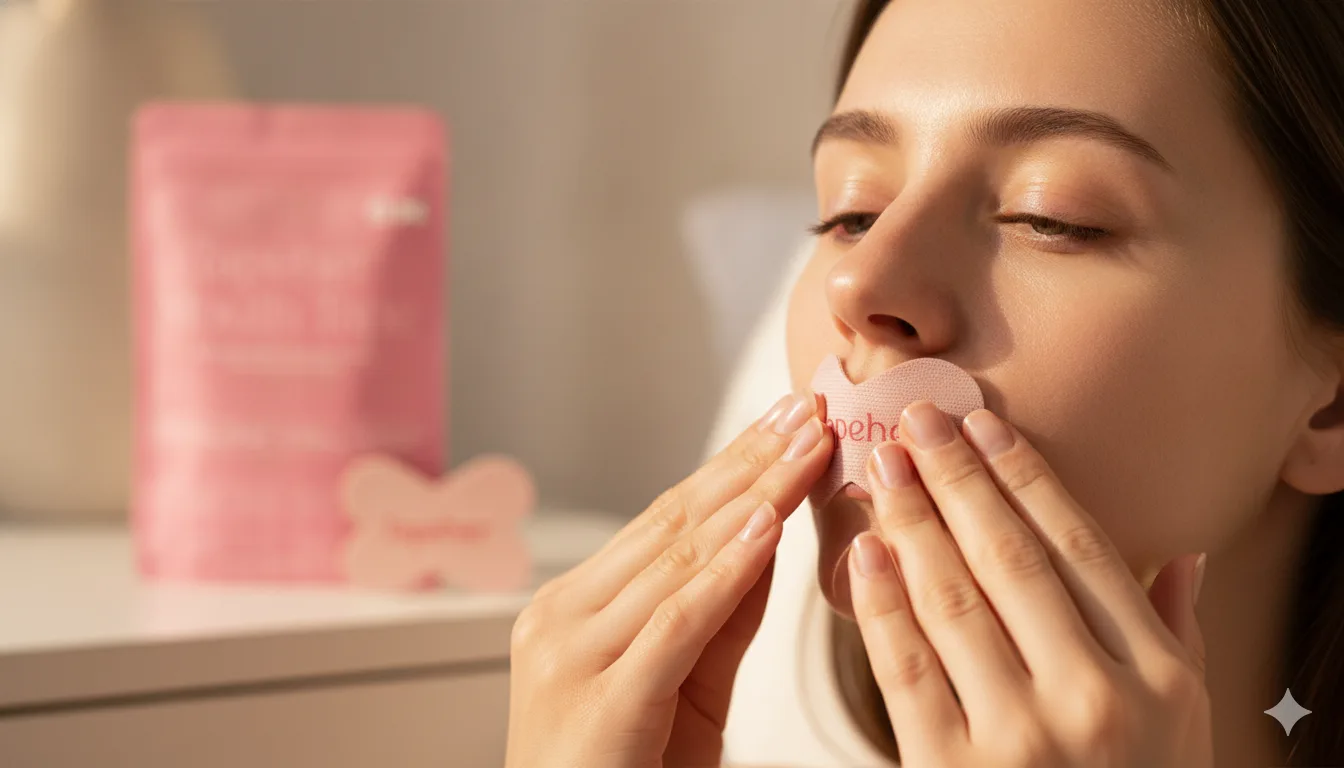 How to Put Mouth Tape On: Safe Step-by-Step Guide (2026)
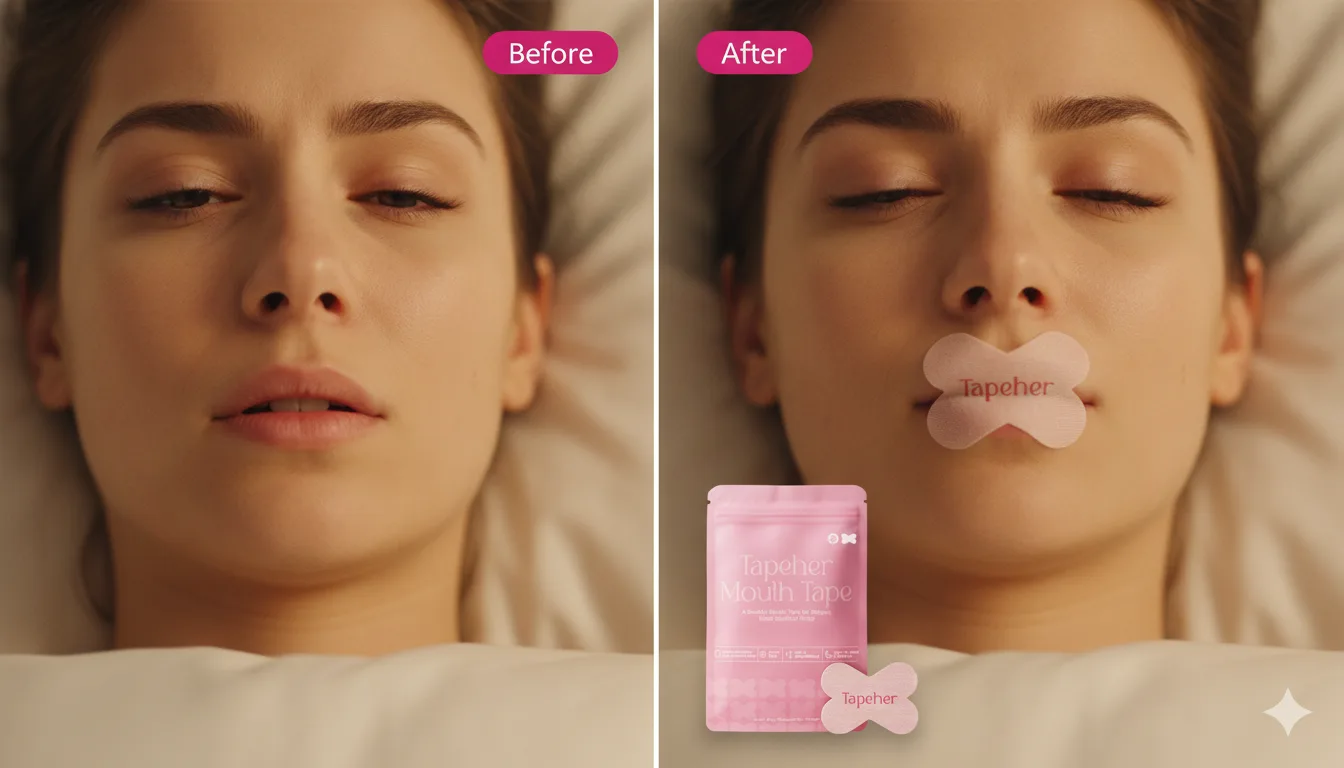 Mouth Tape Before and After: 5 Real Changes to Expect (2026 Guide)
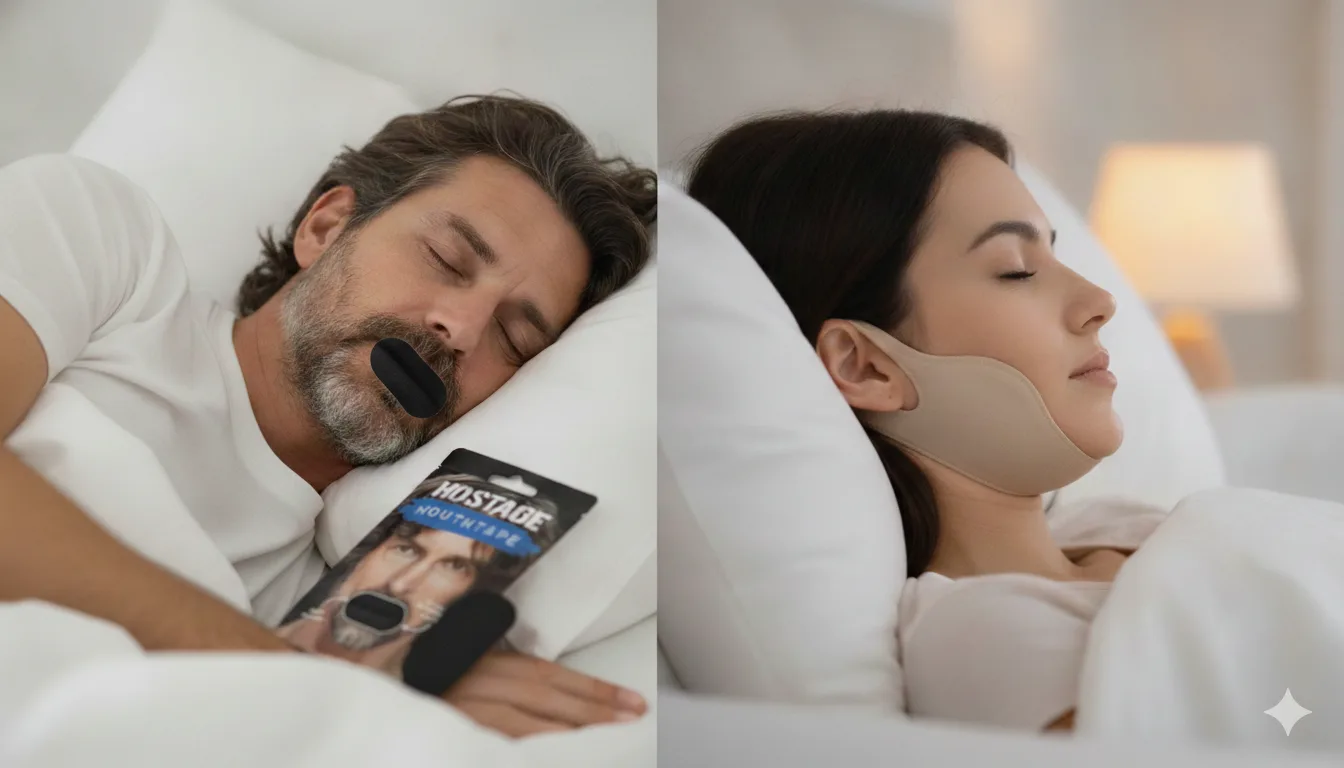 Chin Strap vs Mouth Tape: 2 Smart Options Compared (2026)
 Mouth Tape Guide: 5 Key Features to Compare Before Buying (2026)
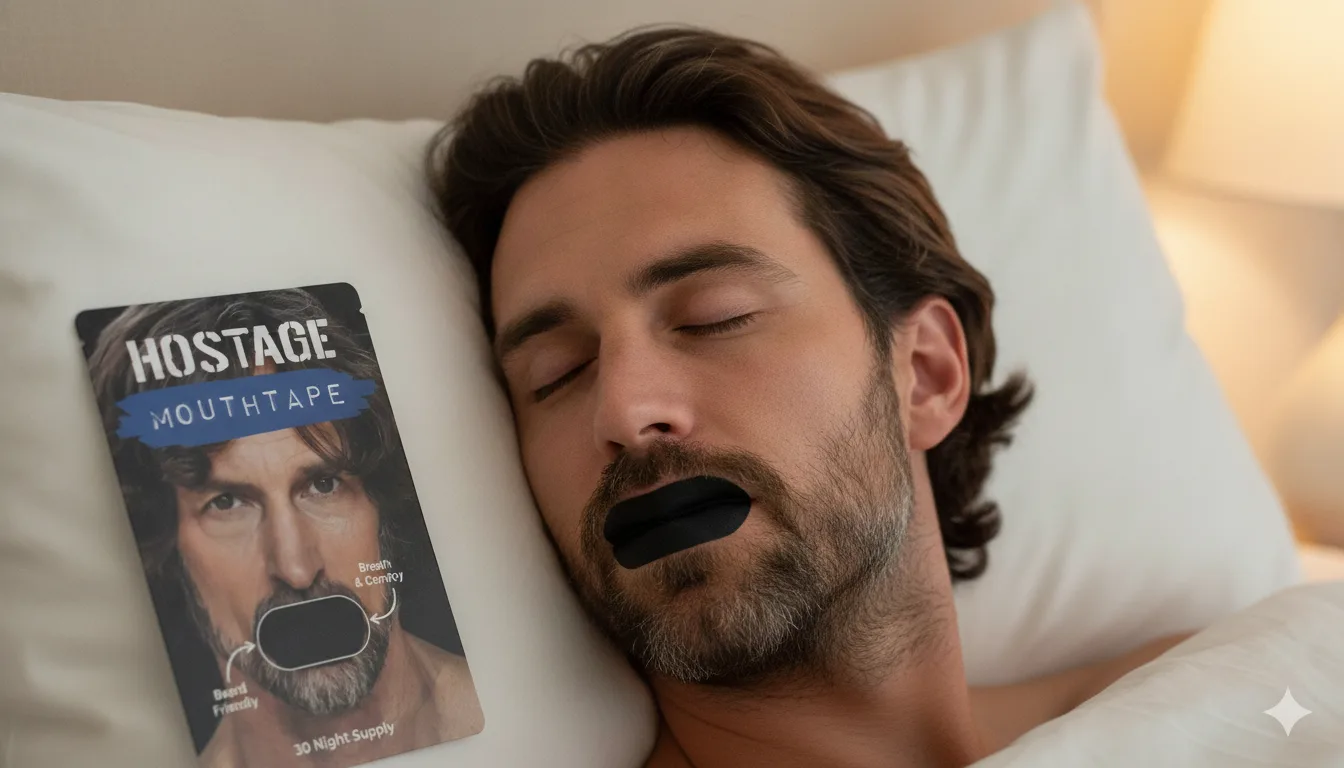 Mouth Tape for Sleep: 7 Benefits, Safety Rules & How to Start
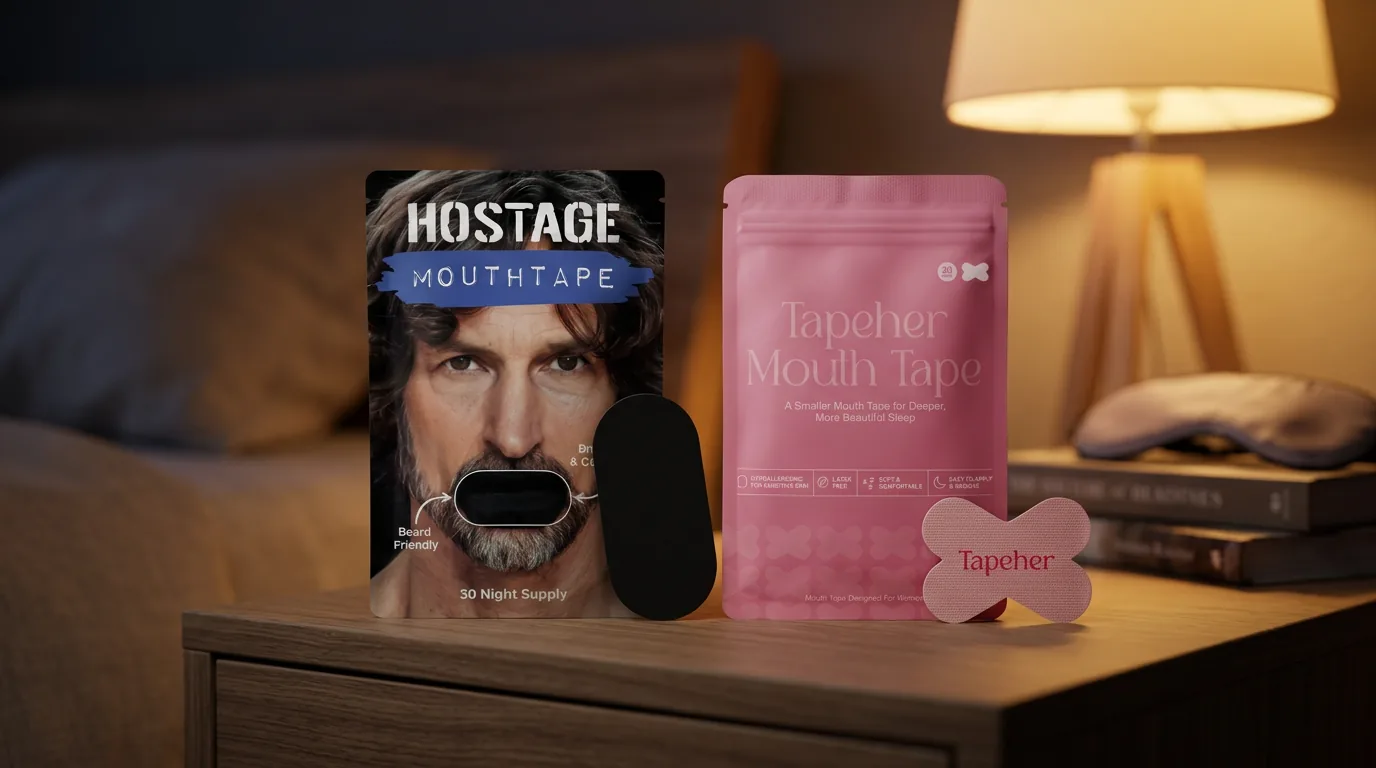 Mouth Tape for Snoring: Does It Work and Which One to Use