Nasal Breathing Benefits: 7 Science-Backed Reasons to Breathe Better
Nasal breathing benefits go far beyond comfort — research shows it boosts oxygen uptake, filters allergens, deepens sleep, and protects oral health. Here's what the science says.

What Is Nasal Breathing?
Nasal breathing benefits are far more significant than most people realise — and the research backs it up. At Purisia, we dig into the science so you can make informed decisions about your sleep, health, and daily breathing habits. Whether you wake up with a dry mouth, snore occasionally, or simply feel unrested, switching to nasal breathing may be one of the most impactful changes you can make.
In This Guide
Nasal breathing delivers better oxygen, filters air, deepens sleep, and protects your oral health — benefits mouth breathing simply cannot match.
Nasal breathing is not just a preference — it is the physiologically correct way to breathe at rest and during sleep. Most adults occasionally mouth-breathe without realising it, especially at night. Understanding the benefits is the first step toward meaningful change.
Explore Tapeher Mouth TapeKey Highlights
- Nasal breathing produces 5–20x more nitric oxide than mouth breathing, boosting oxygen uptake by up to 20%
- Your nose filters, warms, and humidifies air before it reaches your lungs — mouth breathing bypasses all three
- Nasal airway resistance triggers parasympathetic nervous system activation, supporting deeper sleep stages
- Chronic mouth breathing is linked to dry mouth, higher cavity risk, and altered jaw development
- Most healthy adults can shift to nasal breathing with habit training and, if needed, gentle tools like mouth tape
What Is Nasal Breathing?
Nasal breathing simply means inhaling and exhaling through the nose rather than the mouth. While it sounds straightforward, the nose is an extraordinarily sophisticated organ — it does far more than simply allow air to pass. The nasal passages are lined with tiny hair-like structures called cilia and covered in mucus membranes that form the body's first line of respiratory defence.
The nose also contains turbinates — bony, shelf-like structures that create turbulence in incoming air, slowing it down and giving the mucosa time to warm, humidify, and filter it. This conditioning process is so effective that by the time air reaches the throat, it is close to body temperature and humidity — regardless of the outdoor environment.
Mouth breathing, by contrast, delivers air cold, dry, and unfiltered directly to the back of the throat. That distinction is at the root of nearly every nasal breathing benefit listed below.
7 Key Nasal Breathing Benefits (Backed by Research)
1. Up to 20% More Oxygen Uptake — Thanks to Nitric Oxide
The most striking nasal breathing benefit is the production of nitric oxide (NO) in the paranasal sinuses. Research published in the American Journal of Respiratory and Critical Care Medicine found that nasal nitric oxide levels are 5 to 20 times higher during nasal breathing compared to mouth breathing. Nitric oxide is a potent vasodilator — it relaxes and widens blood vessels, enhancing oxygen uptake by up to 10–20%.
When you breathe through your nose, nitric oxide travels with the airstream down to the lower airways and lungs, where it reduces pulmonary vascular resistance and improves arterial oxygen tension. Mouth breathing bypasses the sinuses entirely, delivering NO-depleted air to the lungs. Over time, this difference in oxygen efficiency can affect energy levels, cognitive performance, and cardiovascular health.
2. Built-In Air Filtration Against Allergens and Pathogens
Your nasal passages act as a biological air filter. The cilia and mucus membranes trap dust, pollen, mould spores, bacteria, and other airborne particles before they can reach the lungs. According to Mayo Clinic research, mouth breathing bypasses this first-line immune defence, allowing unfiltered air to irritate the lower airway and trigger inflammation that disrupts sleep and increases arousal events during the night.
This filtration function is especially valuable for people with allergies or those living in areas with high air pollution. Consistent nasal breathing reduces the direct exposure of lung tissue to environmental irritants — a benefit that compounds over years of regular practice.
3. Air Warming and Humidification for Comfort and Lung Health
The nasal mucosa warms inspired air to approximately body temperature and adds moisture before it reaches the lungs. This process is essential for sleep-onset thermoregulation — the body cools slightly as you fall asleep, and receiving pre-warmed air supports this process smoothly. Mouth breathing, by contrast, delivers cold, dry air directly to the pharynx. This temperature shock can trigger arousal responses and fragment sleep architecture, according to Sleep Foundation research.
Warmed, humidified air also protects the delicate tissue of the lower airways from irritation. Cold, dry air increases airway reactivity — a particular concern for people with asthma or bronchial sensitivity.
4. Deeper Sleep Through Parasympathetic Activation
One of the most underappreciated nasal breathing benefits is its direct link to deep sleep stages. The nasal airway's natural turbinate resistance creates mechanoreceptor feedback that triggers parasympathetic (rest-and-digest) nervous system activation. This vagal signalling is essential for initiating and maintaining N2 and N3 sleep stages, according to Sleep Foundation research.
Mouth breathing bypasses this mechanoreceptor feedback loop entirely, reducing vagal tone and making it harder to reach and sustain deep sleep. People who habitually mouth-breathe during sleep often report waking unrested even after a full night in bed — a subjective reflection of fragmented sleep architecture. Nasal breathing preserves the continuous sleep cycles that allow the brain and body to recover overnight.
5. Reduced Airway Collapse — Less Snoring and Apnea Risk
Mouth breathing increases the risk of pharyngeal airway collapse — the key mechanism behind snoring and obstructive sleep apnea. When you breathe through your mouth during sleep, the jaw drops and the tongue can fall backward, narrowing the airway. Nasal breathing maintains higher pharyngeal muscle tone and supports the nasal valve's role in stabilising airflow, according to Cleveland Clinic research.
A ScienceDirect study on soft palate dynamics showed that mouth breathing causes airflow to pass over both surfaces of the soft palate, making it vibrate and producing the sound of snoring. The narrower the airway, the louder the snore. By keeping airflow directed through the nasal passage, nasal breathing reduces this tissue vibration significantly.
6. Better Oral Health — Saliva, pH, and Cavity Protection
The American Dental Association documents that mouth breathing during sleep causes xerostomia (dry mouth) and reduced salivary flow. Saliva is essential for buffering oral acids, remineralising tooth enamel, and controlling bacterial growth. Chronic mouth breathing shifts oral pH toward acidity, increasing the risk of cavities and fungal infections.
When mouth breathing reduces saliva production overnight, bacteria proliferate in the dry oral environment. This bacterial growth accelerates plaque buildup and raises the risk of decay and gum disease. Nasal breathing preserves the mouth's natural moisture and pH balance throughout the night — a meaningful long-term benefit for dental health.
7. Optimal CO₂ Balance for Stable, Calm Breathing
Nasal airway resistance creates gentle back-pressure that helps retain CO₂ in the lungs — a critical regulator of respiratory stability during sleep. Low CO₂ from mouth breathing or overbreathing triggers periodic breathing, frequent arousals, and even anxiety responses. PubMed research confirms that maintaining optimal CO₂ levels supports smooth, continuous breathing cycles without instability.
This CO₂ regulation also affects the endocrine system. Nasal breathing activates the parasympathetic system during sleep, allowing cortisol to decline as expected during rest cycles. Mouth breathing dampens this parasympathetic signal, blunting the normal nocturnal cortisol dip and impairing sleep-stage recovery. Research comparing nasal and mouth breathers documents better hormonal sleep recovery in consistent nasal breathers.
Mouth Breathing vs. Nasal Breathing: A Clear Comparison
| Function | Nasal Breathing | Mouth Breathing |
|---|---|---|
| Nitric oxide | 5–20x higher production | Negligible production |
| Air filtration | Cilia + mucus trap allergens and pathogens | Bypasses all filtration |
| Air temperature | Warmed to body temperature | Cold, dry air to throat |
| Sleep depth | Supports N2/N3 via vagal tone | Reduces deep sleep stages |
| Snoring risk | Lower — airway stays stable | Higher — soft palate vibrates |
| Oral health | Saliva preserved; pH balanced | Dry mouth; pH drops; cavities |
| CO₂ balance | Back-pressure retains CO₂ | Over-breathing; lower CO₂ |
Who Benefits Most from Nasal Breathing?
Nasal breathing benefits virtually everyone, but the impact is most pronounced for specific groups:
- Light snorers — nasal breathing reduces the soft palate vibration that causes snoring, particularly in people without diagnosed sleep apnea.
- People who wake up with a dry mouth — a reliable sign of overnight mouth breathing that nasal breathing directly addresses.
- Allergy sufferers — the nasal filter captures allergens before they irritate the lower airway, reducing overnight symptoms.
- Those who feel unrested after a full night's sleep — fragmented deep sleep from mouth breathing is a common but overlooked cause.
- People working on stress or anxiety — nasal breathing's parasympathetic activation supports a calmer nervous system baseline.
- Athletes — higher nitric oxide production improves oxygen efficiency during both exercise and recovery.
Nasal breathing is not appropriate — or may be limited — for people with significant nasal obstruction from a deviated septum, enlarged turbinates, chronic sinusitis, or active allergies. These conditions require medical evaluation before attempting nasal breathing retraining or mouth taping.
Risks, Myths & Common Mistakes
Myth: "Breathing through the mouth is just as good"
The evidence is clear: mouth breathing and nasal breathing are not equivalent. Every key respiratory function — filtration, humidification, warming, nitric oxide production, and CO₂ regulation — depends on the nasal passage. Mouth breathing is an emergency backup mechanism the body uses when nasal airflow is blocked, not a preferred default route.
Myth: "Nasal breathing is only relevant during exercise"
Sleep is actually where nasal breathing matters most. Hours of overnight mouth breathing create cumulative deficits in sleep quality, oral health, and airway stability. Many people focus on daytime breathing habits while remaining unaware that their sleep breathing pattern is the greater issue.
Risk: Attempting nasal breathing without checking nasal patency
The primary safety concern is attempting to force nasal breathing — especially via mouth tape — when nasal obstruction is present. This includes allergic rhinitis, a deviated septum, enlarged tonsils, or sinusitis. A simple self-test: close your mouth and breathe through your nose for 30 seconds. If this feels impossible or highly strained, seek a medical evaluation before any nasal breathing retraining.
Risk: Ignoring diagnosed sleep apnea
Nasal breathing tools such as mouth tape are appropriate for simple snoring or mild cases, but they are not a treatment for moderate or severe obstructive sleep apnea. If you have a sleep apnea diagnosis, work with a sleep specialist before making changes to your breathing approach.
Common mistake: Expecting instant results
Breathing habits developed over years do not change overnight. Research and clinical experience suggest that consistent nasal breathing practice over 1–3 weeks is typically needed before the body adapts and the benefits become noticeable. Patience and consistency matter more than intensity.
How to Start Nasal Breathing
Shifting to nasal breathing is a gradual process. Here is a practical starting framework:
- Check your nasal patency first. Before anything else, confirm you can breathe comfortably through your nose while at rest. If not, see an ENT or sleep specialist to rule out obstruction.
- Practice nasal breathing during low-demand activities. Start with reading, walking, or watching TV. Nasal breathing during exercise comes later, once the habit is more established.
- Address nasal congestion. Saline nasal rinses are a low-cost, evidence-supported first step for mild congestion. Nasal strips can also improve airflow during sleep — clinical data shows a 35–50% improvement in nasal airflow in users with nasal obstruction.
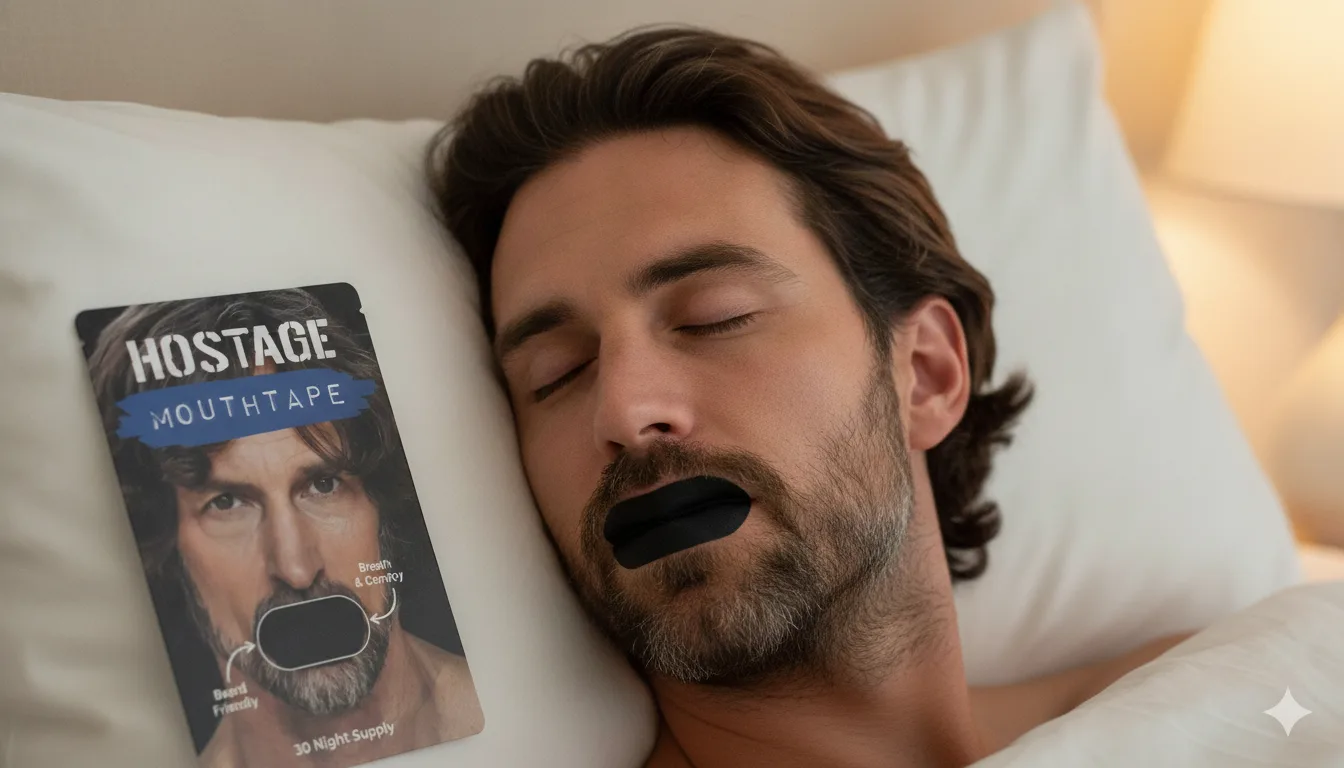
- Try mouth taping as a sleep training aid. If you can comfortably breathe through your nose but still mouth-breathe during sleep (evidenced by dry mouth or snoring), mouth tape used as a gentle reminder can help train the habit. For a guide to choosing a safe option, see our article on non-toxic mouth tape. If you snore and want to know whether mouth tape can help, our mouth tape for snoring guide covers the evidence.
- Be consistent. Track your progress with morning dry-mouth as a simple proxy measure. Most people notice improvement within one to two weeks of consistent nasal breathing during sleep.
If you want to explore specific mouth tape options, Purisia's best mouth tape for sleeping guide compares the leading products with safety fit criteria and honest trade-offs.
Tapeher Mouth Tape
A compact, hypoallergenic option made from 95% cotton with an X-shape design — designed for women with sensitive skin. PFAS-free, verified by SGS lab testing (January 2026).
Check Current PriceWhere to Go Next
Nasal breathing benefits are substantial and well-supported by research — from nitric oxide-driven oxygen efficiency to deeper sleep, better oral health, and a calmer nervous system. The good news is that most healthy adults can make meaningful progress with awareness and consistent habit training. If you snore, wake up dry-mouthed, or feel unrested, nasal breathing is one of the first places to look.
Ready to take the next step? Explore our MOFU guides: Mouth Tape Side Effects covers what to know before you try, and Best Mouth Tape for Sleeping will help you choose the right product for your needs.
References
- American Journal of Respiratory and Critical Care Medicine (2003). Nasal nitric oxide levels during nasal vs. mouth breathing. atsjournals.org
- Sleep Foundation. Nasal breathing, sleep quality, and parasympathetic activation. sleepfoundation.org
- Mayo Clinic. Nasal filtration and airway inflammation during mouth breathing. mayoclinic.org
- Cleveland Clinic. Snoring mechanisms and pharyngeal airway collapse. clevelandclinic.org
- American Dental Association. Mouth breathing, dry mouth, and oral health. ada.org
- PubMed Central — PMC9498537 (2022). Taiwan clinical study: mouth taping reduced AHI and snoring index by 47% in mild OSA. pmc.ncbi.nlm.nih.gov
- ScienceDirect (2023). Impact of breathing pattern on soft palate vibration and snoring. sciencedirect.com
- Breathe Right. Clinical data on nasal strip airflow improvement. breatheright.com
This article is for informational purposes only and does not constitute medical advice. Nasal breathing techniques and mouth taping are not treatments for obstructive sleep apnea or other diagnosed sleep disorders. If you have breathing difficulties, snoring, or suspect a sleep disorder, consult a qualified healthcare professional before making changes to your sleep or breathing routine.
Recommended for you
 How to Put Mouth Tape On: Safe Step-by-Step Guide (2026)
 Mouth Tape Before and After: 5 Real Changes to Expect (2026 Guide)
 Chin Strap vs Mouth Tape: 2 Smart Options Compared (2026)
 Mouth Tape Guide: 5 Key Features to Compare Before Buying (2026)
 Mouth Tape for Sleep: 7 Benefits, Safety Rules & How to Start
 Mouth Tape for Snoring: Does It Work and Which One to Use