Mouth Tape in Korea: Why Sleep Tape Is Becoming a Wellness Trend
Mouth tape Korea is the sleep wellness trend that K-beauty communities and routine-focused sleepers have picked up. Here is what is behind it, how it works, and whether it is right for you.
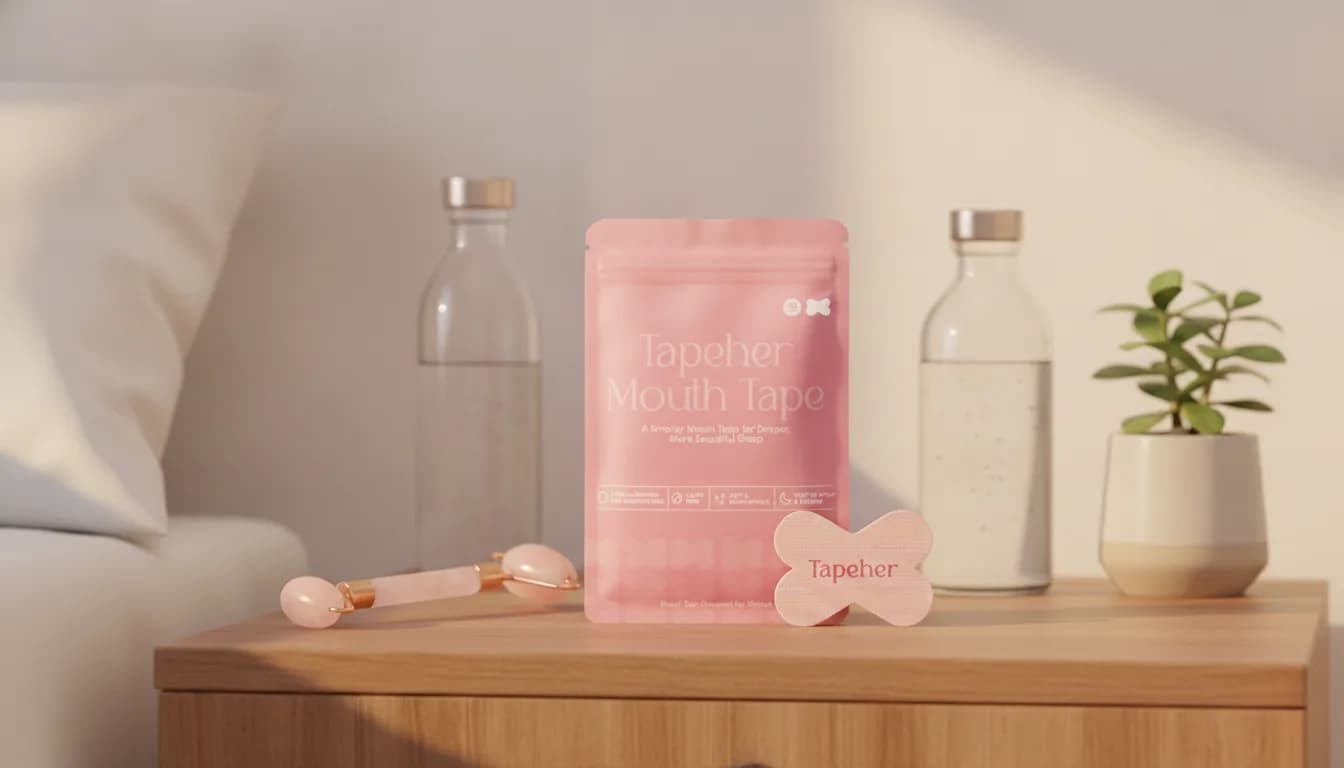
What Is the Mouth Tape Korea Trend?
Mouth tape Korea is a sleep wellness trend catching on across K-beauty communities and routine-focused sleepers who want better rest, cleaner breathing, and a calmer morning face. At Purisia, we unpack what is driving the trend, what the science says, and what to look for if you want to try sleep tape yourself.
Mouth tape Korea is a wellness trend rooted in real nasal breathing science — suitable for healthy adults with no nasal obstruction
Sleep tape works best for people who breathe through the mouth out of habit — not because of a blocked airway. The K-beauty framing appeals because the benefits (calmer sleep, reduced dry mouth, better morning skin) align with wellness aesthetics. If you have any diagnosed breathing condition, talk to a doctor first.
View TapeHer product detailsKey Highlights
- The mouth tape Korea trend links to K-beauty's broader focus on sleep routines, skin health, and low-intervention wellness.
- Nasal breathing during sleep produces significantly more nitric oxide than mouth breathing, supporting oxygen uptake and vascular function.
- A 2022 Taiwan clinical study found a 47% reduction in apnea-hypopnea index in mild OSA patients with mouth taping over one week.
- Medical experts and a scoping review of 10 studies caution that evidence remains limited outside mild snoring cases.
- For beauty-focused users, smaller X-shaped designs with hypoallergenic, PFAS-free adhesives are better matched to sensitive lip skin than full-coverage strips.
What Is the Mouth Tape Korea Trend?
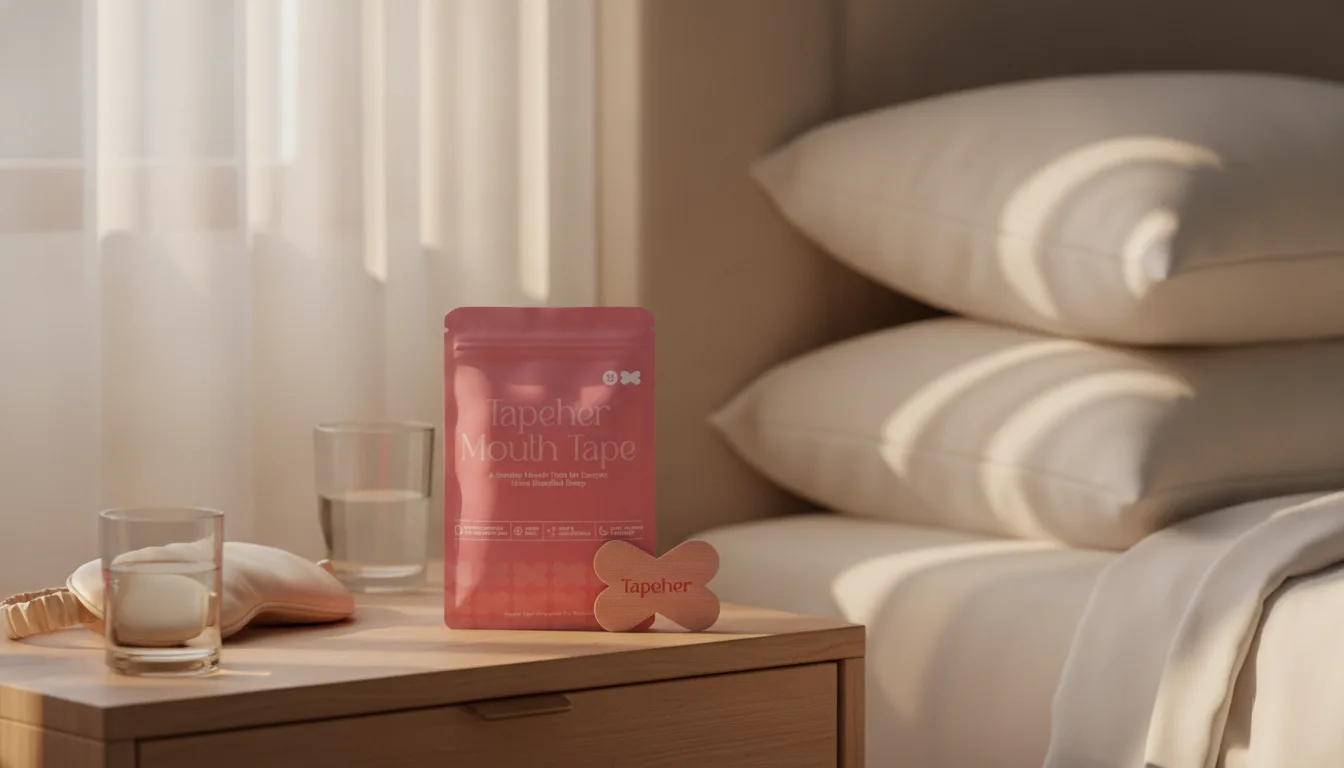
The phrase "mouth tape Korea" describes the wave of interest in sleep mouth taping that has spread through Korean wellness spaces, K-beauty communities, and beauty-sleep-focused social media. It is not a specific Korean brand or a medically distinct approach — it is a cultural framing that ties sleep tape to the same routine-first philosophy behind 10-step skincare, glass skin, and recovery-focused mornings.
Why did it land there specifically? Korean wellness culture places high value on the quality of sleep as a beauty and health input. Terms like beautiful sleep and sleep skincare have circulated in Korean beauty media for years. Mouth tape fits neatly into that frame: it is a low-tech, single-use product that, when used correctly, asks the body to breathe more efficiently at night. The visible benefit — potentially waking with less puffiness, a less dry mouth, and a calmer face — aligns with what K-beauty routines aim to deliver.
The trend has since spread well beyond Korea. In the US, UK, and Australia, searches for korean mouth tape, korean sleep tape, and k beauty mouth tape have grown alongside general interest in nasal breathing and sleep optimization. What started as a niche wellness behaviour has become a recognizable product category.
Why Nasal Breathing Is the Core of the Trend
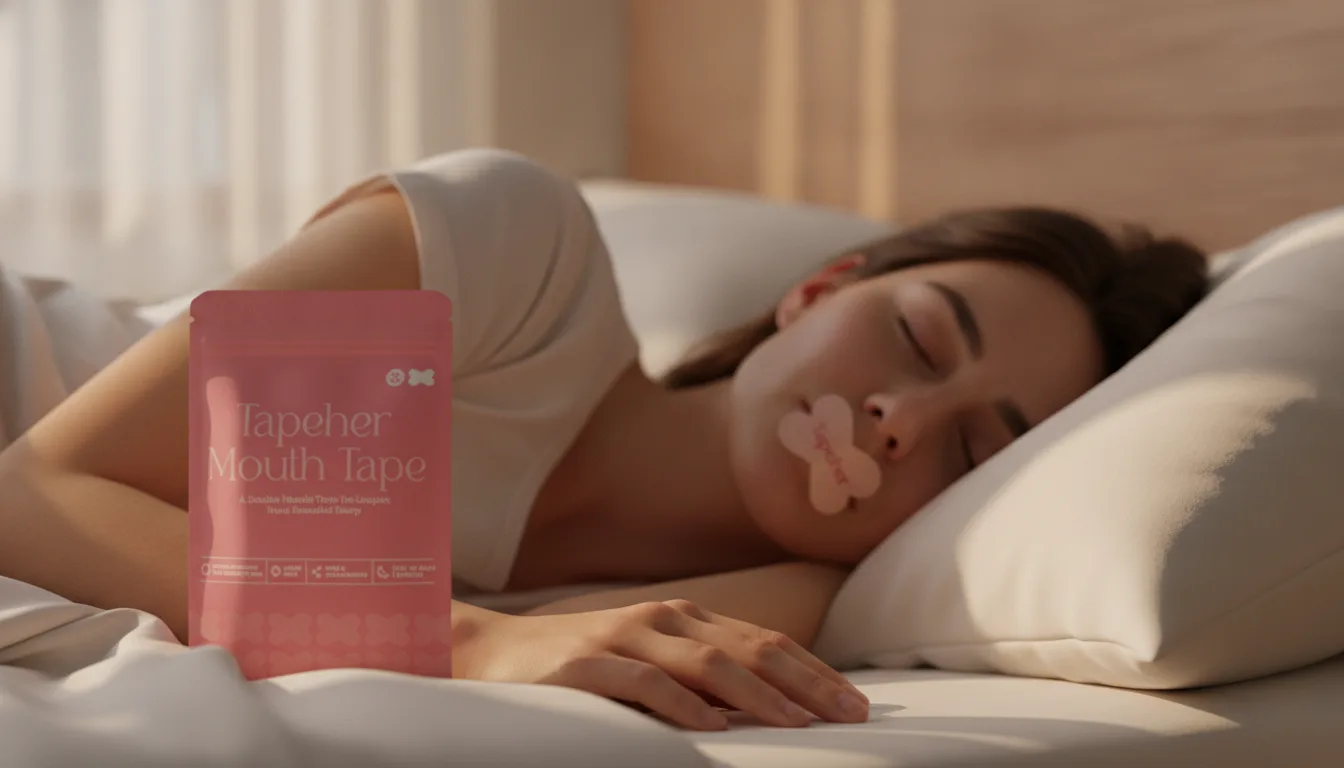
Sleep mouth tape has one mechanical purpose: gently encouraging the lips to stay closed so the nose does the breathing. That might sound cosmetic, but the physiological difference between nasal and mouth breathing during sleep is meaningful.
Nitric oxide production
Nasal breathing produces significantly more nitric oxide than mouth breathing — research indicates the difference is between 5 and 20 times higher, and that nitric oxide enhances oxygen uptake by around 10 to 20 percent. Nitric oxide dilates blood vessels and helps regulate blood pressure and respiratory function. When you breathe through the mouth, you largely bypass this mechanism.
Filtering, humidifying, and warming
The nasal passages filter incoming air, remove pathogens and allergens, warm cold air before it reaches the lungs, and humidify dry air. Mouth breathing bypasses all of these functions. Over time, chronic mouth breathing is associated with dry mouth, increased bacteria in the oral environment, and a higher risk of dental decay — because dry oral conditions during mouth breathing allow bacteria to proliferate, raising cavity and decay risk.
Airway mechanics and snoring
Mouth breathing during sleep allows the soft palate to vibrate more freely, which is one of the mechanical causes of snoring. A ScienceDirect-published study identified mouth breathing as a contributing factor to snoring through this soft palate vibration mechanism. Nasal breathing keeps the airway more stable — which is why sleep tape is used alongside snoring-reduction approaches.
None of these benefits are exclusive to the Korean mouth tape framing. They are the same reasons sleep tape is discussed in sleep medicine, dentistry, and athletic recovery circles globally. The K-beauty trend brought this conversation to a wider, beauty-focused audience.
What the Research Actually Says
Before treating any wellness trend as settled science, it is worth checking what clinical evidence exists. The picture on mouth taping is cautiously encouraging for mild cases — but limited overall.
The promising Taiwan trial
A clinical study conducted in Taiwan examined mouth taping in patients with mild obstructive sleep apnea. The trial — 20 participants, one week of use — found a 47% reduction in the apnea-hypopnea index and a 50% reduction in snoring frequency. These are notable findings for a mild-OSA population in a short-term trial.
The broader picture is less clear
A scoping review that examined ten studies involving 213 patients found a more cautious conclusion: mouth taping lacks sufficient evidence for general sleep apnea treatment and is effective only for mild cases. Researchers noted heterogeneous results and limited consensus outside of simple snoring without a diagnosed airway condition.
The Cleveland Clinic has also weighed in through Dr. Brian Chen, a pediatric sleep specialist, noting that there is not enough evidence to support mouth tape as part of current clinical practice for sleep disorders. The American Dental Association has separately advised caution on the social media mouth taping trend, recommending medical evaluation before beginning any mouth taping routine.
What this means for everyday users
The evidence supports a measured conclusion: mouth tape is a reasonable habit for healthy adults who breathe through the mouth out of habit, experience simple snoring, or want to build a nasal breathing routine. It is not a treatment for diagnosed sleep apnea, and it should not replace a medical evaluation if you have any underlying breathing concern.
For context on the full evidence picture, see our guide to mouth tape for sleep.
Who the Trend Is Really For
The mouth tape Korea trend attracts a specific kind of person: someone already invested in their sleep quality, interested in a wellness routine, and drawn to low-friction habits that compound over time. That profile maps well onto the K-beauty audience — and also onto a broader population of health-conscious adults.
Who it fits well
- Habitual mouth breathers with no nasal obstruction — people whose mouths fall open during sleep but whose nasal passages are clear.
- Light snorers without diagnosed sleep apnea — for whom the soft palate mechanism is the primary cause.
- People with morning dry mouth — when the cause is mouth breathing rather than medication or gum disease.
- Skincare-focused sleepers who want to reduce nighttime lip dryness and integrate sleep quality into their beauty routine.
- Nasal breathing habit-builders — those who have started practicing nasal breathing during the day and want to extend it overnight.
Who it does not fit
Mouth taping is not appropriate for everyone. The notes below are not exhaustive — always check with a doctor if you have any health concern related to breathing, sleep, or the cardiovascular system.
- People with nasal obstruction — deviated septum, enlarged turbinates, chronic congestion, or severe allergies.
- Anyone with diagnosed sleep apnea — taping does not treat the condition and may worsen breathing events in moderate-to-severe cases.
- People with anxiety or claustrophobia around the face and mouth.
- Children — sleep tape is an adult product; use in minors requires specialist guidance.
For a full safety overview, see mouth tape side effects.
Safety, Risks, and Who Should Avoid It
Most safety concerns with sleep tape fall into two categories: the wrong user choosing to tape despite contraindications, and the right user choosing a tape with poor materials.
Contraindications
Medical consensus identifies the following as contraindications for mouth taping: obstructive sleep apnea, nasal congestion, deviated septum, enlarged tonsils, sinus infections, chronic allergies, and heart conditions. Using mouth tape with any of these present carries risk ranging from discomfort to a meaningful worsening of breathing events during sleep.
Material-related risks
Because sleep tape sits on the face for six to eight hours every night, material quality matters more than it might seem. Acrylate-based adhesives carry the highest sensitization risk among adhesive types used in mouth tape. Silicone adhesives have the lowest sensitization risk. The FDA has no legal definition of "hypoallergenic" — the term is unregulated, so a claim on the packaging does not guarantee safety for sensitive skin.
PFAS — per- and polyfluoroalkyl substances — are a category of synthetic chemicals used in some adhesive formulations. They are persistent in the body and environment. TapeHer, for example, carries verified PFAS-free status backed by SGS laboratory testing (January 2026) — the kind of testing that distinguishes a skin-safe product from one that simply calls itself hypoallergenic.
Common side effects
The most commonly reported side effects of mouth taping are skin irritation around the lips (redness, rashes, or contact dermatitis), discomfort during removal, anxiety or claustrophobia feelings in the first nights, temporary sleep disruption, and nasal congestion worsening overnight. Most of these are manageable with product choice and gradual introduction.
For a guided start, see our mouth tape for beginners article.
How to Choose a Sleep Tape
The Korean wellness framing of sleep tape emphasizes skin care, minimal intervention, and routine compatibility — which translates into a specific set of product priorities different from what a performance-focused or beard-wearing user might need.
Design: X-shape versus full-coverage strip
Full-coverage rectangular strips create a sealed feeling over the entire lip area. For users new to mouth taping, or those with sensitive skin, this can cause anxiety and early removal. X-shaped designs — like TapeHer's X-shape design — sit at the center of the lips with open corners. TapeHer's X-shape is 50% smaller than most alternatives and was specifically designed for women and users with sensitive lip skin.
Materials
Cotton (95% or higher) and silk are the safest base materials for mouth tape. TapeHer uses a 95% cotton, 5% spandex construction — cotton for breathability and softness, spandex for flexibility through natural mouth movement during sleep.
Adhesive safety
Look for tapes that disclose their adhesive type or carry third-party safety testing. PFAS testing, ISO biocompatibility testing, or SGS certification are meaningful differentiators. Avoid tapes with acrylate adhesives if you have sensitive skin, and be cautious of products that use synthetic fragrances or azo dyes.
Size and comfort
Brands designed primarily for a male, athletic market often use larger strips. If you have smaller facial features or prefer a minimal feel, look for products explicitly sized for women or for sensitive-skin users. Size and shape variations have meaningful effects on comfort and overnight adhesion success.
| Design type | Best for | Main trade-off |
|---|---|---|
| X-shape (e.g. TapeHer) | Women, sensitive skin, lip-product users, first-time users | Lighter hold than full coverage for heavy-movement sleepers |
| Full-coverage strip | Stronger hold, men, those without skin sensitivity | More sealed feeling; harder to tolerate as a first-time user |
| Vented strip (e.g. SomniFix) | Anxious users, those who want a backup air vent | Higher cost; lower adhesion overall |
| Perimeter-only (e.g. MyoTape) | Daytime breathing habit training; mouth stays openable | Less seal for overnight hold; not intended as a full overnight strip |
For a full breakdown of the top options currently available, see best mouth tape for sleeping or our guide to non-toxic mouth tape if material safety is your priority.
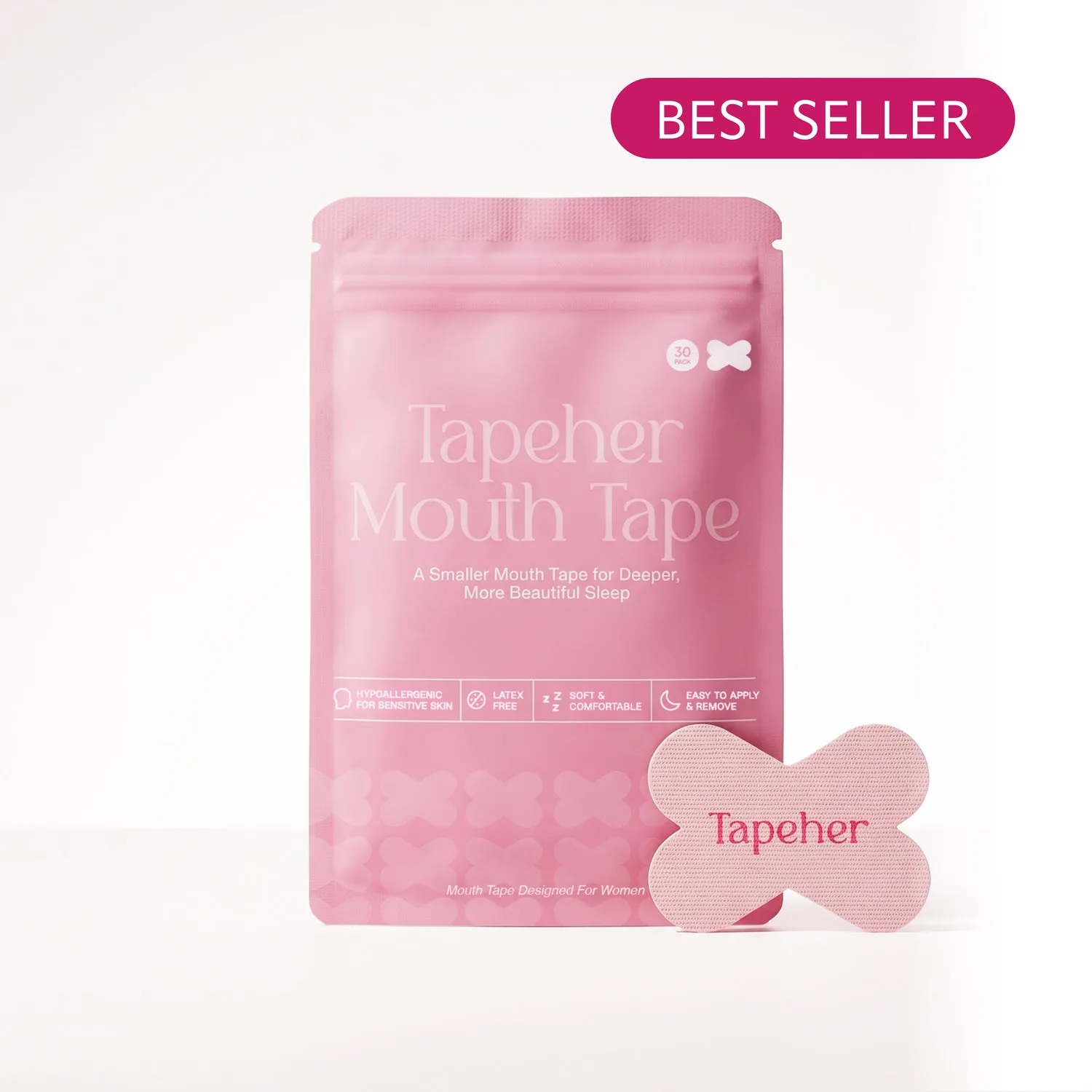
TapeHer Mouth Tape
X-shaped, 95% cotton, PFAS-free (SGS-tested) — designed for women and sensitive skin. Works with lip balm.
Where to Go Next
The mouth tape Korea trend is not just aesthetic — it is rooted in the real physiology of nasal breathing and the compound benefits of better sleep quality. The science supports using sleep tape as a low-risk habit for healthy adults who breathe through the mouth out of habit. It is not a treatment for sleep apnea or a shortcut to clinical results. Start with the evidence, choose a material-safe tape, and build the habit gradually. If you are ready to compare products, our best mouth tape for sleeping guide walks through the full category.
View TapeHer product detailsReferences
- Lee SY et al. (2022). Effects of mouth taping on sleep quality and apnea-hypopnea index in patients with mild obstructive sleep apnea. Taiwan clinical trial, 20 participants, 1-week. ScienceDirect.
- Camacho M et al. Scoping review of mouth tape studies: 10 studies, 213 patients. Published in peer-reviewed sleep medicine literature.
- Cleveland Clinic. Commentary by Dr. Brian Chen, pediatric sleep specialist. Cleveland Clinic Health.
- American Dental Association. Social media mouth taping advisory. ADA.org.
- SGS Laboratory. TapeHer PFAS-free certification (January 2026). SGS is a government-recognized testing authority.
Recommended for you
 How Does Mouth Tape Help Your Jawline? 5 Claims Examined (2026)
 Logan Paul Mouth Tape Trend: Best 5 Safety Facts to Know in 2026
 Sleep Shield Mouth Tape Review 2026: 3 Best Alternatives to Know
 PAP MD Mouth Tape Review 2026: 3 Best Alternatives to Compare
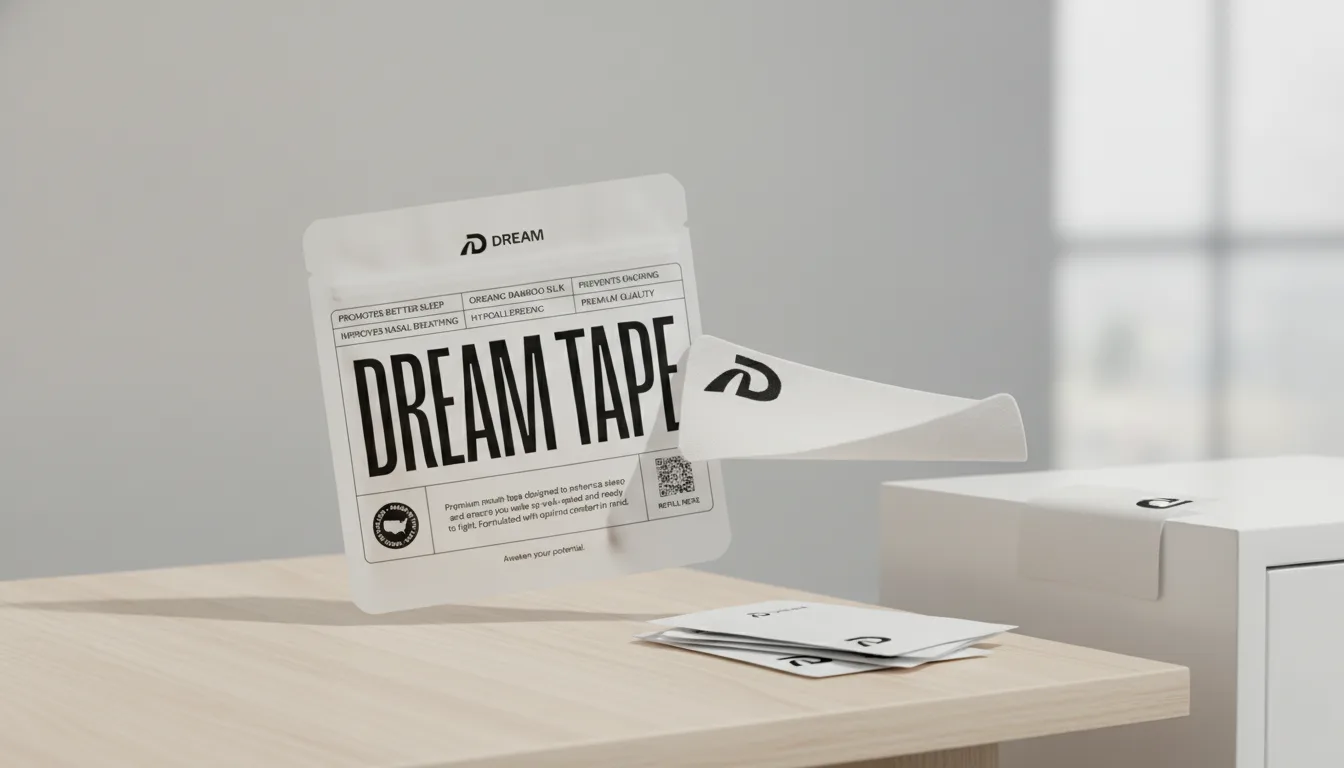 Dream Mouth Tape Review: 3 Features to Compare Before Buying (2026)
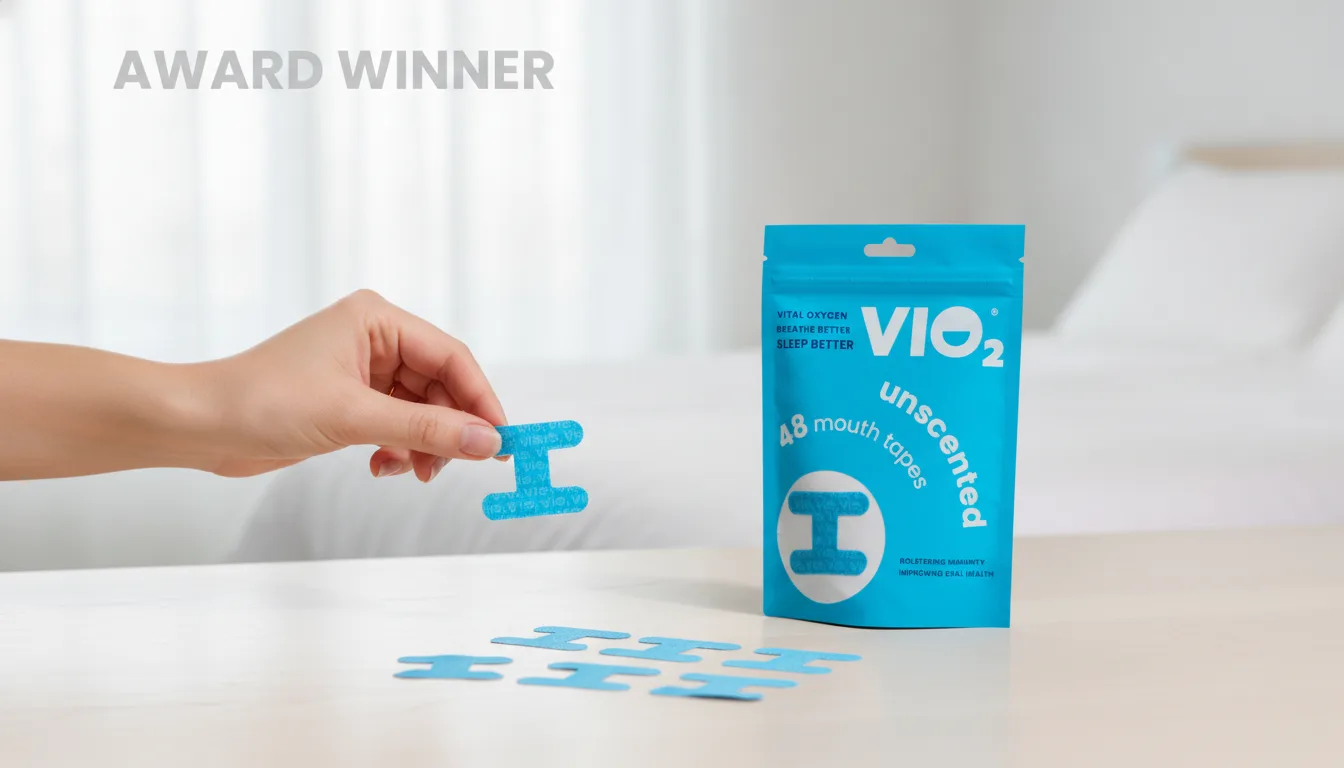 VIO2 Unscented Mouth Tape Reviews: 3 Best Alternatives (2026)