Is Mouth Tape Reusable: Hygiene, Adhesive, and Value Explained
Is mouth tape reusable? The short answer is no — single-use adhesive strips lose grip and trap bacteria after one night. Here's what the hygiene and adhesive science says, plus which options give you the best value per use.

Can you reuse mouth tape?
- Can you reuse mouth tape?
- What happens to the adhesive overnight
- Hygiene risks of reusing mouth tape
- Disposable vs reusable mouth tape: what the comparison actually looks like
- How to choose the right mouth tape for your situation
- Top disposable mouth tape options compared
- Getting the best value per use without compromising hygiene
- Common mistakes with mouth tape hygiene
- Safety considerations before you start
Is mouth tape reusable? It's one of the most practical questions new users ask — and the answer has real hygiene and adhesive consequences most brands skip over. At Purisia, we break down exactly what happens to a strip after one night, when reuse becomes a risk, and how to find the best value without cutting corners on safety.
Standard mouth tape strips are designed for single-use only — reusing them risks skin irritation and hygiene issues. For nightly users, a multi-pack of a well-formulated disposable tape gives the best balance of safety and value.
If you're wondering whether you can get a second night out of a used strip to save money, the short answer is: don't. After one use the adhesive picks up skin oils, saliva, and dead skin cells, reducing both grip and hygiene. The better strategy is choosing a product that delivers consistent hold and skin-friendly materials at a price that makes nightly use sustainable.
View TapeHer — Editor's PickKey Highlights
- Standard adhesive mouth tape is engineered for single use — adhesive strength and hygiene degrade significantly after the first night.
- Reused strips can harbor bacteria and skin debris, increasing the risk of contact dermatitis and lip irritation.
- Multi-pack disposable options (30–90 count) are the practical answer for cost-conscious nightly users.
- Material choice matters: cotton/spandex and silicone adhesives cause fewer skin reactions than acrylate-based alternatives.
- Always consult a physician before starting mouth taping if you have sleep apnea, nasal obstruction, or respiratory conditions.
Can you reuse mouth tape?
Is mouth tape reusable? As a general rule, no. Virtually all purpose-built mouth tapes on the market — from budget pharmacy options to premium branded strips — are formulated and labelled for single use. This is not just a manufacturer upsell; it reflects the real-world behavior of the adhesive, the skin, and the sleep environment.
After a full night on your lips, a strip has been exposed to body heat, skin oils, saliva, and micro-movement from talking, swallowing, and facial expression during REM sleep. The adhesive backing collects dead skin cells and moisture. Even if the strip still feels tacky the next morning, the bond is weaker, and the surface carries biological debris that was not there the night before.
Some users ask whether they can wash and re-apply a strip. The answer is the same: no. Water dissolves water-soluble components of the adhesive layer. Once rinsed, the remaining bond is too inconsistent for reliable overnight use, and cleaning does not sterilize biological contamination — it redistributes it.
The practical alternative is a value-sized multi-pack (30, 60, or 90 strips) of a well-formulated tape. Used correctly, the per-night cost becomes low enough that hygiene is never a trade-off against economy.
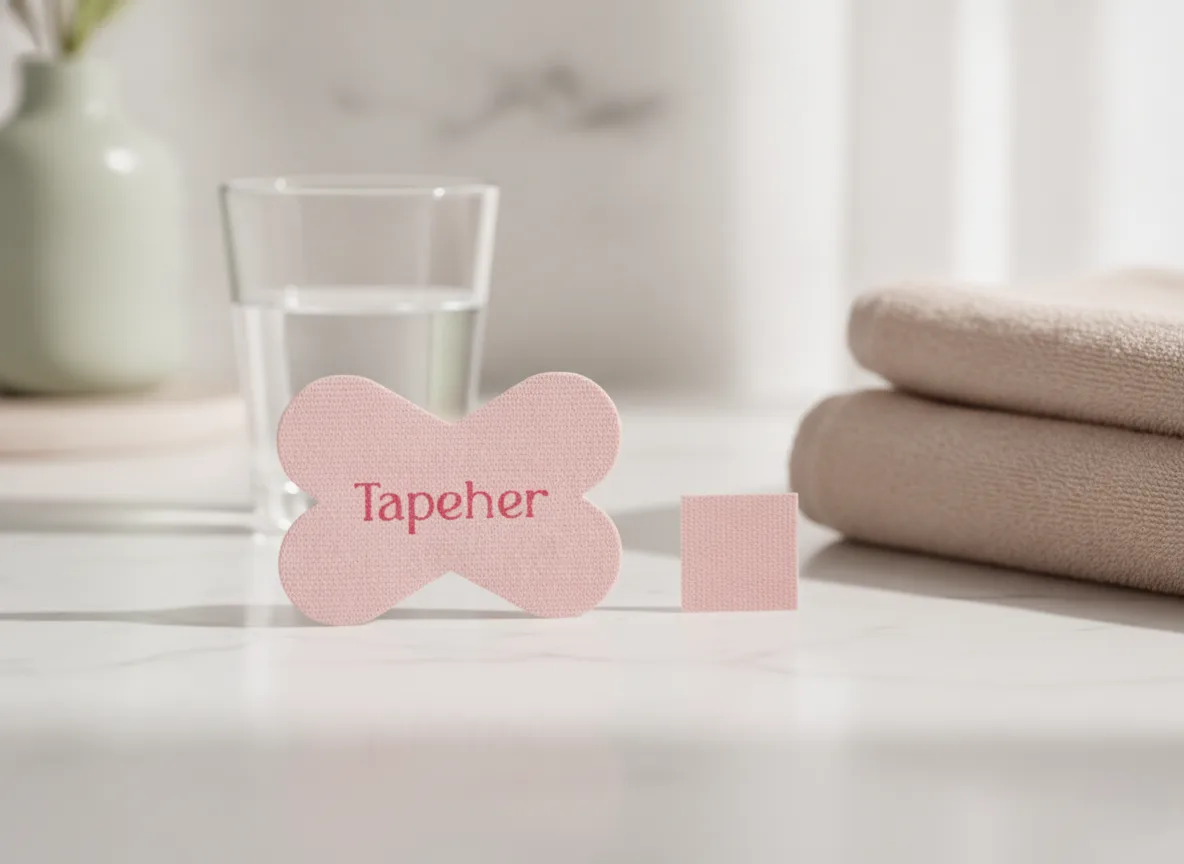
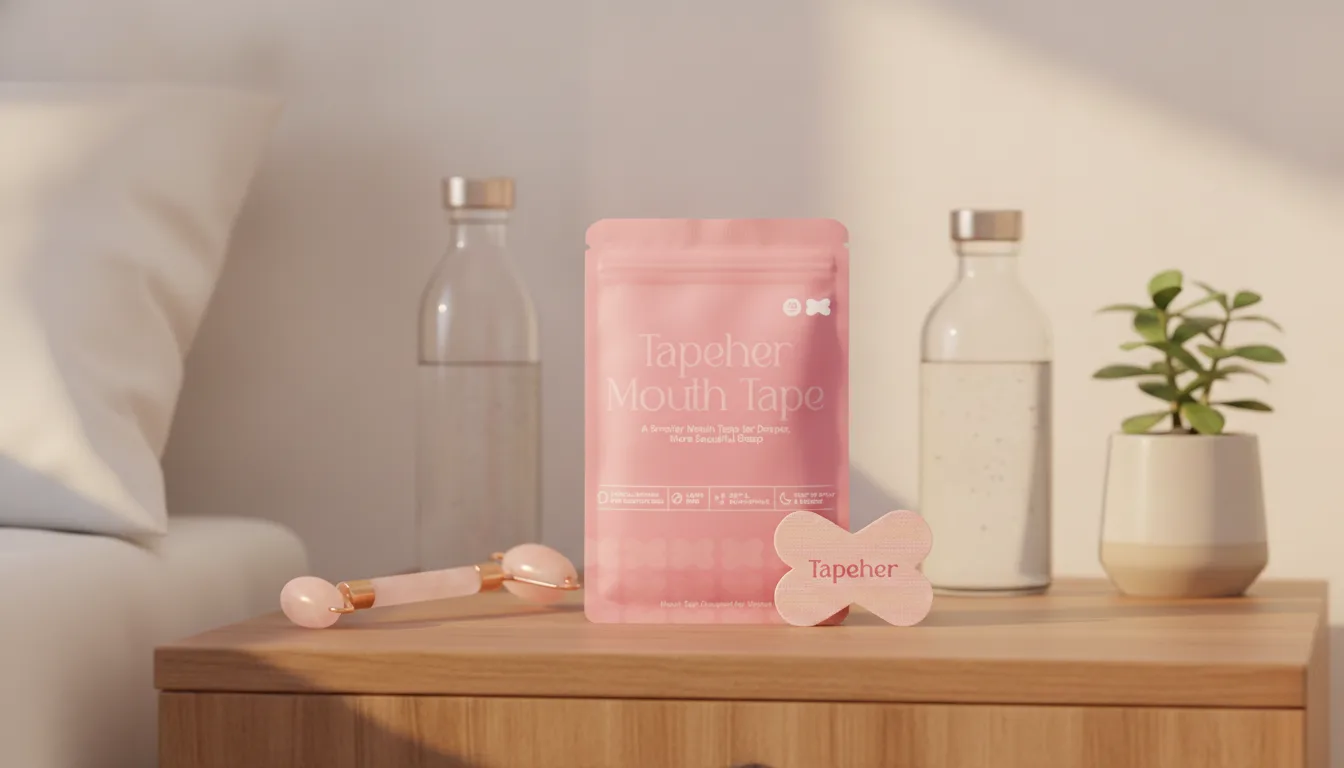
TapeHer Mouth Tape
PFAS-free (SGS Lab certified, January 2026), 95% cotton base, hypoallergenic silicone adhesive. Designed for sensitive skin with a compact X-shape that reduces the surface area touching lips.
View product detailsWhat happens to the adhesive overnight
Understanding why mouth tape is single-use starts with understanding what the adhesive actually does during sleep. Most mouth tapes use one of three adhesive types: acrylate-based (most common), silicone-based (gentler), or hydrogel-based. Each behaves differently on skin — but all degrade meaningfully after one application.
Acrylate adhesives are the most widely used because they bond quickly and hold firmly. However, research published in PubMed identifies acrylates as carrying the highest sensitization risk among adhesive types — meaning repeated exposure to the same acrylate strip can increase the chance of a skin reaction developing over time, even if the first few nights were problem-free . Reusing an acrylate strip also means re-exposing inflamed or broken skin to a material that may already be causing subclinical irritation.
Silicone adhesives have the lowest sensitization risk among the main adhesive categories . They are also more resistant to moisture, which is why silicone-based strips sometimes feel usable after one night. But even silicone bonds lose tackiness after exposure to skin lipids and saliva, and the surface hygiene concern remains regardless of adhesive chemistry.
The base material matters too. Cotton and silk are recognized as the safest base materials for skin-contact adhesive applications . A cotton-based strip that has been worn overnight has absorbed sweat, sebum, and microbes from the skin surface. No amount of physical re-application returns it to its original hygienic state.
Hygiene risks of reusing mouth tape
The skin around the lips is thin, sensitive, and in close proximity to the mouth — an environment naturally rich in bacteria and yeast. When you peel a used strip away in the morning, the adhesive surface carries a biofilm of everything your skin and lips shed overnight.
Reapplying that strip means pressing this contaminated surface back onto fresh skin. The most common outcomes reported include redness, rashes, and contact dermatitis . For people with sensitive skin or a history of adhesive reactions, daily users in particular should prioritize silicone adhesives precisely because this risk compounds with frequency of use .
Beyond contact dermatitis, skin hygiene experts flag several ingredients that can worsen when adhesive surfaces are recycled:
- Azo dyes, nickel compounds, colophony, and synthetic fragrances are the most common adhesive allergens — if present in a strip's formulation, reuse amplifies allergen contact time .
- Formaldehyde-releasing preservatives are found in a significant proportion of personal care adhesive products . Prolonged skin contact through repeated use increases cumulative exposure.
- PFAS (per- and polyfluoroalkyl substances) — sometimes present in adhesive coatings — are a concern for daily skin contact because of their persistence . Choosing a verified PFAS-free product (like TapeHer, tested by SGS Labs in January 2026 ) removes this variable entirely.
The hygiene guidance from the American Dental Association reinforces the caution: chronic mouth breathing already reduces salivary flow and oral pH stability .
Want more detail on which adhesive types to avoid and why? Our guide to non-toxic mouth tape covers the full ingredient red-flag list.
Disposable vs reusable mouth tape: what the comparison actually looks like
The phrase "reusable mouth tape" appears in searches because some consumers hope a more durable product exists — a washable, fabric-based strip similar to reusable face masks. In practice, the market for true reusable mouth tape is very limited and mostly unproven. What you will find are products marketed as "reusable" that typically mean the roll or container lasts multiple nights (i.e., you cut off a new piece each night), not that a single strip goes back on. Understanding this distinction saves you from a misguided purchase.
| Factor | Standard Disposable Strip | "Reusable" Tape Roll | Medical Tape (e.g., 3M Micropore) |
|---|---|---|---|
| Uses per piece | 1 (single-use) | 1 per cut piece | 1 per piece cut |
| Adhesive type | Acrylate or silicone | Varies (often acrylate) | Hypoallergenic acrylic |
| Hygiene risk if reused | High | High | High |
| Skin safety rating | Varies by brand/formulation | Varies by brand | Generally safe for normal skin |
| Cost per night | Low–moderate (multi-packs) | Low (cut-to-size) | Very low |
| Purpose-built for mouth? | Yes | Sometimes | No |
| Safety features (vent) | Select products only | Rarely | No |
The comparison makes clear that the disposable strip in a purpose-built mouth tape format — especially one from a brand that publishes material safety data — is the most defensible choice for nightly use. The tape roll approach can work for those with normal, non-sensitive skin on a budget, but it sacrifices the shape engineering and safety features (like SomniFix's center vent) that purpose-built strips include.
For a comprehensive look at what to prioritize beyond reusability, see our mouth tape buying guide which walks through all the criteria in detail.
How to choose the right mouth tape for your situation
Once you accept that each strip is a single-use item, the decision shifts to which type of disposable tape best fits your skin type, sleep style, and tolerance for adhesion. Here's how to match your situation to the right option.
Sensitive or reactive skin
If your skin tends to redden or itch with plasters or bandages, prioritize silicone-adhesive or hypoallergenic cotton-based tapes. Look for products that explicitly list their adhesive chemistry and avoid those containing azo dyes, fragrances, or colophony. TapeHer's X-shape design reduces total adhesive surface area compared to a full-lip strip, which further limits skin contact. Its PFAS-free certification (SGS Lab, January 2026) is meaningful for daily users worried about cumulative chemical exposure .
Beards, mustaches, or facial hair
Standard strips may not seal adequately over stubble or a full beard, making mouth breathing possible even with tape applied. Hostage Tape's BeardFlex technology is purpose-built for this: the premium adhesive flexes with facial hair movement and is designed to remove cleanly without pulling . For more on fit strategies with facial hair, see our guide on mouth tape for mustaches and beards.
First-time users or anxiety about taping
If the idea of having your mouth sealed overnight feels claustrophobic, a vented design is the right starting point. SomniFix's patented center vent allows emergency mouth breathing if nasal airflow is insufficient — a significant psychological reassurance that makes the adaptation period easier . Our mouth tape for beginners guide has the full step-by-step introduction, including the daytime practice technique recommended by ENT specialists.
CPAP users
If you use a CPAP machine and struggle with mouth leaking, a large-surface-area tape designed for CPAP compatibility is your best option. Standard strips may not adhere reliably around the mask seal, and the pressure dynamics differ from unassisted sleep.
Cost-focused users
3M Micropore surgical tape is a commonly recommended budget alternative for people with normal (non-sensitive) skin — it is hypoallergenic, breathable, and designed for repeat-daily skin contact in medical contexts . Cut a small horizontal strip and apply vertically across the center of the lips. It won't have an ergonomic shape or vented design, but the adhesive is medically validated for skin safety. Never use standard household tapes — their adhesives are not formulated for skin contact and can cause chemical irritation.
Top disposable mouth tape options compared
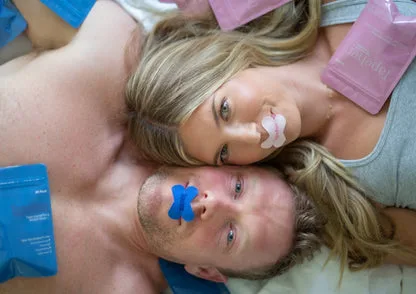
TapeHer Mouth Tape
What We Like
- Verified PFAS-free by an independent government-recognized lab
- Cotton/spandex base is among the safest materials for nightly skin contact
- Compact X-shape limits adhesive footprint on sensitive lip skin
- Designed specifically for women and sensitive-skin users
What to Consider
- Single-use — not reusable, which is the correct design for hygiene
- Lighter adhesion may not suit heavy sleepers or those with oily skin
TapeHer is formulated with a 95% cotton and 5% spandex base — one of the safest material combinations for nightly adhesive contact — and independently verified as PFAS-free through SGS laboratory testing completed in January 2026. Its X-shape reduces the adhesive footprint compared to a full-lip strip, a meaningful feature for anyone who has experienced redness or itching with other tapes.
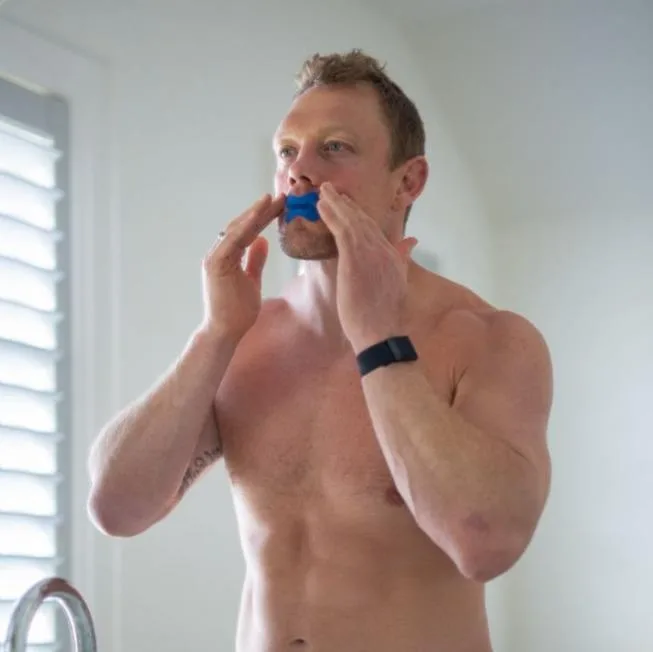
Hostage Tape
What We Like
- BeardFlex adhesive specifically engineered for facial hair
- Holds reliably through sleep movement without gaps
- Clean, residue-free removal even from beard area
What to Consider
- Single-use only — stronger adhesion makes second-use attempt even more risky for skin
- No published independent safety certifications found as of 2026
Hostage Tape's BeardFlex technology is its defining feature: a premium adhesive combined with a flexible fabric base designed to conform to the contours of stubble and facial hair without losing the seal during sleep movement. The strip is engineered for clean removal without residue — a critical factor for daily users who want to avoid adhesive buildup on the skin around the beard line.
SomniFix Mouth Strips
What We Like
- Center vent allows mouth breathing as a safety fallback
- Hypoallergenic, latex-free construction
- Reduces psychological anxiety common in new users
What to Consider
- Vent reduces full lip seal compared to non-vented designs
- Single-use — the vent does not make the strip any more reusable
SomniFix's central distinguishing feature is its patented breathing vent at the center of the strip. If nasal airflow becomes restricted during sleep, the vent provides an emergency backup for mouth breathing — reducing the physical risk and, importantly, the psychological anxiety that makes some first-time users give up after one night. The trade-off is slightly lower lip adhesion compared to full-coverage strips, and a higher per-strip cost than unvented alternatives.
Getting the best value per use without compromising hygiene
Since is mouth tape reusable is the wrong question, the right question becomes: how do I make the per-use cost low enough that correct single-use practice is easy to sustain? Here are the strategies that work:
- Buy in volume. Most brands offer 30-, 60-, and 90-count packs. The larger the pack, the lower the per-strip cost. Buying the largest size you're willing to commit to is the most straightforward way to reduce nightly cost.
- Subscribe if you'll use it consistently. Subscription programs (where available) offer an additional discount on multi-packs — particularly useful if you've confirmed the tape works for your skin after a trial period.
- Skin prep extends comfort (not adhesive reuse). Applying tape to clean, dry, moisturizer-free skin maximizes first-night adhesion. Some users apply a tiny amount of petroleum jelly at the very outer corners to protect those areas from adhesive contact — this doesn't make the strip reusable, but it reduces the skin wear that makes nightly use uncomfortable.
- Rotate between two tapes if testing. If you're trialing products to find your best fit, finish a full seven-night run of one tape before switching. Mixing tapes while evaluating makes it impossible to isolate what's working.
For guidance on removing the strip gently after sleep to protect the skin around your lips, see our article on how to remove mouth tape residue — a common issue for users who prefer stronger-adhesion products.
Common mistakes with mouth tape hygiene
Even experienced nightly users repeat habits that undercut the hygiene benefit of mouth taping. The most common ones:
- Reapplying a strip that "still feels sticky." Tackiness is not the same as hygiene. The strip may hold for a second night, but it carries the night-one biofilm — the adhesive surface is not clean.
- Applying tape over lip balm, lotion, or beard oil. These products are designed to coat skin surfaces. Any coating reduces the bond between the adhesive and the skin, causing the tape to slip or peel during sleep.
- Using non-skin-safe tapes as a budget hack. Electrical tape, packaging tape, and other household adhesives are not formulated for skin contact. They can cause chemical burns and severe contact dermatitis . The only safe budget substitutes are medical-grade tapes like 3M Micropore.
- Ignoring early irritation signs. A small area of redness is the skin's early warning. Continuing to apply the same tape over irritated skin — especially trying to "reuse" a strip the next night — turns a minor reaction into a persistent dermatitis issue .
For a deeper look at what can go wrong and how to recognize your limits, our mouth tape side effects guide covers every common and uncommon reaction with source-backed detail.
Safety considerations before you start
The hygiene question — is mouth tape reusable — matters most to consistent nightly users. But a more fundamental safety question should come first: is mouth taping right for you at all?
A scoping review of 10 studies (213 patients) published in a peer-reviewed journal identified the most critical safety risk clearly: mouth taping is contraindicated for anyone with nasal obstruction or moderate-to-severe sleep apnea. Blocking the mouth when the nasal airway is also compromised can restrict total airflow to dangerous levels.
Additional contraindications include: deviated septum, significantly enlarged tonsils, active sinus infections, chronic allergies, and certain heart conditions. Children should not use mouth tape.
If you snore and haven't been screened for obstructive sleep apnea, that screening should happen before starting mouth taping, not after. Read our overview on mouth tape for sleep for a clear explanation of who benefits and who should not try this approach.
How We Chose
We evaluated mouth tape products against published dermatology guidelines on adhesive safety, independent safety certification data, material composition, and user-facing hygiene guidance from the brands themselves. Products were selected based on material transparency, adhesive type suitability for daily skin contact, and documented design features — not brand marketing claims alone.
Verdict: is mouth tape reusable?
No — and the reasons are rooted in adhesive science and skin hygiene, not just manufacturer preference. A used strip carries a biofilm of skin cells, oils, and moisture that makes it both less adhesive and less hygienic than a fresh strip. The correct approach is to treat each strip as single-use and invest in a multi-pack of a formulation suited to your skin type: TapeHer for sensitive skin and daily female users, Hostage Tape for those with facial hair who need a stronger bond, and SomniFix for first-time users who want a built-in safety vent. The per-night cost of any of these is low enough that hygiene should never be the trade-off.
References
- Acrylate adhesives sensitization risk — PubMed (2018)
- Cotton vs silk medical tape safety — Guanma Medical
- Mouth taping safety and side effects — Cleveland Clinic
- Scoping review of mouth taping studies (10 studies, 213 patients) — PMC / peer-reviewed journal
- Medical adhesive allergens — Journal of the American Academy of Dermatology
- TapeHer PFAS-free testing documentation — SGS Lab (January 2026)
- PFAS risk management — U.S. Environmental Protection Agency
- Formaldehyde-releasing preservatives in personal care products — Campaign for Safe Cosmetics
- ADA caution on mouth taping trend — American Dental Association
- Safe adhesive recommendations for mouth taping — ScienceInsights
Medical disclaimer: This article is for informational purposes only and does not constitute medical advice. Mouth taping is not a treatment for sleep apnea or any medical condition. Consult a qualified healthcare professional before starting mouth taping, especially if you have breathing difficulties, sleep disorders, or skin conditions. Stop use immediately if you experience skin irritation, difficulty breathing, or discomfort.
Recommended for you
 Can You Use Mouth Tape With CPAP: Questions to Ask First | Purisia
 Mouth Tape for Sleep Apnea: 6 Safety Questions to Ask First (2026)
 Mouth Tape Korea: Complete Guide to the 2026 Sleep Wellness Trend
 How Does Mouth Tape Help Your Jawline? 5 Claims Examined (2026)
 Logan Paul Mouth Tape Trend: Best 5 Safety Facts to Know in 2026
 Sleep Shield Mouth Tape Review 2026: 3 Best Alternatives to Know